A.F. Branco Cartoon – The media and the Kamala campaign are trying to present themselves as the party of joy while America is burning with high prices across the board, crime, open borders, and oppressing free speech.
It’s looking more like a third-world country than something to be joyful about.
By Jim Hoft – The Gateway Pundit – August 18, 2024
Kamala Harris and the obedient media are attempting to push a platform of “joy.” Guess who else had a propaganda campaign of joy? Adolf Hitler. After the Nazi rise to power in 1933, the new regime immediately began efforts to bring German society completely under Nazi control in a process known as Gleichschaltung (German for “coordination” or “synchronization”). All political parties and trade unions were outlawed except for the Nazi Party and the Nazi German Labor Front (Deutsches Arbeitsfront). The German Labor Front started the “Strength through Joy” program (“Kraft durch Freude”) in November 1933 to improve “Aryan” workers’ quality of life and build popular support for the Nazi regime. Nazi leaders hoped that the athletic and cultural programs of “Strength through Joy” would improve the health and productivity of the German workforce while easing class tensions within the so-called “national community” (“Volksgemeinschaft”). READ MORE…
A.F. Branco has taken his two greatest passions (art and politics) and translated them into cartoons that have been popular all over the country in various news outlets, including NewsMax, Fox News, MSNBC, CBS, ABC, and “The Washington Post.” He has been recognized by such personalities as Rep. Devin Nunes, Dinesh D’Souza, James Woods, Chris Salcedo, Sarah Palin, Larry Elder, Lars Larson, Rush Limbaugh, and President Trump.
Executives in the food industry challenged Vice President Kamala Harris’ claim that they are to blame for the soaring cost of groceries, calling her government price control plan “a solution in search of a problem.” Harris, who is the Democrat nominee for president, accused food companies of “price gouging” and said that price controls were needed to bring down Americans’ grocery bills and check corporate greed.
Food executives told The Wall Street Journal that high inflation has driven up labor and raw materials costs and spurred price increases. They also said that healthy profit margins are needed to finance the development of new products.
“We understand why there is this sticker shock and why it’s upsetting,” Andy Harig, a vice president at FMI, a food retailer and supplier trade group, said. “But to automatically just say there’s got to be something nefarious, I think to us that is oversimplified.”
During the Biden-Harris administration, inflation has raised overall costs by about 19%, with food prices going up 21% under Democrat control of the executive branch.
If she were to be elected president, Harris said she would ban price gouging by grocery stores and food suppliers by authorizing the Federal Trade Commission and state attorneys general to penalize companies that violate the policy.
Republican rival and former President Donald Trump slammed Harris’ “Communist price control” policy, saying the proposal would create “rationing, hunger, [and] dramatically more inflation.”
The National Grocers Association told the Journal that Harris’ plan to ban food price gouging “is a solution in search of a problem.”
In a Friday opinion piece, The Washington Post editorial board knocked Harris’ proposal, calling it a “populist gimmick” when the nation is in need of “serious economic ideas.”
“Vice President Kamala Harris’s speech Friday was an opportunity to get specific with voters about how a Harris presidency would manage an economy that many feel is not working well for them,” the board wrote. “Unfortunately, instead of delivering a substantial plan, she squandered the moment on populist gimmicks. Americans are clearly still anxious and angry about the high cost of groceries, housing and even $5.29 Big Macs.’
“While the inflation rate has cooled substantially since the 2022 peak, an ostensible Biden-Harris administration accomplishment, prices remain elevated relative to the Trump years,” the board said. “So, it’s a real political issue for Ms. Harris. One way to handle it might be to level with voters, telling them that inflation spiked in 2021 mainly because the pandemic snarled supply chains, and that the Federal Reserve’s policies, which the Biden-Harris administration supported, are working to slow it. The vice president instead opted for a less forthright route: Blaming big business. She vowed to go after ‘price gouging’ by grocery stores, landlords, pharmaceutical companies and other supposed corporate perpetrators by having the Federal Trade Commission enforce a vaguely defined ‘federal ban on price gouging.’
“Never mind that many stores are currently slashing prices in response to renewed consumer bargain hunting,” it continued. “Ms. Harris says she’ll target companies that make ‘excessive’ profits, whatever that means. (It’s hard to see how groceries, a notoriously low-margin business, would qualify.) Thankfully, this gambit by Ms. Harris has been met with almost instant skepticism, with many critics citing President Richard M. Nixon’s failed price controls from the 1970s. Whether the Harris proposal wins over voters remains to be seen, but if sound economic analysis still matters, it won’t.”
Nicole Wells, a Newsmax general assignment reporter covers news, politics, and culture. She is a National Newspaper Association award-winning journalist.
Treasury Secretary Janet Yellen last week warned that “threats to democracy” will imperil U.S. economic growth. Yellen’s admonishment is a less-than-veiled finger wag at former President Donald Trump and anyone who would dare question the official lie that the 2020 election was “one of the most secure elections in history.”
The real threat to the economy is Joe Biden, his buffoonish treasury secretary, and the rest of the capitalism-crushing useful idiots in this dangerous administration.
As Democrat Party public-relations firm the Associated Press reported, Yellen used “economic data” in her address Friday in Arizona to “paint a picture of how disregard for America’s democratic processes and institutions can cause economic stagnation for decades.”
“Yellen, taking a rare step toward to [sic] the political arena, never mentioned Trump, the presumptive Republican presidential nominee, by name in her speech for the McCain Institute’s Sedona Forum, but she hinted at the former president’s potential impact if he regains the White House,” the AP’s Fatima Hussein and Josh Boak propagandized in a shared byline.
The former Federal Reserve chairwoman, who has routinely injected herself into the “political arena,” used the speech to “serve as a sort of warning for business leaders who may overlook Trump’s disregard for modern democratic norms because they prefer the former president’s vision of achieving growth by slashing taxes and stripping away regulations.”
Yellen’s comments, and the AP article marketing them, are as nakedly political as they are hilariously absurd. Trump’s assertions that the 2020 election was rigged — by shattered election laws in swing states, unprecedented infusions of leftist third-party cash in election administration and election interference by the same rotten-to-the-core corporate media peddling Yellen’s assault on democracy diatribe — are more dangerous than Bidenomics? Americans and economic data disagree.
‘Transitory’ Regret
Yellen’s comments preceded Gallup’s latest Economy and Personal Finance poll showing Americans’ trust in Biden’s leadership at an all-time low. The poll, conducted April 1-22, finds just 38 percent of respondents say they have a “great deal” or a “fair amount” of confidence that Biden would do or recommend the right course for the economy. Former President Donald Trump, the Republican opponent Democrats and their pals in the Deep State are trying to throw in jail, is polling at 46 percent on the economic question.
Understandably, Americans are downright cranky about the shaky state of their personal economy, compliments of the Biden administration’s prosperity-crippling policies.
“With Americans less optimistic about the state of the U.S. economy than they have been in recent months and concern about inflation persisting, their confidence in President Joe Biden to recommend or do the right thing for the economy is among the lowest Gallup has measured for any president since 2001,” Gallup reported Monday.
Over the past three years, Americans learned to be confident that Biden would do the wrong thing. And his bungling treasury secretary has provided plenty of political cover. What is stunning is that a majority of Americans (57 percent) until 2022 had confidence in the Dementarian’s management of the economy. Only President George W. Bush had a lower rating, with a meager 34 percent confidence number at the end of his second term amid the real estate bubble-burst recession.
As inflation began to climb in 2021, economics genius Yellen described the soaring cost of things as a “transitory” problem. She doubled and tripled down as inflation ballooned to levels not seen since the real Great Recession of the 1980s, caused in large part by the policies of a lousy president Biden is often compared to: Jimmy Carter.
“I regret saying it was transitory. It has come down. But I think transitory means a few weeks or months to most people,” Yellen said during an interview with Fox Business in March.
No Sale
Inflation has come up since Yellen expressed her regret. Soaring mortgage rates have priced Americans, particularly young families, out of home ownership. The housing crisis could be the “death knell for America’s middle class,” Newsweek warned in December.
American workers have seen any income growth devoured by rising costs for everything from gas to Happy Meals. Yes, Democrats’ massive expansion of government regulations on business — especially small business, climate change cultism, foreign policy debacles, and unsustainable spending — has everything to do with why middle-income earners are feeling the pain and increasingly frustrated.
Just as frustrating, you have the accomplice media covering for the bungler-in-chief, telling Americans what they’re experiencing is simply not real. The New York Times’ gag-worthy piece last month claiming Biden has a positive story to tell on the economy is political propaganda of the most ludicrous order. No one should be surprised about such absurd water-carrying by a Biden-backing corporate media that has pushed Democrats’ perfect election narrative despite Democrats’ many, many imperfections.
Now the tone-deaf treasury secretary wants to tell American businesses that tax-cutting, “election denier” Trump is more of a threat to the U.S. economy than the economic menace that is Joe Biden. America isn’t buying what Yellen is selling. They can’t afford to.
Matt Kittle is a senior elections correspondent for The Federalist. An award-winning investigative reporter and 30-year veteran of print, broadcast, and online journalism, Kittle previously served as the executive director of Empower Wisconsin.
Bidenomics, with its high inflation and high cost of living, is wreaking havoc on the U.S. economy. Though the left continues to gaslight and cook the books in their favor, Americans can feel this economic disaster.
POLL: Biden Trails Trump in Six Swing States – 70% Say Economy is on the “Wrong Track”
BY JORDAN CONRADSON – APRIL 26, 2024
According to a recent poll, President Trump currently holds a lead in six of the seven key swing states that are expected to determine the 2024 Presidential Election.
A.F. Branco has taken his two greatest passions (art and politics) and translated them into cartoons that have been popular all over the country in various news outlets, including NewsMax, Fox News, MSNBC, CBS, ABC, and “The Washington Post.” He has been recognized by such personalities as Rep. Devin Nunes, Dinesh D’Souza, James Woods, Chris Salcedo, Sarah Palin, Larry Elder, Lars Larson, Rush Limbaugh, and President Trump.
Americans filling their tanks up at a gas station in Alexandria, Virginia, reacted to gas prices rising over 50% since January 2021, when President Biden took office. Rising gas prices under President Biden’s watch have led some Americans to face “painful” and “ridiculous” receipts at the pump, drivers at a Virginia gas station told Fox News.
“There’s no saving,” Donovan said, adding that the cost is “killing” his bottom line. “Gas price has to go back down in order for everybody to really maintain.”
“Paychecks are not rising,” the Virginian said. “It takes about two or three checks to cover all the bills instead of just one.”
Americans filling their tanks up at a gas station in Alexandria, Virginia, reacted to gas prices rising over 50% since January 2021, when President Biden took office.
But one Virginia woman said she’s used to the high costs.
“I don’t really feel it honestly,” she said. “Obviously, nobody wants to pay so much for it, but we need it.”
On Wednesday, gas prices were over 50% higher than when Biden was inaugurated, according to AAA. The national average for a gallon of gas was nearly $3.62, up from $2.39 on Jan. 20, 2021, when the president was sworn in.
Gas prices were 50% higher on Wednesday compared to when Biden took office in January 2021, according to AAA. (Fox News Digital/Megan Myers / Fox News)
“That’s more money out of the pocket that I can be spending on groceries and other everyday items that I need,” Davis, of Washington, D.C., said. “You definitely feel it.”
A Florida man said he can afford the price surges but knows many families are struggling. The cost of filling up his Chevrolet Suburban “drives me absolutely insane,” he added.
“I do fairly well in business, and I just feel for all the people who are trying to make ends meet,” he said. “I can make it work, though it’s painful, but I don’t know how the young family of four gets along. Not just with this inflation, but with all inflation.”
Inflation has cooled from a 40-year high of 9.1% in June 2022, but has remained persistent, with prices climbing 3.5% year-over-year in March, according to the Bureau of Labor Statistics. The national average for a gallon of gas has also dropped from its June 2022 peak when it surpassed $5, but that’s been rising steadily since March, according to AAA.
On March 11, the White House said “costs have fallen for everyday purchases from a gallon of gas to a gallon of milk,” but several Americans told Fox News they hadn’t noticed lower prices.
Americans at a Virginia gas station reacted to gas prices’ steady increase. Many drivers still felt the pain at the pump, but a few said they were used to the high costs since the COVID-19 pandemic. (Fox News Digital/Megan Myers / Fox News)
“Prices are still super high,” Donovan said. “It hasn’t gone down. They’re just trying to pull wool over the eyes.”
One Virginia woman said she hasn’t felt the pain at the pump as much, but her grocery bills are “ridiculous.”
The cost of several everyday items has dropped from recent peaks, though some are still higher than when Biden entered office, according to the Bureau of Labor Statistics. In March, the average gallon of milk, for example, was $3.89, 43 cents higher than in January 2021. The price of eggs was up to nearly $3, an increase of more than $1.50.
Davis, of Washington, D.C., fills up his gas tank at a Virginia gas station. He said he feels the rising prices at the pump. (Fox News Digital/Megan Myers / Fox News)
David, a lifelong Washingtonian, said gas prices and other surging costs are “ridiculous.” He hopes the 2024 election will bring out a candidate willing to work for the people and lower skyrocketing prices.
“We have to do something,” David said. “There’s more people who are in the shelters, in the streets, because they can’t afford it.”
“Everybody who’s come in the White House has some accountability,” he said. “I’m praying that things will turn around as we go into a new season of who’s in the seat of power in the nation’s capital.”
The White House did not immediately provide comment.
You wouldn’t know it from White House press releases, but Americans are paying roughly 45 percent more at the pump now than before President Joe Biden first took office. Anyone looking to take a quick weekend getaway or spring break outing in the coming days will pay an average of $3.51 per gallon to gas up their vehicles. Roadtrippers and commuters in states such as California are the hardest hit, paying upwards of $4.93 per gallon. Even notoriously cheap states for gas such as Texas still have Americans shelling out far more than $3 per gallon.
“Gas price inflation is back,” CNN, one of the few corporate media publications mentioning the price surge, noted at the beginning of its latest article on fuel. The Daily Mail repeated the same phrase in a recent headline.
One might think that Biden, who is already lagging in presidential polls for the upcoming election, would do everything in his power to fix the problem because his campaign team knows Americans vote with their pocketbooks. Yet the Biden administration has adopted rhetoric about a so-called “dip” in the cost of unleaded from 2022 records to claim that inflation isn’t as bad or as Democrat-inflicted as it is.
This week, as the cost to fill a car climbs daily, White House Press Secretary Karine Jean Pierre went so far as to brag that the “actions that [Biden] took led to lowering gas prices.”
KARINE JEAN-PIERRE: "The president has done everything that he can to deal with oil! Obviously, the actions that he took led to lowering gas prices."
FACT: Gas prices are up over last week, last month, and last year — and up 46% since Biden took office. pic.twitter.com/W3iyD6hNNl
KARINE JEAN-PIERRE: "Prices fell over the last year! … Wages are rising faster than prices!"
Under Biden, overall prices have are up 18.6%, food prices are up 21.2%, gas prices are up ~42%, and real average weekly earnings are DOWN by 4.2%. pic.twitter.com/B1wSM4trIy
The White House, with the help of corporate media, has long touted “cooling” prices to flood the airwaves with propaganda seeking to obscure the nation’s dire economic conditions. Yet, as with every other category of inflation, gas costs have never technically stopped climbing since Biden’s entrance in 2021. Even when the price of unleaded varied slightly from the record high that plagued Biden’s first few presidential years thanks to his unfriendly oil and gas policies, the cost of filling up a car has remained steadily high.
The White House will do its best to cover up its role in the inflation crisis wreaking havoc on the country, but will stop short of enacting a real solution. The administration won’t lift any of its policies exacerbating high gas prices because jarring costs at the pump don’t necessary conflict with the administration’s goals.
The Biden administration openly desires to use chronically high gas prices to usher in electric vehicles and weather-dependent energy.
The average gas price has now increased by 46% under Joe Biden.
Here is Pete Buttigieg bragging that high gas prices are pushing Americans towards electric vehicles.
Jordan Boyd is a staff writer at The Federalist and co-producer of The Federalist Radio Hour. Her work has also been featured in The Daily Wire, Fox News, and RealClearPolitics. Jordan graduated from Baylor University where she majored in political science and minored in journalism. Follow her on Twitter @jordanboydtx.
With the border out of control, inflation through the roof, and the economy and the world in disaster, due mainly to Bidens and Democrat policies, Crooked Joe has decided to take aim at shrinkflation. Something he himself caused.
Snickers Bar Maker Denies Biden’s State of the Union “Shrinkflation” Charge
By Kristinn Taylor March 11, 2024
The maker of the Snickers candy bar released a statement refuting Joe Biden’s “shrinkflation” charge made in Thursday’s State of the Union address that the candy maker has reduced the size of Snickers bars but kept the same price.
Scott Jennings, a conservative commenter on CNN, queried Mars, Inc., the maker of Snickers for comment. The reply confirmed his suspicions about Biden’s claim “As I suspected. The president is literally slandering a candy bar. Official statement given to me by the Mars/Snickers people. Will literally slander anything and anyone. Total hack.” READ MORE…
A.F. Branco has taken his two greatest passions (art and politics) and translated them into cartoons that have been popular all over the country in various news outlets, including NewsMax, Fox News, MSNBC, CBS, ABC, and “The Washington Post.” He has been recognized by such personalities as Rep. Devin Nunes, Dinesh D’Souza, James Woods, Chris Salcedo, Sarah Palin, Larry Elder, Lars Larson, Rush Limbaugh, and President Trump.
Biden can’t do a softball one-on-one interview on CBS just before the Super Bowl but does a silly commercial complaining about shrink-flation on snacks and soda that he caused by the inflation his own Bidennomic policies created.
Shrinkflation: Reduction of quantity/quality of a good without corresponding price reduction
In economics, shrinkflation, also known as the grocery shrink ray, deflation, or package downsizing, is the process of items shrinking in size or quantity, or even sometimes reformulating or reducing quality, while their prices remain the same. The word is a portmanteau of the words shrink and inflation. Joe Biden is against it and wants to blame greedy corporations. Nice try, Joe.
Don’t let President Biden gaslight you. ‘Shrinkflation’ is not the problem, Bidenomics is. Businesses are trying to stay competitive in the market by limiting how much they raise prices to offset the cost increases they’ve encountered thanks to Biden’s economic policy decisions. READ MORE…
A.F. Branco has taken his two greatest passions (art and politics) and translated them into cartoons that have been popular all over the country in various news outlets, including NewsMax, Fox News, MSNBC, CBS, ABC, and “The Washington Post.” He has been recognized by such personalities as Rep. Devin Nunes, Dinesh D’Souza, James Woods, Chris Salcedo, Sarah Palin, Larry Elder, Lars Larson, Rush Limbaugh, and President Trump.
As half the states in the country raise their hourly minimum wage, American fast-food staples like the McDonald’s Big Mac could soar to $15, predicts an economic analyst.
Companies are “either gonna have to raise prices, start to reduce those labor costs, or a combination of both,” says Brandon Arnold, EVP at National Taxpayers Union, a fiscally conservative think tank, the New York Post reports.
“That’s not fair to those employees that are getting laid off — nor is it fair to the customers that are all of a sudden paying $12, $15 for a Big Mac,” Arnold says.
“As [employers] start to see these labor costs increase, they may not lay people off immediately,” believes the analyst. “But when times get tough, they’re gonna have to make changes.”
Pizza Hut announced last week it will lay off more than 1,200 delivery drivers in California due to the state’s higher minimum wage law, which goes into effect in April. McDonald’s and Chipotle have both announced they will raise their menu prices in California due to the higher wages.
Rather than lose a job and stand on the unemployment line, Arnold believes, most fast-food workers would accept an hourly wage of $8-$10 an hour.
In an open letter, McDonald’s USA President Joe Erlinger fired away, “California keeps looking for ways to raise prices, drive away more businesses and destroy growth through bad policy and bad politics.”
Twenty-five states and Washington, D.C., have passed legislation to raise minimum wages, with the higher payouts taking effect in 22 of those states on Monday. Nevada’s and Oregon’s wage hikes will go into effect on July 1, while Florida’s will start on Sept. 30.
Argentina’s President-elect, Javier Milei, gestures during a Nov. 29 session at the Argentine Congress in Buenos Aires, at which he was officially declared the winner of the runoff election. He is set to take office on Sunday. (Photo: Juan Mabromata/AFP/Getty Images)
Milei’s ideas are neither radical nor novel. They represent a move toward returning to normal and a repudiation of the economic sins Argentina has repeatedly committed.
The nation is in the throes of its fifth hyperinflation in less than five decades, with prices now rising 143% per year. It was enough to convince the Argentine electorate that it was time for a 180-degree change in economic policy. The people want to make Argentina great again, as former President Donald Trump said in congratulating Milei, 53, who takes office on Sunday.
A century ago, Argentina was the crown jewel of South America. It was one of the richest countries in the world, with a gold-backed currency and a higher per-capita gross domestic product than Austria, Italy or Spain, its former master.
But Argentina got caught up in the progressive era of the early 20th century and elected socialists around World War I. Government meddling in the economy took root with new laws controlling factory production and working hours. Major industries such as energy and transportation were nationalized. Government schools became ubiquitous.
Economic efficiency declined and output fell as the bureaucracy became bloated.
With the onset of the Great Depression, socialists in both the U.S. and Argentina found a new excuse to implement the agenda they had been advocating for decades. Argentina‘s government exploded its budget and launched an economywide industrial policy, which backfired spectacularly, just as the New Deal drove U.S. economic output lower.
To finance an expanded government, Argentina chose to print money and abandoned the gold standard, then devalued the peso by half. Agricultural output plunged, including beef, and Argentina lost its place as one of the world’s biggest beef exporters.
The political unrest that followed led to a military coup and takeover by fascist-sympathizing national socialists who doubled down on their predecessors’ failed policies. The next four decades saw more inflation and the nationalization and unionization of more industries and workers amid constant pushes for social justice.
The middle class all but disappeared, replaced by an overregulated, overtaxed underclass.
In the first of a series of hyperinflations, the peso’s value went from 42 cents American to less than three one-thousands of a cent in 1969. Argentina abandoned its throne among the pantheon of the richest nations in the world, descending to perennial economic basket cases.
Although the peso was restored in 1970, it quickly lost 99.9% of its value. It was reset again in 1981, only to lose 95% of its value thereafter. Each time government spending expanded beyond its means, Argentina printed the money to pay for it, robbing the people of their wealth.
After resetting the peso in 1983, hyperinflation was repeated yet again with a 98% devaluation. A further reset of the peso in 1985 was preceded by a collapse of the currency, losing 99.9% of its value once more.
By 1992, then-President Carlos Menem was able to restore the Argentine peso to parity with the U.S. dollar, but the feat lasted only a decade before the nation returned to its socialist credo. Government spending grew, financed by printed money, and the currency predictably lost more than 90% of its value.
Argentina returned to being persona non grata in the world of investment-grade bonds, and Argentines were once again laboring away under the yoke of hyperinflation.
This is the context that elected Milei. At long last, Argentines have had enough socialism and want their country back. Sadly, it took Argentina almost a century of chaos to learn that lesson.
The United States is following in Argentina’s footsteps, but it is running instead of walking. Relative to the size of the economy, Washington is racking up deficits twice as large as those of Buenos Aires. More than 40% of U.S. personal income taxes in America are consumed just in interest on the federal debt. If the spending is not cut soon, Argentina-style hyperinflation will follow as the only way to pay for excessive government spending.
America should skip to the end of the story of Argentina instead of reliving the whole tragedy page by page. That seems unlikely since, as our South American cousin has shown, even repeated bouts of hyperinflation aren’t always enough to wake people up to the disastrous reality of socialism.
Democrats have one huge, unavoidable problem. And his name is Joe Biden.
According to recent polls, GOP front-runner and former President Donald Trump would beat Biden if the 2024 election were held today. A Quinnipiac poll out Wednesday shows Biden with 46 percent and Trump with 48 percent among registered voters, still within the margin of error and too close to call. However, a new Fox News poll, also out Wednesday, shows that in a head-to-head, the former president would prevail with 50 percent to Biden’s 46 — a number Trump has never garnered in a Fox poll going back to October 2015.
Do these numbers and thin margins mean anything? Maybe not. We are still a year from the election. And if 2016 taught us anything, it’s that polls are traditionally garbage and are used far more often as tools to shape public opinion than to reflect it. But there are deeper and far more meaningful insights to mine from the survey, and they don’t spell good things for the Democrat Party.
For instance, it’s worth noting that not only does Biden appear to be losing generally to Trump, but the incumbent is losing his own dependable voters to his rival. Polls show Biden is hemorrhaging black, Hispanic, suburban, and young voters — all demographics that reliably vote Democrat. It could have something to do with how Biden has handled major crises he’s either caused or exacerbated. According to Quinnipiac, voters disapprove of his response to the Hamas attack and subsequent fallout (54 percent disapproval to 37 percent approval), his economy (59 to 37 percent), his foreign policy (61 to 34 percent), his border crisis (65 to 26 percent), and his response to the Russia-Ukraine war (49 to 47 percent).
The implications are simple. Voters are confronting a rare moment in U.S. history in which they can actually compare what it’s like to live under the leadership, or lack thereof, of the two major presidential candidates. Do they want Bidenomics or the affordable grocery and gas prices of the Trump era? Do they want war in the Middle East — or Eastern Europe or the South China Sea — or peace? Do they want an open border or national security? The Trump-Biden decision is an increasingly easy calculation for voters to make.
So, Democrats are stuck. And they did this to themselves, largely by closing off the possibility of a primary and instead committing to dragging Joe’s corpse across the finish line.
And yes, that really is the strategy. It’s not that Biden is a strong candidate by any measure, save for maybe his incumbency, but again, even that’s in doubt after his disastrous first term. He’s a demonstrably weak candidate, especially compared to Trump — another reality easily extrapolated from the polls.
On the Republican side — which, in contrast to Democrats, is still choosing to slog through primary election theatrics — the second-tier candidates are a notable governor and former governor, both beloved by their states and beyond. And Trump is still leading them by some 50 points. He’s got 48 points on Ron DeSantis and 51 on Nikki Haley. If prominent leftist governors such as Gavin Newsom or Gretchen Whitmer were to challenge Biden for the Democrat nomination, there’s no way he’d have that kind of lead.
This week there have been murmurs of a potential challenger — just maybe not who you would have expected. Dwayne “The Rock” Johnson was on Capitol Hill hobnobbing with Sen. Chuck Schumer on Wednesday and refused to answer reporters’ questions about whether he’ll run for president. This after he divulged last week that the parties did approach him last year. And you can see the twinkle in Democrats’ eyes at the thought of dumping weak, old Biden for his antithesis. Here’s Schumer flirting with The Rock on X after their meeting, posting cutesy little lyrics from one of the actor’s Disney roles.
But while Democrats might view The Rock as an exit strategy, they still have a monumental problem to overcome: Voters aren’t just fed up with Biden, they’re fed up with Democrat policies both foreign and domestic.
There’s no denying Democrats have become the party of mass illegal immigration. Every town is a border town, and even urbanites are done with the Democrat policies overrunning their cities with aliens who suck resources dry. Speaking of cities, left-wing policies have destroyed them, from Portland and Seattle to Washington, D.C. Democrats’ soft-on-crime policies have caused violence in these places to skyrocket, with carjackings up more than 100 percent since last year and violent crime up 40 percent in our nation’s capitol. In fact, just this week D.C.’s disaster of a mayor declared a state of emergency because youth violent crime has gotten so bad. Meanwhile, Democrats have also become the party of inflation, war, no-limits abortion, transing kids, weaponizing the federal government, terrorist sympathizing, and every other anti-America policy position you can imagine.
That takes a strong leader to overcome. Sure, The Rock does a magnificent job at the role he plays in every movie, but he’s not that leader. And besides, would today’s Democrat Party really vote for a candidate who’s a Joe Rogan bro and friends with Trump supporters?
So, Democrats are left to lie with sleepy Joe in the bed they made for themselves. It’s hard to feel sorry for them.
Kylee Griswold is the editorial director of The Federalist. She previously worked as the copy editor for the Washington Examiner magazine and as an editor and producer at National Geographic. She holds a B.S. in Communication Arts/Speech and an A.S. in Criminal Justice and writes on topics including feminism and gender issues, religion, and the media. Follow her on Twitter @kyleezempel.
There’s a simple pattern that the media follow when covering each new crisis that pops up during Joe Biden’s catastrophic presidency: A calamity occurs either domestically or abroad, and rather than examining the cause, the media instantly frame Biden as a hero at battle.
War in Ukraine? “Joe Biden Marshals U.S. Allies Against Russia” (Newsweek).
Obscene gas prices? “Biden’s frustration with soaring prices” (Washington Post).
War in Israel? “Why this Israel-Gaza conflict is so complicated for Biden” (CNN).
Folks! He’s frustrated, folks. It’s complicated for Biden, folks.
The New York Times’ David French offered up that same spa treatment for the president this week under the headline “Joe Biden knows what he’s doing.” In the piece, French implored his readers to “consider” all it is that Biden “confronts”: a war in Ukraine, another one in the Middle East, plus the ever-present threat from China. “And keep in mind,” he said, “Biden is managing these conflicts all while trying to make sure that the nation emerges from a pandemic with inflation in retreat and its economy intact.”
Folks! Keep it in mind, folks. Biden is trying, folks. He’s managing lots of complicated problems, folks. It’s frustrating to the president, too, folks.
Honestly, I felt the same way under President Trump when he was confronted by two hot wars, record inflation, and impossible energy prices. He did the best he could to manage the challenges he faced — the struggles he endured.
Wait, that’s not right. There were neither wars nor inflation during Trump’s term. The U.S. was energy independent, and gas was cheap precisely because he flooded the market with oil for the taking. My mistake!
Actually, now that I think about it, I recall that despite a remarkable period of global calm and even a historic peace deal reached between Israel and the Arab world, the Trump era was marked by nonstop hysterics from the media about our supposedly shaken allies and emboldened foes. (i.e., Trump demanded that Western Europe live up to his part of the NATO bargain and made it known that the U.S. cannot solve all of the world’s problems, especially when large parts of the world don’t see them as such.)
But back to Biden. He’s not confronting or managing a series of events that happened to him. He and his party actively created them. Or, at minimum, they created an environment that anyone could have predicted would lead to them.
Russia has long insisted that NATO stop expanding along its border. The second Biden got into office, he pushed for Ukraine’s membership. Israel had its country under relative control for years right up until Biden’s team gifted Iran, the Jewish state’s greatest threat, $6 billion worth of goodies. We were energy independent until Biden said we couldn’t be. The economy was working itself out until Biden and his party thought it would be a good idea to pump hundreds of billions of dollars more into Covid-era welfare (“childcare” and “living assistance”). And let’s not start on the electric vehicle scheme, wherein car companies grabbed another round of multi-billion-dollar taxpayer funds, courtesy of Biden, for a product that barely works (and for which manufacturers are now rolling back their production of).
Biden isn’t a knight of the kingdom off to slay a dragon. He’s a dunce screwing up everything. He doesn’t get to turn the economy and international stability into ruins and then get credit for saying he takes it all very seriously.
He’s not “struggling” or “managing,” and it’s not “complicated.” Biden is the struggle. He is the thing to manage. He is the complication.
The August CPI numbers were even hotter than the economic consensus expected (up 0.6% for the month, the biggest monthly increase of the year), showing inflation to be a persistent issue for Americans.
Regardless of the reported figures, which we know have been manipulated formulaically several times since the 1980s,Americans are struggling with food, housing, gas and other energy costs, and the general cost of living. The concerns are real and they are valid – perhaps except to those who run in elite circles. From Nobel Prize-winning economists to college professors pulling down six-figure salaries, while you grapple with the price of groceries, they say, “Let them eat cake.” Americans are struggling with food, housing, gas and other energy costs, and the general cost of living. (istock)
Take New York Times economist Paul Krugman. He has been flummoxed by the average American’s response to inflation. Looking through his academic lens, he has been posting on social media about his apparent confusion on why voters aren’t absolutely thrilled with the economy.
One such thread on X (formerly Twitter) included the following, “Many people trying to explain away voters’ perception that inflation is rising amid a historic decline by saying that people are actually talking about the level of prices, not the rate of change… it’s possible that voters are less sophisticated than they were 40 years ago; or maybe they live in an information environment that feeds false perceptions.”
Looking through the lens of the people trying to pay their bills is apparently out of his grasp. In his eyes, and the eyes of the elite, your sophistication level is the problem.
The analogy that I have used before relates to weight. Imaging that you have had relatively steady body weight over time. Then, one year you gain 10 pounds. The following year you gain 3.5 pounds. In Paul Krugman’s world, you should be thrilled because the growth in your weight gain has slowed! In your reality, you are up 13.5 pounds and can’t fit in your pants anymore. Even if you gain two pounds the next year and settle in at two pounds per year, you will soon end up obese. Krugman wants to know why you aren’t celebrating this.
Other smug academics and pundits have also tried to use cherry-picked charts and statistics to thumb their noses at the Americans who they believe are too stupid to assess their own economic reality.
Americans have experienced inflation that hasn’t been seen in four decades. This, which has occurred as a direct result from a combination of monetary, fiscal and other government policies, has had an enormous impact on families around the country, particularly as wages haven’t been able to keep pace during this period.
Credit card balances have surpassed the historic $1 trillion level. The personal saving rate has fallen to 3.5% as of July, a rate well below historical averages. Credit card and auto loan defaults have reached levels not seen in a decade. More wealth is getting consolidated in the hands of the wealthiest.
So, while the wealthy (and the government) may be propping up the average economic numbers, for most Americans, inflation has been a substantial financial burden to bear.
It used to be that those elite would at least acknowledge this. Back in 2008, when Fed Chair Ben Bernanke testified in front of the House Financial Services committee, Congressman Ron Paul said inflation was a tax. Bernanke himself agreed, repeating that inflation was a tax.
Now the economists, academics and media are fully entrenched in the elite inner circle. These are the same people who said just a couple of years ago that there would be no inflation, low inflation was the actual problem, then that inflation would be transitory, then that inflation was good for you and so on.
Their lack of empathy for the average American shouldn’t be a surprise, but it is the kind of attitude known to beget revolutions.
Today, while you deal with a real financial issue caused by entities that get no blame, you are also called the equivalent of stupid in the process by their hype-men. The Federal Reserve and the government have worked together to legally plunder your wealth. They have extracted wealth from Main Street and transferred it to Wall Street. They have put your American Dream at risk, they have not acknowledged their mistakes and they have no plans to address any of the foundational issues, from bad energy policy to outrageous debts and deficits, that would fix our foundational economic issues over the long term.
I have said many times that Fed and government policy have been the biggest drivers of non-merit based inequality. Legendary investor Stan Druckenmiller has taken that a step further. It was reported that Druckenmiller said in a 2021 speech, “I don’t think there has been any greater engine of inequality than the Federal Reserve Bank of the United States the last 11 years.”
Even 10 years ago, he warned that the Fed’s QE policy “is the biggest redistribution of wealth from the middle class and the poor to the rich ever.” The wealthy have gotten wealthier and the rest of America has gotten screwed over, and then the elite continue to kick them while they are down.
When the people who are struggling to afford their daily “bread” are told the equivalent of “Let them eat cake,” it’s a signal that major change is needed. Let’s hope we get that change soon and peacefully.
A.F. Branco has taken his two greatest passions, (art and politics) and translated them into cartoons that have been popular all over the country, in various news outlets including NewsMax, Fox News, MSNBC, CBS, ABC, and “The Washington Post.” He has been recognized by such personalities as Rep. Devin Nunes, Dinesh D’Souza, James Woods, Chris Salcedo, Sarah Palin, Larry Elder, Lars Larson, Rush Limbaugh, and President Trump.
The average increase in the price of gasoline was 30 cents per gallon in the past month — and could complicate President Joe Biden’s 2024 reelection strategy, the Daily News reported Monday. More trouble for Biden’s campaign could come as the price hikes may also intensify as planned cuts in OPEC+ production, spearheaded by Saudi Arabia and Russia, take hold in international markets, with high summer temperatures also contributing to higher energy demand, which would further drive up prices.
Currently, the average gas price is $3.83 per gallon, up from $3.53 one month ago, according to AAA and an average level not seen since October. Prices are still significantly lower that an all-time high of $5.01 per gallon in June 2022.
Republicans have criticized Biden’s green policies, connecting the issue to the higher cost of gasoline, the Daily Caller reported. Biden has hoped to rely heavily on “Bidenomics” as a strong point going into next year’s election.
Rising oil prices threaten to intensify inflationary pressures that continue to be a feature of the American economy, the The Wall Street Journal reported. The rising energy prices usually cause higher prices in other sectors by making transportation and the production processes more expensive.
Biden released tens of millions of barrels of oil from the strategic petroleum reserve (SPR) last year in an attempt to control surging gas prices before the midterm elections. That decision means that the SPR, which is generally meant to serve as a supply in case of war or some other national emergency, could now take decades to refill to peak levels, according to the Daily Mail.
Last week the Biden administration delayed refilling the SPR due to higher oil prices and unfavorable market conditions.
As they worked tirelessly to oust Donald Trump from the White House in 2020, a chorus of corporate media, Never Trumpers, establishment Democrats, and Joe Biden himself promised Americans a Biden presidency would usher in a “return to normalcy.”
Two and a half years later, normalcy has yet to appear. Biden’s tenure has cemented a new “normal” of men pretending to be women, a march toward global conflict, and synthetic drugs in the White House. Decency and decorum? Not exactly. As the 2024 election season heats up, now is as good a time as ever to take stock of our cultural and political status quo and remind ourselves that the self-proclaimed unifier-in-chief and his administration’s lackeys have done everything in their power to upend our norms, not return to them. Here are 10 examples.
1. Obscene LGBT Activism
In exchange for Trump’s mean tweets, Biden’s normal includes men showing off their prosthetic breasts on the White House lawn. As LGBT extremists enforced pride month on the rest of the country, the Biden family saw fit to host a pride party at the symbolic residence. Three of their guests proudly stripped off their tops to flaunt their mutilated “true” selves.
After immediate backlash, the Biden administration noted the behavior was “inappropriate” and disinvited the three people involved — but there was nothing “normal” about nude White House party guests.
Speaking of indecent exposure, LGBT activism under the Biden administration has taken an obscene turn and not just during “pride month.” The White House’s gay and trans agenda has no limiting principle, with the president going out of his way to promote irreversible medical interventions for confused youths. This radicalism trickles down into defending pornographic books for children, explicit “education,” public nudity, and graphic sexual depictions in family-friendly public environments.
2. Corruption
When Biden talked about normalcy, did he mean multimillion-dollar bribery schemes? Thanks to astute lawmakers like Sen. Chuck Grassley and brave whistleblowers within the Internal Revenue Service and FBI, Americans are finally seeing past the Biden-protection racket to the corrupt family business.
Biden and his DOJ will pretend the sins are littler misdemeanor tax crimes limited to his poor addict son Hunter, but whistleblower testimony about a damning FBI document suggests “the big guy’s” hands are dirty — and the Justice Department has been covering it up.
3. Cocaine at the White House
The same administration that tracked down grandmas who happened to be in D.C. on Jan. 6, 2021, claims it won’t be able to figure out who brought cocaine into the high-security White House, complete with Secret Service agents, cameras, and records of every guest’s name, date of birth, and social security number, among other things.
Whether the synthetic drug belongs to Hunter Biden, an obvious suspect who is believed to be living in the White House right now, or someone else, Colombian bam-bam turning up at the president’s house isn’t normal.
4. Federal Weaponization and Censorship
To suppress its ideological and political opponents, the Biden administration found convenient ways to silence social media users. As recent House reports have shown, Biden’s agencies regularly engaged in collusion with the largest Big Tech companies to suppress free speech. Not only did they push for the censorship of speech that was factually wrong — speech that is still protected by the First Amendment — but they labeled information critical of the Democrat regime as “disinformation” and “misinformation” to justify stripping it from the public square. Worse, the Biden administration devised a category of speech that’s true but inconvenient, called “malinformation” — and worked to silence that too.
5. Bidenomics
Despite recovering some of the jobs the government forced workers out of during Covid lockdowns, Biden’s economy overall has been disastrous for the American people. Inflation in particular has been a steady theme, with prices for essentials from groceries to gasoline soaring throughout the early years of Biden’s term. Prices are still high and many Americans are still suffering in 2023, but in January the president had the audacity to claim a high inflation rate was a good thing because it had “cooled” from the 40-year record Biden broke the previous year.
6. The Edge of World War
Aggressive support for Ukraine in its war with Russia has been a constant theme of the Biden administration. Unfortunately, this support edges us closer to a global war. With escalation as the apparent goal of this conflict, depleted stockpiles put the U.S. at increased risk of war with insufficient supplies to fight it. NATO’s recent shortening of Ukraine’s membership application process could threaten to drag NATO member countries, and America in particular, into a great power conflict once again.
Of course, this is in addition to rising threats from China and at America’s southern border, with foreign threats growing under the noses of a distracted national security apparatus.
7. Science-Denying HHS Assistant Secretary
How’s this for normal? Biden appointed a science-denying man as the first “female” four-star
admiral in the U.S. Public Health Service Commissioned Corps. The president selected Dr. Rachel Levine, a transgender-identifying person and motivated LGBT ideologue, as the assistant secretary for health at the Department of Health and Human Services.
Levine previously promoted the most extreme policies of the Centers for Disease Control and Prevention during Covid and was responsible for thousands of excess deaths in Pennsylvania during his tenure as the head of the Pennsylvania Health Department. In his position as Assistant Secretary, Levine has consistently fought to deny biological realities and promote the sterilization and mutilation of gender-confused children.
8. Pop Star as a Medical Expert
In keeping with Biden’s elevation of the unqualified, his administration turned to celebrities such as Olivia Rodrigo to persuade Americans to fawn over a flailing Anthony Fauci. In 2021, Rodrigo partnered with Fauci and Biden to produce videos encouraging youth vaccination. Her fans, along with the rest of the world, realized her expertise in healing hearts through music did not extend to medicine; her vaccination video remains one of her least-liked social media posts.
9. Senility and Lying
Probably the easiest return to normal would have been the election of a younger, coherent president who maintained some semblance of accountability to Americans. Instead, Biden offers regular doses of verbal incoherence, sleepiness, gaffes, uncomfortable whispers and shouts, and tumbles. These are all bad looks, but not as bad as the lies that spill out of the president on the daily, which The Federalist has tracked since his first day in office. Lying may be normal for Biden, but it shouldn’t be normal for the presidency, and neither should perceived physical and cognitive weakness on the world stage.
10. War on SCOTUS
It’s no surprise attacks on the Supreme Court have ramped up under the Biden administration. After all, this president evidently believes he’s above the law, and the court has disagreed, smacking down his administration on everything from student loans to Covid jab mandates. Not to mention other blows to the left during Biden’s tenure, such as the overturning of Roe v. Wade, the 303 Creative decision, and a university affirmative action takedown.
With the help of the media, the Biden administration has gotten bold about its plans to undercut and circumvent the court wherever it can. And the president is not alone; private universities will also be doing their best to dodge the law to keep supporting racial discrimination.
Samuel Boehlke is a rising senior in Mass Communication/Law and Policy at Concordia University Wisconsin and a current intern at The Federalist. He is Web Editor for CUW’s The Beacon and External Affairs Editor for Quaestus Journal. Reach him at sboehlkefdrlst@gmail.com or by DMs @vaguelymayo.
President Joe Biden may be the biggest serial liar ever to occupy the White House, but he wasn’t the only one lying about his track record during a CNN interview this weekend. Biden espoused several of his usual falsehoods — from fibs about traveling thousands of miles with China’s Xi Jinping to the price of oil. But it was his interviewer, CNN’s Fareed Zakaria, who told the biggest whopper of them all.
“I think a lot of people do watch you and are impressed and they think you’ve been a great president,” Zakaria said with a smile. “You’ve brought the economy back. You’ve restored relations with the world.”
CNN's Fareed Zakaria to Pres. Biden:
"I think a lot of people do watch you and are impressed and they think you've been a great President. You've brought the economy back. You've restored relations with the world." pic.twitter.com/ZE6beEI4C8
Biden didn’t “restore relations with the world,” either. Americans know he botched the U.S. withdrawal from Afghanistan, which had fatal consequences. They’ve also watched him go soft on China and its transnational spy balloon, while he continues funneling money and munitions to an overseas conflict that puts the world on the brink of nuclear war.
Zakaria isn’t the only member of the propaganda press shilling for Biden despite his crisis-riddled track record.
MSNBC’s Joe Scarborough wrote for The Atlantic on Monday that, contrary to what he dubs the “right’s meltdown over all things woke,” “America Is Doing Just Fine.”
“Quit your whining. America is doing pretty d-mn well,” he added on Twitter.
Given the corporate media’s fawning and corruption-covering when it comes to the Bidens, it’s no surprise that Zakaria, Scarborough, and their many left-wing colleagues at CNN, The Washington Post, MSNBC, and The Atlantic feel the president is doing his best (aka exactly what they want).
Americans, on the other hand, could hardly be less “impressed” or less “fine” with how the Biden White House has handled the last two years. Seventy percent of Americans say the nation is “off on the wrong track” and a majority of the nation disapproves of the job Biden is doing as president.
A fair and independent press couldn’t and wouldn’t want to overlook Americans’ feelings about the future of the nation under Biden. But the U.S. doesn’t have a fair and independent press.
If the last two and a half years have taught us anything, it’s that no amount of media “stop being poor” moments, of which thereare many, can convince the nation that the Biden administration is leading Americans in the right direction. Yet, corporate media keep trying with the type of spin that puts the wheels on Biden’s shiny Corvette to shame.
Today’s corporate media exist for one primary purpose, and it’s to cheerlead Democrats’ wrongs and cover up Americans’ opposition to those wrongs. Biden made it this far because mouthpieces like Zakaria lie to his face and to viewers about the failures of his administration, while shills like Scarborough demand Americans stop caring about those failures.
Jordan Boyd is a staff writer at The Federalist and co-producer of The Federalist Radio Hour. Her work has also been featured in The Daily Wire, Fox News, and RealClearPolitics. Jordan graduated from Baylor University where she majored in political science and minored in journalism. Follow her on Twitter @jordanboydtx.
While I made it clear this week that I do not support the debt ceiling deal, I believe Speaker Kevin McCarthy and our House Republican negotiators gave it their best against a president who does not care about how the inflation he created, retirement concerns and medical bills are causing havoc on families all across this country.
It’s OK to acknowledge that the deal being voted on this week may be the best that could be done with this president who refused to negotiate or even discuss this issue for months. But that acknowledgment must come with a second part: This legislation will only bury us deeper in debt and won’t actually deal with the raging inflation that is hurting every American family.
Now conservatives in Congress have a choice. We can either do business with the devil knowing this debt ceiling bill will not slay inflation, reduce retirement concerns or medical bills. Or, we can say now is the time to live within our means and stop inflation in its tracks.
If the time to say no is not today, when is it? Is it when we hit $40 trillion in debt, mortgage rates climb north of ten percent and credit card interest rates go over 30%? I say no, that would be far too late.
So ask yourself this question: is a yes vote this week simply kicking the can down the road and telling American families we don’t care about how inflation is impacting their ability to make ends meet. Of course, the answer is yes.
When a family has a spendthrift child, all they want is for that child to learn to be independent and live within their means. We all love our kids and we don’t want them to fail, but seeing your child be independent and responsible is one of the greatest joys of parenthood. Standing up on your own feels good whether you’re a parent, running a company or leading a state. Only in Washington do people have a hard time accepting this basic and universal truth.
I am a businessman who has negotiated a lot of deals. In every deal, you have to say no at some point. Maybe this is the time all Republicans need to say no.
Frankly, I’m sick and tired of watching people live in D.C.’s fantasy land where debt doesn’t matter, while America burns in the background.
I am a businessman who has negotiated a lot of deals. In every deal, you have to say no at some point. Maybe this is the time all Republicans need to say no. Not to be an obstructionist, but to tell every American family we hear them and we care about them.
When we say no to more debt, we are telling all American families we know inflation is too high and is caused by a federal government that cannot live within its means. By saying no to more debt, we are telling American families we know medical bills are too expensive, along with gas, groceries, college and rent. By saying no, we can force elected leaders to make choices like all American families do.
Biden will not acknowledge what his reckless spending is doing to the American family. Inflation is causing American families to make tough choices. Inflation and mortgage rates are making housing unaffordable. Interest expense is eating up the federal budget, crowding out military spending when Communist China is building a military to defeat us.
Let me give you some outrageous numbers. President Biden’s proposed budget for this year was $6.8 TRILLION – a 55% increase since 2019. Meanwhile, the U.S. population has grown less than 2% in that same time. This is the kind of reckless spending that gets embraced in Washington and it’s ruining our country.
The only way out of this mess is to balance the budget, pay down federal debt, reduce the size of government, reduce regulations, make permitting easier and have government only do the must haves. That’s what I did as governor of Florida and the result was more and better paying jobs, less taxes, less debt, better schools and a lower crime rate.
I supported what House Republicans originally passed in the Limit, Save, Grow Act. It wasn’t perfect, but at least it started the process to a balanced budget, get able-bodied Americans back to work, reduced the regulatory footprint which is killing American jobs and worked to grow the American economy not the Washington, D.C. economy.
So, if our only two options are to make the tough choices to balance our budget or pass this bad bill, the decision is easy.
Let’s do the hard work and make the tough choices so American families can realize the dream that has made our great nation the greatest place for opportunity on Earth.
Above all, we must understand this – there will never come a day when the permanent political class in either party in Washington will stand up in favor of curtailing runaway spending and debt. But we must all hope that there will come a day when enough responsible adults are sent to Washington to stop this madness.
On Wednesday, Speaker McCarthy and a bipartisan group of lawmakers met with Taiwanese President Tsai Ing-wen at the Ronald Reagan Library in California. The meeting made McCarthy the most senior U.S. official to meet with the leader of Taiwan on U.S. soil in decades, according to Newsweek.
During the historic summit, McCarthy reaffirmed Congress’s commitment to strengthening relations with the island nation and support for Taiwan’s aim to remain democratic in the wake of increasing Chinese aggression.
“I felt our meeting today provided a greater peace and stability for the world. America’s support for the people of Taiwan will remain resolute, unwavering and bipartisan,” McCarthy said. Tsai echoed similar sentiments, saying, “To preserve peace, we must be strong” and “we are stronger when we are together.”
“I am the Speaker of the House. There is no place that China’s going to tell me where to go and who I can speak to — I’m not the general manager of @HoustonRockets.”
— Select Committee on the Chinese Communist Party (@committeeonccp) April 6, 2023
The Chinese Communist Party (CCP) — which claims Taiwan is Chinese territory — issued remarks on Thursday threatening to “take resolute measures” in response to Tsai and McCarthy’s alleged promotion of Taiwanese independence. Taiwan News reported the island’s national defense ministry tracked a People’s Liberation Army helicopter and two naval vessels in the waters surrounding Taiwan on Wednesday and Thursday.
Most egregiously, however, is the CCP’s attempt to “inspect” ships traveling through the Taiwan Strait. According to Reuters, “China’s Fujian maritime safety administration launched a three-day special joint patrol and inspection operation in the central and northern parts of the Taiwan Strait” on Wednesday that includes “moves to board ships.” Fujian is a southeastern Chinese province bordering the Taiwan Strait.
“The maritime safety authority in the southeastern Chinese province said … the operation included ‘on-site inspections’ on direct cargo ships and construction vessels on both sides of the Taiwan Strait ‘to ensure the safety of vessel navigation and ensure the safe and orderly operation of key projects on water,’” the report reads. Taiwan indicated it would not cooperate with the inspections.
Biden Helps China by Undercutting America
In the background of McCarthy’s bid to reaffirm U.S. support for Taiwanese sovereignty is the flailing presidency of Joe Biden, whose administration’s seemingly intentional bid to cripple America’s national security and economic stability is giving China leeway to expand its influence across the globe.
On Monday, NBC News reported the infamous Chinese spy balloon the Biden administration let drift across the continental United States earlier this year “was able to gather intelligence from several sensitive American military sites.” Among the intelligence transmitted back to the CCP was “mostly from electronic signals, which can be picked up from weapons systems or include communications from base personnel.”
On the economic front, Biden’s monetary policy — which includes spending trillions of taxpayer dollars on useless Democrat pet projects — has resulted in decades-high inflation, causing everyday Americans to struggle to afford basic necessities such as gas and groceries. The administration’s ongoing war against the U.S. fossil fuel industry has only exacerbated the country’s economic pains.
Under Biden, the hegemony of the U.S. dollar is also in jeopardy. Countries such as Brazil and Malaysia have announced within the past week plans to work with China to reduce dependence on the U.S. dollar when conducting trade with Beijing. Most recently, the Chinese yuan surpassed the U.S. dollar as the most traded currency in Russia, signifying growing ties between Beijing and Moscow.
As noted by The Daily Caller, “[i]f foreigners no longer want [U.S. dollars] for trade, central bank reserves, private wealth funds, and the official currency of about a dozen countries, all those dollars have nowhere to go but back to us in a flood like our country has never seen.” Such a scenario would likely lead to hyperinflation and further suffering among the American people.
The U.S. is haunted by self-inflicted domestic problems, so the CCP likely sees an opportunity not just to take control of Taiwan but to recalibrate the politics of the Indo-Pacific in its favor. The longer Biden cripples the U.S., the closer China gets to creating a new world order devoid of U.S. influence.
Shawn Fleetwood is a Staff Writer for The Federalist and a graduate of the University of Mary Washington. He also serves as a state content writer for Convention of States Action and his work has been featured in numerous outlets, including RealClearPolitics, RealClearHealth, and Conservative Review. Follow him on Twitter @ShawnFleetwood
A.F. Branco has taken his two greatest passions, (art and politics) and translated them into cartoons that have been popular all over the country, in various news outlets including NewsMax, Fox News, MSNBC, CBS, ABC, and “The Washington Post.” He has been recognized by such personalities as Rep. Devin Nunes, Dinesh D’Souza, James Woods, Chris Salcedo, Sarah Palin, Larry Elder, Lars Larson, Rush Limbaugh, and President Donald Trump.
Are you angry yet? You should be. Our economy is slowing, banks are reeling, inflation remains scorching-high, real incomes are dropping, home prices are falling and Americans everywhere are becoming poorer by the minute. On top of everything else, now we have the failures of Silicon Valley Bank and Signature Bank, infuriating bailouts and the resulting panic over banks. As with nearly everything that has gone wrong on their watch, including the inexcusable border chaos, the catastrophic pullout from Afghanistan and harmful inflation, the go-to response by the White House has been to blame President Trump.
Specifically, to blame Trump for signing legislation that loosened regulations on regional banks in 2018.That was Joe Biden’s message in the pitiful 5-minute address in which he tried but utterly failed to reassure the nation that our banking system is sound.
Here’s what Biden didn’t say: they knew. Regulators knew that Silicon Valley Bank was on the brink of failure. Supervisors spotted fatal weaknesses at the tech lender last summer, including some deemed “matters requiring immediate attention”; they told SVB management last fall that its model was flawed and could result in a run on deposits.
Despite the grave warning, the New York Times reports, management failed to change course and supervisors failed to act. By early this spring, SVB was in yet another review, this one on its risk management practices. Bottom line: there were none.
In other words, there were plenty of regulations and processes in place to prevent the catastrophe that occurred at SVB. Critics have assailed the San Francisco Fed, the supervisory authority, and its chief Mary Daly, for negligence. Some have rightly said that having SVB CEO Greg Becker on the overseer Fed board posed an obvious and dangerous conflict of interest.
It is hard to dismiss those who assert that the eagerness with which the Fed, the Treasury and the White House stepped in to bail out SVB and Signature Bank, caught in SVB’s backdraft, stemmed from the cozy relationships and giant political donations that Democrats receive from the tech community. It is, indeed, one big Happy Valley.
After all, the bailouts (which must not be called bailouts) infuriated our European allies, and are a great embarrassment to our globalist Treasury Secretary Janet Yellen, who surely resisted the rescue. Yellen has spent much of her tenure atop our financial edifice working to cede U.S. tax policy to international organizations. To that end she has lobbied financial regulators around the world promising, among other things, that the U.S. would never again bail out banks.
The Financial Times reports that Europe’s “top policymakers are seething” over the decision to cover all SVB’s depositors, “fearing it will undermine a globally agreed regime.” Those critics are reportedly shocked at the “total and utter incompetence” of U.S. authorities.
It did not have to be this way. Do not forget who brought us to this sorry state. Do not be fooled. There is one and only one reason that Americans are struggling, that we are heading into a recession, and our banks are on thin ice.
President Biden, Democrats in Congress, Treasury Secretary Janet Yellen and Fed Chair Jay Powell have orchestrated a reckless trashing of our economy. In a shameless bid to buy votes, Biden and the Democrat majority in Congress spent trillions of unneeded dollars, mainly aimed at politically favored groups like the teachers’ unions and the climate lobby, driving the economy into warp speed and igniting inflation.
Jay Powell, hoping to be reappointed Fed Chair, ignored rising prices for months, continuing to buy hundreds of billions of dollars’ worth of bonds and mortgage-backed securities even as inflation topped 6%, aware that his only competition for the job was Lael Brainard, an avowed “dove.” Moving faster to tackle inflation might have cost Powell his job.
Meanwhile, Treasury Secretary Yellen became a cheerleader for blowing up the country’s deficits, all the while dismissing inflation as “small” and “manageable”; it wasn’t until the end of 2021 that she admitted it was not, after all, “transitory”. Once a respected economist, Yellen has become a political hack.
Joe Biden and Janet Yellen lie when they say the economy was “reeling” when he became president; it was actually growing at 6% and recovering nicely from the once-in-a-lifetime shutdown caused by COVID-19. Thanks to bipartisan efforts to prop up stalled businesses and consumers who had lost their jobs, the slump occasioned by the coronavirus pandemic was sharp but mercifully short-lived. The government expanded relief programs, the Fed lowered interest rates; the system was working as planned.
Jobs were coming back, inflation was only 1.4%, and consumer sentiment, key to spending, had rebounded sharply from the low of 72 on April 2020 to 79. (Last month, even before the bank problems, it stood at 67; in February 2020, before COVID hit, it stood at 101. Bravo Biden!)
Joe Biden took office and within weeks rushed to pass the American Rescue Act, throwing $1.9 trillion onto an economy plagued with supply chain problems. The bill passed with Democrat-only support, in part because Republicans recognized that it could prove inflationary (as even Democrat Larry Summers predicted.) Inflation indeed began to climb, to 4.2% in April 2021, and to a peak of 9.1% in June 2022.
The banking sector will likely calm, and inflation has dropped, but we are not out of the woods. There are recession signs aplenty and Biden has offered up a ludicrous and wasteful budget that Republicans must oppose. There will be a fight over raising the debt ceiling as the GOP pushes for needed spending restraint, which could get ugly.
But voters need to remember as the next election nears: it did not have to be this way. This was not an act of God; this was a reckless hijacking of our economy that put the entire country at risk. Voters must fire those responsible.
Liz Peek is a Fox News contributor and former partner of major bracket Wall Street firm Wertheim & Company. A former columnist for the Fiscal Times, she writes for The Hill and contributes frequently to Fox News, the New York Sun and other publications. For more visit LizPeek.com. Follow her on Twitter @LizPeek.
A.F. Branco has taken his two greatest passions, (art and politics) and translated them into cartoons that have been popular all over the country, in various news outlets including NewsMax, Fox News, MSNBC, CBS, ABC, and “The Washington Post.” He has been recognized by such personalities as Rep. Devin Nunes, Dinesh D’Souza, James Woods, Chris Salcedo, Sarah Palin, Larry Elder, Lars Larson, Rush Limbaugh, and President Donald Trump.
It’s painful for me to watch so many smart pundits and politicians on both the right and the left buy into a media narrative that seeks to blame “wealthy speculators” or “tech bros” or venture capitalists for a banking crisis that ultimately started in Washington. Let me explain.
If you want to understand the context for the crisis, look at the Federal Deposit Insurance Corporation chair’s March 6 testimony — a week before Silicon Valley Bank’s collapse — where he explains that banks were sitting on $620 billion of unrealized losses from long-dated bonds. This provided the tinder for the crisis.
The match was lit when SVB announced on Wednesday, March 9, that it had effectively sold all of its available-for-sale securities and needed to raise fresh capital because of large unrealized losses from its mortgage bond portfolio.
Screenshot: Wall Street Journal
On Thursday morning, the financial press widely reported SVB’s need for new capital, and short sellers were all over the stock. The CEO’s disastrous “don’t panic” call later that morning only heightened fears and undermined confidence in the bank.
The idea that one needed “non-public information” to understand that SVB was at risk is drivel being peddled by populist demagogues. Any depositor who could read The Wall Street Journal or watch the stock ticker could understand there was no upside in waiting to see what would happen next.
By Friday, the run on other banks had begun. This became abundantly clear when regulators placed Signature Bank in receivership, announced a backstop facility for First Republic, and temporarily halted trading of regional bank stocks on Monday. Even trading of Schwab was halted.
Some unscrupulous reporters and political types have even claimed that I somehow caused this through my tweeting. Dang, they must think I’m Superman! Or maybe E.F. Hutton. But the timing doesn’t line up at all, as I already explained.
In the never-ending quest for scapegoats, some reporters and political types are asking if @theallinpod could have influenced the bank run. We didn't publish until Saturday morning when banks were already closed! I also never tweeted about SVB until it was already in receivership…
Once the run on the bank started, decisive action by the Fed was imperative. This meant protecting deposits (uninsured are 50 percent) and backstopping regional banks. No matter how distasteful you may find those things to be, preventing a greater economic calamity was necessary.
But back to SVB: Its collapse was first and foremost a result of its own poor risk management and communications. It should have hedged its interest rate risk. And it should have raised the necessary capital months ago through an offering that didn’t spook the street.
SVB doesn’t deserve a bailout and isn’t getting one. SVB’s stockholders, bondholders, and stock options are getting wiped out. The executives will spend years in litigation and may have stock sales clawed back. Anyone who thinks there’s a “moral hazard” isn’t paying attention.
But it’s important to understand that SVB’s failure didn’t arise from risky startups doing risky startup things. It arose from SVB’s over-exposure to boring old mortgage bonds, which were considered safe at the time SVB bought them. Perhaps this is why SVB had an “A” rating from Moody’s and had passed all of its regulatory exams.
What turned the mortgage bonds toxic? The most rapid rate-tightening cycle we’ve seen in decades. You can see the connection here between rapid rate hikes and unrealized losses in the banking system.
So, what caused the rapid rate hikes? The worst inflation in 40 years. And what caused that? Profligate spending and money printing coming out of Washington — all while Joe Biden, Janet Yellen, and Jerome Powell assured us inflation was “transitory.”
I warned two years ago that pumping trillions of dollars of stimulus into an already hot economy was an unprecedented and likely dangerous experiment. But this was Bidenomics.
Bidenomics = pumping trillions of dollars of stimulus into a rip-roaring economy. I’m not going to pretend like I know what’s going to happen next. AFAIK we’ve never tried this before.
So, when Joe Biden says he’s going to hold those responsible for this mess fully accountable, he ought to start by looking in the mirror. But I’m sure that’s not going to happen, just as I’m sure the hunt for scapegoats is just beginning.
David Sacks is an entrepreneur and author who specializes in digital technology firms. He is a co-founder and general partner of the venture capital fund Craft Ventures and was the founding COO of PayPal.
Like Nero bragging about rebuilding Circus Maximus after burning it down, Joe Biden took to the podium tonight to take credit for solving a slew of problems he helped create.
At the top of his State of the Union address, the president boasted that he had “created more jobs in two years than any president created in four years.” No president — not Joe Biden nor Donald Trump — creates jobs. But Biden’s contention was exceptionally misleading, considering he inherited an economy that had been unplugged by an artificial, state-induced shutdown. If the government compels businesses to shutter, it doesn’t “create” jobs when allowing them to open.
On more than one occasion during the night, a mercurial Biden contended that Covid-19 had shut down the economy. No, states did. Politicians did. Biden was an aggressive proponent of those shutdowns. During the 2020 presidential campaign, the president regularly attacked Republican governors for opening too early and for ignoring federal health officials. Even in August of 2021, after it was clear that shutdowns hadn’t saved any lives, Biden was still criticizing Florida’s Gov. Ron DeSantis for rejecting a new round of Covid authoritarianism, telling him to “get out of the way” of those trying to “do the right thing.”
Three years ago, the unemployment rate was at 3.5 percent. Today, Biden reminded us that it was at a historic low of 3.4 percent. More than 30 million people lost their jobs to Covid lockdowns. Biden claims to have “created” 12 million jobs during the past two years. The one big difference is that the labor participation rate still hasn’t recovered to pre-Covid numbers. It’s great that people are working again. But millions fewer are in the market for jobs.
Biden also boasted that Americans were seeing “near” historic unemployment lows for black and Hispanic workers. These historic lows were achieved before Covid lockdowns. So, if Biden deserves credit for this, doesn’t Trump? Of course, there is no specific Biden economic policy that brought us near-historic unemployment lows for minorities or an unemployment rate 0.1 percent lower than the previous administration. Washington wasted trillions of dollars propping up an economy that it previously shut down.
Speaking of spending, Biden claimed that the preposterously misnamed “Inflation Reduction Act,” which you might recall was initially called “Build Back Better,” had helped alleviate spiking prices. Only when inflation became non-transitory, and a politically problematic issue, did Biden begin arguing that more spending would mitigate inflation. And only then did Democrats rename their bill, which was crammed with the same spending, corporate welfare, price fixing, and tax hikes — all long-desired progressive wish-list items. “The Inflation Reduction Act is also the most significant investment ever in climate change,” Biden said during his address, as if this sentence made any sense.
Presidents are often unduly blamed or given credit for economic events beyond their control. But it is no accident inflation took off as Democrats pumped hundreds of billions into a hot economy (in the case of the “infrastructure” bill, with the help of Senate Republicans) and aggravated foreseeable problems with policies that disincentivize work and undercut energy production. All this led to the biggest inflation spike since 1982. We are still at historic highs. A slew of products that consumers rely on still remain atypically expensive, and fears of additional price hikes have started to seriously corrode consumer confidence.
Biden lied that “25 percent” of the national federal debt was incurred by the previous administration when most of that debt was driven by entitlement programs passed, expanded, and revered by Democrats. And he misled the nation by claiming that his administration had “cut the deficit by more than $1.7 trillion — the largest deficit reduction in American history,” when, in fact, those “cuts” were sunsetting pandemic emergency spending that Democrats had complained wasn’t enough.
Biden went into his well-worn platitudes and myths about how the rich don’t pay taxes — “[n]o billionaire should be paying a lower tax rate than a school teacher or a firefighter!” — and proposed higher rates on the wealthy and corporations. He also promised to micromanage the economy with a slew of new regulations that would interfere in voluntary contracts struck between employees and employers and consumers and businesses.
Biden implored Congress to pass the PRO Act, a bill that would empower the government to impose unions on businesses and workers who want no part of them. Biden hawked an entire menu of crude economic populism — including price controls and protectionist trade policies that would undermine growth, competition, job creation, and innovation while driving up the cost of virtually every construction project in the country.
There were numerous lies, half-truths, and deceptions. There was a slew of antiquated economic ideas and sloganeering. But, surely, the president’s biggest lie of the night was to claim, “I’m a capitalist.”
David Harsanyi is a senior editor at The Federalist, a nationally syndicated columnist, a Happy Warrior columnist at National Review, and author of five books—the most recent, Eurotrash: Why America Must Reject the Failed Ideas of a Dying Continent. He has appeared on Fox News, C-SPAN, CNN, MSNBC, NPR, ABC World News Tonight, NBC Nightly News and radio talk shows across the country. Follow him on Twitter, @davidharsanyi.
A new poll found that a record percentage of Americans say they are doing worse financially under President Joe Biden’s leadership. 41% of respondents to the ABC News/Washington Post poll said they were financially worse since Biden’s inauguration in January 2021, the highest figure for the question in 37 years that it has been polled. Only 16% of respondents said that they were better off. By contrast, under the Trump administration the poll found that 25% of respondents said they were better off while only 13% said they were worse off.
The poll also found that former President Donald Trump would easily defeat Biden in a hypothetical matchup, with 48% of respondents saying they would vote for Trump and only 44% saying they would vote for Biden. When narrowed to registered voters, the margin only shrunk by one percentage point.
The poll is the latest data point in the debate roiling the Democratic Party whether to have Biden run for another term or to replace him as the party’s candidate for the 2024 election. Many are pointing to his advanced age as a problem that might dissuade many voters from supporting his reelection campaign.
Of respondents who said they were Democrats or independents who lean Democrat, only 44% supported Biden as the party’s nominee in 2023. Nearly half, 49%, said that the party should choose another nominee.
The president angrily lashed out at a reporter in July after he asked him to respond to polling showing many Democrats didn’t want him to run again.
“They want me to run,” he exclaimed and yelled at the reporter. “You guys are all the same. That poll showed that 92% of Democrats if I ran would vote for me.”
Biden is likely to tout his economic policies during the State of the Union speech on Tuesday. While the unemployment rate remains low, wage growth has been minor and mostly undone by the plague of high inflation.
The poll also found that 53% of Americans disapproved of Biden’s job performance and only 42% approved of his performance.
Here’s more about the damaging Biden poll: Breaking down the recent ABC News/WaPo poll ahead of President Biden’s State of the Union l ABCNL www.youtube.com
Such a smash success has Joe Biden’s presidency been so far that even the Chinese are sending up balloons. That’s more or less what Biden will say, over and over, during his State of the Union address on Tuesday. The economy is humming. Inflation is cooling. Electric vehicle sales are raging. There has never been a more orderly southern border.
It will all sound very scary to viewers who will rightly begin to question their own sanity. Or perhaps it will make you feel like everyone else is getting ahead while you’re inexplicably falling behind.
Don’t panic. When confronted with these anxieties, there are steps you can take to re-ground yourself in reality. For instance, when Biden says something confusing — something like, “Folks! Energy costs are down, folks!” — remember to yourself that this is a lie. As of Monday, national gas prices averaged higher per gallon than a year before. It’s more than a dollar per gallon higher than it was in January 2021, the month Biden was inaugurated.
Biden will likely also mention “steps” he has taken to control the unabated flow of hundreds of thousands of destitute migrants from Latin America and the Caribbean. In that stupefying moment, take a deep breath and refer to this chart maintained by Biden’s own administration, showing that December had the highest number of illegal aliens encountered by border agents — ever. That month, there were more than 250,000 migrants who unlawfully crossed into the U.S. The month before, almost 235,000. That’s nearly half a million migrants throwing themselves into the care of the American taxpayer in just two months’ time. They openly say they’re here because of Biden.
Democrat congressmen will leap to their feet and clap with ferocity when Biden says inflation is down. (Or even that higher prices are actually a great thing!) He might even say costs increased less than 6 percent from this time last year. If you feel a spinning sensation, close your eyes, count to 10, then look at this data from the Bureau of Labor Statistics. The less-than-6 stat is if you exclude food and energy prices.
In other words, if you don’t account for the things you depend on to survive, inflation really isn’t that bad! By itself, food cost is actually up more than 10 percent. It’s probably close to 12 — and maybe much more. Energy is up more than 7 percent. Mind you, this has been a year of rising costs, where each month it’s been more expensive to simply live than it was the same time a year before.
Biden’s vertigo-inducing speech will surely go on for what feels like an eternity, earning applause for assertions that are the exact opposite of reality. But remember, this too shall pass.
The Washington Post admitted Monday that “Russian trolls on Twitter had little influence on 2016 voters” — years after the Post and other corporate media water-carriers pushed the false story that former President Donald Trump’s election was illegitimate, due in part to Russian interference via bots on Twitter targeting U.S. social media users. The admission cites a New York University study that found “there was no relationship between exposure to the Russian foreign influence campaign and changes in attitudes, polarization, or voting behavior.”
Media treatment of the non-story followed a predictable, three-step process that’s become the propaganda press’s MO: Spread a false claim, control the narrative while crushing dissent with bogus “fact checks,” and then admit the truth only after the news cycle has achieved its intended purpose.
How the Russian Bots Story Followed the Playbook
In 2016, then-Clinton campaign manager Robby Mook launched the conspiracy theory that then-candidate Trump was in cahoots with Russia and colluding together to steal the 2016 election. One dossier full of bunk allegations commissioned by the Clinton campaign later, the entire media establishment, in tandem with a politicized intelligence community, was running with the Russia collusion hoax.
One of the many conspiracy theories thrown at the wall was that Russia was influencing U.S. voters via social media, including through armies of “bot” accounts. As my colleague Joy Pullmann has noted, U.S. intelligence agencies propelled that claim with an “intelligence community assessment” on Jan. 6, 2017, “signed off publicly by the FBI, National Security Agency, and CIA concluding that Trump’s election was boosted by Russian social media content farms.”
Regime media ran with it the same narrative before and after that assessment that turned out to be false:
The Washington Post: “Russian propaganda effort helped spread ‘fake news’ during election, experts say,” November 2016.
Politico Magazine: “How Russia Wins an Election” (spoiler: “the Kremlin’s troll army swarmed the web to spread disinformation and undermine trust in the electoral system,” the piece says), December 2016.
NPR: “How Russian Twitter Bots Pumped Out Fake News During The 2016 Election,” April 2017.
New York Times: “The Fake Americans Russia Created to Influence the Election,” September 2017.
Mother Jones: “Twitter Bots Distorted the 2016 Election — Including Many Likely From Russia,” October 2017.
The “Twitter Files” revealed just weeks ago that media pressure on this story, combined with threats from elected Democrats, were successful in getting Twitter to obey U.S. intelligence agency requests for information suppression, even though Twitter executives couldn’t find any evidence of coordinated Russian disinformation campaigns on their platform.
31.Twitter soon settled on its future posture.
In public, it removed content “at our sole discretion.”
Privately, they would “off-board” anything “identified by the U.S.. intelligence community as a state-sponsored entity conducting cyber-operations.” pic.twitter.com/Jc94kEg2KR
Hilariously, Tim Starks, the same writer who wrote WaPo’s admission this week that Russian bots had “little influence” on the election, had written a 2019 piece for Politico titled “Russia’s manipulation of Twitter was far vaster than believed.”
While media outlets were running cover for the story, they slapped “fact” “checks” on those who challenged the narrative, including the U.S. president. And (you guessed it) they cited the intel community’s Jan. 6, 2017 report as evidence — the same one now called into question by The Washington Post’s latest admission.
Those allegations, along with several other now-debunked claims about Trump-Russia collusion, were the basis for a special counsel investigation and a presidential impeachment, all part of a narrative aimed at kneecapping Trump’s time in office. The Mueller investigation even indicted a Russian bot farm for election interference.
Only now — after Trump has been successfully hounded out of the White House, now that almost half of likely voters have been convinced that Russia probably “changed the outcome of the 2016 presidential election,” and everyone else has forgotten about the story — does The Washington Post come around to admitting that those troublesome Russian bots didn’t really do much after all.
5 Other Times Corporate Media Followed the Same Strategy
The Twitter bots story was just one of many instances of regime media running with the same strategy. They do it almost daily, but here are just five of the most egregious examples in recent memory.
Covid: From masks to lockdowns to vaccines, we were hounded by media bullhorns for years about the untouchable efficacy of every recommendation the “experts” tossed our way. Those who resisted, in person or on social media, were vilified and censored. Workers lost jobs, kids fell behind in school, non-Covid medical patients were denied potentially life-saving treatments and surgeries, neighbors shunned each other, and people were forced to get experimental injections they didn’t want.
Only after the reigning narrative had been used to quash its intended targets for two years did its messengers admit the truths the rest of us had been saying from the beginning.
Inflation: Despite the obvious pitfalls of Covid-era decisions to shut down the entire nation’s economy and then hand out free money to everyone screwed over by government lockdowns, regime media insisted that inflation wasn’t happening under the newly minted Biden administration. CNBC told us to “Ignore ‘hysterical people’ — inflation is not here to stay, economist says.”
“Inflation isn’t a real danger,” insisted WaPo. “The Inflation Scare Doesn’t Match Reality,” said Forbes. The New York Times offered “179 Reasons You Probably Don’t Need to Panic About Inflation.”
Now that we’re undoubtedly experiencing the worst inflation in four decades, the talking point has changed to “actually, inflation is good.”
The Steele dossier: After British agent Christopher Steele was hired by the Clinton campaign’s opposition research firm to write now-debunked rumors about Trump in what became known as the Steele dossier, Steele shopped the story out to media outlets, which ran with the hoax. The New York Times even got a Pulitzer for it. The information in the dossier, which corporate media coverage helped legitimize, was used by the Obama FBI to obtain warrants to spy on the Trump campaign. Journalists who questioned the concocted narrative were called conspiracy theorists.
After the damage to the Trump campaign (and eventually, the Trump administration) was done, corporate media admitted, in a laughable understatement, that the “Arrest of Steele dossier source forces some news outlets to reexamine their coverage.”
Irreversible surgeries for gender dysphoria: Corporate media helped fuel the epidemic of sexual confusion giving rise to disfiguring surgeries and hormone “treatments” for people, including children, with gender dysphoria. Outlets like The New York Times and The Washington Post pounced on anyone who challenged the dogma that pumping teenagers with off-label hormones and dicing up their genitalia was a totally safe and normal thing to be celebrated. People like The Federalist’s own John Daniel Davidson are still locked out of their social media accounts for telling the truth about the transgender craze.
Sandwiched between op-eds decrying critics of transgenderism, The Times allows no one but itself to wonder, belatedly: “Is There a Cost?“
Hunter Biden laptop: When the New York Post published damning revelations about the Biden family’s overseas business dealings shortly before the 2020 presidential election, legacy outlets smeared the story as “disinformation” and a Russian info op.
“Hunter Biden story is Russian disinfo, dozens of former intel officials say,” parroted Politico. CBS’s Lesley Stahl called the laptop “discredited.” NPR told readers, “we don’t want to waste our time on stories that are not really stories.” The Post and others who shared the story had their social media accounts frozen or their posts taken down.
A year and a half later, The New York Times quietly admitted — in the 24th paragraph of an article about Hunter Biden’s taxes — that “a cache of files that appears to have come from a laptop abandoned by Mr. Biden in a Delaware repair shop … [was] authenticated by people familiar with them and with the investigation.” By then, the 2020 election was safely in Joe Biden’s hands.
Don’t think those six instances are the only times regime media have run the same playbook. By now, it’s their standard practice.
Elle Purnell is an assistant editor at The Federalist, and received her B.A. in government from Patrick Henry College with a minor in journalism. Follow her work on Twitter @_etreynolds.
Arecession is coming in 2023, concluded more than two-thirds of the economists at big financial institutions recently surveyed by The Wall Street Journal. Inflation is also likely to remain high. Measuring year-over-year inflation by the U.S. government’s 1980s methodology put it at 15.23 percent in November 2022 instead of the government’s claimed 7.11 percent, according to economist John Williams.
Many commentators, including me, were wrong when we previously claimed our grandkids will be paying off America’s massively unaffordable welfare state. We are all paying for it right now and are likely to be for much of our lives in inflation and other economic devastation.
Nobel Prize-winning economist Milton Friedman’s maxim that “inflation is always and everywhere a monetary phenomenon” — meaning, inflation is always caused by government overspending — predicts continued inflation for at least the next five years, if not longer.
That’s because government entities are continuing to engage in seriously inflationary actions. They’re doing this partly because of ideology, partly to buy votes, and partly because they prefer eating away Americans’ savings to paying off the unprecedented government debt that politicians have accumulated in the last 70 years enriching their friends and buying off voters.
Inflation Means Politicians Stealing from You
A 2021 Politico profile of a former U.S. Federal Reserve member noted, “Between 2008 and 2014, the Federal Reserve printed more than $3.5 trillion in new bills. To put that in perspective, it’s roughly triple the amount of money that the Fed created in its first 95 years of existence. Three centuries’ worth of growth in the money supply was crammed into a few short years.”
That dissenting former Federal Reserve committee member, Thomas Hoenig, “was worried primarily that the Fed was taking a risky path that would deepen income inequality, stoke dangerous asset bubbles and enrich the biggest banks over everyone else,” the profile says. “He also warned that it would suck the Fed into a money-printing quagmire that the central bank would not be able to escape without destabilizing the entire financial system.”
Essentially, the Federal Reserve has been helping Congress manufacture money to buy up the public debt they contracted by promising Americans more stuff than we can pay for. That’s been ongoing since the 1960s Great Society, which basically paid Americans with unaffordable entitlements to shut up about the steady loss of their constitutional freedoms, according to scholar Christopher Caldwell.
The Borrowing Will Go On Until It Can’t
In 2021, 41 percent of federal spendingdependedon borrowing. In 2022, 22 percent did. This means raising the cost of debt by hiking interest rates, as the Fed is now doing, could provoke a crisis because it would make Congress’s unsustainable behavior even more painful.
As a Manhattan Institute analysis by economist Brian Riedl notes, “rising interest rates risk pushing government interest costs, annual budget deficits, and total government debt to unsustainable levels … once the debt surges, even modest interest-rate movements can impose stratospheric costs.”
This would call years of government bluffing about the state of federal finances and institutions. It would require Congress not only to stop spending but to cut programs, which means angering voters. It would usher in the unavoidable and painful new era of managing America’s decline.
“Once a debt-and-interest-rate spiral begins, it is nearly impossible to escape without drastic inflation or fiscal consolidation,” Riedl notes.
However this ends, it is likely to include a lot of economic pain, one way or another. Here are just a few of the many indicators that inflationary times are not going away fast.
1. ‘Covid’ Overspending Continues Until at Least 2024
The funds for the sixth waste-packed “Covid relief bill” will be distributed to big-government donors, states, and local governments through the end of presidential election year 2024. Yes, the American Rescue Plan Act from Covid-tide sends states and local governments $350 billion that is still being rolled out — by design.
That law’s total spending comprises more than 100 times states’ 2020 budget shortfalls, and many state and local governments can hardly figure out what to do with all the money. As they take years to spend it, that money will keep juicing inflationary pressure. A similar effect is occurring with all the so-called Covid relief bills, which together sent $6 trillion spinning through the economy, devaluing our currency. Much of this wild inflationary deficit spending has been electronically printed through the Federal Reserve.
Together, 2020s federal spending allegedly in response to Covid was more than double the inflation-adjusted federal response to the 1930s Great Depression. We’re already seeing the inflationary effects of all this so-called Covid spending, and it’s not over yet.
2. Democrats and Republicans Recently Went on Even More Inflationary Spending Binges
In conjunction with Democrats’ mega-spending “infrastructure” and “green energy” bills soon after Covid that also helped them win Congress and the presidency in 2020, all this extra spending is projected to increase the federal debt by an unprecedented $6.5 trillion, costing more than the 20 years of U.S. occupation of Iraq and Afghanistan, according to Riedl.
“In other words, the U.S. government is in the early stages of what is projected to be the largest government debt binge in world history,” Riedl notes.
That doesn’t even include the massive federal spending expansions to support a large army of grifters profiting off the human suffering of the Russia-Ukraine war in 2022. Congress spent more on the first four months of Ukraine’s war than it did on the first five years of its undeclared war in Afghanistan.
Atop all this, more deficit spending is likely to come. In August 2022, Democrats confirmed yet again that historic levels of inflation that year were no impediment to their big-spending aims when Biden announced that he’d force taxpayers to assume up to nearly $1 trillion in student loans taken on by largely higher-income professionals. That spending is tied up in court and could be allowed at any time.
This all means that the source of inflation — government overspending — is at an unprecedented rate and pace, and even with the House Freedom Caucus’ negotiated limits on congressional spending activity, trillions in new spending is already locked in.
3. Build Back Bankrupt Shoveled Yet More Out the Door for Years to Come
In 2022, the Biden administration managed to get its top-priority grab-bag of increased government spending signed into law. By spending more money the government does not have and imposing more taxes, the ridiculously named Inflation Reduction Act is likely to increase inflation, said a Tax Foundation analysis.
“By increasing spending, the bill worsens inflation, especially in the first four years, as revenue raisers take time to ramp up and the deficit increases,” the foundation’s analysis says. “We find that budget deficits would increase from 2023 to 2026, potentially worsening inflation.”
Continuing to shovel money to cronies while ignoring major structural problems in the U.S. economy and federal budget process has become a hallmark of Congress in the 2000s. This has to end at some point, but until that point comes reasonable people can only expect such legislation to continue to pass, and to continue to worsen inflationary pressures.
Given how reckless both parties have been for decades on fiscal matters, it is likely this norm of spending money Congress can’t actually appropriate will continue until a major disaster ends their ability to fake.
4. Federal Officials Are Destroying the People’s Trust
Inflation happens “When money is no longer a trustworthy measure of value,” note Steve Forbes, Nathan Lewis, and Elizabeth Ames in their 2022 book, “Inflation.” Inflation is at least partly about a crisis of confidence in government — a warranted one, usually, because major inflation occurs as a result of politician malfeasance. Unfortunately, U.S. government officials are doing nothing to restore the people’s lost confidence in them — in fact, just the opposite.
In 2022, federal officials spent months denying inflation was happening. They also denied the United States was in a recession, insisting the traditional definition of two economic quarters in contraction was false when it was applied under Democrat rule. They’ve switched how they measure inflation to hide a large part of it.
U.S. leaders also refuse to stabilize our currency, instead taking actions that further erode Americans’ ability to put food on the table and get ahead through legitimately productive honest labor (as opposed to bullsh-t jobs). This does the opposite of what is needed: restore confidence in our markets by announcing strong steps to strengthen the U.S. dollar. They are also engaging in other activities that only erode confidence in the U.S. financial system, such as monetizing the federal debt and refusing to stop massive deficit spending.
Because politicians have created this situation and keep refusing to actually address it, Americans increasingly don’t trust their government or our debt-driven financial system. Polling shows public trust repeatedly hitting new record lows for every social and political institution. That’s an economic problem as well as a political and cultural problem, because a lack of confidence in markets can trigger economic growth, recession, and panics.
Usually, such crises build under the surface for a long time and then burst out into the open all of a sudden. As Hoover Institution economist John Cochrane said during a panel discussion, “Debt crises are like the Spanish Inquisition; no one expects them to come. If you knew they were coming, they would have already happened.”
5. The U.S. Federal Government Is Effectively Bankrupt and Inflation Helps It Hide That
The on-books U.S. national debt of $31.5 trillion is just the tip of the iceberg. Our entitlement systems are about to start going bankrupt, adding trillions in additional financial burdens on taxpayers. Riedl notes, “The U.S. government is projected to run a staggering $112 trillion in budget deficits over the next three decades, driven mostly by Social Security and Medicare commitments that are already set in law.”
If one adds unfunded and other liabilities that government officials keep off the books such as Federal Reserve debt, the amount the U.S. national government owes is more than $200 trillion. That doesn’t include what state and local governments owe, and many of them are also bankrupt or getting there.
“No matter what interest rate you use, the U.S. needs to immediately and permanently raise every federal tax by at least one third to pay, through time, for what our government plans to spend,” Boston University economist Laurence Kotlikoff wrote with fellow economist John Goodman in 2021. “The alternative? Massive spending cuts. And, no, the Federal Reserve can’t make this problem go away by printing the money needed by the Treasury. This would end where it always does — in hyperinflation.”
U.S. debt, deficits, and unfunded liabilities — which together form a total picture of U.S. national economic entrapment — are the largest ever measured in world history. Besides Japan, which isn’t spending the majority of its debt on entitlements like the United States is, “Greece and Italy are the only other OECD countries with a total government debt exceeding that of the United States,” Riedl notes. Greece and Italy have had major sovereign debt crises that have destroyed their standards of living and brought their economies into long-term decline.
“When you look at these numbers, you realize we’re Argentina in 1910,” Kotlikoff told CNBC in 2018, before the alarmist Covid response and Biden presidency made things much worse. All it will take for these scary structural problems to become visible and impossible to ignore is a financial panic or another major event like a war. Oh, look, Congress is also pushing us ever-toward open war with Russia instead of toward peace. Brilliant.
6. Child Scarcity Will Drive Higher Prices
In March 2022, The Wall Street Journal reported the opinion of retired British central banker Charles Goodhart that global structural factors will drive higher inflation for years to come. Goodhart helped Prime Minister Margaret Thatcher break inflation in the 1980s. He told the Journal that the rising global crisis of child scarcity will also push inflation up for decades.
As labor becomes more scarce, he maintained, workers will push for higher wages, in turn driving up prices. At the same time, businesses will manufacture and invest more locally to help offset both labor shortages and the nationalist and geopolitical pressures curbing globalized supply chains. That will increase production costs and local workers’ bargaining power. Global savings will fall as older people consume more than they produce, spending particularly on healthcare. All that will push up interest rates, he predicted.
A meeting of global central bankers in Jackson Hole, Wyoming, in August 2022 for the first time since 2019 found the bankers publicly reflecting a similar assessment, the Journal reported. “I don’t think that we are going to go back to that environment of low inflation,” European Central Bank President Christine Lagarde said on a panel.
7. The People Who Did All This Are Still in Charge
This reality applies to nearly every major political problem: The same people who have created these messes are the same people who largely retain the power to respond to them. The same people writing massive spending bills that divert our economy away from productive labor and into rent-seekers’ pockets are still largely in charge of government spending.
There might have been a slight shift of power in the House, but there hasn’t in the Senate, nor in the presidency. The same guy who claims the power to “pen and phone” a trillion dollars in student loan bailouts is in office, and all his K Street and Wall Street buddies still have gleefully effective access. You can be sure this cabal of crooks isn’t going to be looking out for your best interests now that we’re about to have a potentially dangerous recession.
That may be the most significant systemic reason to expect our markets to be heading for an even rougher ride in 2023 than we’ve had from 2020 to 2022.
Republican voters are desperately concerned about the country and are looking for bold and persuasive leadership instead of comfort with a few small, intermittent successes.
Comments Senate Minority Leader Mitch McConnell made on Tuesday show why he has become the single biggest obstacle to GOP success.
The Kentucky Republican claimed giving more money to Ukraine is “the No. 1 priority for the United States right now, according to most Republicans.” The new $1.7 trillion Democrat spending bill he enthusiastically supports would give Ukraine another roughly $45 billion in assistance, bringing the total over the past eight months to more than $100 billion, a staggering figure even if it weren’t happening during a time of inflation, looming recession, and other serious domestic problems.
McConnell: "Providing assistance for Ukrainians to defeat the Russians is the number one priority for the United States right now according to most Republicans. That's how we see the challenges confronting the country at the moment." pic.twitter.com/NPmzWRzoz1
The comment about Republican priorities is so false as to be completely delusional. Among the many concerns Republican voters have with Washington, D.C., a failure to give even more money to Ukraine simply does not rank.
Many Republican voters support helping Ukraine fight Russia’s unjust invasion, but it is absolutely nowhere near their top issue, contrary to McConnell’s false claim. It ranked higher as a priority before American taxpayers gave Ukraine more than was given to their war effort by nearly every other country in the world combined. But even at the height of support for the effort, before it turned into a massive proxy war with an unclear relationship to the U.S. national interest, it was not the top issue for Republicans, coming behind the economy and the U.S. border.
A majority of Americans polled a few months ago said more money should be given to Ukraine only after wealthy European countries match what Americans have already sent — something nowhere near happening.
Republicans care deeply about borders and national sovereignty, but they rank the protection of their own open border far above the protection of the borders of other countries. It is worth remembering that the longest government shutdown in U.S. history occurred in 2019 over a fight between Congress and President Donald Trump over whether to commit a relatively paltry $5 billion to protect our country’s southern border, which Congress had refused to fund.
About that $1.7 Trillion Spending Package
Another comment from McConnell also shocked Republicans. Of the $1.7 trillion left-wing spending spree McConnell is working so hard to help Democrats pass, he said, unbelievably, that he was “pretty proud of the fact that with a Democratic president, Democratic House, and Democratic Senate, we were able to achieve through this omnibus spending bill essentially all of our priorities.” As an indication of how deeply sick and broken and unserious the Senate is, no one had even begun to read the lengthy bill, which was put forward just hours before votes began.
McConnell: "I'm pretty proud of the fact that with a Democratic president, Democratic House, and Democratic Senate, we were able to achieve through this Omnibus spending bill essentially all of our priorities." pic.twitter.com/RuVcsvNX0B
The American people voted for Republicans to take over control of the House of Representatives, and House Republicans had begged McConnell to push for a smaller, short-term bill to keep the government funded while also giving them a rare opportunity to weigh in on Biden’s policy goals. McConnell allies dismissed House Republican Leader Kevin McCarthy and other House members who tried to persuade Republican senators not to support Democrats’ spending frenzy.
Budgets are policy documents, and the only leverage Republicans have is to wait a few weeks for when they will have a much stronger hand to weigh in on every issue that matters. By ramming through the $1.7 trillion package during the lame-duck session, Republicans will have significantly less ability over the next year to fight against Democrats’ destruction of rule of law in the Department of Justice, the failure to protect American borders, the destruction of the military, and Democrat collusion with Big Tech to suppress conservatives and their ideas.
The spending bill McConnell asserted was good for all of his priorities rewards the FBI with brand new headquarters and ups the funding for the DOJ to enable it to go after even more of its political opponents while protecting its political allies.
It’s perhaps worth remembering that during the 2020 Georgia runoff campaign, McConnell blocked efforts to increase funding for Americans who had their businesses and jobs shut down by government mandate during the response to Covid-19. Spending is not a problem for him, so long as the right people receive the funds.
Republicans Need a Leader Who Shares Their Goals
What support McConnell has from Republicans largely comes from doing his job well when it comes to judicial nominations. I myself co-wrote a book on the topic. He is rightly praised for his work in getting conservative judges and justices confirmed and for stopping one liberal judicial nominee, Merrick Garland. It is not praiseworthy, however, that he encouraged President Trump to nominate Garland as attorney general and voted to confirm him when President Biden did nominate him.
It is noteworthy that Senate Majority Leader Chuck Schumer has matched McConnell’s record on judges, and with far less fanfare from his allies. Perhaps Democrats demand more of their leaders than competence at only a few aspects of their job. That Schumer is capable of doing what McConnell has done shows it’s not a particularly unique skill set.
McConnell allies also like to say McConnell is good at stopping Democrat legislation. Indeed, McConnell did contribute to what few successes there were in the last two years, such as stopping the poorly named Equality Act. Certainly, he played small ball well enough to keep Sens. Joe Manchin of West Virginia and Kyrsten Sinema of Arizona from voting to get rid of the filibuster. Again, whatever frustration Republican voters have with McConnell should not keep them from acknowledging these limited successes.
However, Republican voters are desperately concerned about the country and are looking for bold and persuasive leadership instead of comfort with a few small, intermittent successes. They also seek leaders who don’t hate them. Frustration with McConnell’s well-known and long-established disdain for Republican voters is becoming a serious problem.
The politically toxic McConnell has continuously ranked as the country’s least popular politician, well behind Biden, Vice President Kamala Harris, Speaker of the House Nancy Pelosi, and Senate Majority Leader Chuck Schumer. He is so disliked by Americans that he is underwater by an average of 35.3 points in polls gauging his favorability.
Unfortunately for Republicans, he has been the top elected Republican in the country for the last two years, a period marked mostly by inexcusable impotence, fecklessness, and muddled messaging from the GOP.
Rather than present a coherent and persuasive vision of what Republican control of the Senate might look like, or even demonstrating consistent opposition to Democrat policies, too often McConnell overtly or covertly helped Democrats pass their signature policy goals. He had his deputy Sen. John Cornyn negotiate a bill to restrict Second Amendment rights. He notoriously and embarrassingly caved on a promise to help Democrats get huge numbers to pass their CHIPS subsidy, giving Biden a huge win he could celebrate with Commerce Secretary Gina Raimondo two weeks before the midterm elections.
McConnell also famously trashed Republican candidates and the voters who selected them, refused to advocate strenuously for the candidates, and failed to develop or pursue a persuasive message to Americans for voting to give Republicans control of the Senate.
When Democrats poured $75 million — not even counting the outside spending — into defending Mark Kelly’s Senate seat in Arizona, McConnell left Republican challenger Blake Masters high and dry. Masters had only $9 million. Instead, McConnell interfered in Alaska’s Senate race even though the top two contenders were both Republican. He gave his valuable cash to weak Republican Lisa Murkowski, the candidate who did not even win the Alaska Republican Party’s endorsement! Murkowski is known for not voting to confirm Brett Kavanaugh to the Supreme Court, among other notable decisions.
After the disappointing midterm loss, McConnell blamed others. He also allowed a dozen Republican senators to vote for a bill that would enable assaults on Republican voters who, on religious grounds, oppose redefining marriage.
So long as Mitch McConnell is the top elected Republican in D.C., eagerly trashing Republican voters, vociferously advocating for Democrat policy goals, pushing $1.7 trillion Democrat spending packages, and weakly fighting for whatever Republican goals he can be bothered to pursue, Republicans have a major problem. This is beyond obvious.
Everyone outside D.C. knows this even if few inside D.C. are willing to acknowledge it. Until they do, the Republican Party will continue to suffer.
A.F. Branco has taken his two greatest passions, (art and politics) and translated them into cartoons that have been popular all over the country, in various news outlets including NewsMax, Fox News, MSNBC, CBS, ABC, and “The Washington Post.” He has been recognized by such personalities as Rep. Devin Nunes, Dinesh D’Souza, James Woods, Chris Salcedo, Sarah Palin, Larry Elder, Lars Larson, Rush Limbaugh, and President Donald Trump.
The Federal Reserve announced an interest rate hike of 0.75 percentage points, bumping the range of the federal interest rate to between 3.75% and 4% following a Wednesday meeting of Fed policymakers. The rate hike matches investor expectations and is the fifth consecutive hike since March and the fourth at this aggressive pace since June as the Federal Reserve attempts to cool the economy and blunt persistently high inflation, The Wall Street Journal reported Tuesday. All eyes are now on the Fed’s December meeting, with investors debating whether the Fed will continue at its aggressive pace of 0.75 percentage point hikes or slow to 0.5 in a bid to ease the pressure on an economy an emerging consensus of analysts say is heading towards a recession. (RELATED: European Central Bank Takes Action As EU Teeters On Brink Of Recession)
Some investors were hoping the Fed would begin a “pivot” towards reduced rate hikes in December after various signs that the economy was beginning to slow, Reuters reported Tuesday. However, following a Bureau of Labor Statistics report Tuesday that showed an unexpectedly strong labor market, with job openings in September nearly recouping an August decline, some investors believe the Fed will likely see itself as having more work to do in prompting a slowdown.
“Despite other signs of economic deceleration,” Ronald Temple, head of U.S. equity at financial advisory firm Lazard Asset Management, told Reuters, “the job openings data taken together with nonfarm payroll growth indicate the Fed is far from the point where it can declare victory over inflation and lift its foot off the economic brake.”
The Fed is expected to raise interest rates again today by .75% in a poor attempt to curb inflation. Meanwhile oil companies have reported over $50 billion in third quarter profits exceeding expectations. Corporate greed is driving inflation.
So-called “core inflation,” which measures inflation less food and energy, ticked up to 5.1% year-on-year in September, according to the Fed’s preferred inflation metric, the Personal Consumption Expenditures (PCE) price index. The more well-known Consumer Price Index (CPI) has repeatedly come in hot, with its most recent reading also showing soaring core inflation, up 0.6% on a monthly basis in September and up 6.6% on an annual basis.
Heightened rates have pushed people away from buying houses at the fastest rates on record, as 30-year fixed mortgage rates hit their highest levels in 20 years. Elevated interest rates are also putting pressure on the federal government, with the cost of interest on the $31.1 trillion national debt set to surpass the $750 billion spent on defense this fiscal year by 2026, according to CNN.
Democratic Rep. James Clyburn of South Carolina claimed during a Thursday MSNBC appearance that the Biden administration and Congressional Democrats knew some of their moves would spur inflation.
“All of us knew this would be the case when we put in place this recovery program. Any time you put more money into the economy, prices tend to rise. And we do know that price gouging takes place and that’s what Senator Warnock is concerned about in Georgia,” Clyburn told host Jose Diaz-Balart. “We knew the moment we went to aid the Ukrainians, the Russians would do what they could possibly do to undercut this administration, so they cut this deal with OPEC nations to reduce the production of oil so as to drive the price of gasoline up.” (RELATED: JPMorgan Chase CEO Issues Another Warning On US Economy: ‘This Is Serious’)
President Joe Biden signed the American Rescue Plan, which had $1.9 trillion in spending, into law in March 2021. Biden signed the Inflation Reduction Act, which largely consists of green energy programs, healthcare spending and a massive increase in funding for the Internal Revenue Service, into law in August 2022.
WATCH:
The Consumer Price Index increased 8.2% year-to-year in September after rising by 8.3% in August, 8.6% in July, 9.1% in June and 8.5% in May. The Biden administration and Democrats have blamed high gas prices on Russian President Vladimir Putin, but some experts have said that President Biden’s hostility towards fossil fuel production is to blame.
“We are not going to allow these kinds of intimidations be it by big, corporations who are raising prices when they should not be or foreign countries who are doing untoward things in retaliation for our assisting our alliances that’s not going to trump, and that’s an intended pun, there our concern for people getting back on their feet in this country, getting more cash in people’s hands, getting people back to work, fixing our infrastructure,” Clyburn said.
The White House did not immediately respond to a request for comment from the Daily Caller News Foundation.
Fox News White House Correspondent Peter Doocy asked White House Press Secretary Karine Jean-Pierre on Monday if anybody approves of the administration’s handling of inflation.
Doocy asked the press secretary why inflation is continuing to skyrocket despite President Joe Biden continuously promising to tackle the issue. Jean-Pierre expressed the administration’s understanding of the American people’s frustrations and warned that Republicans are going to make inflation worse by repealing the Inflation Reduction Act and CHIPS Act.
“The president understands, and we’ve talked about this many times, that inflation is an issue. High costs, costs, is an issue for the American people and so he’s been very clear about making that his number one economic priority,” Jean-Pierre said. “And he has done the work, and he’s done the work with congressional Democrats when you think about the Inflation Reduction Act which is going to lower the cost for our seniors, millions and millions of seniors across the country. When you think about that $2,000 cap on their own Medicare prescription, when you think about the thousands of dollars that our seniors pay a month, now that’s going to be $2,000 a year.”
“That is the work that congressional Democrats and the president has done. Republicans did not vote for that at all and what Republicans want to do is that they want to repeal that very historic piece of legislation that is also going to lower energy costs, that is also going to help fight climate change. They want to get rid of it. So there is a contrast that we are going to make which is how Republicans are actually going to make things worse and Democrats want to do the opposite and make things a little easier,” she continued.
“But, who exactly think the president is doing a good job on inflation because we’ve got a new poll that finds he receives his lowest job ratings on inflation at -38 points,” Doocy said.
“Republicans in Congress refuse, they refuse to be partners with us on this,” she answered. “They refuse to help us. You think about the American Rescue Plan that has helped create an economy that is indeed resilient, that created jobs, they refuse to help.”
The Fox News reporter pointed out a general consensus held by most economists that the American Rescue Plan “has contributed” to inflation. She referred Doocy to Treasury Department Janet Yellen’s scheduled statement on these reports, then argued that the pieces of legislation passed by the Biden administration are “popular with the American people.”
“They are popular. They are popular with the American people,” she said. “They understand, the American people understand what these pieces of legislation that we have worked so hard to get across the line, that are now law, is going to change lives of the American people. Now, is there work to be done? There’s always more work to be done but we are taking the steps to do that. Again, congressional Republicans, they are doing nothing, absolutely nothing. They want to repeal, they want to take away the advances we have made.”
The Consumer Price Index (CPI) indicated that inflation rose 8.2% year-over-year in September. The issue has remained a prioritized issue among the majority of potential voters in the midterm elections.
Inflation increased 0.4% in September from August as “core” inflation, measuring the price of goods excluding food and energy, soared above expectations to a 40-year-high, according to the Bureau of Labor Statistics (BLS).
The decline in overall inflation can be attributed largely to a decline in energy costs, although they remain elevated by 19.8% year-on-year compared to 23.8% in August, according to the BLS. Food costs remain historically high, with the overall food index falling slightly to 11.2% annually, down from 11.4% in August.
The big US data event today is, of course, the release of CPI #inflation where consensus forecasts are looking for 8.1% headline and 6.5% core. Earlier today, #Germany's annual inflation rates for September came in at 10.0% (1.9% MoM) and 10.9% (harmonized–2.2%), same as August. pic.twitter.com/CMTEjPHgb2
With both headline and core inflation still well above the Federal Reserve’s target of 2%, the Federal Reserve is unlikely to halt its aggressive campaign of interest rate hikes, CNBC reported Wednesday. Goldman Sachs warned investors late September that even in the event of a so-called “soft landing,” where the Federal Reserve tames inflation without inducing a recession or a significant increase in unemployment, the Fed is likely to continue aggressive rate hikes through the end of the year, raising rates from the current baseline of 3.25% up to 4.5%.
The U.S. added 263,000 jobs in September, the slowest rate of the year, as the labor market continued to cool. Bank of America’s chief U.S. economist Michael Gapen warned Monday that unemployment could spike if the Fed continues its rate hikes, pushing unemployment as high as 5.5% from its current level at 3.5%, costing the U.S. 175,000 jobs per month early next year.
“No doubt the Fed still has its work cut out for them, and if tomorrow’s CPI read is hot, don’t be surprised to see some investors come to grips with how long the road to tamer inflation may be,” Mike Loewengart, head of portfolio management at Morgan Stanley told CNBC.
The West is experiencing its third energy crisis. The first, in 1973, was caused by the near-quintupling of the price of crude oil by Gulf oil producers in response to America’s support for Israel in the Yom Kippur war. Their action brought an end to what the French call the trente glorieuses — the unprecedented post–World War II economic expansion.
The second occurred at the end of the 1970s, when Iran’s Islamic revolution led to a more than doubling of oil prices. This again inflicted great economic hardship, but the policy response was far better. Inflation was purged at the cost of deep recession. Energy markets were permitted to function. High oil prices induced substitution effects, particularly in the power sector, and stimulated increased supply.
In the space of nine months, the oil price cratered from $30 a barrel in November 1985 to $10 a barrel in July 1986. It’s no wonder that the economic expansion that started under Ronald Reagan had such long legs.
This time is different. The third energy crisis was not sparked by Saudi Arabia and its Gulf allies or by Iranian ayatollahs. It was self-inflicted, a foreseeable outcome of policy choices made by the West: Germany’s disastrous Energiewende that empowered Vladimir Putin to launch an energy war against Europe; Britain’s self-regarding and self-destructive policy of “powering past coal” and its decision to ban fracking; and, as Joseph Toomey shows in a recent powerful essay, President Biden’s war on the American oil and gas industry.
Hostilities were declared during Joe Biden’s campaign for the Democratic presidential nomination. “I guarantee you. We’re going to end fossil fuel,” candidate Biden told a climate activist in September 2019, words that the White House surely hopes get lost down a memory hole. Toomey’s paper has all the receipts, so there’s no danger of that.
As he observes, Biden’s position in 2022 resembles Barack Obama’s in 2012, when rising gas prices threatened to sink his reelection. Obama responded with a ruthlessness that his erstwhile running mate lacks. He simply stopped talking about climate and switched to an all-of-the-above energy policy, shamelessly claiming credit for the fracking revolution that his own Environmental Protection Agency (EPA) tried to strangle at birth.
Passage of the comically mistitled Inflation Reduction Act places this option beyond Biden’s reach, even if he were so inclined. Democrats are hardly going to take a vow of climate omertà when they’ve achieved a political triumph of pushing through Congress what they regard as the most significant climate legislation to date.
Although the price of oil has slipped back from recent highs, the factors behind high gasoline prices remain in place. Foremost among these is the steep decline in U.S. oil refinery capacity triggered when Covid lockdowns crushed demand but continued after the economy reopened. There has never been such a large fall in operable refinery capacity. Moreover, Gulf Coast refineries were operating at 97 percent of their operating capacity in June 2022. As Toomey remarks, “There isn’t any more blood to be squeezed out of this turnip.”
Toomey identifies five factors driving this decline in refinery capacity. EPA biofuel blending mandates impose crippling costs on smaller refineries. When conventional refineries are converted to processing biofuels, up to 90 percent of their capacity is lost.
Biofuel mandates cost consumers far more than federal excise taxes. Toomey demonstrates that the Biden administration’s claim that biofuel mandates protect consumers from oil-price volatility is totally false; biofuel prices, he writes, “are essentially indexed to the price of crude oil.”
Biden could order the reversal of the EPA’s retroactive biofuel threshold rules. That he has not done so demonstrates that the administration isn’t serious about making energy affordable again. High prices for fossil fuel energy are an intended part of the plan.
Corporate and Wall Street ESG policies are another factor driving refinery closures, especially of facilities owned by European oil companies to meet punishing decarbonization targets that will effectively end up sunsetting them as oil companies. If finalized as proposed, the Securities and Exchange Commission’s proposed climate disclosure rules, with the strong support of the Biden administration, will heighten the vulnerability of U.S. oil and gas companies to climate activists and woke investors to force them to progressively divest their carbon-intensive activities, such as refining crude oil, and eventually out of the oil and gas sector altogether.
To these should be added aggressive federal policies aimed at phasing out gasoline-powered vehicles in favor of electric vehicles (EVs); an administration staffed from top to bottom by militants who believe that climate is the only thing that matters in politics; and an increasingly hostile political climate (“You know the deal,” Biden said of oil executives when campaigning for the presidency. “When they don’t deliver, put them in jail”).
These policies, argues Toomey, will see China become the world’s leading oil refiner for years to come. Will Biden find himself asking China for supplies of refined gasoline? He might well find himself being saved from such an unfortunate position, made more so by Speaker Nancy Pelosi’s recent trip to Taiwan, by help from the other side of the southern border.
Mexico is constructing a $12 billion refinery, due to start producing gasoline next year. Perhaps President Biden’s next foreign trip should be to Mexico City.
The core index of the Federal Reserve’s preferred measure of inflation went up in August, despite a historically aggressive campaign of interest rate hikes intended to slow it.
The Personal Consumption Expenditures Price Index (PCE), which measures the value of goods and services purchased by “persons” residing in the U.S., was down slightly in August from 6.4% to 6.2% annually, but was higher than economists anticipated, according to CNBC. This decline was almost entirely off the back of falling energy prices, with so-called core PCE, which does not consider the more-volatile food and energy indices, increasing in August from 4.7% to 4.9% annually, according to the Bureau of Economic Analysis.
This new data closely mirrors the results of the more well-known Consumer Price Index (CPI), released earlier this month, which also saw core prices rise as overall inflation remained near historic highs. As inflation lingers, investors have grown increasingly concerned that the Fed’s aggressive campaign of interest rate hikes will continue unabated, prompting the Dow Jones Industrial Average to seesaw in and out of a major slump known as a bear market.
Aug PCE #inflation hotter than expected, w/headline +6.2% down from +6.3% in Jul but higher than expected +6%. Core +4.9% (up from 4.7% in Jul & ahead of 4.7% expectations). This is not positive, but it also won’t be terribly shocking after firm CPI & PPI, @knowledge_vital writes pic.twitter.com/uVoEUVl4tJ
The Fed has been consistent at all levels that high interest rates will remain “until the job is done,” even at the cost of jobs or triggering a recession, as Fed Chair Jerome Powel has said multipletimes. On Tuesday, Neel Kashkari, head of the Federal Reserve Bank of Minneapolis, said that the Fed would not repeat the mistakes of the 1970s by bringing down interest rates too quickly, with Vice Chair Lael Brainard echoing that sentiment in a Friday morning speech, according to CNBC.
This messaging, in conjunction with the Fed’s aggressive rate hike campaign, has led Goldman Sachs to slash its expectations for the S&P 500 stock index by about 16%, anticipating the Fed will raise rates by at least another 1.25% by the end of the year, to 4.5% from 3.25%.
Food, rent and utilities are among the critical products that the Fed anticipates will continue to face significant inflation until next year at the earliest as the Fed struggles to bring inflation back to its target of 2%.
Why have investors been restricted in buying GameStop shares?
The stock market closed out a week of intense losses with the Dow Jones falling more than 750 points Friday, entering bear market territory amid a wave of investor fears.
At time of writing, the index had, at its lowest point, fallen more than 2.7% during the day to around 29,300 points, with the Nasdaq and S&P 500 down by 2.7% and 2.64% respectively at time of writing. With the Dow Jones officially falling more than 20% from its recent peak in June, stocks will have entered a slump known by investors as a “bear market” if the losses hold when trading ends Friday, according to CNBC. (RELATED: Stocks Stay Volatile As Recession Fears Loom)
The Nasdaq was down by 30.92% this year, with the S&P 500 down 22.98% this year, as of close of business yesterday, according to data from MarketWatch.
“Stocks were overvalued because their nominal price has been fueled by the inflation of the Federal Reserve,” Heritage Foundation economist E.J. Antoni told the Daily Caller News Foundation. “As soon as the Fed took away the punch bowl… what happened? Stocks immediately took a nosedive and are continuing to do so, because the only thing that has been fueling this economic recovery hasn’t been real growth, but again, money creation.”
This Great Bond Bear Market is "thus far a doozy," with the worst losses since 1949, 1931 & 1920: BofA's Hartnett. This "threatens credit events & liquidations of the most crowded trades," long dollar, PE, big tech. "True capitulation is when investors sell what they love & own" pic.twitter.com/R3CSUXTJNo
After wavering early this week as investors awaited the Federal Reserve’s Wednesday announcement of a third interest rate hike in just four months, stocks tumbled, with Goldman Sachs warning clients that investors are preparing for recession and slashing its expectations for the S&P 500 stock index by 16%.
Federal Reserve Chair Jerome Powell has been clear that he is willing for there to be some economic “pain” in order to combat inflation, even as the Biden administration touts its economic record.
Antoni noted that major market moves such as this are typically driven by the “institutional investment class,” and that individual retail investors typically got crushed unless they had “incredible foresight.” Unless retail investors had an immediate need to sell, Antoni cautioned against doing so, urging retail investors to weather the panic.
“Now we’re faced with the reality of having to do it the hard way, of having to actually grow the economy and not just grow the money supply.” Antoni said.
A.F. Branco has taken his two greatest passions, (art and politics) and translated them into cartoons that have been popular all over the country, in various news outlets including “Fox News”, MSNBC, CBS, ABC, and “The Washington Post.” He has been recognized by such personalities as Dinesh D’Souza, James Woods, Sarah Palin, Larry Elder, Lars Larson, Rush Limbaugh, and President Donald Trump.
The prices faced by producers rose by 8.7% year-on-year in August as inflation continues to challenge businesses, according to the Bureau of Labor Statistics (BLS).
While down from the near-record highs of 11.3% in June, the current price increases were over 4 times the typical rates — between 1 and 3% annually — seen in 2019 and 2020, according to data from the Bureau of Labor Statistics’ Producer Price Index (PPI), which measures the prices suppliers charge businesses and other customers. These elevated rates mirror Tuesday’s Consumer Price Index (CPI), which pegged inflation at 8.3%, according to the BLS. (RELATED: Food Prices Hit 40-Year High, Keep Breaking Records Every Month)
The progress that comes with the Inflation Reduction Act was declared a failure before it was a success.
But we didn’t give up. We had a vision, a plan, and we stuck to it.
And the result is we’re getting the job done for the American people.
A significant component of the decrease was accounted for by a 5.2% decline in energy costs, according to the BLS. Mirroring July’s results, the index for foods and all goods less food and energy rose by 0.1% and 0.2%, respectively.
The index for all products other than foods, energy and trade services rose by 5.6% year-over-year, less than the 5.8% posted in July, according to the BLS. The price for unprocessed goods was still incredibly elevated, at 36.1%, more than July’s value of 30.4%, as a spike in the price of natural gas kept prices up.
The Biden administration has been taking a victory lap on economic conditions, with Treasury Secretary Janet Yellen claiming the economy had undergone one of the fastest recoveries in modern history. President Joe Biden claimed that the passage of the Inflation Reduction Act had helped to combat inflation “at the kitchen table,” in a Tuesday speech at the White House.
Simultaneously, the BLS’ monthly CPI report placed inflation at 8.3%, and found that food prices had increased 13.5% annually. Rent and electricity were also up, 6.7% and 15.8% respectively.
Increased rent prices have put pressure on families in particular, with the average cost of a single family rental home up about 13.4% this year, according to CNBC. At a median cost of $2,495 per month, families who might otherwise save to purchase a house are being priced out of home ownership, CNBC reported.
Gas prices also remained incredibly elevated, despite having fallen 12.2% month-on-month, and were still up 25.6% compared to the same time last year, the BLS reported.
A.F. Branco has taken his two greatest passions, (art and politics) and translated them into cartoons that have been popular all over the country, in various news outlets including “Fox News”, MSNBC, CBS, ABC, and “The Washington Post.” He has been recognized by such personalities as Dinesh D’Souza, James Woods, Sarah Palin, Larry Elder, Lars Larson, Rush Limbaugh, and President Donald Trump.
Inflation was at 8.3% in August, significantly exceeding economists’ predictions with core prices jumping even higher, according to data from the Bureau of Labor Statistics’ Consumer Price Index (CPI).
Core prices, which measures all prices less food and energy, remained elevated at 6.3%, slightly higher than July’s 5.9%, according to the BLS. With core prices remaining strongly elevated, it is unlikely that the Federal Reserve will slow its rate of interest increases designed to combat inflation, and will once again hike rates by 0.75% next week, according to The Wall Street Journal. (RELATED: Fed Unveils Bleak Forecast In Another Troubling Sign For The Economy)
Economists had predicted inflation to decrease from 8.5% to around 8.1%.
“The Federal Reserve will require at least three months of reassuring inflation data—along with evidence of a cooling labor market—before considering softening its tone,” said Mark Haefele, chief investment officer at UBS Global Wealth Management, according to the WSJ. This estimate is in line with the Federal Reserve’s estimate that the fight against inflation will likely take until the end of the year, according to a report.
The energy index continued to fall 5% from July, but energy costs have still increased 23.8% year-on-year, according to the BLS. Gasoline in particular remains high at 25.6%, down from 44.9% in July, with fuel oil remaining up 68.6% even after falling 5.9% in August.
Food prices posted the largest 12 month increase in 43 years, with a 11.4% year-on-year increase in national food prices, up from July’s 10.9%, according to the BLS. Prices for shelter also remain elevated, increasing 6.2% year-on-year, compared to 5.7% in July.
Under President Biden’s economic plan, we’re: – Bringing home jobs that went overseas – Making things here in America – Making our supply chains more secure – Winning the race for the future
The Biden administration has been taking a victory lap on economic conditions, with Treasury Secretary Janet Yellen claiming that the U.S. had undergone an exceptionally rapid recovery “by any traditional metric,” in remarks at a Ford electric vehicle facility Sept. 8. She went on to say that “Household balance sheets are strong.”
The Federal Reserve, which operates independently of the Biden administration, has been less optimistic, and described the economy as “generally weak” in a report just one day prior to Yellen’s speech. Roughly half of the regional banks that comprise the Federal Reserve system reported that their regional economies were either stagnant or declining, with the remainder reporting either slight or modest growth.
“Last month President Biden made a huge production over a 0.0% month-to-month change in the CPI from June to July,” said Peter C. Earle, economist at the American Institute for Economic Research in a statement to the Daily Caller News Foundation. “There isn’t anything to celebrate in today’s July-to-August CPI numbers, so the likely spin will be to return to touting the so-called Inflation Reduction Act.”
Talk about irony: A governor who violated his own Covid lockdown rules by attending a party at a chichi restaurant could sign legislation that puts many fast-food establishments out of business.
Late in August, the California legislature passed a bill that would impose new mandates on certain dining establishments. Gov. Gavin Newsom, D-French Laundry, has until Sept. 30 to sign or veto the bill. If it becomes law, the measure would set an example that unions hope to export elsewhere, while raising inflation in the nation’s most populous state. Here’s how.
Separate Minimum Wage
The bill would create a council to mandate a separate minimum wage applying only to certain fast-food establishments. According to the bill, the council could impose a minimum wage for these establishments next year of as high as $22 per hour—an amount nearly 42 percent higher than the statewide minimum wage of $15.50 that takes effect on Jan. 1, and an amount subject to additional annual increases. Creating a higher minimum wage would raise business costs, and help push prices ever higher. As it is, families have struggled to keep up with the current high rate of inflation, with real (i.e., inflation-adjusted) average hourly earnings falling in most months over the past year. Hitting these families with even higher costs for a meal at a fast-food establishment—sometimes the only “luxury” working-class households can afford—would provide ordinary California residents another proverbial kick in the teeth.
The new council of 10 appointed individuals will “establish sector-wide minimum standards on wages, working hours, and other working conditions adequate to ensure and maintain the health, safety, and welfare of, and to supply the necessary cost of proper living to, fast food restaurant workers.” (The bill doesn’t specify whether the “cost of proper living” includes dinners at restaurants like the one Newsom decided to frequent in the fall of 2020.)
To put it more bluntly: A group of unelected bureaucrats will decide how to micro-manage hundreds of businesses across the Golden State. These mandates will of course raise costs for the restaurants, and the restaurants will have no choice but to raise prices in response.
Inefficient, Absurd Loopholes
The requirements in the bill only apply to chain restaurants with at least 100 establishments nationwide, and which serve food in the following manner:
(1) For immediate consumption either on or off the premises.
(2) To customers who order or select items and pay before eating.
(3) With items prepared in advance, including items that may be prepared in bulk and kept hot, or with items prepared or heated quickly.
(4) With limited or no table service. Table service does not include orders placed by a customer on an electronic device.
One could easily envision businesses changing their model to avoid becoming ensnared by the bill’s mandates. For instance, a restaurant could operate like Katz’s Delicatessen in New York City, where customers receive tickets upon entering and pay after eating, on their way out the door. Such a system would mean that restaurants would not meet the “pay before eating” definition contained within the statute, but it also could raise the risk of “dine-and-dash” incidents, which would raise a restaurant’s costs.
Similarly, establishments could try to exempt themselves from the reach of the new council by providing full table service. Of course, providing full table service would raise businesses’ costs (although perhaps not as much as complying with the mandates created by the new regulatory regime), exhaust employees by forcing them to wait on customer tables in addition to their existing duties, or both.
The idea that California could potentially do for fast-food restaurants what a full-service-only requirement has done to New Jersey’s gas stations—whereby McDonald’s and Burger King employees in California could only ask “Would you like fries with that?” while customers are reclined at table—illustrates the absurdity of this bill. Newsom should do his state a favor and veto the measure, sending this ill-tasting legislative creation back to the cooks in the legislature who created this mess.
Chris Jacobs is founder and CEO of Juniper Research Group, and author of the book, “The Case Against Single Payer.” He is on Twitter: @chrisjacobsHC. Previously he was a senior health policy analyst for the Texas Public Policy Foundation, a senior policy analyst in The Heritage Foundation’s Center for Health Policy Studies, and a senior policy analyst with the Joint Economic Committee’s Senate Republican staff. During the debate over the Patient Protection and Affordable Care Act, popularly known as Obamacare, Jacobs was a policy adviser for the House Republican Conference under then-Chairman Mike Pence. In the first two years of the law’s implementation, he was a health policy analyst for the Senate Republican Policy Committee. Jacobs got his start on Capitol Hill as an intern for then-Rep. Pat Toomey (R-Pa.). He holds a bachelor’s degree in political science and history from American University, where he is a part-time teacher of health policy. He currently resides in Washington, D.C.
A.F. Branco has taken his two greatest passions, (art and politics) and translated them into cartoons that have been popular all over the country, in various news outlets including “Fox News”, MSNBC, CBS, ABC, and “The Washington Post.” He has been recognized by such personalities as Dinesh D’Souza, James Woods, Sarah Palin, Larry Elder, Lars Larson, Rush Limbaugh, and President Donald Trump.
A.F. Branco has taken his two greatest passions, (art and politics) and translated them into cartoons that have been popular all over the country, in various news outlets including “Fox News”, MSNBC, CBS, ABC, and “The Washington Post.” He has been recognized by such personalities as Dinesh D’Souza, James Woods, Sarah Palin, Larry Elder, Lars Larson, Rush Limbaugh, and President Donald Trump.
A.F. Branco has taken his two greatest passions, (art and politics) and translated them into cartoons that have been popular all over the country, in various news outlets including “Fox News”, MSNBC, CBS, ABC, and “The Washington Post.” He has been recognized by such personalities as Dinesh D’Souza, James Woods, Sarah Palin, Larry Elder, Lars Larson, Rush Limbaugh, and President Donald Trump.
Forty-two years ago this month, the Republican National Convention in Detroit nominated Ronald Reagan for president, a move that would not only forever change the GOP but alter the course of American history. Reagan’s acceptance speech from the 1980 convention is understandably the famous one, but another convention speech is also worthy of remembrance today, when so much of what ailed America in the Jimmy Carter era seems to be back with a vengeance.
That would be Sen. Barry Goldwater’s speech. Goldwater, the unlikely Republican nominee in 1964, was entering the final stretch of his long political career. In the 16 years since his failed run for the White House, he had become a kind of elder statesman of the conservative wing of the GOP that was then coming into power. He understood clearly the problems facing the country, and what to do about them. Above all, he told the truth.
Received at the convention hall to a loud, extended ovation, Goldwater launched into a speech that now reads like a commentary on the Biden administration. He opened with a “recital of the tragic miscalculations of the president and his administration.”
“Those economic decisions that have given us the highest rate of inflation in our history. Those foreign policy decisions which have cost us the respect of our enemies and destroyed the confidence of our friends throughout the world. And those military decisions which have reduced us to the rank of a second-rate power.”
These problems, Goldwater explained, are not the fault of the American people, who did not forget who they are or abandon the principles of the Declaration of Independence. “And yet this beloved country of ours stands in great peril,” he said. “Our fellow countrymen are distraught, confused, alarmed, and uncertain. Fear and distress abound.”
As in 1980, so it is today. The flurry of recentcomparisons in the corporate press between President Joe Biden and former President Jimmy Carter attest to the parallels. Never mind that most of these pieces are facile attempts to defend the Biden administration by arguing that, really, Carter wasn’t that bad, and the failures of his presidency weren’t his fault. The comparison is nevertheless apt.
The fact is, America in 2022 is beset with problems that look a lot like the problems of the Carter era: record-high inflation, gas prices at historic highs, rising crime, multiple foreign policy crises, flagging confidence in the American military, and economic recession hanging in the air. Like Carter, Biden is unequal to the task. Not only does he seem incapable of fixing these problems, he doesn’t even seem to understand them (and his administration refuses to acknowledge them).
Goldwater, who saw all these things playing out during the Carter administration, knew what was needed: “It is my solemn belief that we must order a dramatic change in the course this country is headed.”
The rising distrust of the government — as well-deserved in 1980 as it is today — must change to confidence in it, he said. There must be a change from uncertainty and weakness to strength and trust. We must “turn our backs on the false promises of something for nothing” and the “perpetual care and eternal bliss” of a “super-federal state,” and reaffirm our belief in a Constitution that “guarantees individual freedom, and demands individual responsibility.”
Not surprisingly, given the ongoing Iran hostage crisis and rising tensions with the Soviet Union, Goldwater emphasized the need for a strong foreign policy and a peerless military. Taking a shot directly at Carter over the Iran debacle, he said, “If our leaders had displayed the guts and the courage that America is noted for, no country in this world would ever have taken hostages from us.”
Instead, America was projecting weakness: “Other nations in the free world, dismayed and confused by the aimless, inconsistent, contradictory foreign policy of the United States, have lost confidence in our leadership.”
Almost every charge Goldwater leveled at the Carter administration and the Washington establishment in 1980 could be leveled at Biden and the political establishment today. What, after all, is Biden’s foreign policy if not aimless, inconsistent, and contradictory? After the disastrous U.S. withdrawal from Afghanistan last fall, Biden has embarked on a muddled and ineffectual response to Russia’s invasion of Ukraine, with an open-ended commitment of financial aid and weapons that has depleted our resources and distracted from the only genuine major threat to American national security: communist China.
Even if younger Americans today have no memory of the Carter years, their dissatisfaction with Biden after less than two years in office mirrors the dissatisfaction with Carter near the end of his single term in office. Recent polling showed Biden with a record low 36 percent approval rating, which is around where Carter’s approval rating was for the last 10 months of his presidency.
Goldwater ended his convention speech on a note of warning that America was in grave danger. “We are Republicans,” he said. “We love our republic. And our job, ladies and gentlemen, is to defend it — and let me tell you, save it.”
Perhaps more than any other figure at that time, Goldwater understood the peril of utopians getting control of government, and that taking power back from them was the only way to save the republic.
John Daniel Davidson is a senior editor at The Federalist. His writing has appeared in the Wall Street Journal, the Claremont Review of Books, The New York Post, and elsewhere. Follow him on Twitter, @johnddavidson.
It’s no exaggeration: Joe Biden is bringing the country down in a tailspin. From historic failures internationally to crises at home and dropping approval ratings, Biden’s administration makes every single thing it touches worse.
Taken alone, each of these failures is pretty damning, but as a whole — or at least even just this small sampling — they reveal the degree to which our 46th president is a danger to America’s well-being.
1. Facilitating a Deadly Border
On June 20, an abandoned semi-truck was found to contain more than 40 dead migrants, with the death toll later rising to 51. The deceased have been confirmed to be Mexican, Guatemalan, and Honduran citizens entering the United States illegally, although 20 others’ national origins remain undetermined.
On a recent trip to Mexico, Federalist staff saw firsthand the devastating effects of Biden’s refusal to enforce U.S. border and immigration laws. As a result, our southern border is controlled by cartels, which smuggle and exploit men, women, and children — a process that can be deadly.
2. Shipping Illegals to a Community Near You
In addition to ignoring the border crisis, the president is secretly shipping illegal migrants across state borders and into suburban cities and family neighborhoods. In February, he planned to dump 1,000 Afghan refugees right next to Loudoun High School without contacting local law enforcement about the plan.
According to The Daily Wire, the Department of Homeland Security said the Federal Protection Service would provide security for students located next to unvetted foreign citizens, but since FPS has no jurisdiction in Loudoun County, this pledge was meaningless.
3. Holding Kids Hostage to Trans Radicalism
In May, the Biden administration attempted to strongarm public schools into letting males who identify as transgender use girls’ bathrooms by threatening to pull federal funding for school lunches if they didn’t. That’s 30 million lunch-program students Biden took hostage to push his party’s trans radicalism.
4. Tapping into Emergency Petroleum Reserves
Laying all blame on Putin for gas prices that are double what they were before Biden took office, Biden has commissioned the selling of 1 million barrels of oil per day for six months from our national emergency reserve. Instead of saving our stockpile for an emergency and resurrecting the Keystone pipeline and other major American energy projects Biden killed, the administration is using up the largest release from the stockpile in our history — and suggesting you buy an electric car.
5. Botching the Afghanistan Withdrawal
Pulling out of Afghanistan was always the plan — but not the disastrous way Biden did it. By leaving before Afghan forces were prepared, abandoning the Bagram Air Base before evacuating American citizens and Afghan allies, and leaving American citizens, weapons, and equipment for the Taliban to commandeer, Biden committed a tremendous strategic and humanitarian error.
6. Supporting Child Castration and Sterilization
The White House is openly championing “gender-affirming” surgeries and brainwashing attempts targeted at young children, and Biden is not simply a moderate bystander. He has threatened “immediate action” against state governors and attorneys general who decry castration of a kid as child abuse.
7. Driving up Inflation
As Americans are reminded every time they buy groceries or fill their gas tanks, Biden’s policies have caused, or at least exacerbated, record inflation and unsustainably high consumer prices. By throwing money at problems the government largely created through the so-called American Rescue Plan, relinquishing U.S. energy independence, and printing more money, among other fiscally irresponsible policies, the president has helped make just about everything Americans need more expensive.
8. Letting Babies Go Hungry
Due to government-mandated shutdowns that slowed deliveries, burdensome regulations, and then Biden’s Food and Drug Administration’s shutdown of the largest baby formula-making plants in the country, Americans found themselves unable to find needed formula, leaving infants in hospitals and families desperate. Their desperation turned to frustration with the Biden administration when they realized the president was using their tax dollars to buy and ship formula to illegal immigrants at the border.
9. Forcing the Covid Jab
Despite his so-called “pro-choice” posture, Biden sought to force Americans to put vaccines into their bodies by issuing a rule that all workers in any business of more than 100 employees must get vaccinated or else be constantly tested. His vaccine-or-test mandate for workers was overruled by the Supreme Court and later withdrawn by his administration.
10. Scheming to Enact Abortion Radicalism
Biden has expressed support for an abortion-specific carveout for the filibuster, advocating for an exemption strictly to empower Congress to codify Roe v. Wade without having enough votes. This radicalism is despite his previous passion for the filibuster and Democrats’ constant use of it during President Donald Trump’s tenure.
11. Tanking His Own Approval
Biden has utterly failed to keep the country’s approval, with his ratings down to record lows. The latest CNBC poll out this week shows Biden’s approval rating at an abysmal 36 percent. That’s even worse than Trump’s lowest ratings ever, despite the former president weathering instability over Covid-19 and cultural upheaval after the death of George Floyd.
Beth Whitehead is an intern at The Federalist and a journalism major at Patrick Henry College where she fondly excuses the excess amount of coffee she drinks as an occupational hazard.
Discontent with left-wing policy failures is triggering massive protests all over the world. Just don’t expect to read all about it in the New York Times.
If you skim the front pages of major corporate news outlets, you’ll find no mention of the economic protests raging in Spain, Morocco, Greece, and the United Kingdom.
According to the Carnegie Endowment for International Peace, which records protests worldwide, 11 countries are currently seeing protests of more than 1,000 people in response to the rising cost of living and other economic woes in 2022. As of July 5, Carnegie had recorded protests of more than 120,000 people in France, 100,000 in Spain, 10,000 in Greece, 10,000 in Kazakhstan, 10,000 in Sri Lanka, 10,000 in India, 5,000 in Iran, 5,000 in Peru, 1,000 people in Argentina, 1,000 in Morocco, and 1,000 in the U.K.
When vaccine passports were being implemented, protests took place around the world – but there was hardly any coverage from the media.
Due to the cost of living crisis, protests are happening around the world – but again, the media turns a blind eye.
Many of the French protesters took to the streets on May Day for salary increases and against President Emmanuel Macron’s increase of the retirement age. Fifty-four people were reportedly arrested in Paris after some demonstrations turned violent. France’s economy, Europe’s third-largest, shrank in the first quarter of 2022, and in June, inflation shot up 5.8 percent compared to last year. Protesters also held demonstrations in March, with some complaining they had lost 15 to 20 percent of their purchasing power. Meanwhile, France’s answer to inflation? Keep spending; the country is throwing $20.4 billion at the problem.
In Spain, with gas subsidies, direct grants, and an increase in the minimum wage, the socialist-leaning government has seen only rising inflation rates (10.2 percent), and the accompanying price hikes are driving thousands of people onto the streets to protest. The country is finding out the hard way what a 40 percent reliance on renewable energy will do to the labor market. With its high unemployment rate at 13.65 percent as of the first quarter of 2022, labor shortages are raising prices on staple grocery items to an almost 30-year high. Thousands of demonstrators protested in March for relief in the form of tax cuts.
Meanwhile, it’s no surprise that any supply issues, aggravated or initiated by the Russia-Ukraine war, would burden Greece’s weakened economy that only just emerged from a decade-long crisis in 2018 to be sent right back by Covid shutdowns in 2020. In April, thousands gathered at a labor union-organized rally outside parliament in protest of inflation, which followed a February demonstration where about 10,000 people showed up to protest electricity prices that had leaped 56 percent, fuel prices that had jumped 21.6 percent, and natural gas prices that had skyrocketed 156 percent in January.
In India, a country locked in a vicious cycle of going into debt to pay off interest of former debts, the increasing cost of living is racking the country. In March, an estimated 50 million workers participated in a two-day strike to protest the loss of jobs and income, with communist groups organizing rallies in May decrying the high rate of inflation.
The socialist government in Argentina that led the country to default seven times and produced the largest decline in the relative standard of living in the world since 1900 is trying to do something new. On Monday, Argentina’s new economy minister Silvina Batakis announced her plan to cut the fiscal deficit — a proposal more than a thousand Argentines are protesting.
Decades of government spending and faulty economic policies have led to Argentina’s inflation rate growing to 58 percent. Prices are liquid and through the roof, with iPhones costing six months’ rent and a two-hour plane ticket equaling the cost of a month’s college tuition. Batakis plans to hold Argentina to the terms of a $44 billion debt deal it made earlier this year with the International Monetary Fund. Thousands of Argentines meanwhile flocked to protest against the economic hardships felt by the country upon cutting spending and took up banners crying for Argentina’s separation from the IMF.
The United Kingdom is suffering from a high 9.1 percent inflation rate as of May, and many are tired of the government’s response. Brits flocked out in February to protest rising costs of living, with demonstrations held in at least 25 towns and cities and signs reading, “tax the rich” and “freeze prices not the poor.” The U.K.’s inflation rate was already at 5.4 percent in January of this year due in part to the 2020 Covid shutdowns, but it has since almost doubled, largely due to the EU’s sanctions on Russian oil. In June, thousands marched down central London in protest, wanting the government to boost its welfare response.
Still reeling from the worst drought it has had in 40 years, Morocco is seeing price spikes on even the most basic goods. Thousands of Moroccans joined protests in February to decry the increasing cost of living, with unions staging more demonstrations in April. The country has high unemployment rates and large public debt, along with a heavy reliance on imports.
Aside from a scant headline here and there, America’s most popular news providers, The Washington Post, New York Times, CNN, and NBC, did not cover these protests, despite the French and Spanish protests being 10 to 100 times larger than the protests these corporate media giants did report.
None of these four major outlets wrote a single line on the protests of more than 100,000 demonstrators in Spain, more than 10,000 in Greece, more than 1,000 in Morocco, and more than 1,000 in the U.K. The New York Times published one lone article on the strike in India, where an estimated 50 million people walked off the job. The Washington Post has two small articles on the Argentinian protests of more than 1,000 as inflation appears set to hit 70 percent, and it has reported once on the May Day protests in France where more than 120,000 people protested government pension reforms. NBC mentioned the May Day protests once in a world report. This is the entire 2022 coverage by these media giants of these countries’ protests over economic turmoil.
Of these 11 countries, only four made any major headlines. The corporate press oftentimes only highlights these economic protests when they get so loud they can no longer be ignored, as we saw with Kazakhstan’s kill order to quell protests and the Sri Lankans’ attack on their president’s home. Over the weekend, the biased media finally began covering the Sri Lanka protests that are over 10,000 people strong — but only because footage of demonstrators swarming the president’s residence by the thousands on Saturday went viral.
Corporate media won’t talk about the rest of these protests because the countries are struggling from economically disastrous policies akin to President Joe Biden’s. Any show of economic turmoil in EU member states could be traced back to EU sanctions on Russia or green energy failures, which would fly in the face of the corporate media’s agenda. Many of these countries have inflationary monetary policies.
The leftist media will tell you about Sri Lanka, Kazakhstan, Iran, and Peru, however, but only to bolster its pro-Ukraine/anti-Russia narrative that denies the realities of war to promote Biden’s efforts to empty our pockets and replenish Ukraine’s.
In its treatment of the Kazakhstan protests, The Washington Post made sure to mention the country’s relationship with Russia. The Times’ articles on the Sri Lanka protests framed the economic downturns in terms of problems stemming from Russia’s invasion and ignored Sri Lanka’s Green Deal ban on chemical fertilizer that ultimately crashed its economy. Both CNN’s coverage of protests in Iran and NBC’s reports of those in Peru likewise stressed the Russia-Ukraine war as the cause for economic turmoil.
The media only highlight these world protests when they grow too big to ignore or when the facts can be skewed toward their preferring narratives. Cherry-picking which protests to highlight gives media cover to paint them as isolated incidents in non-Western countries instead of a worldwide trend showing the consequences of embracing left-wing policies. After all, Biden is making the same blunders in the United States, and corporate media can’t have Americans connecting those dots.
The U.S. labor market is in shambles. Inflation has skyrocketed to a 40-year high at 9.1 percent. The Biden administration is drawing down our emergency oil reserves, shipping it overseas to nations that can’t function on their “Green Energy” policies any more than we can. Irony alert: The oil will go through a European pipeline despite Biden citing climate conservation to shut down our own Keystone pipeline.
Discontent with these policy failures is triggering massive protests all over the world. Just don’t expect to read all about it in the New York Times.
Beth Whitehead is an intern at The Federalist and a journalism major at Patrick Henry College where she fondly excuses the excess amount of coffee she drinks as an occupational hazard.
Videos of Sri Lankans swimming in their president’s pool and tens of thousands swarming his residence went viral over the weekend, but precious little news of the green policies that left the island nation in anarchy made headlines.
After months of protests, the Sri Lankan people stormed the presidential suite and burned the prime minister’s residence on Saturday after both leaders escaped. President Gotabaya Rajapaksa fled to the Maldives on Wednesday after resigning, and the prime minister is promising his resignation as soon as a replacement appears.
The fuel has run out in Sri Lanka, with tuk-tuk drivers being forced to wait for days just to fill their eight-liter tanks. Power blackouts are a daily occurrence. The inflation rate in Sri Lanka reached a whopping 54.6 percent in June, and the growing cost of food, clothing, transportation, and electricity — some of which are three times the normal price — has tanked the value of the rupee. Being an island country, catching fresh fish instead of buying food would be a relief, but there’s no diesel to go out to sea to fish for them.
This crisis in Sri Lanka started in 2019. Run down by years of gross mismanagement over successive governments, Sri Lanka was saddled with mounting debt and inadequate production rates. Rajapaksa succeeded his brother in 2019, and his administration issued deep tax cuts which only made the situation worse.
In 2020, the country was hit by Covid-19 and its debt grew to over 101 percent in relation to its GDP. The pandemic wiped out much of Sri Lanka’s tourism industry, which constituted almost 12 percent of its GDP. Increasing energy prices in 2022 only further entrenched the nation in an economic crisis, and its national debt for 2022 is estimated to be nearly 109 percent in relation to its GDP.
The 2021 inflation surge that has grown into a full economic crisis is in no small part thanks to climate radicalism. Suckered by European Green Deal propaganda, the Sri Lankan government implemented a ban in April 2021 on the main thing propelling its agriculture-based economy: chemical fertilizer. On an island where 15 million out of its 22 million people rely on farming, over 90 percent of them had used chemical fertilizer prior to the ban, which went into effect immediately with no time for contingency planning. By the time the government realized its mistake, it was too late.
One-third of the farmlands lay dormant in 2021, and 85 percent of farmers faced crop losses. Small farmers bore the brunt of the burden and reported a 50 to 60 percent decrease in yield. Carrot and tomato prices increased by five times their original price. Sri Lanka’s rice production fell by 20 percent and prices jumped 50 percent in a span of six months. Formerly self-sufficient in rice, shortages forced Sri Lanka to import $450 million’s worth of the grain.
Worst yet, the fertilizer ban hit the tea industry, its second-highest export. Sri Lanka exported $1.24 billion worth of tea in 2019. These exports paid for 71 percent of the country’s food imports up until 2021. After the April ban, the tea industry crashed, with production and exports down 18 percent from November 2021 to February 2022 for a 23-year low.
Rajapaksa gave up his goal to be the first nation to fully embrace organic farming and rescinded the ban in November of 2021, but the damage was already done. Sri Lanka’s stellar ESG score (a United Nations metric of investments made following supposedly better environmental, social, and governance standards) isn’t doing its people much good.
Even the European Union, which promoted these green policies, is noticing the Green Deal isn’t a good one. Earlier this month, after solar- and wind-derived energy failed to keep Europe’s gas prices down, the EU voted to include some nuclear and natural gas power under the label of “green energy.”
Beth Whitehead is an intern at The Federalist and a journalism major at Patrick Henry College where she fondly excuses the excess amount of coffee she drinks as an occupational hazard.
Not even CNN is hiding the depressing reality that sky-high inflation is imposing on most Americans. CNN Business correspondent Rahel Solomon explained Wednesday that American life is “being shaped by the really high inflation,” which topped 8.6% in May.
“Well, I think for a lot of Americans, their reality is being shaped by the really high inflation,” Solomon explained. “We know, under the hood of that number, it’s really high energy prices, really high food prices. The costs of new and used cars have gone up, pretty much everything broad-based has gone up. The cost of shelter has gone up, which has some economists really concerned.
“I think if you are an American at home, it’s really hard, perhaps understandably, to feel great about the economy right now, even though there are some silver linings, when you’re getting hit so hard with inflation,” she added, referring to decreasing unemployment numbers.
Solomon then used a personal anecdote to highlight the everyday reality of inflation.
“Even personally, you know, I talked to economists and traders and analysts every day about this, and sometimes I find myself shocked when I go to the grocery store and look at prices and think, ‘Wow, this costs this now?’ And so, it’s understandable,” Solomon admitted.
CNN Rahel Solomon: “Pretty much everything broad-based has gone up [in price]” 💡 Energy prices up 🍗 Food prices up 🚗 New & used car prices up 🏠 Shelter prices up pic.twitter.com/sHzDfpHBmg
Solomon and CNN anchor Ana Cabrera were discussing a new Monmouth University Poll, which found that nearly 9 in 10 American adults believe the U.S. is heading in the “wrong direction.” The poll similarly found that inflation and record-high gas prices are the issues that Americans believe impact them most right now. Those discoveries are particularly alarming for Democrats, who control the White House and Congress. Such polling, along with President Joe Biden’s approval numbers, suggests Democrats will lose big in the 2022 midterm elections.
The Bureau of Labor Statistics has not yet released inflation figures for June. Unfortunately, the consumer price index will probably show yet another inflation increase, as inflation continued to skyrocket in Europe last month. If inflation does increase, the Federal Reserve will continue to raise interest rates, an action some economists believe could lead to a recession.
American Family Association
American Family Association (AFA), a non-profit 501(c)(3) organization, was founded in 1977 by Donald E. Wildmon, who was the pastor of First United Methodist Church in Southaven, Mississippi, at the time. Since 1977, AFA has been on the frontlines of Ame
NEWSMAX
News, Opinion, Interviews, Research and discussion
Opinion
American Family Association
American Family Association (AFA), a non-profit 501(c)(3) organization, was founded in 1977 by Donald E. Wildmon, who was the pastor of First United Methodist Church in Southaven, Mississippi, at the time. Since 1977, AFA has been on the frontlines of Ame
American Family Association
American Family Association (AFA), a non-profit 501(c)(3) organization, was founded in 1977 by Donald E. Wildmon, who was the pastor of First United Methodist Church in Southaven, Mississippi, at the time. Since 1977, AFA has been on the frontlines of Ame
You Version
Bible Translations, Devotional Tools and Plans, BLOG, free mobile application; notes and more
Political
American Family Association
American Family Association (AFA), a non-profit 501(c)(3) organization, was founded in 1977 by Donald E. Wildmon, who was the pastor of First United Methodist Church in Southaven, Mississippi, at the time. Since 1977, AFA has been on the frontlines of Ame
NEWSMAX
News, Opinion, Interviews, Research and discussion
Spiritual
American Family Association
American Family Association (AFA), a non-profit 501(c)(3) organization, was founded in 1977 by Donald E. Wildmon, who was the pastor of First United Methodist Church in Southaven, Mississippi, at the time. Since 1977, AFA has been on the frontlines of Ame
Bible Gateway
The Bible Gateway is a tool for reading and researching scripture online — all in the language or translation of your choice! It provides advanced searching capabilities, which allow readers to find and compare particular passages in scripture based on

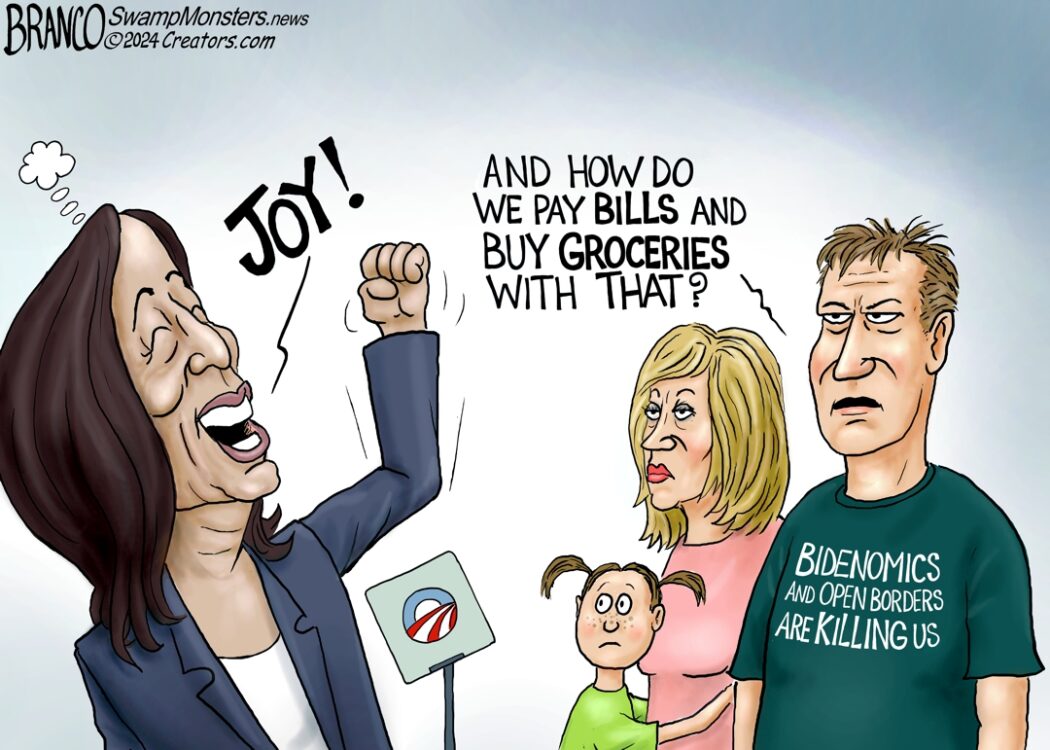
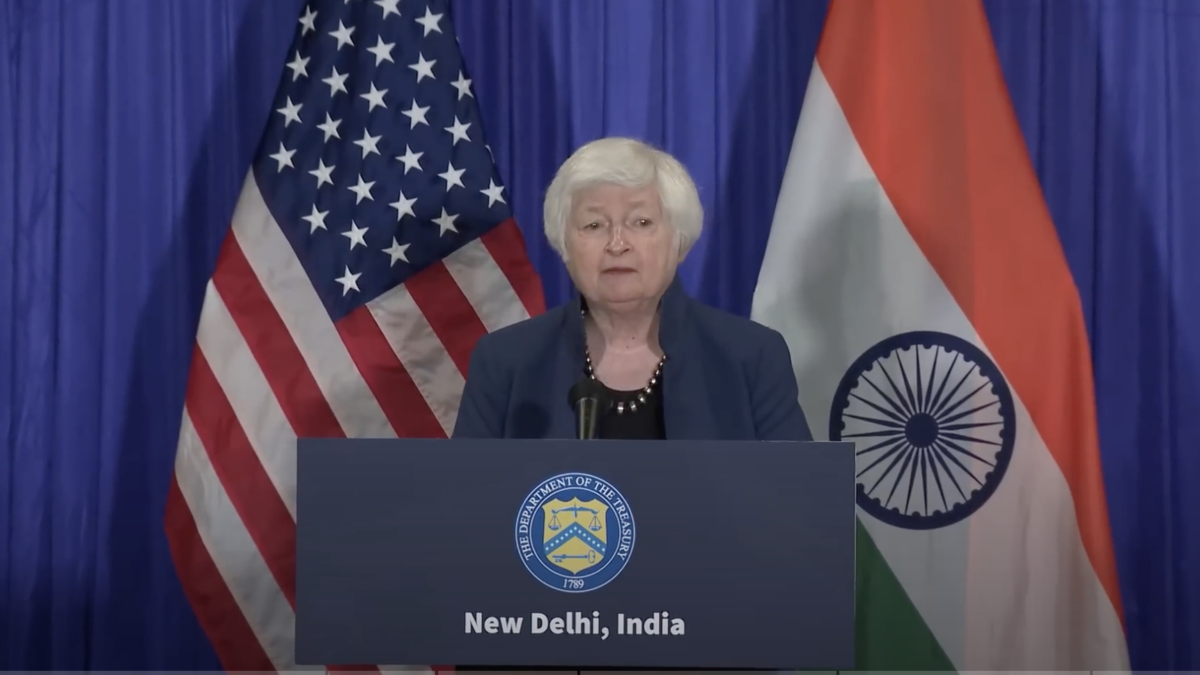

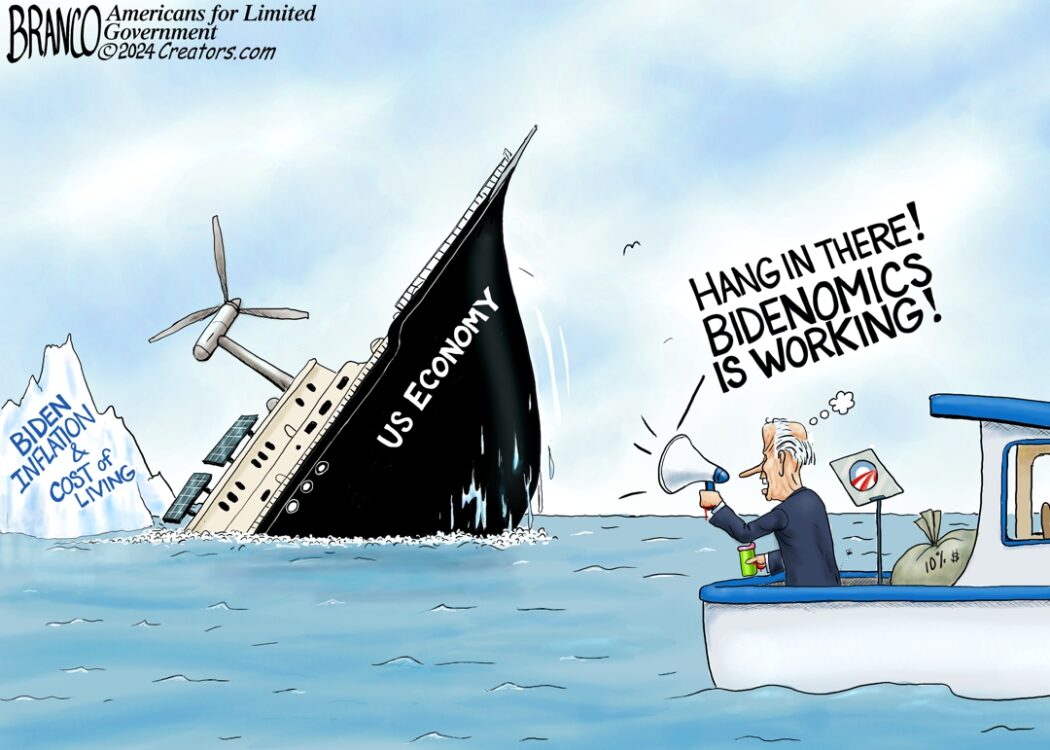

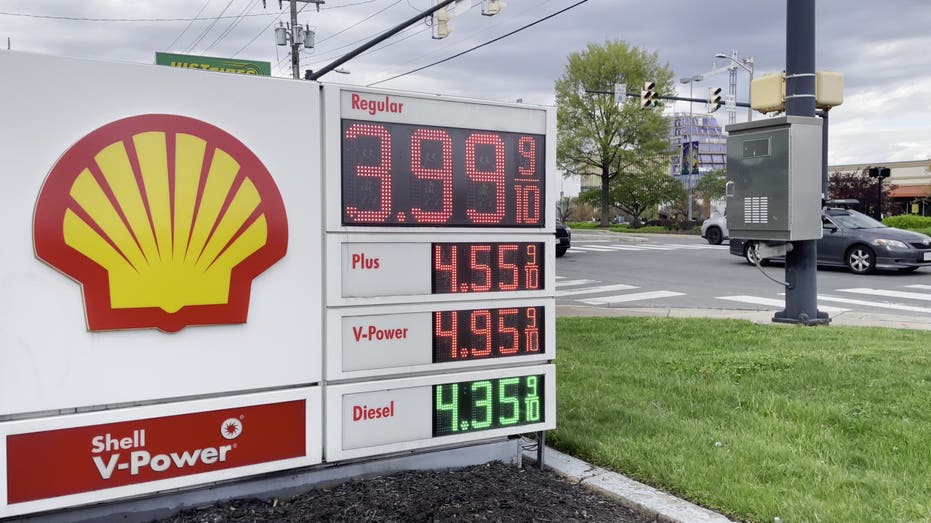




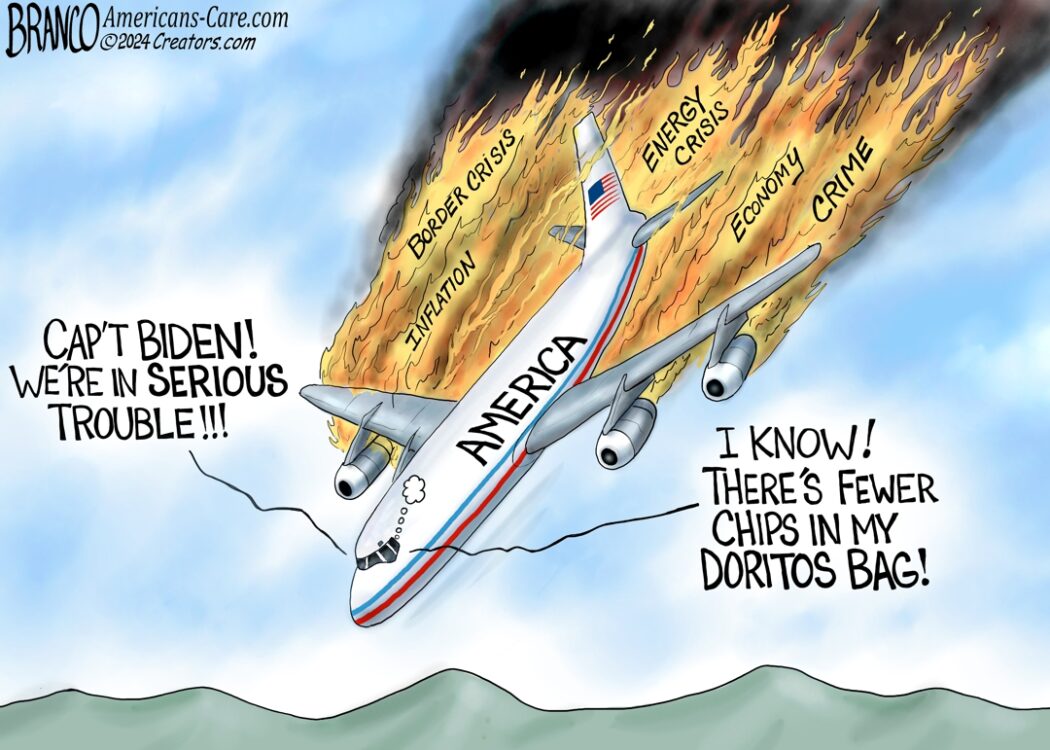
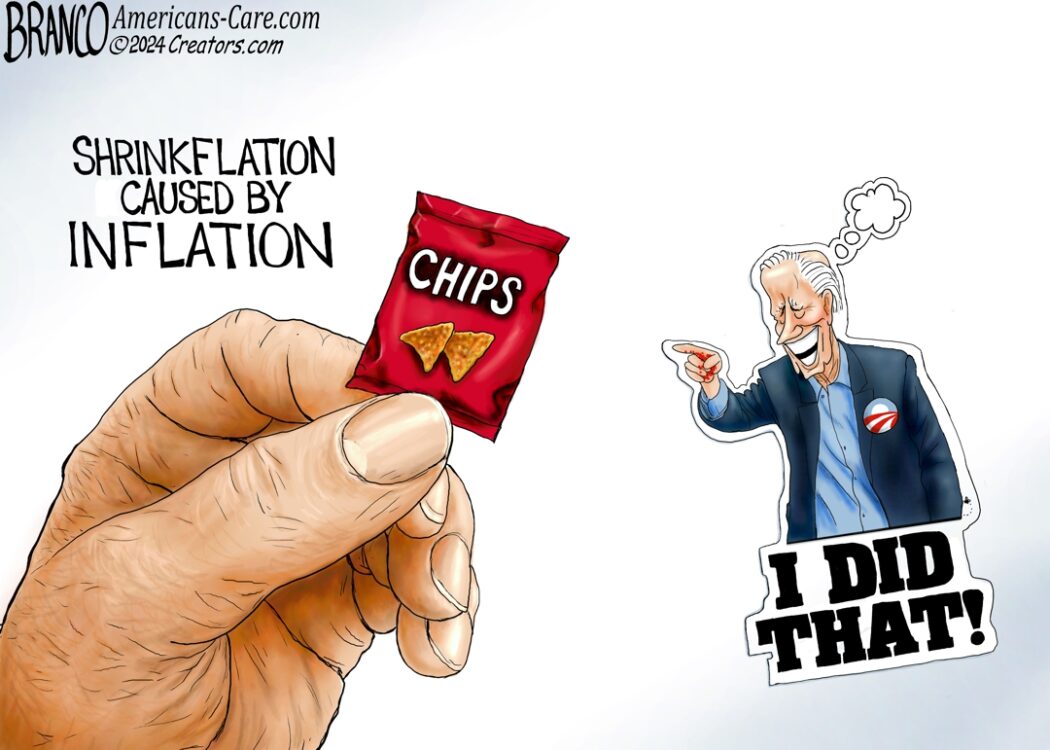







 By
By 
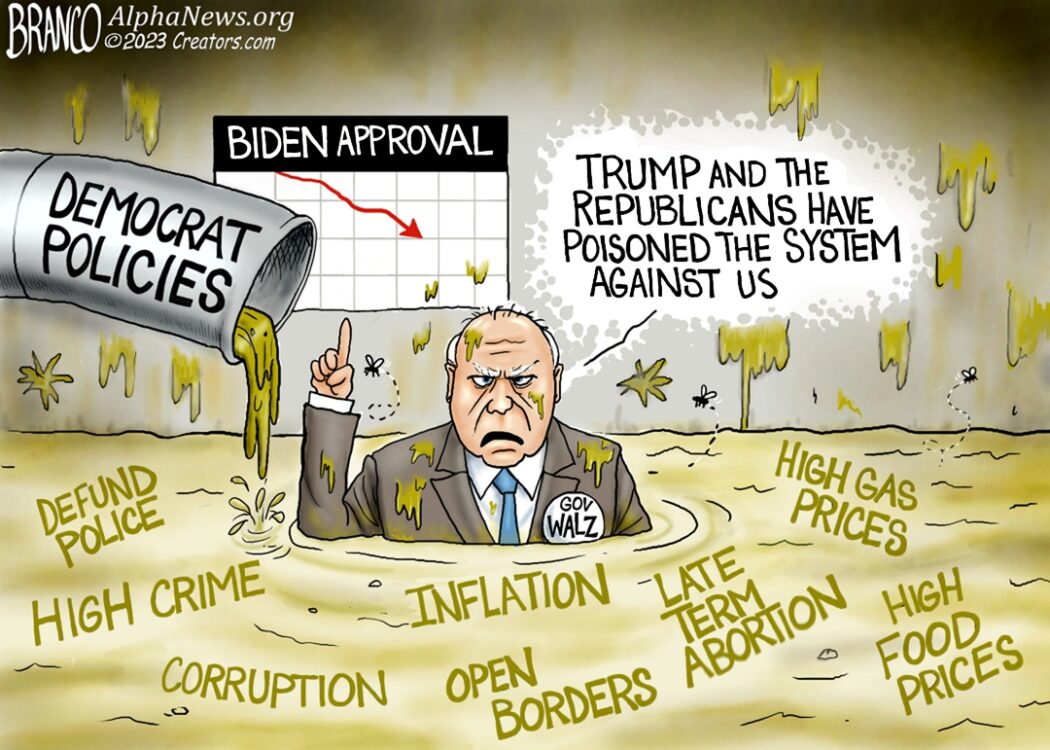
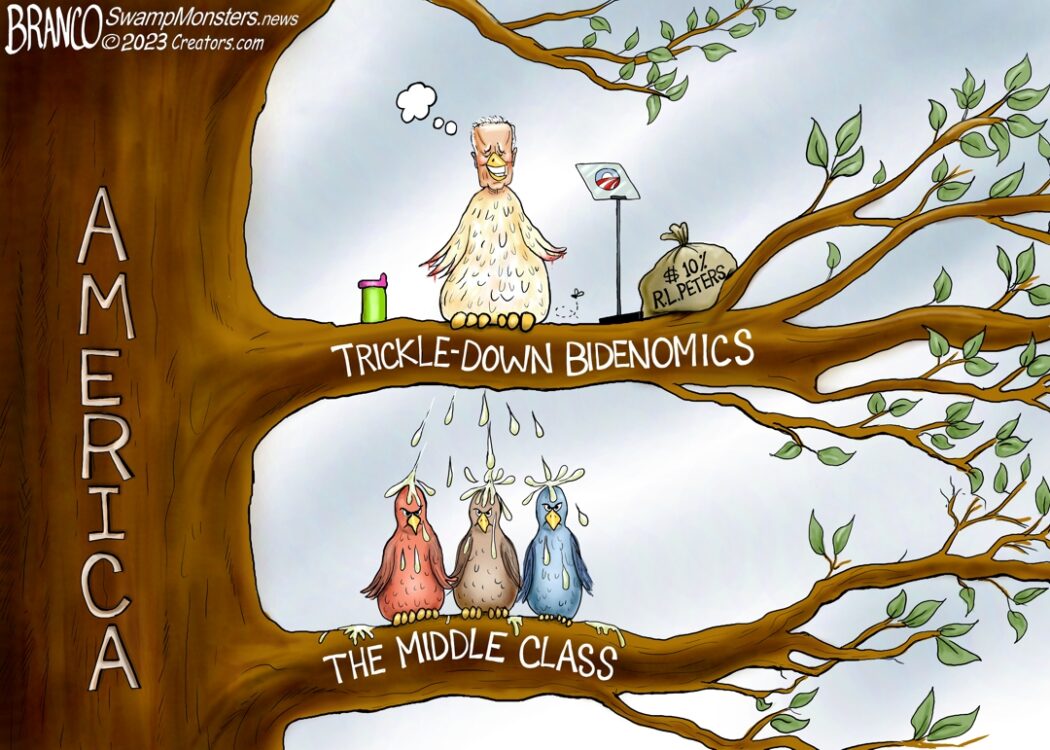



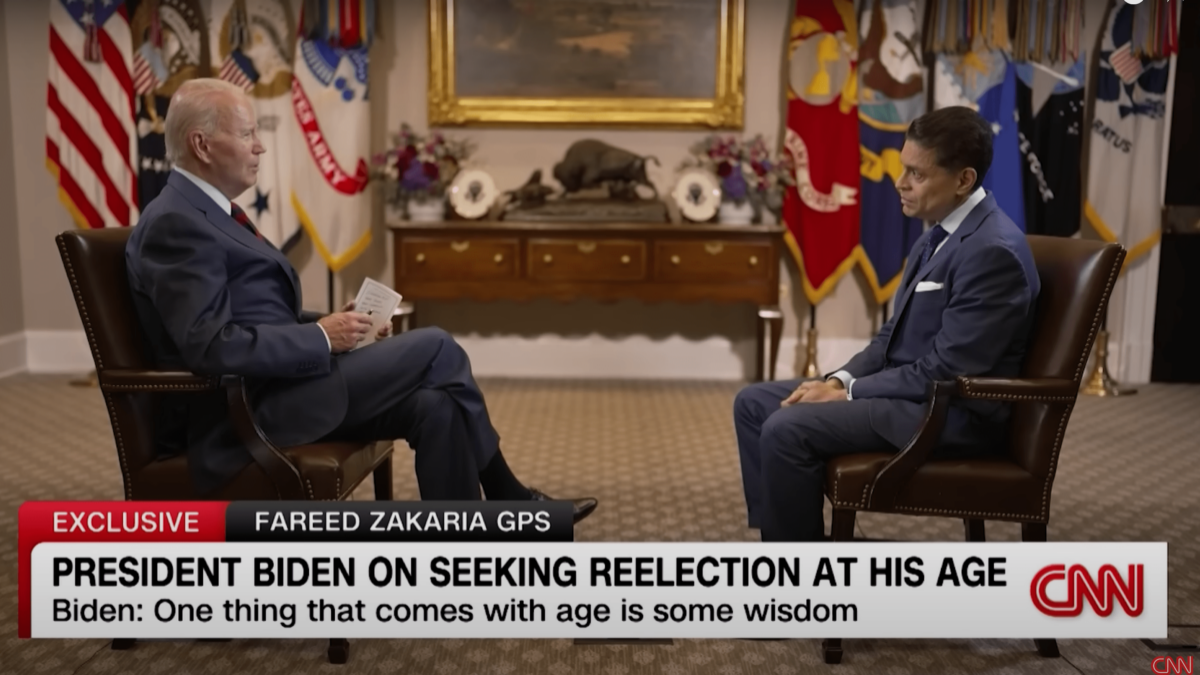

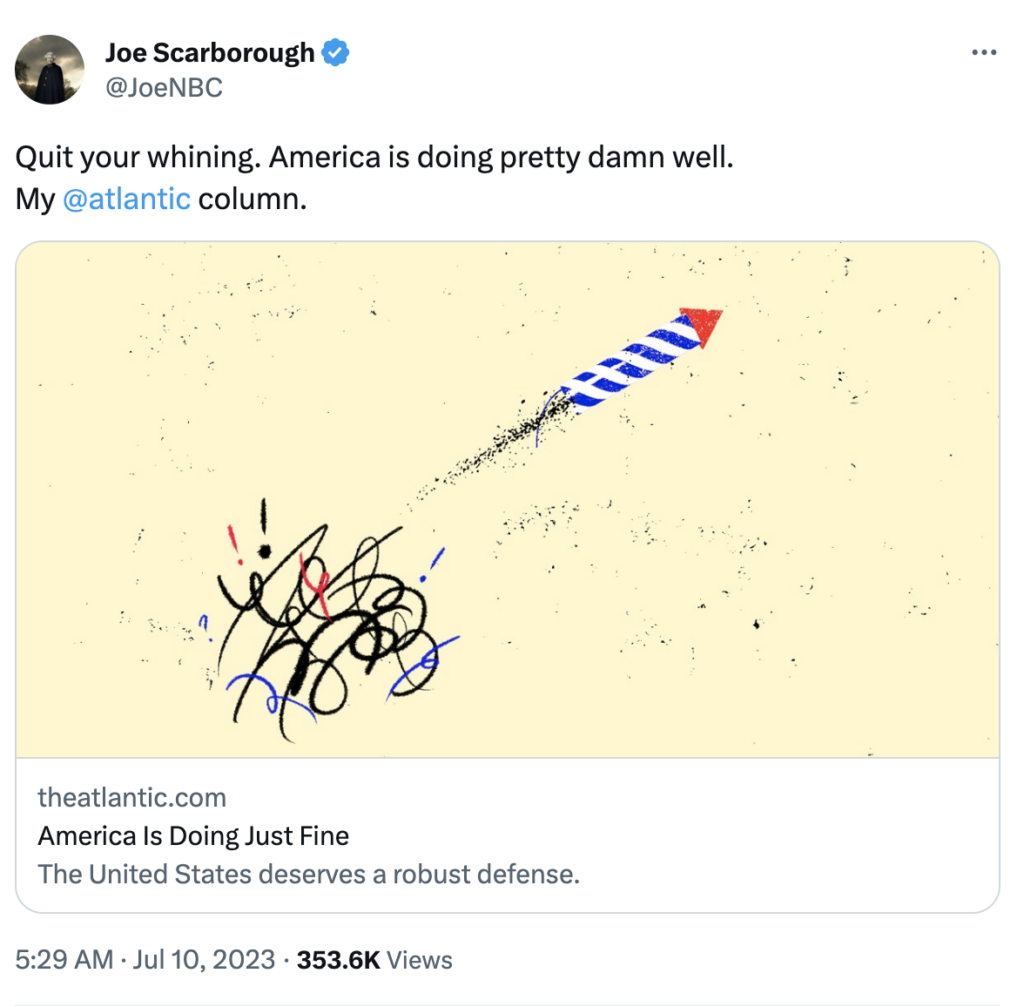




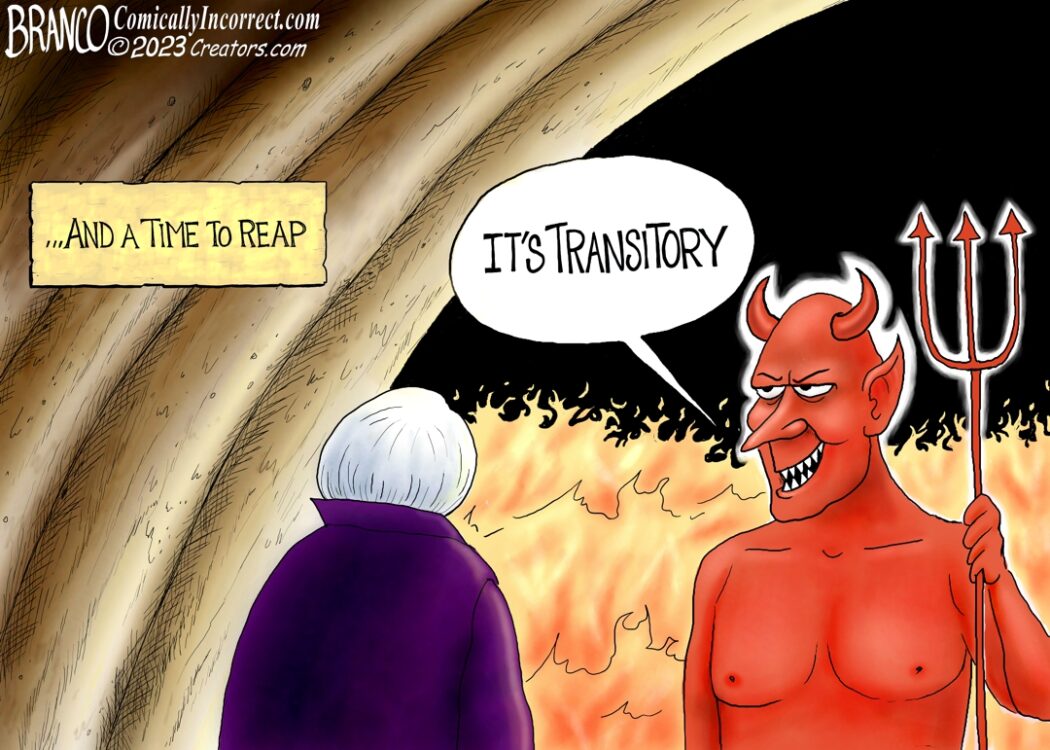

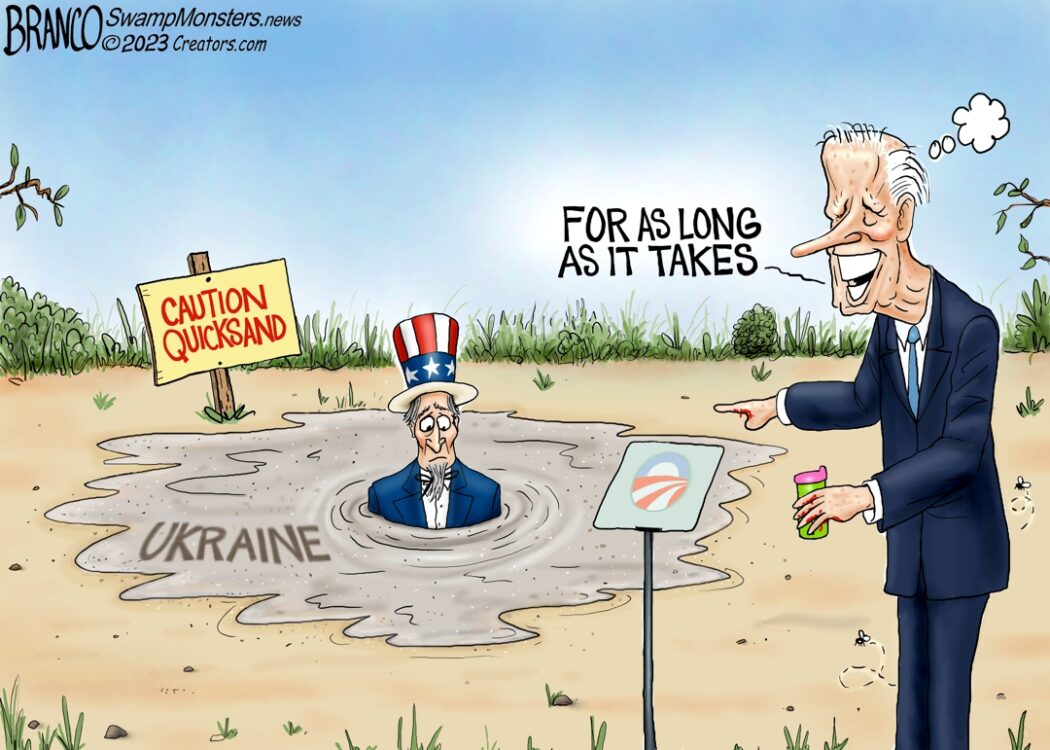
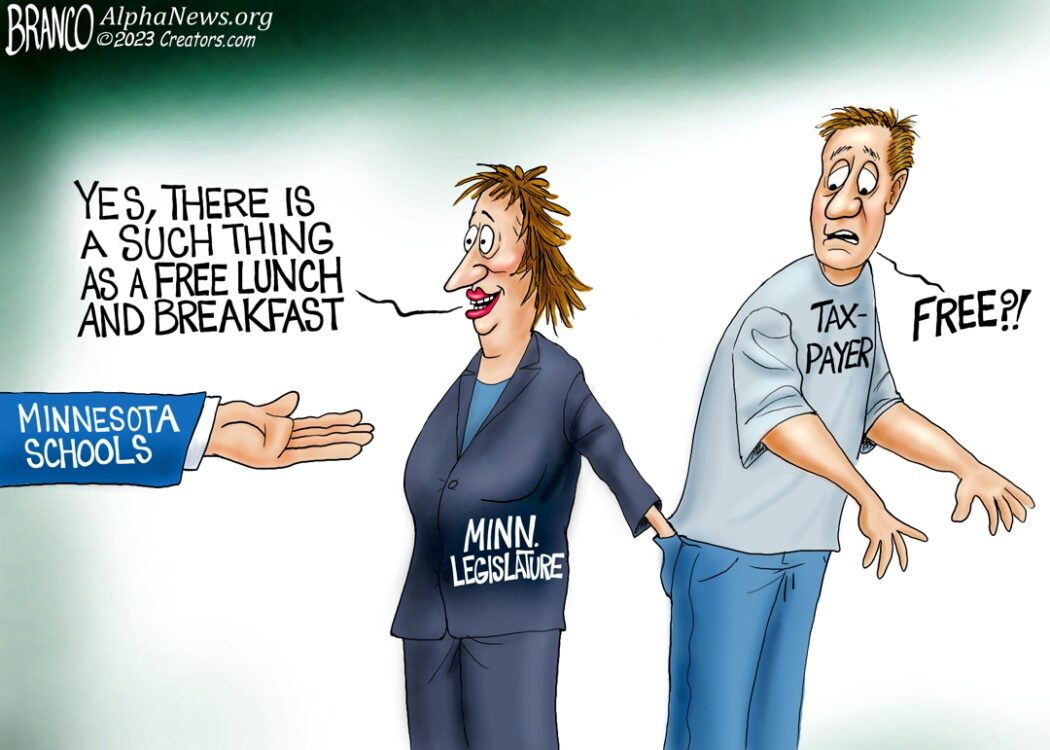
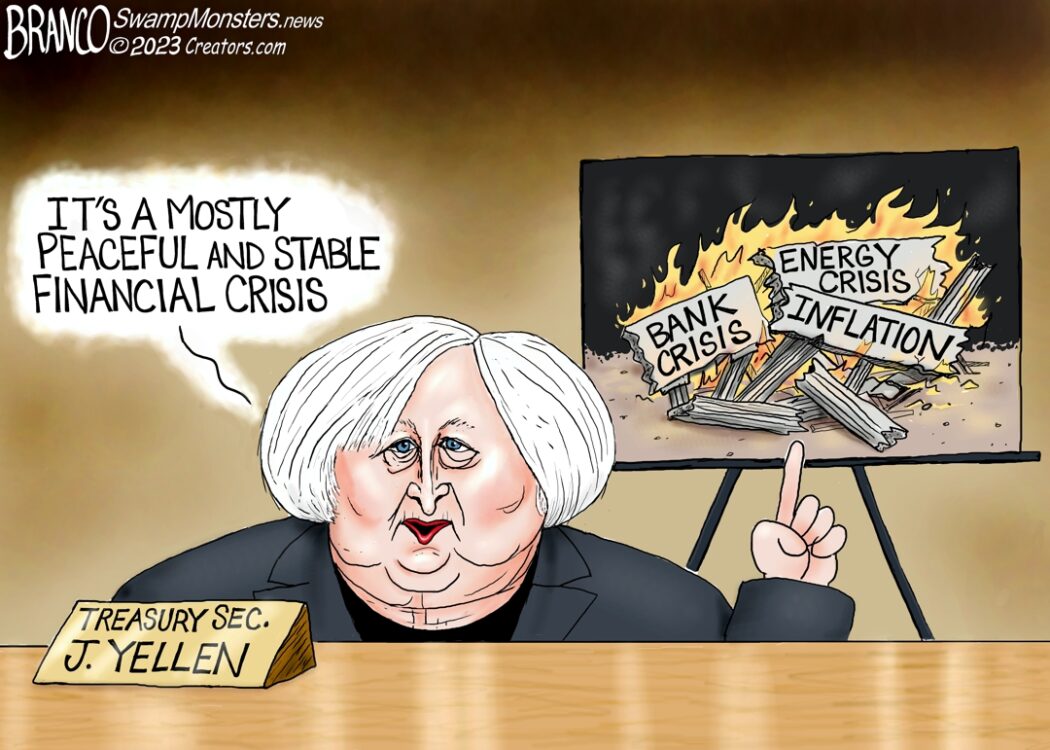

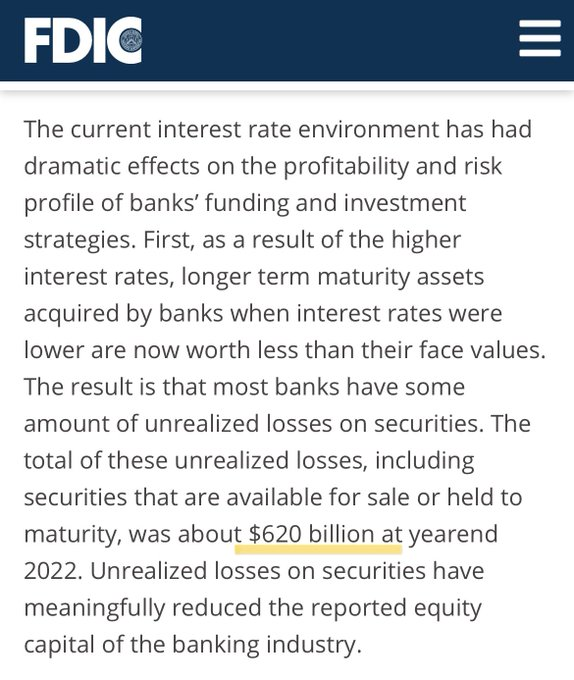
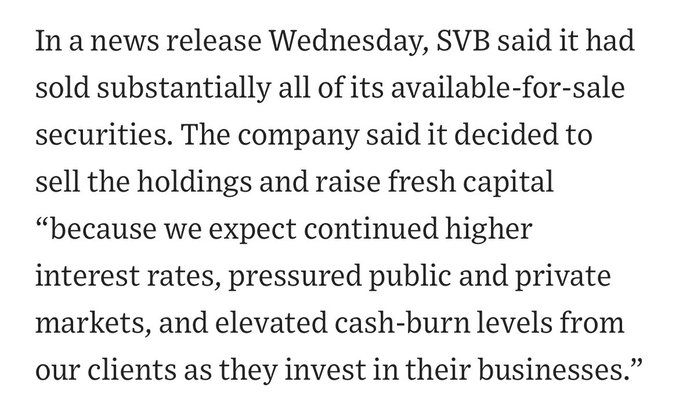
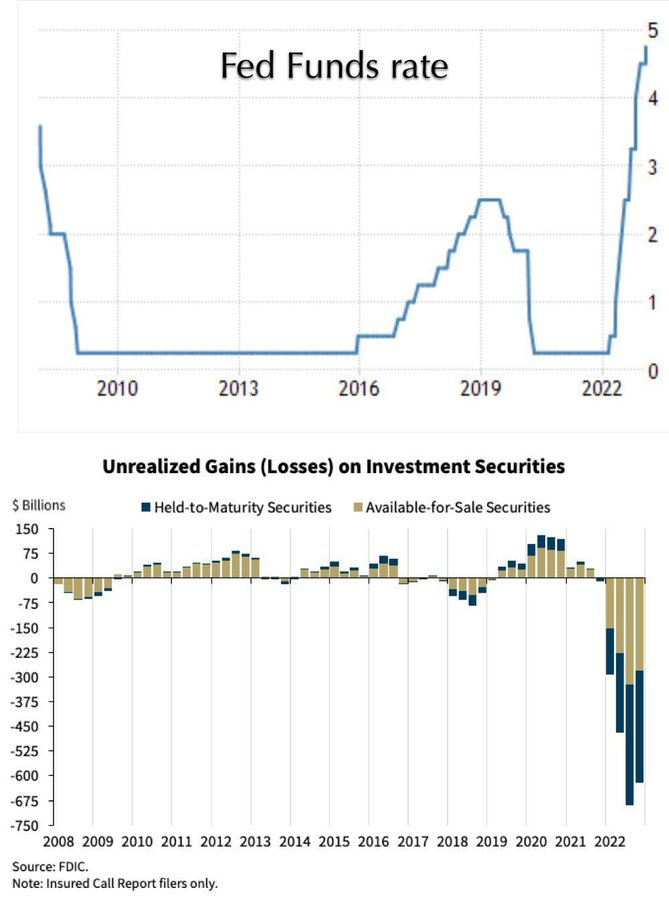

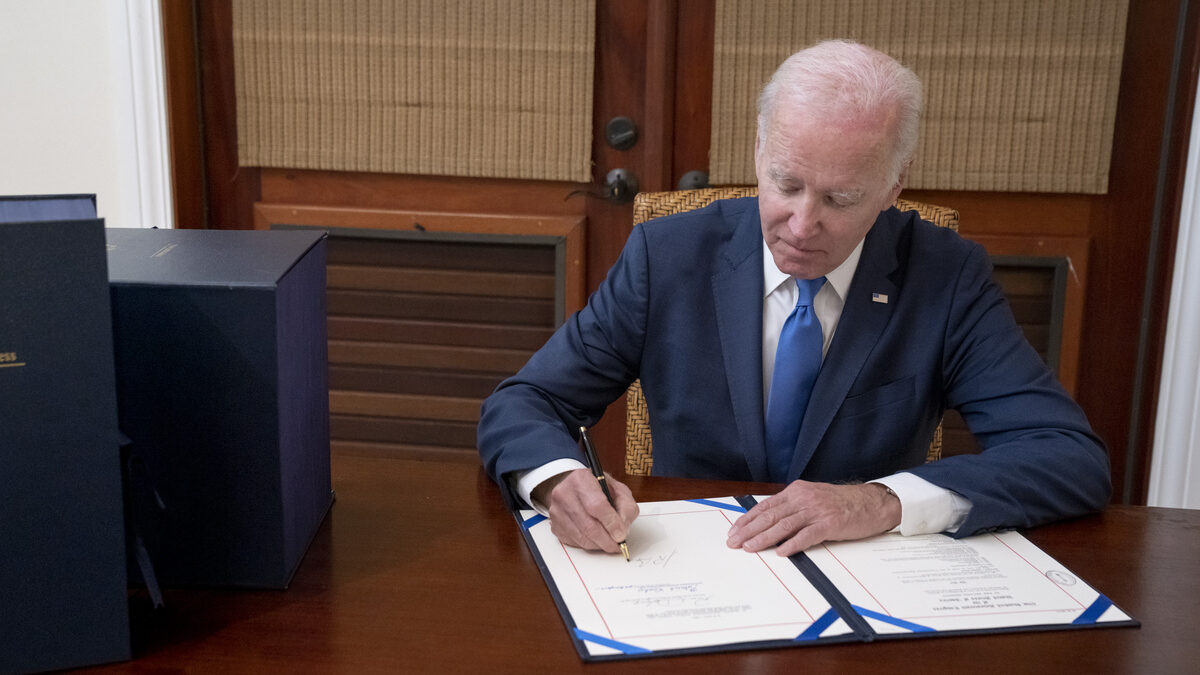


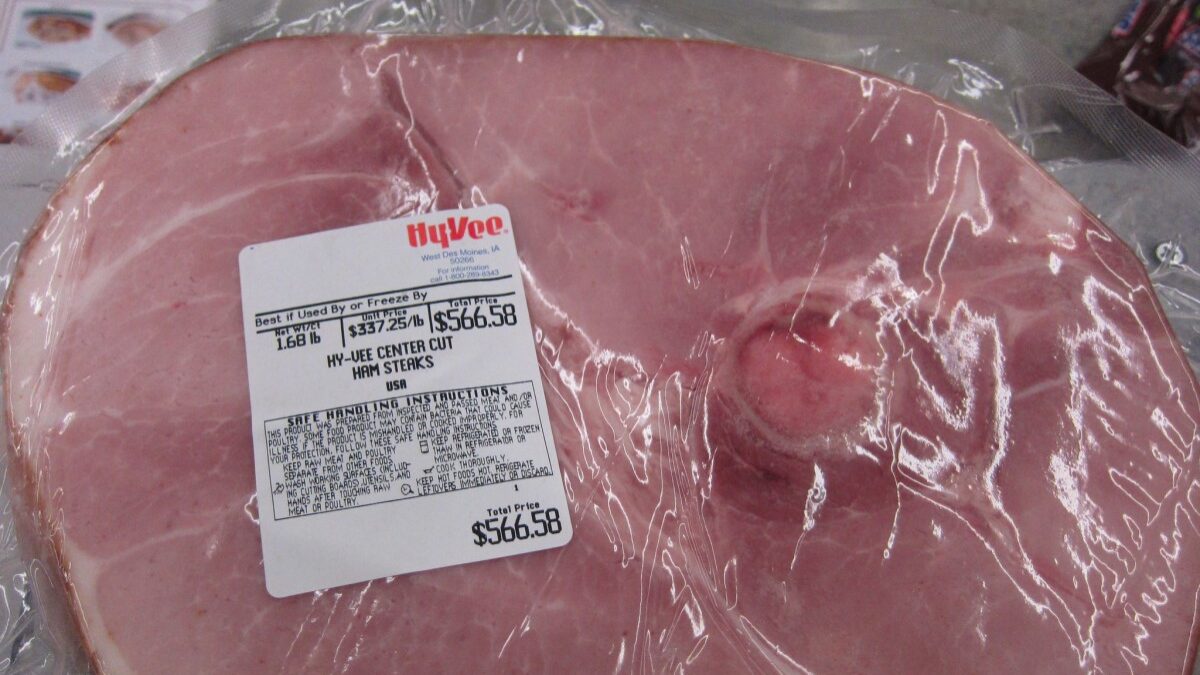




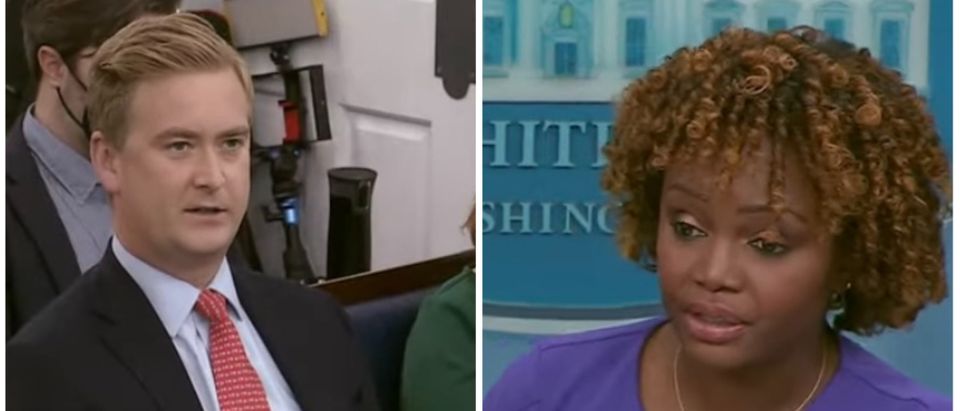



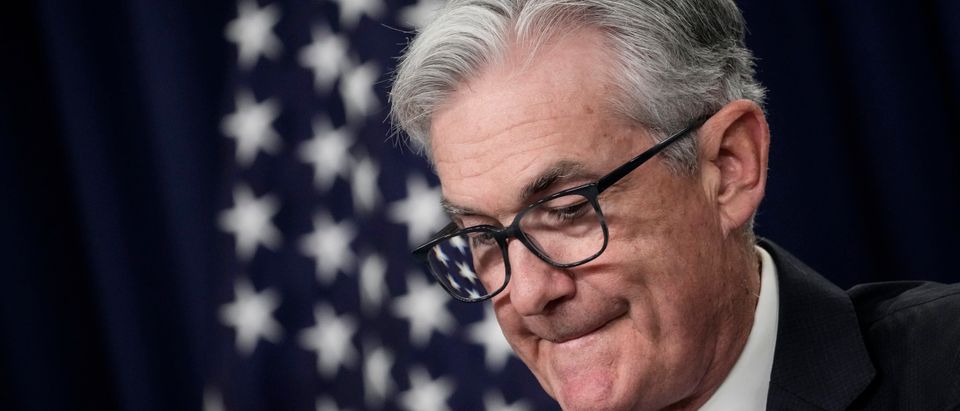
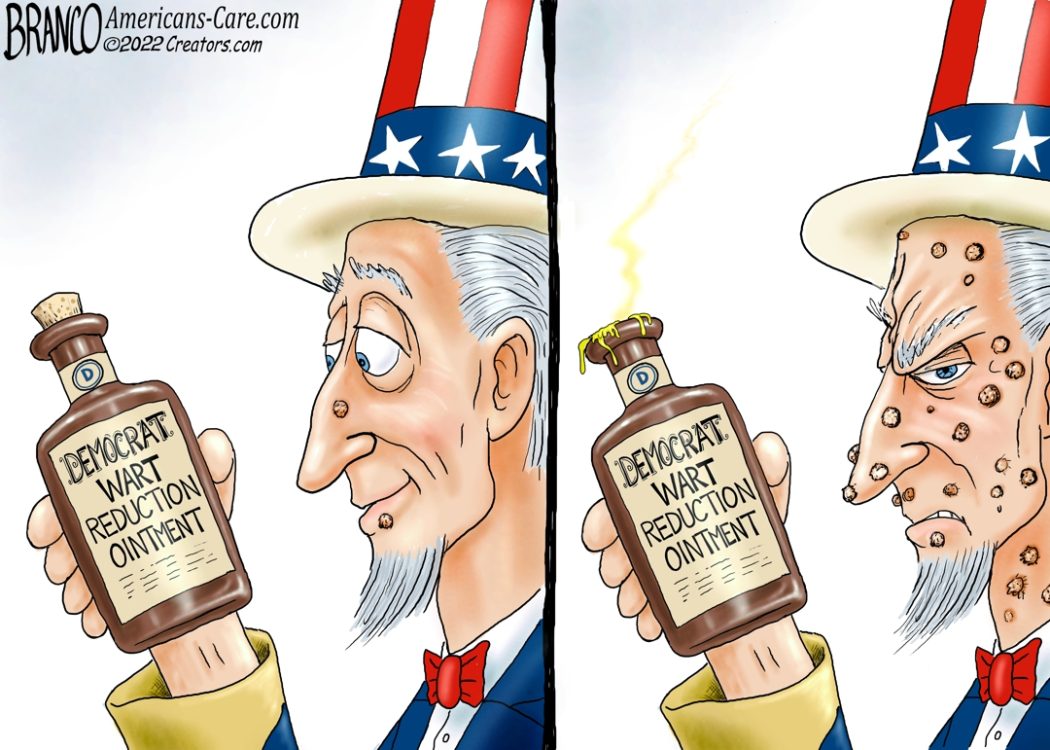
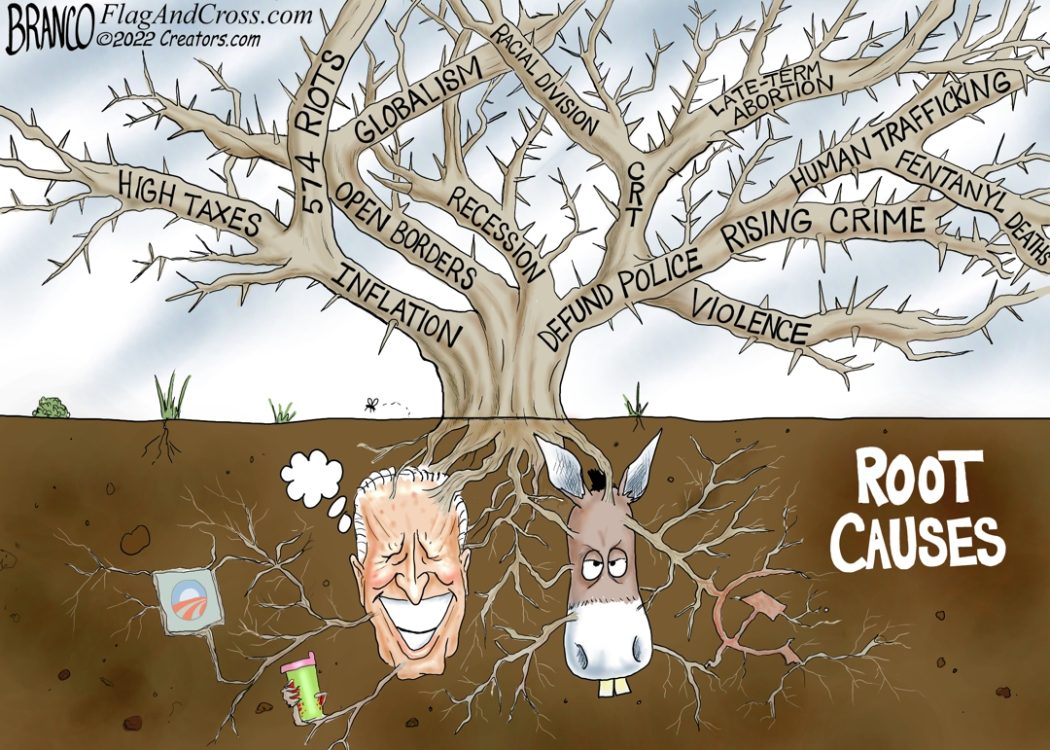


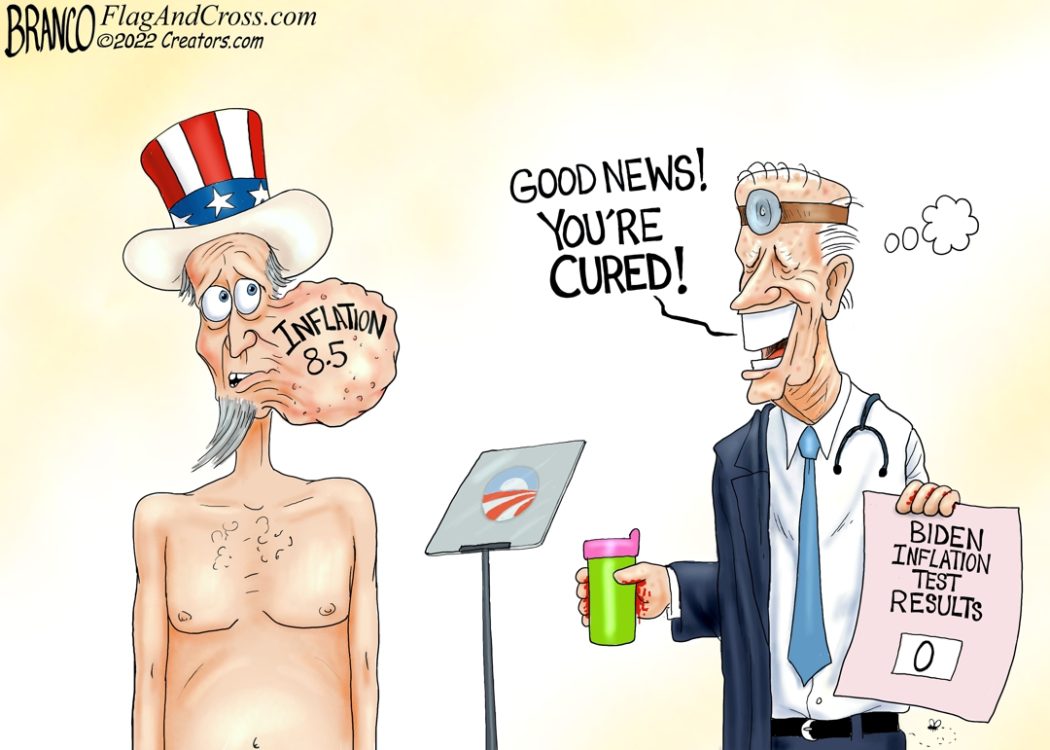
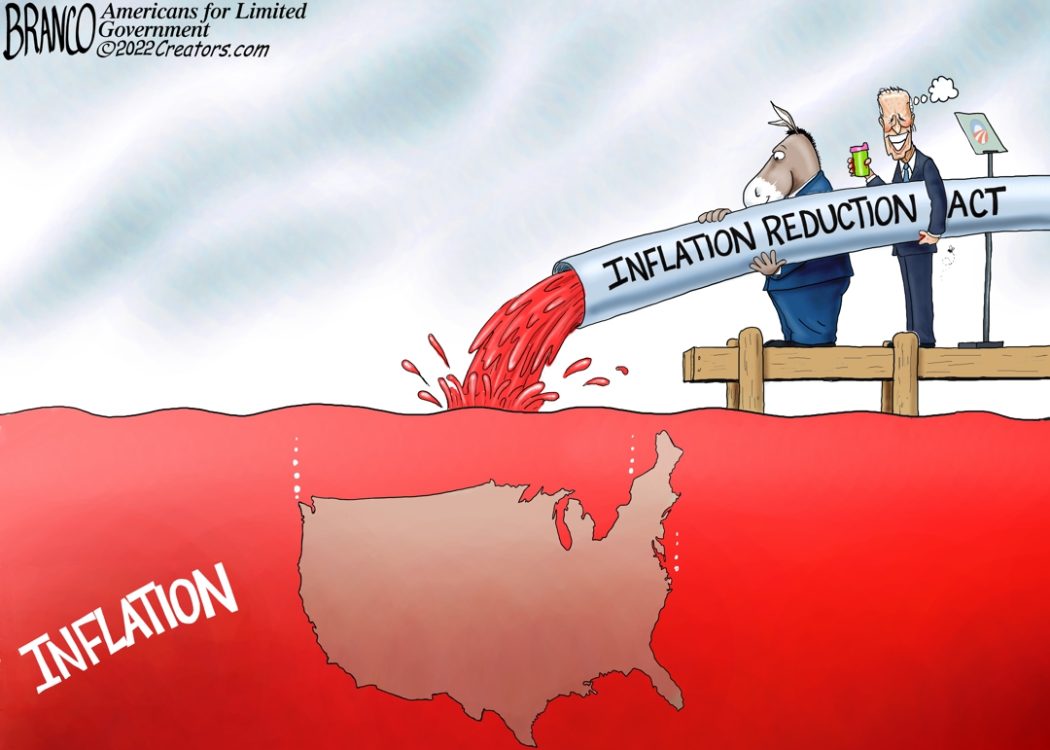
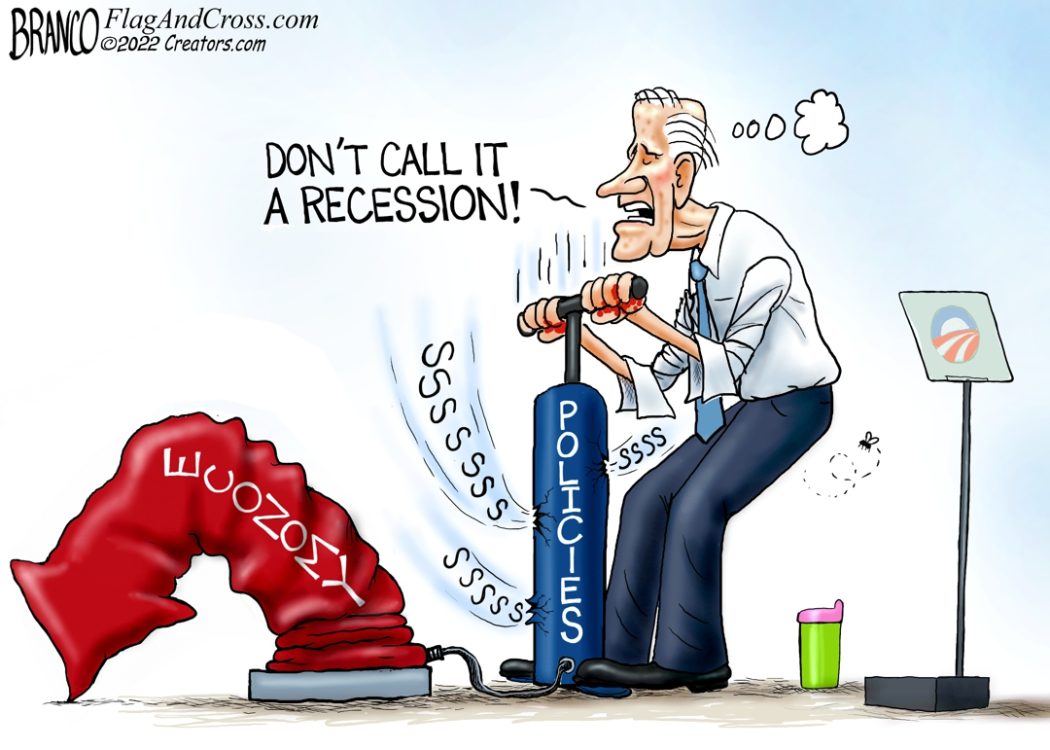

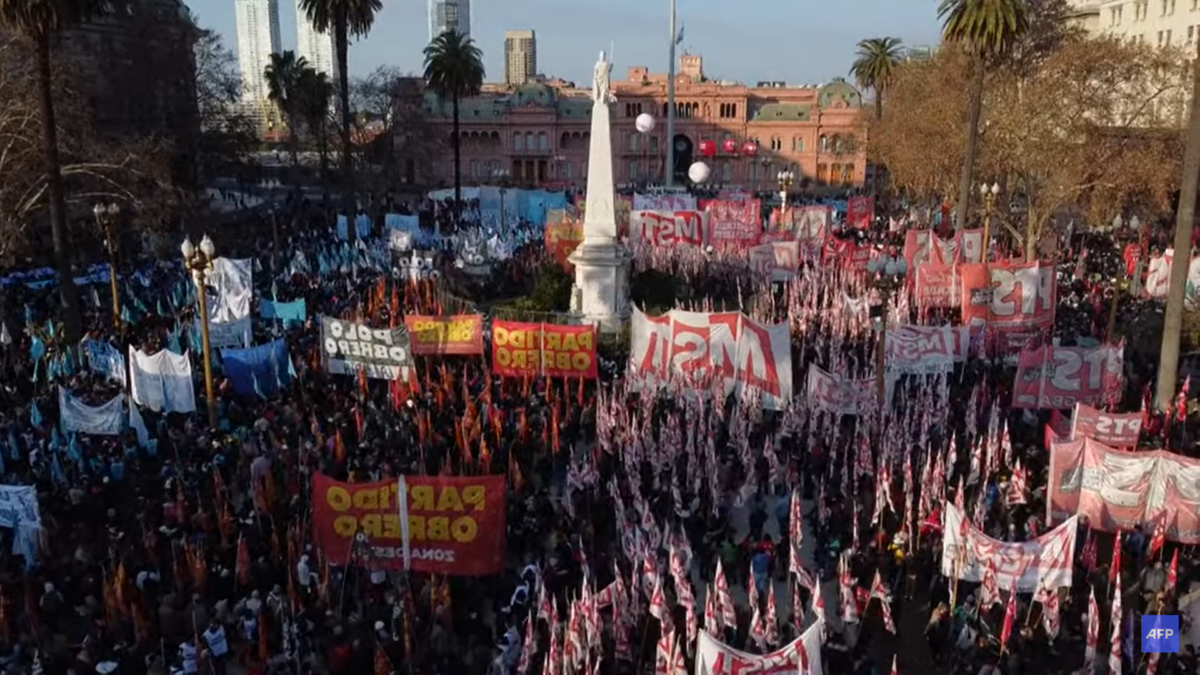

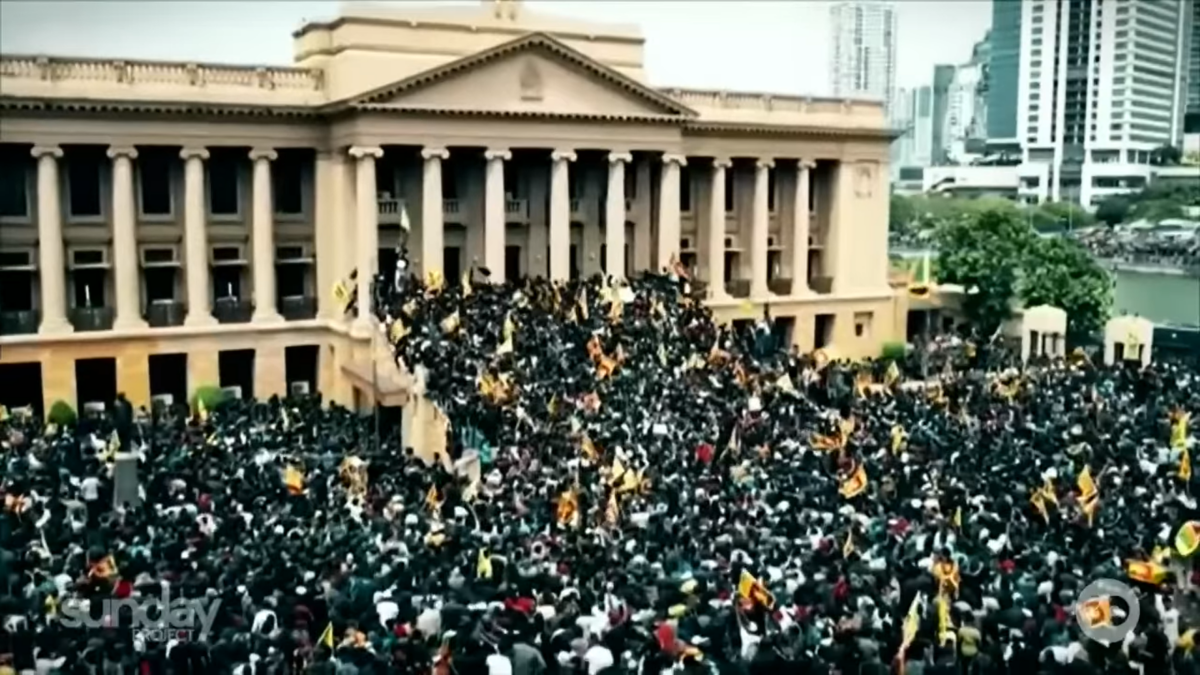

 What Did You Say?
You must be logged in to post a comment.