A.F. Branco Cartoon – The legacy media are gleefully rooting for the economy to fail while ignoring the incredible improvements in Unemployment, Inflation, energy, etc., due to Trump’s policies.
TRUMP ECONOMIC UPDATE: Inflation Drops to 2.3%, Lowest Since 2021, and US Treasury Records Second Biggest Surplus in History Thanks to Trump’s Record Tariff Revenues
By Jim Hoft – The Gateway Pundit – May 13, 2025
On Tuesday, the monthly inflation numbers came in below expectations for the third straight month. The inflation rate for April came in at 2.3%. Grocery items saw their biggest decline in FIVE years! — Gee, what happened between five years ago and now? Gas prices are also down. But that’s not all. On Tuesday, as Zero Hedge reported, we discovered why the US government borrowing need was shockingly lower than previously expected. The latest Treasury Monthly Statement revealed that in April, the US Treasury generated a $258.4 billion surplus after last month’s $160.5 billion deficit; this the second biggest surplus on record, with just the $308 billion bumper surplus in 2021 bigger… READ MORE
A.F. Branco has taken his two greatest passions (art and politics) and translated them into cartoons that have been popular all over the country in various news outlets, including NewsMax, Fox News, MSNBC, CBS, ABC, and “The Washington Post.” He has been recognized by such personalities as Rep. Devin Nunes, Dinesh D’Souza, James Woods, Chris Salcedo, Sarah Palin, Larry Elder, Lars Larson, Rush Limbaugh, Elon Musk, and President Trump.
Texas business leader “Joe from Texas” Penland Sr., who has been asking candidates to sign onto the “Contract from the American People,” a 10-point initiative to fight the spiraling national debt, told Newsmax that he’s endorsing former President Donald Trump, saying his platform to revive the economy closely matches what Americans are demanding.
“If you look at Donald Trump’s platform, what he has, about eight of these 10 [on the contract] are on his 15-point script that he has,” Penland told Newsmax’s National Report Friday.
Still, Penland said he and others working with the initiative didn’t support Trump from day one because two years ago, they didn’t know who would be in the election.
“We held off until we talked to thousands of people to see what they really want,” said Penland, explaining that the contract contains demands that make sense to the American people, and politicians are being asked to sign on and take the pledge to better the country.
Penland told Newsmax that the economy has gotten worse for the “last several presidents.”
He added that when the election started, he got requests for money for campaigns and decided to “take the money that they want” and launch an investigation into what is going on with debt and other problems.
“We hired some people and we put a team together and we started researching, and as you researched it, it got a lot worse than what you hear on the news or reading the paper,” said Penland.
And while on tour around the country, Penland said the group learned that “people are really further into this than what the politicians give us credit.”
“They think that the American people are completely in the dark, that we don’t know what we’re doing,” he said. “Look at all the businesses that this country has. You know, we are the empire of the world as far as business and people all want to come to this country. They all want to start their business here.”
But the United States is “subbing that market out,” he said.
Penland is the founder and chairman of Quality Mat Company, one of the oldest and largest producers of rig, oilfield, and crane mats in the world, and has served on several bank boards over a quarter of a century, and he said he thought it was important to “unmask the American financial situation.”
“This contract is not from me and is not from Dave Walker, who’s the former comptroller general of the United States who helped author it,” he said. “This is from the American people. This is what the American people want. And the politicians need to listen to that.”
The national debt is now at almost $36 trillion, and Penland pointed out that the Congressional Budget Office has projected that the United States will go $2 trillion more in the hole per year for the next 10 years.
“That would be $56 trillion,” he said. “We’ll pay $2 trillion a year in interest. That money should be helping children go to school, should be helping elderly people, should be taking care of our streets and our border.‘
“It took us over 220 years to get to $1 trillion in debt, and now we go $2 trillion every year in debt for the next 10 years,” he said. “I think it’s unacceptable. And I take offense to it.”
About NEWSMAX TV:
NEWSMAX is the fastest-growing cable news channel in America!
Find Newsmax channel in your home via cable and satellite systems – More Info Here
Watch Newsmax+ on your home TV app or smartphone and watch it anywhere! Try it for FREE – See More Here: NewsmaxPlus.com
A.F. Branco Cartoon – The media and the Kamala campaign are trying to present themselves as the party of joy while America is burning with high prices across the board, crime, open borders, and oppressing free speech.
It’s looking more like a third-world country than something to be joyful about.
By Jim Hoft – The Gateway Pundit – August 18, 2024
Kamala Harris and the obedient media are attempting to push a platform of “joy.” Guess who else had a propaganda campaign of joy? Adolf Hitler. After the Nazi rise to power in 1933, the new regime immediately began efforts to bring German society completely under Nazi control in a process known as Gleichschaltung (German for “coordination” or “synchronization”). All political parties and trade unions were outlawed except for the Nazi Party and the Nazi German Labor Front (Deutsches Arbeitsfront). The German Labor Front started the “Strength through Joy” program (“Kraft durch Freude”) in November 1933 to improve “Aryan” workers’ quality of life and build popular support for the Nazi regime. Nazi leaders hoped that the athletic and cultural programs of “Strength through Joy” would improve the health and productivity of the German workforce while easing class tensions within the so-called “national community” (“Volksgemeinschaft”). READ MORE…
A.F. Branco has taken his two greatest passions (art and politics) and translated them into cartoons that have been popular all over the country in various news outlets, including NewsMax, Fox News, MSNBC, CBS, ABC, and “The Washington Post.” He has been recognized by such personalities as Rep. Devin Nunes, Dinesh D’Souza, James Woods, Chris Salcedo, Sarah Palin, Larry Elder, Lars Larson, Rush Limbaugh, and President Trump.
Vice President Kamala Harris speaks at a campaign rally at the Fiserv Forum on Aug. 20, 2024, in Milwaukee, Wisconsin. (Anna Moneymaker via Getty Images)
Michael Barone is a senior political analyst for the Washington Examiner, resident fellow at the American Enterprise Institute and longtime co-author of The Almanac of American Politics.
Learning isn’t necessarily cumulative. Human experience over the centuries provides lessons, some clearer than others. But each generation has to learn lessons anew, and some do not. The lessons about economic growth taught over the long run of history are clear. Growth is not inevitable, and while riches may be accumulated, or appropriated, by the few in high positions, the lives of the very large majority throughout the centuries have been nasty, brutish, and short.
The exception, the Great Enrichment, began some three centuries ago around the North Sea in the Dutch Republic and in England, according to economic historian Deirdre McCloskey, in societies when people began respecting and encouraging commerce rather than resenting and scorning it. They discovered that when people exchanged goods and services in free markets, with property rights secured by limited government and the rule of law, economies could grow in ways that improved the lives of not just the few but the many. Suddenly, and not just for a moment, the great masses of people went from living on $3 a day, just barely subsistence—and in times of famine or war, not even that—to $130 a day.
The 20th century proved full of lessons for how to produce extended and widely distributed economic growth—and how to squelch it. Growth occurs when free markets are allowed to operate in societies with high levels of trust and the rule of law. It ceases, and living standards plummet, in societies where governments flood the economy with currency, try to control wages and prices, impose centralized economic planning, and outlaw voluntary market transactions.
Governments sometimes impose such measures temporarily in wartime, with various results depending on the course of the war. In peacetime, the results are destructive—in Weimar Germany, the Soviet Union, Mao Zedong’s China, and, most recently, oil-rich Venezuela. And, perhaps, in Kamala Harris’ America. Since President Joe Biden ended his candidacy for reelection four weeks ago, the vice president has said remarkably little about what policies she would pursue as president. Her website has had no issues section. She has taken almost no questions and has undergone nothing like an intensive interview from the press—most members of which, in their enthusiasm for her candidacy, have shown no discomfort at her neglect.
Only last Friday did she begin talking issues, announcing “the first-ever federal ban on price gouging”—she read the word as “gauging”—on food and groceries. Presumably, this was an attempt to address an obvious vulnerability for any candidate with a Biden-Harris pedigree, the fact that administration policy, by showering money on consumers already flooded with lockdown-accumulated cash, stoked inflation that no voter under 60 had experienced as an adult.
But of course, this made no sense. The grocery business is highly competitive, with low profit margins. If one firm “gouges” consumers too much, they can go elsewhere. “It’s hard to exaggerate how bad this policy is,” wrote The Washington Post’s Catherine Rampell. “At best, this would lead to shortages, black markets, and hoarding.”
Rampell has since taken a different view after Harris’ actual speech backpedaled from her campaign’s fact sheet, but her initial take remains persuasive and in line with historic experience, including with the price controls imposed by former President Richard Nixon 53 years ago this month.
Similarly, economically illiterate is Harris’ proposal to give first-time homebuyers a $25,000 government subsidy. Just as colleges and universities have vacuumed up government-subsidized college loans for their own purposes, so obviously developers and home sellers are going to raise their asking prices by $25,000 and pocket the subsidy.
As Jason Furman, head of former President Barack Obama’s second-term Council of Economic Advisers, said of the price gouging announcement, “This is not sensible policy, and I think the biggest hope is that it ends up being a lot of rhetoric and no reality.”
Is it fair to argue that Harris has learned nothing from the dismal history of price controls on the basis of just one proposal? Yes, if it’s just the only thing she has proposed in a whole month as the de facto and de jure Democratic nominee for president. And yes, as she has never personally renounced the similarly outlandish promises she made in 2019 in her campaign for the 2020 nomination—a ban on fracking, defunding the police, abolishing private health insurance, “snatching” drug company patents. Tweets from anonymous staffers ditching these policies don’t count.
The delicious irony here is that the party favored by college graduates, many of them smugly confident of their knowledge and wisdom, is nominating a candidate who has shown no sign of learning from the dismal history of economic ukases.
Immigration is at center stage as the Republican National Convention resumes Tuesday, with speakers spotlighting a key issue for former President Donald Trump that helped endear him to the GOP base when he began his first campaign in 2015. Meanwhile, Trump and JD Vance. his choice for running mate, are scheduled to appear in the convention hall every night this week, according to two people familiar with the schedule who were not authorized to speak publicly. The nominee and his newly minted running mate sat together Monday night in what was Trump’s first public appearance following the assassination attempt at a rally in Pennsylvania.
Vance is expected to give his own speech Wednesday night, with Trump to headline Thursday night’s closing evening. One of Trump’s top GOP primary rivals will take the stage Tuesday night, the latest signal the party is solidifying its fight to take President Joe Biden on in November.
Former South Carolina Gov. Nikki Haley will speak in primetime Tuesday night. A senior Trump campaign adviser says that fact shows that Republicans have mended any fences in need of repair following the bruising primary season.
Two days after surviving an attempted assassination, Trump appeared triumphantly at the convention’s opening night Monday with a bandage over his right ear, the latest compelling scene in a presidential campaign already defined by dramatic turns. GOP delegates cheered wildly when Trump appeared onscreen backstage and then emerged in the arena, visibly emotional, as musician Lee Greenwood sang “God Bless the USA.” That was hours after the convention had formally nominated the former president to head the Republican ticket in November against Biden.
Trump, accompanied by a wall of Secret Service agents Monday night, did not address the hall — his acceptance speech is scheduled for Thursday — but smiled silently and occasionally waved as Greenwood sang. He eventually joined his newly announced running mate to listen to the night’s remaining speeches.
The raucous welcome underscored the depth of the crowd’s affection for the man who won the 2016 nomination as an outsider, at odds with the party establishment, but has vanquished all Republican rivals, silenced most conservative critics, and now commands loyalty up and down the party ranks.
“We must unite as a party, and we must unite as a nation,” said Republican Party Chairman Michael Whatley, Trump’s handpicked party leader, as he opened Monday’s prime-time national convention session. “We must show the same strength and resilience as President Trump and lead this nation to a greater future.”
But Whatley and other Republican leaders made clear that their calls for harmony did not extend to Biden and Democrats, who find themselves still riven by worries that the 81-year-old is not up to the job of defeating Trump.
“Their policies are a clear and present danger to America, to our institutions, our values and our people,” said Wisconsin Sen. Ron Johnson, welcoming the party to his battleground state, which Trump won in 2016 but lost to Biden four years ago.
Pennsylvania delegate John Fredericks had a simple recommendation for Tuesday’s immigration speakers, “Close the border. If you’re here illegally, get them out – now. That’s all I’m interested in. Get them out.”
Trump’s campaign chiefs designed the convention to feature a softer and more optimistic message, focusing on themes that would help a divisive leader expand his appeal among moderate voters and people of color.
In her first public appearance of the convention Tuesday morning, RNC co-chair Lara Trump encouraged more than 200 Pennsylvania delegates and guests to vote early. The guidance signaled a flip the party has made for this election, after the former president previously cast doubt on early and absentee ballots and urged same-day, in-person voting.
On Monday, a night devoted to the economy, delegates and a national TV audience heard from speakers the Trump campaign pitched as “everyday Americans” — a single mother talking about inflation, a union member who identified himself as a lifelong Democrat now backing Trump, a small business owner, among others.
Featured speakers also included Black Republicans who have been at the forefront of the Trump campaign’s effort to win more votes from a core Democratic constituency.
U.S. Rep. Wesley Hunt of Texas said rising grocery and energy prices were hurting Americans’ wallets.
“We can fix this disaster,” Hunt said, by electing Trump and sending him “right back to where he belongs, the White House.”
Copyright 2024 The Associated Press. All rights reserved. This material may not be published, broadcast, rewritten or redistributed without permission.
President Joe Biden announced an executive order (EO) Tuesday that awards amnesty to illegal immigrants married to U.S. citizens. And while he dubbed his overreach as keeping “families together,” it is nothing more than another step in Democrats’ plan to expand their future electorate.
The EO makes it easier for illegal immigrants who married U.S. citizens — and their children — to apply for lawful permanent residence status without leaving the country, and after that, U.S. citizenship. An approximate 500,000 illegal immigrants who married a U.S. citizen will benefit from this order along with 50,000 children, according to the White House.
Without providing any explanation as to how, Biden claims this will “strengthen” the U.S. economy. Notably, recent data from the Bureau of Labor Statistics (BLS) shows foreign-born workers gained 637,000 jobs year-over-year while native-born workers lost roughly 299,000. The BLS acknowledges foreign-born workers likely include illegal immigrants. As economist E.J. Antoni recently explained to The Federalist, the drain illegal migrants place on the economy offsets their production value.
By federal law, “non-citizens, including permanent legal residents,” are not allowed to “vote in federal, state, and most local elections,” according to USA.gov. But lawful permanent residents are “eligible to become a U.S. citizen after five years of becoming a lawful permanent resident, or three years if you are married to a U.S. citizen,” according to U.S. Customs and Border Protection.
Unless there are specific carveouts in Biden’s executive order prohibiting individuals who came into this country illegally before receiving amnesty from registering to vote, then Biden just gifted Democrats with hundreds of thousands of potential future voters.
Former President Donald Trump warned that under Biden’s election-year order, “a deluge of illegals will be given immediate green cards and put on the fast track to rapid citizenship so they can vote.”
“Couple this with [Biden’s] previous voter registration EO and it is clear that Biden is attempting to win the upcoming election, not by winning over legitimate American voters, but by attempting to legitimize illegal immigrants,” said Alabama Secretary of State Wes Allen. “He won’t stop with this EO. He will keep attempting to dilute the power of the vote of legal Americans.”
Of course, Biden and Democrats, as my colleague Shawn Fleetwood explained, “want Americans to believe they aren’t interested in handing out U.S. citizenship and voting rights to foreign nationals like it’s candy on Halloween.” Yet their actions, including this EO, suggest otherwise.
In fact, Biden’s EO sends the same message that a trio of Democratic witnesses sent during a Senate Judiciary Hearing in March. Not a single Democrat witness could resolutely say they believe only citizens should be able to vote in a federal election. And it’s the same message being sent by Democrats nationwide who oppose legislation to ensure only citizens vote in federal elections. As of right now, anyone registering to vote in federal elections must simply check a box affirming he is a U.S. citizen. Individuals — legal or not — can simply lie on their registration forms. In other words, our elections hinge on the honor system. It’s a loophole Republicans are working to close via the Safeguarding American Voter Eligibility (SAVE) Act, which would amend current law to require documentary proof of citizenship to register to vote.
Democrats have insisted the SAVE Act is unreasonable and unnecessary since, according to federal law, it’s illegal to vote in an election if you’re not a U.S. citizen. It’s also illegal to bum-rush border agents and break into the country.
Only one state, Arizona, requires voters to provide documentary proof of citizenship to register to vote in state elections. As a result of the federal government’s attempt to weaken Arizona’s proof-of-citizenship law, individuals who cannot prove their citizenship can register as federal-only voters.
During the 2020 election in Arizona, 11,600 voters voted using a federal-only ballot, according to AZ Free News. Biden won that state by 10,457 votes.
Brianna Lyman is an elections correspondent at The Federalist.
Bidenomics, with its high inflation and high cost of living, is wreaking havoc on the U.S. economy. Though the left continues to gaslight and cook the books in their favor, Americans can feel this economic disaster.
POLL: Biden Trails Trump in Six Swing States – 70% Say Economy is on the “Wrong Track”
BY JORDAN CONRADSON – APRIL 26, 2024
According to a recent poll, President Trump currently holds a lead in six of the seven key swing states that are expected to determine the 2024 Presidential Election.
A.F. Branco has taken his two greatest passions (art and politics) and translated them into cartoons that have been popular all over the country in various news outlets, including NewsMax, Fox News, MSNBC, CBS, ABC, and “The Washington Post.” He has been recognized by such personalities as Rep. Devin Nunes, Dinesh D’Souza, James Woods, Chris Salcedo, Sarah Palin, Larry Elder, Lars Larson, Rush Limbaugh, and President Trump.
A “Hooverville” stood on the waterfront of Seattle during the Great Depression in March 1933. Grim collections of shacks on vacant lots were cruelly called Hoovervilles after then-President Herbert Hoover. Hoovervilles are now on the verge of being replicated under President Joe Biden. (Photo: Historica Graphica Collection/ Heritage Images/Getty Images)
When people couldn’t afford housing during the Great Depression, they built shantytowns from scrap construction supplies and named them “Hoovervilles,” after President Herbert Hoover. Today, Americans increasingly live out of their cars because they can’t afford housing. If history is any guide, will parking lots full of Americans soon be known as “Bidenvilles”?
The problem has gotten so bad that Sedona, Arizona, recently set aside a parking lot exclusively for these homeless workers. The city is even installing toilets and showers for the new occupants. Apparently, the City Council thought installing temporary utilities was cheaper than solving the area’s cost-of-living crisis.
And what a crisis it is.
The average home in the city sells for $930,000, while most of the housing available for rent is not apartments, but luxury homes targeted at wealthy people on vacation. With such a shortage of middle-class housing and with starter homes essentially nonexistent, low- and even middle-income blue-collar workers have nowhere to go at night but their back seat.
Much like America’s Great Depression in the 1930s, this marks a serious regression in our national standard of living. But shantytowns were not prevalent in the 1920s (a decade that began with a depression) or the 1910s. Nor were they ubiquitous following the Panic of 1907, which set off one of the worst recessions in American history. Indeed, Americans in the Great Depression faced such a cost-of-living crisis that many were forced to accept a standard of living below what their parents and even their grandparents had.
Fast-forward about 90 years, and countless families are in the same boat. Many young people today don’t think they’ll ever be able to achieve the American dream of homeownership that their parents and grandparents achieved. The worst inflation in 40 years, rising interest rates, and a collapse of real (inflation-adjusted) earnings mean a huge step backward financially. That inflation has pushed up rents so much that young Americans are moving back in with their parents at rates not seen since the Great Depression because they can’t make it on their own. Sometimes, they can’t even make it with multiple roommates.
But many people cannot move back in with family, so the car it is.
The housing problem is not limited to wealthy towns in Arizona, however. It is systemic. The monthly mortgage payment on a median-price home has doubled since January 2021, and rents are at record highs. Like the Great Depression, this disaster stems from impolitic public policy.
For the past several years, the government has spent, borrowed and created trillions of dollars it didn’t have. The predictable result of this profligacy was runaway inflation, followed by equally foreseeable interest rate increases. The deadly combination of high prices and high interest rates has frozen the housing market and reduced homeownership affordability metrics to near-record lows. In several major metropolitan areas, it takes more than 100% of the median household after-tax income to afford a median-price home. Since rents and virtually all other prices have risen so much faster than incomes over the past three years, even renting is unaffordable today, so many people have to go into debt to keep a roof over their heads. And for some, that’s a car roof.
This is the kind of story you might expect from a Third World country or somewhere behind the Iron Curtain during the Cold War, not the largest economy in the world—at least not outside of a depression like the one in the 1930s.
Hoover certainly deserved some blame for the Great Depression, but so did the progressives in Congress, who came from both parties and repeatedly voted to meddle in the economy instead of allowing it to recover from the initial downturn. Similarly, President Joe Biden deserves blame for constantly advocating runaway government spending. But today’s multitrillion-dollar deficits are also made possible by the big spenders in Congress, who come from both parties.
If this bipartisan prodigality of Washington continues, Bidenvilles will only become more widespread as the housing affordability crisis worsens.
You wouldn’t know it from White House press releases, but Americans are paying roughly 45 percent more at the pump now than before President Joe Biden first took office. Anyone looking to take a quick weekend getaway or spring break outing in the coming days will pay an average of $3.51 per gallon to gas up their vehicles. Roadtrippers and commuters in states such as California are the hardest hit, paying upwards of $4.93 per gallon. Even notoriously cheap states for gas such as Texas still have Americans shelling out far more than $3 per gallon.
“Gas price inflation is back,” CNN, one of the few corporate media publications mentioning the price surge, noted at the beginning of its latest article on fuel. The Daily Mail repeated the same phrase in a recent headline.
One might think that Biden, who is already lagging in presidential polls for the upcoming election, would do everything in his power to fix the problem because his campaign team knows Americans vote with their pocketbooks. Yet the Biden administration has adopted rhetoric about a so-called “dip” in the cost of unleaded from 2022 records to claim that inflation isn’t as bad or as Democrat-inflicted as it is.
This week, as the cost to fill a car climbs daily, White House Press Secretary Karine Jean Pierre went so far as to brag that the “actions that [Biden] took led to lowering gas prices.”
KARINE JEAN-PIERRE: "The president has done everything that he can to deal with oil! Obviously, the actions that he took led to lowering gas prices."
FACT: Gas prices are up over last week, last month, and last year — and up 46% since Biden took office. pic.twitter.com/W3iyD6hNNl
KARINE JEAN-PIERRE: "Prices fell over the last year! … Wages are rising faster than prices!"
Under Biden, overall prices have are up 18.6%, food prices are up 21.2%, gas prices are up ~42%, and real average weekly earnings are DOWN by 4.2%. pic.twitter.com/B1wSM4trIy
The White House, with the help of corporate media, has long touted “cooling” prices to flood the airwaves with propaganda seeking to obscure the nation’s dire economic conditions. Yet, as with every other category of inflation, gas costs have never technically stopped climbing since Biden’s entrance in 2021. Even when the price of unleaded varied slightly from the record high that plagued Biden’s first few presidential years thanks to his unfriendly oil and gas policies, the cost of filling up a car has remained steadily high.
The White House will do its best to cover up its role in the inflation crisis wreaking havoc on the country, but will stop short of enacting a real solution. The administration won’t lift any of its policies exacerbating high gas prices because jarring costs at the pump don’t necessary conflict with the administration’s goals.
The Biden administration openly desires to use chronically high gas prices to usher in electric vehicles and weather-dependent energy.
The average gas price has now increased by 46% under Joe Biden.
Here is Pete Buttigieg bragging that high gas prices are pushing Americans towards electric vehicles.
Jordan Boyd is a staff writer at The Federalist and co-producer of The Federalist Radio Hour. Her work has also been featured in The Daily Wire, Fox News, and RealClearPolitics. Jordan graduated from Baylor University where she majored in political science and minored in journalism. Follow her on Twitter @jordanboydtx.
In response to reports that Putin critic Alexei Navalny has died in a Russian prison, your rulers in Washington want you to be angry.
Your corrupt government, which is at this very moment working to put your Christian neighbors in prison for protesting abortion, wants you to be very angry at a foreign leader nearly 6,000 miles away so you won’t pay attention to what your leaders are doing to you in your own backyard.
Your government, which wants to disarm you and prevent you from defending yourself, wants you angry at a leader who has no power over you whatsoever. The government that censors you and lies to you about viruses it helped create wants your focus elsewhere. The government that sold your economy off to China and then destroyed the value of your currency wants you mad at someone else.
The government that banned you from going to church and then tried to fire you for not taking its worthless “vaccine” wants to whip you into a frenzy over literally anything else other than what it’s doing to you right now.
The government that opened your borders to invasion and looked the other way as violent crime enveloped your cities wants you to believe that crime on another continent is the only crime you should care about. And that the borders of a country half a world away are the only borders worth protecting.
America’s government would never treat its citizens like foreign tyrants do, you’re supposed to keep comfortably believing. It would never imprison an individual whose life and knowledge suddenly became a huge liability to the regime. And it would definitely never kill him in prison, wipe the video cameras that recorded his death, then claim he committed suicide.
And the American government would certainly never try to ban its chief political opponent from the ballot, try to bankrupt him with frivolous lawsuits, or attempt to imprison him to prevent him from winning an election. The American government would never tap attorneys appointed by the president’s hand-picked lawyers to absolve the president of a whole host of crimes committed by the president and his family.
On top of that, the American government would never imprison thousands of political dissidents for protesting against the regime’s history of rigging elections or refer to them as a bunch of filthy kulak wrecker insurrectionists. And you better believe the American government would never ally with corrupt oligarchs who owe their fortunes to monopolies protected by the government to censor the government’s political opponents to prevent them from talking about the corruption of the family running the government.
They’re manipulating you, gaslighting you, and trying to emotionally blackmail you into going along with their nonsense because those things are only supposed to happen in other countries. Stop letting them get away with it.
Sean Davis is CEO and co-founder of The Federalist. He previously worked as an economic policy adviser to Gov. Rick Perry, as CFO of Daily Caller, and as chief investigator for Sen. Tom Coburn. He was named by The Hill as one of the top congressional staffers under the age of 35 for his role in spearheading the enactment of the law that created USASpending.gov. Sean received a BBA in finance from Texas Tech University and an MBA in finance and entrepreneurial management from the Wharton School. He can be reached via e-mail at sean@thefederalist.com.
President Joe Biden has the lowest job approval rating of any chief executive in the past 15 years, a new ABC News/Ipsos poll found. Biden’s approval rating is 33%, the lowest since then-President George W. Bush in 2006-2008, ABC News reported. Biden also has a 58% disapproval rating. Such negative approval/disapproval numbers could suggest support of the current House GOP’s investigation of Biden’s alleged influence peddling and potential impeachment.
The ABC/Ipsos poll also focused on election comparisons
Trump Dominates in Party Vote, ABC Poll: ‘Satisfactory as Party Nominee’
The poll shows that 72% of Republicans support former President Donald Trump as their nominee.
By comparison, just 57% of Democrats said they would be satisfied with him as their party’s nominee.
Younger Blacks Abandon Biden, ABC Poll: Black Approval
Biden’s job approval rating is 21 points below average among Blacks, compared with 15 points below average among Hispanic people, compared with 6 points among white people.
Black voters, once a lock to back Democrats, shows that the demographic no longer guaranteed to support the party’s candidates. Biden’s support among Blacks falls sharply, the poll shows, with younger Blacks:
32% of Blacks under 50 approve of Biden
65% of Blacks 50 and over approve of the president.
Trump More Fit for Job, ABC Poll: Biden vs. Trump
Asked about the candidates’ mental fitess for the presidency, 47% supported Trump, 77, versus 28% for Biden, 81.
On the question of physical fitness, 57% supported Trump, while 28% backed Biden.
Economy Under Biden, ABC Poll: US Rejects Handling
With the economy always a top issue, if not the No. 1 issue for voters in a presidential election, Biden’s standing is poor. More than half of the respondents (56%) said they disapprove of Biden’s handling of the economy, while 31% approved. The poll also indicates that 71% said the economy is in bad shape, while 24% said he economy was good.
The ABC News/Ipsos poll was conducted Jan. 4-8 among a random national sample of 2,228 adults.
White House Press Secretary Karine Jean-Pierre on Monday absurdly claimed Americans overwhelmingly disapprove of Joe Biden’s economy because of Trump.
Recent polls reveal Americans say they were better off financially under Trump. Fox News reporter Peter Doocy repeatedly grilled KJP on Biden’s failed economic agenda that has led to persistent inflation. “On lowering prices, you said earlier that the actions the President has taken have worked. So, is it your sense that, when people were home for Thanksgiving, catching up with their family members they were saying to each other. Can you believe how much more affordable things have gotten?” Peter Doocy asked KJP. Karine Jean-Pierre responded with… READ MORE
A.F. Branco has taken his two greatest passions (art and politics) and translated them into cartoons that have been popular all over the country in various news outlets, including NewsMax, Fox News, MSNBC, CBS, ABC, and “The Washington Post.” He has been recognized by such personalities as Rep. Devin Nunes, Dinesh D’Souza, James Woods, Chris Salcedo, Sarah Palin, Larry Elder, Lars Larson, Rush Limbaugh, and President Trump.
A.F. Branco has taken his two greatest passions (art and politics) and translated them into cartoons that have been popular all over the country in various news outlets, including NewsMax, Fox News, MSNBC, CBS, ABC, and “The Washington Post.” He has been recognized by such personalities as Rep. Devin Nunes, Dinesh D’Souza, James Woods, Chris Salcedo, Sarah Palin, Larry Elder, Lars Larson, Rush Limbaugh, and President Trump.
A.F. Branco has taken his two greatest passions, (art and politics) and translated them into cartoons that have been popular all over the country, in various news outlets including NewsMax, Fox News, MSNBC, CBS, ABC, and “The Washington Post.” He has been recognized by such personalities as Rep. Devin Nunes, Dinesh D’Souza, James Woods, Chris Salcedo, Sarah Palin, Larry Elder, Lars Larson, Rush Limbaugh, and President Trump.
A.F. Branco has taken his two greatest passions, (art and politics) and translated them into cartoons that have been popular all over the country, in various news outlets including NewsMax, Fox News, MSNBC, CBS, ABC, and “The Washington Post.” He has been recognized by such personalities as Rep. Devin Nunes, Dinesh D’Souza, James Woods, Chris Salcedo, Sarah Palin, Larry Elder, Lars Larson, Rush Limbaugh, and President Trump.
A.F. Branco has taken his two greatest passions, (art and politics) and translated them into cartoons that have been popular all over the country, in various news outlets including NewsMax, Fox News, MSNBC, CBS, ABC, and “The Washington Post.” He has been recognized by such personalities as Rep. Devin Nunes, Dinesh D’Souza, James Woods, Chris Salcedo, Sarah Palin, Larry Elder, Lars Larson, Rush Limbaugh, and President Trump.
President Joe Biden may be the biggest serial liar ever to occupy the White House, but he wasn’t the only one lying about his track record during a CNN interview this weekend. Biden espoused several of his usual falsehoods — from fibs about traveling thousands of miles with China’s Xi Jinping to the price of oil. But it was his interviewer, CNN’s Fareed Zakaria, who told the biggest whopper of them all.
“I think a lot of people do watch you and are impressed and they think you’ve been a great president,” Zakaria said with a smile. “You’ve brought the economy back. You’ve restored relations with the world.”
CNN's Fareed Zakaria to Pres. Biden:
"I think a lot of people do watch you and are impressed and they think you've been a great President. You've brought the economy back. You've restored relations with the world." pic.twitter.com/ZE6beEI4C8
Biden didn’t “restore relations with the world,” either. Americans know he botched the U.S. withdrawal from Afghanistan, which had fatal consequences. They’ve also watched him go soft on China and its transnational spy balloon, while he continues funneling money and munitions to an overseas conflict that puts the world on the brink of nuclear war.
Zakaria isn’t the only member of the propaganda press shilling for Biden despite his crisis-riddled track record.
MSNBC’s Joe Scarborough wrote for The Atlantic on Monday that, contrary to what he dubs the “right’s meltdown over all things woke,” “America Is Doing Just Fine.”
“Quit your whining. America is doing pretty d-mn well,” he added on Twitter.
Given the corporate media’s fawning and corruption-covering when it comes to the Bidens, it’s no surprise that Zakaria, Scarborough, and their many left-wing colleagues at CNN, The Washington Post, MSNBC, and The Atlantic feel the president is doing his best (aka exactly what they want).
Americans, on the other hand, could hardly be less “impressed” or less “fine” with how the Biden White House has handled the last two years. Seventy percent of Americans say the nation is “off on the wrong track” and a majority of the nation disapproves of the job Biden is doing as president.
A fair and independent press couldn’t and wouldn’t want to overlook Americans’ feelings about the future of the nation under Biden. But the U.S. doesn’t have a fair and independent press.
If the last two and a half years have taught us anything, it’s that no amount of media “stop being poor” moments, of which thereare many, can convince the nation that the Biden administration is leading Americans in the right direction. Yet, corporate media keep trying with the type of spin that puts the wheels on Biden’s shiny Corvette to shame.
Today’s corporate media exist for one primary purpose, and it’s to cheerlead Democrats’ wrongs and cover up Americans’ opposition to those wrongs. Biden made it this far because mouthpieces like Zakaria lie to his face and to viewers about the failures of his administration, while shills like Scarborough demand Americans stop caring about those failures.
Jordan Boyd is a staff writer at The Federalist and co-producer of The Federalist Radio Hour. Her work has also been featured in The Daily Wire, Fox News, and RealClearPolitics. Jordan graduated from Baylor University where she majored in political science and minored in journalism. Follow her on Twitter @jordanboydtx.
A.F. Branco has taken his two greatest passions, (art and politics) and translated them into cartoons that have been popular all over the country, in various news outlets including NewsMax, Fox News, MSNBC, CBS, ABC, and “The Washington Post.” He has been recognized by such personalities as Rep. Devin Nunes, Dinesh D’Souza, James Woods, Chris Salcedo, Sarah Palin, Larry Elder, Lars Larson, Rush Limbaugh, and President Donald Trump.
Are you angry yet? You should be. Our economy is slowing, banks are reeling, inflation remains scorching-high, real incomes are dropping, home prices are falling and Americans everywhere are becoming poorer by the minute. On top of everything else, now we have the failures of Silicon Valley Bank and Signature Bank, infuriating bailouts and the resulting panic over banks. As with nearly everything that has gone wrong on their watch, including the inexcusable border chaos, the catastrophic pullout from Afghanistan and harmful inflation, the go-to response by the White House has been to blame President Trump.
Specifically, to blame Trump for signing legislation that loosened regulations on regional banks in 2018.That was Joe Biden’s message in the pitiful 5-minute address in which he tried but utterly failed to reassure the nation that our banking system is sound.
Here’s what Biden didn’t say: they knew. Regulators knew that Silicon Valley Bank was on the brink of failure. Supervisors spotted fatal weaknesses at the tech lender last summer, including some deemed “matters requiring immediate attention”; they told SVB management last fall that its model was flawed and could result in a run on deposits.
Despite the grave warning, the New York Times reports, management failed to change course and supervisors failed to act. By early this spring, SVB was in yet another review, this one on its risk management practices. Bottom line: there were none.
In other words, there were plenty of regulations and processes in place to prevent the catastrophe that occurred at SVB. Critics have assailed the San Francisco Fed, the supervisory authority, and its chief Mary Daly, for negligence. Some have rightly said that having SVB CEO Greg Becker on the overseer Fed board posed an obvious and dangerous conflict of interest.
It is hard to dismiss those who assert that the eagerness with which the Fed, the Treasury and the White House stepped in to bail out SVB and Signature Bank, caught in SVB’s backdraft, stemmed from the cozy relationships and giant political donations that Democrats receive from the tech community. It is, indeed, one big Happy Valley.
After all, the bailouts (which must not be called bailouts) infuriated our European allies, and are a great embarrassment to our globalist Treasury Secretary Janet Yellen, who surely resisted the rescue. Yellen has spent much of her tenure atop our financial edifice working to cede U.S. tax policy to international organizations. To that end she has lobbied financial regulators around the world promising, among other things, that the U.S. would never again bail out banks.
The Financial Times reports that Europe’s “top policymakers are seething” over the decision to cover all SVB’s depositors, “fearing it will undermine a globally agreed regime.” Those critics are reportedly shocked at the “total and utter incompetence” of U.S. authorities.
It did not have to be this way. Do not forget who brought us to this sorry state. Do not be fooled. There is one and only one reason that Americans are struggling, that we are heading into a recession, and our banks are on thin ice.
President Biden, Democrats in Congress, Treasury Secretary Janet Yellen and Fed Chair Jay Powell have orchestrated a reckless trashing of our economy. In a shameless bid to buy votes, Biden and the Democrat majority in Congress spent trillions of unneeded dollars, mainly aimed at politically favored groups like the teachers’ unions and the climate lobby, driving the economy into warp speed and igniting inflation.
Jay Powell, hoping to be reappointed Fed Chair, ignored rising prices for months, continuing to buy hundreds of billions of dollars’ worth of bonds and mortgage-backed securities even as inflation topped 6%, aware that his only competition for the job was Lael Brainard, an avowed “dove.” Moving faster to tackle inflation might have cost Powell his job.
Meanwhile, Treasury Secretary Yellen became a cheerleader for blowing up the country’s deficits, all the while dismissing inflation as “small” and “manageable”; it wasn’t until the end of 2021 that she admitted it was not, after all, “transitory”. Once a respected economist, Yellen has become a political hack.
Joe Biden and Janet Yellen lie when they say the economy was “reeling” when he became president; it was actually growing at 6% and recovering nicely from the once-in-a-lifetime shutdown caused by COVID-19. Thanks to bipartisan efforts to prop up stalled businesses and consumers who had lost their jobs, the slump occasioned by the coronavirus pandemic was sharp but mercifully short-lived. The government expanded relief programs, the Fed lowered interest rates; the system was working as planned.
Jobs were coming back, inflation was only 1.4%, and consumer sentiment, key to spending, had rebounded sharply from the low of 72 on April 2020 to 79. (Last month, even before the bank problems, it stood at 67; in February 2020, before COVID hit, it stood at 101. Bravo Biden!)
Joe Biden took office and within weeks rushed to pass the American Rescue Act, throwing $1.9 trillion onto an economy plagued with supply chain problems. The bill passed with Democrat-only support, in part because Republicans recognized that it could prove inflationary (as even Democrat Larry Summers predicted.) Inflation indeed began to climb, to 4.2% in April 2021, and to a peak of 9.1% in June 2022.
The banking sector will likely calm, and inflation has dropped, but we are not out of the woods. There are recession signs aplenty and Biden has offered up a ludicrous and wasteful budget that Republicans must oppose. There will be a fight over raising the debt ceiling as the GOP pushes for needed spending restraint, which could get ugly.
But voters need to remember as the next election nears: it did not have to be this way. This was not an act of God; this was a reckless hijacking of our economy that put the entire country at risk. Voters must fire those responsible.
Liz Peek is a Fox News contributor and former partner of major bracket Wall Street firm Wertheim & Company. A former columnist for the Fiscal Times, she writes for The Hill and contributes frequently to Fox News, the New York Sun and other publications. For more visit LizPeek.com. Follow her on Twitter @LizPeek.
It’s painful for me to watch so many smart pundits and politicians on both the right and the left buy into a media narrative that seeks to blame “wealthy speculators” or “tech bros” or venture capitalists for a banking crisis that ultimately started in Washington. Let me explain.
If you want to understand the context for the crisis, look at the Federal Deposit Insurance Corporation chair’s March 6 testimony — a week before Silicon Valley Bank’s collapse — where he explains that banks were sitting on $620 billion of unrealized losses from long-dated bonds. This provided the tinder for the crisis.
The match was lit when SVB announced on Wednesday, March 9, that it had effectively sold all of its available-for-sale securities and needed to raise fresh capital because of large unrealized losses from its mortgage bond portfolio.
Screenshot: Wall Street Journal
On Thursday morning, the financial press widely reported SVB’s need for new capital, and short sellers were all over the stock. The CEO’s disastrous “don’t panic” call later that morning only heightened fears and undermined confidence in the bank.
The idea that one needed “non-public information” to understand that SVB was at risk is drivel being peddled by populist demagogues. Any depositor who could read The Wall Street Journal or watch the stock ticker could understand there was no upside in waiting to see what would happen next.
By Friday, the run on other banks had begun. This became abundantly clear when regulators placed Signature Bank in receivership, announced a backstop facility for First Republic, and temporarily halted trading of regional bank stocks on Monday. Even trading of Schwab was halted.
Some unscrupulous reporters and political types have even claimed that I somehow caused this through my tweeting. Dang, they must think I’m Superman! Or maybe E.F. Hutton. But the timing doesn’t line up at all, as I already explained.
In the never-ending quest for scapegoats, some reporters and political types are asking if @theallinpod could have influenced the bank run. We didn't publish until Saturday morning when banks were already closed! I also never tweeted about SVB until it was already in receivership…
Once the run on the bank started, decisive action by the Fed was imperative. This meant protecting deposits (uninsured are 50 percent) and backstopping regional banks. No matter how distasteful you may find those things to be, preventing a greater economic calamity was necessary.
But back to SVB: Its collapse was first and foremost a result of its own poor risk management and communications. It should have hedged its interest rate risk. And it should have raised the necessary capital months ago through an offering that didn’t spook the street.
SVB doesn’t deserve a bailout and isn’t getting one. SVB’s stockholders, bondholders, and stock options are getting wiped out. The executives will spend years in litigation and may have stock sales clawed back. Anyone who thinks there’s a “moral hazard” isn’t paying attention.
But it’s important to understand that SVB’s failure didn’t arise from risky startups doing risky startup things. It arose from SVB’s over-exposure to boring old mortgage bonds, which were considered safe at the time SVB bought them. Perhaps this is why SVB had an “A” rating from Moody’s and had passed all of its regulatory exams.
What turned the mortgage bonds toxic? The most rapid rate-tightening cycle we’ve seen in decades. You can see the connection here between rapid rate hikes and unrealized losses in the banking system.
So, what caused the rapid rate hikes? The worst inflation in 40 years. And what caused that? Profligate spending and money printing coming out of Washington — all while Joe Biden, Janet Yellen, and Jerome Powell assured us inflation was “transitory.”
I warned two years ago that pumping trillions of dollars of stimulus into an already hot economy was an unprecedented and likely dangerous experiment. But this was Bidenomics.
Bidenomics = pumping trillions of dollars of stimulus into a rip-roaring economy. I’m not going to pretend like I know what’s going to happen next. AFAIK we’ve never tried this before.
So, when Joe Biden says he’s going to hold those responsible for this mess fully accountable, he ought to start by looking in the mirror. But I’m sure that’s not going to happen, just as I’m sure the hunt for scapegoats is just beginning.
David Sacks is an entrepreneur and author who specializes in digital technology firms. He is a co-founder and general partner of the venture capital fund Craft Ventures and was the founding COO of PayPal.
Arecession is coming in 2023, concluded more than two-thirds of the economists at big financial institutions recently surveyed by The Wall Street Journal. Inflation is also likely to remain high. Measuring year-over-year inflation by the U.S. government’s 1980s methodology put it at 15.23 percent in November 2022 instead of the government’s claimed 7.11 percent, according to economist John Williams.
Many commentators, including me, were wrong when we previously claimed our grandkids will be paying off America’s massively unaffordable welfare state. We are all paying for it right now and are likely to be for much of our lives in inflation and other economic devastation.
Nobel Prize-winning economist Milton Friedman’s maxim that “inflation is always and everywhere a monetary phenomenon” — meaning, inflation is always caused by government overspending — predicts continued inflation for at least the next five years, if not longer.
That’s because government entities are continuing to engage in seriously inflationary actions. They’re doing this partly because of ideology, partly to buy votes, and partly because they prefer eating away Americans’ savings to paying off the unprecedented government debt that politicians have accumulated in the last 70 years enriching their friends and buying off voters.
Inflation Means Politicians Stealing from You
A 2021 Politico profile of a former U.S. Federal Reserve member noted, “Between 2008 and 2014, the Federal Reserve printed more than $3.5 trillion in new bills. To put that in perspective, it’s roughly triple the amount of money that the Fed created in its first 95 years of existence. Three centuries’ worth of growth in the money supply was crammed into a few short years.”
That dissenting former Federal Reserve committee member, Thomas Hoenig, “was worried primarily that the Fed was taking a risky path that would deepen income inequality, stoke dangerous asset bubbles and enrich the biggest banks over everyone else,” the profile says. “He also warned that it would suck the Fed into a money-printing quagmire that the central bank would not be able to escape without destabilizing the entire financial system.”
Essentially, the Federal Reserve has been helping Congress manufacture money to buy up the public debt they contracted by promising Americans more stuff than we can pay for. That’s been ongoing since the 1960s Great Society, which basically paid Americans with unaffordable entitlements to shut up about the steady loss of their constitutional freedoms, according to scholar Christopher Caldwell.
The Borrowing Will Go On Until It Can’t
In 2021, 41 percent of federal spendingdependedon borrowing. In 2022, 22 percent did. This means raising the cost of debt by hiking interest rates, as the Fed is now doing, could provoke a crisis because it would make Congress’s unsustainable behavior even more painful.
As a Manhattan Institute analysis by economist Brian Riedl notes, “rising interest rates risk pushing government interest costs, annual budget deficits, and total government debt to unsustainable levels … once the debt surges, even modest interest-rate movements can impose stratospheric costs.”
This would call years of government bluffing about the state of federal finances and institutions. It would require Congress not only to stop spending but to cut programs, which means angering voters. It would usher in the unavoidable and painful new era of managing America’s decline.
“Once a debt-and-interest-rate spiral begins, it is nearly impossible to escape without drastic inflation or fiscal consolidation,” Riedl notes.
However this ends, it is likely to include a lot of economic pain, one way or another. Here are just a few of the many indicators that inflationary times are not going away fast.
1. ‘Covid’ Overspending Continues Until at Least 2024
The funds for the sixth waste-packed “Covid relief bill” will be distributed to big-government donors, states, and local governments through the end of presidential election year 2024. Yes, the American Rescue Plan Act from Covid-tide sends states and local governments $350 billion that is still being rolled out — by design.
That law’s total spending comprises more than 100 times states’ 2020 budget shortfalls, and many state and local governments can hardly figure out what to do with all the money. As they take years to spend it, that money will keep juicing inflationary pressure. A similar effect is occurring with all the so-called Covid relief bills, which together sent $6 trillion spinning through the economy, devaluing our currency. Much of this wild inflationary deficit spending has been electronically printed through the Federal Reserve.
Together, 2020s federal spending allegedly in response to Covid was more than double the inflation-adjusted federal response to the 1930s Great Depression. We’re already seeing the inflationary effects of all this so-called Covid spending, and it’s not over yet.
2. Democrats and Republicans Recently Went on Even More Inflationary Spending Binges
In conjunction with Democrats’ mega-spending “infrastructure” and “green energy” bills soon after Covid that also helped them win Congress and the presidency in 2020, all this extra spending is projected to increase the federal debt by an unprecedented $6.5 trillion, costing more than the 20 years of U.S. occupation of Iraq and Afghanistan, according to Riedl.
“In other words, the U.S. government is in the early stages of what is projected to be the largest government debt binge in world history,” Riedl notes.
That doesn’t even include the massive federal spending expansions to support a large army of grifters profiting off the human suffering of the Russia-Ukraine war in 2022. Congress spent more on the first four months of Ukraine’s war than it did on the first five years of its undeclared war in Afghanistan.
Atop all this, more deficit spending is likely to come. In August 2022, Democrats confirmed yet again that historic levels of inflation that year were no impediment to their big-spending aims when Biden announced that he’d force taxpayers to assume up to nearly $1 trillion in student loans taken on by largely higher-income professionals. That spending is tied up in court and could be allowed at any time.
This all means that the source of inflation — government overspending — is at an unprecedented rate and pace, and even with the House Freedom Caucus’ negotiated limits on congressional spending activity, trillions in new spending is already locked in.
3. Build Back Bankrupt Shoveled Yet More Out the Door for Years to Come
In 2022, the Biden administration managed to get its top-priority grab-bag of increased government spending signed into law. By spending more money the government does not have and imposing more taxes, the ridiculously named Inflation Reduction Act is likely to increase inflation, said a Tax Foundation analysis.
“By increasing spending, the bill worsens inflation, especially in the first four years, as revenue raisers take time to ramp up and the deficit increases,” the foundation’s analysis says. “We find that budget deficits would increase from 2023 to 2026, potentially worsening inflation.”
Continuing to shovel money to cronies while ignoring major structural problems in the U.S. economy and federal budget process has become a hallmark of Congress in the 2000s. This has to end at some point, but until that point comes reasonable people can only expect such legislation to continue to pass, and to continue to worsen inflationary pressures.
Given how reckless both parties have been for decades on fiscal matters, it is likely this norm of spending money Congress can’t actually appropriate will continue until a major disaster ends their ability to fake.
4. Federal Officials Are Destroying the People’s Trust
Inflation happens “When money is no longer a trustworthy measure of value,” note Steve Forbes, Nathan Lewis, and Elizabeth Ames in their 2022 book, “Inflation.” Inflation is at least partly about a crisis of confidence in government — a warranted one, usually, because major inflation occurs as a result of politician malfeasance. Unfortunately, U.S. government officials are doing nothing to restore the people’s lost confidence in them — in fact, just the opposite.
In 2022, federal officials spent months denying inflation was happening. They also denied the United States was in a recession, insisting the traditional definition of two economic quarters in contraction was false when it was applied under Democrat rule. They’ve switched how they measure inflation to hide a large part of it.
U.S. leaders also refuse to stabilize our currency, instead taking actions that further erode Americans’ ability to put food on the table and get ahead through legitimately productive honest labor (as opposed to bullsh-t jobs). This does the opposite of what is needed: restore confidence in our markets by announcing strong steps to strengthen the U.S. dollar. They are also engaging in other activities that only erode confidence in the U.S. financial system, such as monetizing the federal debt and refusing to stop massive deficit spending.
Because politicians have created this situation and keep refusing to actually address it, Americans increasingly don’t trust their government or our debt-driven financial system. Polling shows public trust repeatedly hitting new record lows for every social and political institution. That’s an economic problem as well as a political and cultural problem, because a lack of confidence in markets can trigger economic growth, recession, and panics.
Usually, such crises build under the surface for a long time and then burst out into the open all of a sudden. As Hoover Institution economist John Cochrane said during a panel discussion, “Debt crises are like the Spanish Inquisition; no one expects them to come. If you knew they were coming, they would have already happened.”
5. The U.S. Federal Government Is Effectively Bankrupt and Inflation Helps It Hide That
The on-books U.S. national debt of $31.5 trillion is just the tip of the iceberg. Our entitlement systems are about to start going bankrupt, adding trillions in additional financial burdens on taxpayers. Riedl notes, “The U.S. government is projected to run a staggering $112 trillion in budget deficits over the next three decades, driven mostly by Social Security and Medicare commitments that are already set in law.”
If one adds unfunded and other liabilities that government officials keep off the books such as Federal Reserve debt, the amount the U.S. national government owes is more than $200 trillion. That doesn’t include what state and local governments owe, and many of them are also bankrupt or getting there.
“No matter what interest rate you use, the U.S. needs to immediately and permanently raise every federal tax by at least one third to pay, through time, for what our government plans to spend,” Boston University economist Laurence Kotlikoff wrote with fellow economist John Goodman in 2021. “The alternative? Massive spending cuts. And, no, the Federal Reserve can’t make this problem go away by printing the money needed by the Treasury. This would end where it always does — in hyperinflation.”
U.S. debt, deficits, and unfunded liabilities — which together form a total picture of U.S. national economic entrapment — are the largest ever measured in world history. Besides Japan, which isn’t spending the majority of its debt on entitlements like the United States is, “Greece and Italy are the only other OECD countries with a total government debt exceeding that of the United States,” Riedl notes. Greece and Italy have had major sovereign debt crises that have destroyed their standards of living and brought their economies into long-term decline.
“When you look at these numbers, you realize we’re Argentina in 1910,” Kotlikoff told CNBC in 2018, before the alarmist Covid response and Biden presidency made things much worse. All it will take for these scary structural problems to become visible and impossible to ignore is a financial panic or another major event like a war. Oh, look, Congress is also pushing us ever-toward open war with Russia instead of toward peace. Brilliant.
6. Child Scarcity Will Drive Higher Prices
In March 2022, The Wall Street Journal reported the opinion of retired British central banker Charles Goodhart that global structural factors will drive higher inflation for years to come. Goodhart helped Prime Minister Margaret Thatcher break inflation in the 1980s. He told the Journal that the rising global crisis of child scarcity will also push inflation up for decades.
As labor becomes more scarce, he maintained, workers will push for higher wages, in turn driving up prices. At the same time, businesses will manufacture and invest more locally to help offset both labor shortages and the nationalist and geopolitical pressures curbing globalized supply chains. That will increase production costs and local workers’ bargaining power. Global savings will fall as older people consume more than they produce, spending particularly on healthcare. All that will push up interest rates, he predicted.
A meeting of global central bankers in Jackson Hole, Wyoming, in August 2022 for the first time since 2019 found the bankers publicly reflecting a similar assessment, the Journal reported. “I don’t think that we are going to go back to that environment of low inflation,” European Central Bank President Christine Lagarde said on a panel.
7. The People Who Did All This Are Still in Charge
This reality applies to nearly every major political problem: The same people who have created these messes are the same people who largely retain the power to respond to them. The same people writing massive spending bills that divert our economy away from productive labor and into rent-seekers’ pockets are still largely in charge of government spending.
There might have been a slight shift of power in the House, but there hasn’t in the Senate, nor in the presidency. The same guy who claims the power to “pen and phone” a trillion dollars in student loan bailouts is in office, and all his K Street and Wall Street buddies still have gleefully effective access. You can be sure this cabal of crooks isn’t going to be looking out for your best interests now that we’re about to have a potentially dangerous recession.
That may be the most significant systemic reason to expect our markets to be heading for an even rougher ride in 2023 than we’ve had from 2020 to 2022.
Fox News reporter Jacqui Heinrich on Monday directly called out the Biden administration’s repeated falsehoods about the economy. As election season heated up, President Joe Biden has claimed repeatedly that his policies have resulted in record deficit reduction and a record number of jobs created. But the truth is that deficit reduction and job creation are a result of the economy returning to pre-pandemic normalcy.
CBO projects that the federal budget deficit will shrink to $1.0 trillion in 2022 (it was $2.8 trillion last year) and that the annual shortfall would average $1.6 trillion from 2023 to 2032. The deficit continues to decrease as a percentage of gross domestic product (GDP) next year as spending related to the coronavirus pandemic wanes …
Meanwhile, despite Biden’s claim that he has created 10 million jobs, that job growth is related to people returning to the workforce. Those are not newly created jobs. In fact, as of the latest jobs report, there are only 514,000 more jobs today than in February 2020 before the pandemic.
After pointing out the facts — that Biden has neither lowered the deficit nor created millions of jobs — Heinrich asked White House press secretary Karine Jean-Pierre why Americans should take Biden seriously.
“How are people supposed to take this kind of messaging, on their most important issue, seriously when some of this feels like smoke and mirrors?” she asked.
Jean-Pierre, however, did not answer Heinrich’s question, but instead stumped for Biden and Democrats. She claimed the American Rescue Plan (which economists agree overheated the economy) “put us in a place where the economy turned back on” and attacked Republicans for opposing Biden’s inflationary agenda. Jean-Pierre even claimed, despite the CBO’s own explanation, that Biden’s policies are responsible for deficit reduction.
“None of his programs have actually reduced the deficit,” Heinrich fact-checked. “It just happened on its own.”
Oddly, Jean-Pierre repeated her claims, though she cited zero evidence, and then attacked Republicans for passing tax reform five years ago.
“What is one thing [Biden] did that reduced the deficit?” Heinrich pressed.
And with that, Jean-Pierre abruptly shut down Heinrich’s questioning and moved on to the next reporter.
10/24/22: Press Briefing by Press Secretary Karine Jean-Pierre youtu.be
A.F. Branco has taken his two greatest passions, (art and politics) and translated them into cartoons that have been popular all over the country, in various news outlets including “Fox News”, MSNBC, CBS, ABC, and “The Washington Post.” He has been recognized by such personalities as Dinesh D’Souza, James Woods, Sarah Palin, Larry Elder, Lars Larson, Rush Limbaugh, and President Donald Trump.
Democratic Rep. James Clyburn of South Carolina claimed during a Thursday MSNBC appearance that the Biden administration and Congressional Democrats knew some of their moves would spur inflation.
“All of us knew this would be the case when we put in place this recovery program. Any time you put more money into the economy, prices tend to rise. And we do know that price gouging takes place and that’s what Senator Warnock is concerned about in Georgia,” Clyburn told host Jose Diaz-Balart. “We knew the moment we went to aid the Ukrainians, the Russians would do what they could possibly do to undercut this administration, so they cut this deal with OPEC nations to reduce the production of oil so as to drive the price of gasoline up.” (RELATED: JPMorgan Chase CEO Issues Another Warning On US Economy: ‘This Is Serious’)
President Joe Biden signed the American Rescue Plan, which had $1.9 trillion in spending, into law in March 2021. Biden signed the Inflation Reduction Act, which largely consists of green energy programs, healthcare spending and a massive increase in funding for the Internal Revenue Service, into law in August 2022.
WATCH:
The Consumer Price Index increased 8.2% year-to-year in September after rising by 8.3% in August, 8.6% in July, 9.1% in June and 8.5% in May. The Biden administration and Democrats have blamed high gas prices on Russian President Vladimir Putin, but some experts have said that President Biden’s hostility towards fossil fuel production is to blame.
“We are not going to allow these kinds of intimidations be it by big, corporations who are raising prices when they should not be or foreign countries who are doing untoward things in retaliation for our assisting our alliances that’s not going to trump, and that’s an intended pun, there our concern for people getting back on their feet in this country, getting more cash in people’s hands, getting people back to work, fixing our infrastructure,” Clyburn said.
The White House did not immediately respond to a request for comment from the Daily Caller News Foundation.
President Joe Biden’s approval rating sank below 40% in a poll released Sunday, appearing to contradict various reports of the president making a “comeback” among voters. The ABC/Washington Post poll of 1,006 adults, 908 of whom were registered voters, reported that 53% of respondents disapproved of Biden’s job performance while only 39% approved. Respondents gave Republicans double-digit leads when asked who they trusted to handle inflation, the economy and crime. (RELATED: ‘People Are Feeling That’: Chris Christie Reveals Why New Poll Is ‘Bad News’ For Dems)
Multiplereportshave suggested Biden is making a “comeback” among voters, citing an uptick in approval in recent polls. Only 36% of those polled approved of Biden’s handling of the economy, with 74% describing it as “bad.” The economy was seen as highly important by 84% of those responding to the poll, while 76% considered inflation highly important.
The Supreme Court overturning Roe v. Wade did not seem to help the Democrats, according to the poll, with 76% of those who supported the Dobbs ruling saying they were certain to vote as opposed to 70% of those who opposed the ruling.
Gross domestic product shrank by 0.9% in the second quarter of 2022, according to the Bureau of Economic Analysis, following a 1.4% decline in the first quarter. Two consecutive quarters of contraction is a commonly-used metric to determine if a recession is taking place, according to Investopedia.
The Consumer Price Index rose 8.3% year-over-year in August, following increases of 8.5% in July, 9.1% in June and 8.6% in May.
The poll had a 3.5% margin of error and was conducted Sept. 18-21.
A.F. Branco has taken his two greatest passions, (art and politics) and translated them into cartoons that have been popular all over the country, in various news outlets including “Fox News”, MSNBC, CBS, ABC, and “The Washington Post.” He has been recognized by such personalities as Dinesh D’Souza, James Woods, Sarah Palin, Larry Elder, Lars Larson, Rush Limbaugh, and President Donald Trump.
On the back of the August CPI report, the hotter-than-expected headline inflation and core inflation (without food and gas) numbers are being perceived as bad news for Federal Reserve policymakers. While investor expectations for next week’s meeting were that the Fed would hike the target interest rate by 75 basis points (three-quarters of a percent), there were hopes that a more positive inflation report would give the Fed cover to raise its target rate only by 50 basis points (half a percent). Now, while the 75 basis-point hike is still the expectation, there is concern the Fed may raise by a full percent.
At issue is what that means for the broader economy. The hopes that the Fed could achieve what investors call a “soft landing” — bringing down inflation without tanking the economy in the process — were never realistic and now are broadly waning. Even Treasury Secretary Janet Yellen, who spins every bad piece of news (and also told us inflation was going to be “transitory” and not a problem), said in an interview this weekend, “The Fed is going to need great skill and also some good luck to achieve what we sometimes call a soft landing.”
Well, it’s hard to say the Fed has a lot of skill. After years of artificially suppressing interest rates and loading up the balance sheet with trillions of dollars in assets, in March 2020 the Fed said it needed to take swift action to save the economy. Officials’ ensuing actions instead helped to destroy the economy, including enabling historic inflation.
They also told us the “transitory” inflation lie, while refusing to stop their damaging policy. In fact, they didn’t officially reverse course until after inflation had reached a 40-year high. So, depending on their skill is like depending on me not to eat a slice of pizza if it is in front of me — that is, not a high dependability rate.
The luck factor isn’t on their side, either. The Fed’s tool kit of increasing the interest rates and reducing the balance sheet (if officials ever get around to the latter) are demand-side tools. They are meant to quell consumer purchasing, reduce business investment, and slow down the economy. However, we have massive undersupply broadly throughout the economy: an undersupply of workers, food, energy, housing, and other commodities. The Fed can “print” money, but it can’t print people, food, or oil. So, the only way officials can slow things down is by substantially slowing economic activity.
We already have had two quarters of negative real GDP, so aggressively trying to slow things further isn’t the luck a soft landing needs. Add on to that the global recessionary pressure, from those self-inflicted energy issues in Europe to the real estate bubble popping and other issues in China, and the macro backdrop doesn’t present as very “lucky” for the economy, either. The Fed, along with its government cronies, has made a deliberate mess of the economy. Don’t count on skill and luck to fix it any time soon.
A.F. Branco has taken his two greatest passions, (art and politics) and translated them into cartoons that have been popular all over the country, in various news outlets including “Fox News”, MSNBC, CBS, ABC, and “The Washington Post.” He has been recognized by such personalities as Dinesh D’Souza, James Woods, Sarah Palin, Larry Elder, Lars Larson, Rush Limbaugh, and President Donald Trump.
A.F. Branco has taken his two greatest passions, (art and politics) and translated them into cartoons that have been popular all over the country, in various news outlets including “Fox News”, MSNBC, CBS, ABC, and “The Washington Post.” He has been recognized by such personalities as Dinesh D’Souza, James Woods, Sarah Palin, Larry Elder, Lars Larson, Rush Limbaugh, and President Donald Trump.
Discontent with left-wing policy failures is triggering massive protests all over the world. Just don’t expect to read all about it in the New York Times.
If you skim the front pages of major corporate news outlets, you’ll find no mention of the economic protests raging in Spain, Morocco, Greece, and the United Kingdom.
According to the Carnegie Endowment for International Peace, which records protests worldwide, 11 countries are currently seeing protests of more than 1,000 people in response to the rising cost of living and other economic woes in 2022. As of July 5, Carnegie had recorded protests of more than 120,000 people in France, 100,000 in Spain, 10,000 in Greece, 10,000 in Kazakhstan, 10,000 in Sri Lanka, 10,000 in India, 5,000 in Iran, 5,000 in Peru, 1,000 people in Argentina, 1,000 in Morocco, and 1,000 in the U.K.
When vaccine passports were being implemented, protests took place around the world – but there was hardly any coverage from the media.
Due to the cost of living crisis, protests are happening around the world – but again, the media turns a blind eye.
Many of the French protesters took to the streets on May Day for salary increases and against President Emmanuel Macron’s increase of the retirement age. Fifty-four people were reportedly arrested in Paris after some demonstrations turned violent. France’s economy, Europe’s third-largest, shrank in the first quarter of 2022, and in June, inflation shot up 5.8 percent compared to last year. Protesters also held demonstrations in March, with some complaining they had lost 15 to 20 percent of their purchasing power. Meanwhile, France’s answer to inflation? Keep spending; the country is throwing $20.4 billion at the problem.
In Spain, with gas subsidies, direct grants, and an increase in the minimum wage, the socialist-leaning government has seen only rising inflation rates (10.2 percent), and the accompanying price hikes are driving thousands of people onto the streets to protest. The country is finding out the hard way what a 40 percent reliance on renewable energy will do to the labor market. With its high unemployment rate at 13.65 percent as of the first quarter of 2022, labor shortages are raising prices on staple grocery items to an almost 30-year high. Thousands of demonstrators protested in March for relief in the form of tax cuts.
Meanwhile, it’s no surprise that any supply issues, aggravated or initiated by the Russia-Ukraine war, would burden Greece’s weakened economy that only just emerged from a decade-long crisis in 2018 to be sent right back by Covid shutdowns in 2020. In April, thousands gathered at a labor union-organized rally outside parliament in protest of inflation, which followed a February demonstration where about 10,000 people showed up to protest electricity prices that had leaped 56 percent, fuel prices that had jumped 21.6 percent, and natural gas prices that had skyrocketed 156 percent in January.
In India, a country locked in a vicious cycle of going into debt to pay off interest of former debts, the increasing cost of living is racking the country. In March, an estimated 50 million workers participated in a two-day strike to protest the loss of jobs and income, with communist groups organizing rallies in May decrying the high rate of inflation.
The socialist government in Argentina that led the country to default seven times and produced the largest decline in the relative standard of living in the world since 1900 is trying to do something new. On Monday, Argentina’s new economy minister Silvina Batakis announced her plan to cut the fiscal deficit — a proposal more than a thousand Argentines are protesting.
Decades of government spending and faulty economic policies have led to Argentina’s inflation rate growing to 58 percent. Prices are liquid and through the roof, with iPhones costing six months’ rent and a two-hour plane ticket equaling the cost of a month’s college tuition. Batakis plans to hold Argentina to the terms of a $44 billion debt deal it made earlier this year with the International Monetary Fund. Thousands of Argentines meanwhile flocked to protest against the economic hardships felt by the country upon cutting spending and took up banners crying for Argentina’s separation from the IMF.
The United Kingdom is suffering from a high 9.1 percent inflation rate as of May, and many are tired of the government’s response. Brits flocked out in February to protest rising costs of living, with demonstrations held in at least 25 towns and cities and signs reading, “tax the rich” and “freeze prices not the poor.” The U.K.’s inflation rate was already at 5.4 percent in January of this year due in part to the 2020 Covid shutdowns, but it has since almost doubled, largely due to the EU’s sanctions on Russian oil. In June, thousands marched down central London in protest, wanting the government to boost its welfare response.
Still reeling from the worst drought it has had in 40 years, Morocco is seeing price spikes on even the most basic goods. Thousands of Moroccans joined protests in February to decry the increasing cost of living, with unions staging more demonstrations in April. The country has high unemployment rates and large public debt, along with a heavy reliance on imports.
Aside from a scant headline here and there, America’s most popular news providers, The Washington Post, New York Times, CNN, and NBC, did not cover these protests, despite the French and Spanish protests being 10 to 100 times larger than the protests these corporate media giants did report.
None of these four major outlets wrote a single line on the protests of more than 100,000 demonstrators in Spain, more than 10,000 in Greece, more than 1,000 in Morocco, and more than 1,000 in the U.K. The New York Times published one lone article on the strike in India, where an estimated 50 million people walked off the job. The Washington Post has two small articles on the Argentinian protests of more than 1,000 as inflation appears set to hit 70 percent, and it has reported once on the May Day protests in France where more than 120,000 people protested government pension reforms. NBC mentioned the May Day protests once in a world report. This is the entire 2022 coverage by these media giants of these countries’ protests over economic turmoil.
Of these 11 countries, only four made any major headlines. The corporate press oftentimes only highlights these economic protests when they get so loud they can no longer be ignored, as we saw with Kazakhstan’s kill order to quell protests and the Sri Lankans’ attack on their president’s home. Over the weekend, the biased media finally began covering the Sri Lanka protests that are over 10,000 people strong — but only because footage of demonstrators swarming the president’s residence by the thousands on Saturday went viral.
Corporate media won’t talk about the rest of these protests because the countries are struggling from economically disastrous policies akin to President Joe Biden’s. Any show of economic turmoil in EU member states could be traced back to EU sanctions on Russia or green energy failures, which would fly in the face of the corporate media’s agenda. Many of these countries have inflationary monetary policies.
The leftist media will tell you about Sri Lanka, Kazakhstan, Iran, and Peru, however, but only to bolster its pro-Ukraine/anti-Russia narrative that denies the realities of war to promote Biden’s efforts to empty our pockets and replenish Ukraine’s.
In its treatment of the Kazakhstan protests, The Washington Post made sure to mention the country’s relationship with Russia. The Times’ articles on the Sri Lanka protests framed the economic downturns in terms of problems stemming from Russia’s invasion and ignored Sri Lanka’s Green Deal ban on chemical fertilizer that ultimately crashed its economy. Both CNN’s coverage of protests in Iran and NBC’s reports of those in Peru likewise stressed the Russia-Ukraine war as the cause for economic turmoil.
The media only highlight these world protests when they grow too big to ignore or when the facts can be skewed toward their preferring narratives. Cherry-picking which protests to highlight gives media cover to paint them as isolated incidents in non-Western countries instead of a worldwide trend showing the consequences of embracing left-wing policies. After all, Biden is making the same blunders in the United States, and corporate media can’t have Americans connecting those dots.
The U.S. labor market is in shambles. Inflation has skyrocketed to a 40-year high at 9.1 percent. The Biden administration is drawing down our emergency oil reserves, shipping it overseas to nations that can’t function on their “Green Energy” policies any more than we can. Irony alert: The oil will go through a European pipeline despite Biden citing climate conservation to shut down our own Keystone pipeline.
Discontent with these policy failures is triggering massive protests all over the world. Just don’t expect to read all about it in the New York Times.
Beth Whitehead is an intern at The Federalist and a journalism major at Patrick Henry College where she fondly excuses the excess amount of coffee she drinks as an occupational hazard.
A.F. Branco has taken his two greatest passions, (art and politics) and translated them into cartoons that have been popular all over the country, in various news outlets including “Fox News”, MSNBC, CBS, ABC, and “The Washington Post.” He has been recognized by such personalities as Dinesh D’Souza, James Woods, Sarah Palin, Larry Elder, Lars Larson, Rush Limbaugh, and President Donald Trump.
An astounding 85% of Americans said that the country was headed in the wrong direction in a recent survey. The AP-NORC survey found that only 14% of Americans said that the country was headed in the right direction, a dire result for Democrats hoping to hold on to congressional power in the midterm elections.
The percentage of Americans optimistic about the country’s direction has steadily collapsed from 29% in April to 21% in May and to 14% in June. In the newest survey 92% of Republicans and 78% of Democrats said the country was headed in the wrong direction.
Americans had a worsening negative view of President Joe Biden in the survey. Only 38% said they approved of the job Biden is doing, while 57% said they disapproved of the job he’s doing. Even worse for the president, only 28% of Americans said they approved of Biden on the economy, the lowest rating Biden has received in the survey. When asked about gun policy, only 36% said they approved of Biden’s performance.
While some progressives like Rep. Alexandria Ocasio-Cortez (D-N.Y.) have blamed Biden’s low polling on his lack of attention for his left-wing socialist base, centrists in the part have blamed progressives for pushing unpopular policies like “defund the police” and transgender activism.
One analysis by Goldman Sachs Global Investment Research predicted that economic concerns would cost Democrats control of the House of Representatives in the upcoming midterm elections.
“The most recent readings of most economic indicators we examine suggest that Democrats will lose the majority after this year’s elections,” the group wrote. “While falling real disposable income suggests a large loss, most other indicators suggest… a loss of 15 to 25 seats.”
Here’s more about the pessimism of Americans:
AP-NORC Poll: Pessimism about US economy deepens www.youtube.com
A.F. Branco has taken his two greatest passions, (art and politics) and translated them into cartoons that have been popular all over the country, in various news outlets including “Fox News”, MSNBC, CBS, ABC, and “The Washington Post.” He has been recognized by such personalities as Dinesh D’Souza, James Woods, Sarah Palin, Larry Elder, Lars Larson, Rush Limbaugh, and President Donald Trump.
A.F. Branco has taken his two greatest passions, (art and politics) and translated them into cartoons that have been popular all over the country, in various news outlets including “Fox News”, MSNBC, CBS, ABC, and “The Washington Post.” He has been recognized by such personalities as Dinesh D’Souza, James Woods, Sarah Palin, Larry Elder, Lars Larson, Rush Limbaugh, and President Donald Trump.
A.F. Branco has taken his two greatest passions, (art and politics) and translated them into cartoons that have been popular all over the country, in various news outlets including “Fox News”, MSNBC, CBS, ABC, and “The Washington Post.” He has been recognized by such personalities as Dinesh D’Souza, James Woods, Sarah Palin, Larry Elder, Lars Larson, Rush Limbaugh, and President Donald Trump.
A.F. Branco has taken his two greatest passions, (art and politics) and translated them into cartoons that have been popular all over the country, in various news outlets including “Fox News”, MSNBC, CBS, ABC, and “The Washington Post.” He has been recognized by such personalities as Dinesh D’Souza, James Woods, Sarah Palin, Larry Elder, Lars Larson, Rush Limbaugh, and President Donald Trump.
Know-nothing pundits and politicians have been communicating to Americans that inflation is, like the weather, a mystery they can’t control. That’s simply not true, write three economic commentators in a soon-published book, “Inflation: What It Is, Why It’s Bad, And How to Fix It.” On the contrary: inflation is a direct result of governments cheating their people, and solving it is pretty simple, if politically difficult.
In the book, businessman Steve Forbes, economist Nathan Lewis, and business journalist Elizabeth Ames give laypeople a concise, readable introduction to monetary policy. They also lay out easy-to-understand policy and personal prescriptions for responding to an inflationary economy such as today’s. The book is short and immensely useful for those of us who are not economic experts or finance minds and just want politicians to stop stealing our hard-earned money and endangering our nation’s security.
It would also be useful to members of Congress and other government officials with the authority to address what especially for the poorest Americans is a frightful economic situation. The authors lay out a one-year plan for stopping inflation in its tracks based on historical and international experience.
In the course of explaining what inflation is and how it works, the authors make the important point that it’s not just about money. Inflation is deeply connected to societal flourishing in general. Societies in which inflation is rampant are often unstable, chaotic, and violent.
“Markets are people,” the authors write. “When money is no longer a reliable unit of value, not only trade but social relationships ultimately unravel. Nations afflicted by extreme inflation end up experiencing higher levels of crime, corruption, and social unrest. As we have seen throughout history, the end result can be a tragic turn to strongmen and dictators.”
After electing a socialist president, Peru hit a 25+ year record inflation rate. The result? Citizens are now rioting over unaffordable food & gas prices.
Meanwhile, in the U.S., Democrat elites dismiss Americans’ concerns over 40+ year record inflation. https://t.co/X8YIHnsDc1
— María Elvira Salazar 🇺🇸 (@MaElviraSalazar) April 8, 2022
In an inflationary economy, the winners are the rich, the well-connected, and the corrupt. The losers are the poor, the middle-class, and those who work hard and play by the rules. Thus, an inflationary economy is inherently an unjust system. This is the top reason it should be combatted.
Not surprisingly, then, the rich and powerful often insist some inflation is a good thing. Maintaining a consistent level of inflation is in fact the Federal Reserve’s open policy goal. But even a “low” level of inflation such as The Fed’s (often wildly missed) target of 2 percent a year effectively steals significant income from especially the working and middle class. For someone earning $50,000 a year, 2 percent annual inflation is a $1,000 pay cut every year. That can be the difference between saving and not saving.
Making it harder to put money aside essentially forces middle and working-class people to depend on welfare rather than their own industry. Inflation thus erodes the middle class that is the bulwark of all free societies. So when it increases, societies tend to experience chaos. More people stop working and creating, and start trying to steal from others, either through government or through crime.
It should go without saying that an unstable society and economic chaos are threats to national security. These invite aggression from foreign enemies and hinders a nation’s ability to respond. This should make policymakers take inflation seriously, but like usual, so far politicians are mostly playing the blame game instead of solving the problem.
What Causes Inflation
Inflation is not merely rising prices, even sharply rising prices. That can occur for sensible reasons, such as sudden consumer demand for some fashionable item, or a crop failure leading to natural shortages. The authors define inflation instead as “the distortion of prices that occurs when money loses value.”
That can be seen, for example, in much of the current housing spike: “If you’ve made few, if any, home improvements and the local housing market isn’t on fire, you can be sure that the near-million-dollar sale price of your house doesn’t mean that it has magically become more valuable. Its worth has been distorted by a gradual, and totally artificial, decline in the value of the dollar,” explains “Inflation.”
When people stop trusting a currency as a stable measure of value, we get inflation. This is another way inflation is not solely about economics. It’s also about the people’s faith in their government and markets. That’s why lower-trust societies are more likely to experience inflation, and inflation is likely to worsen social trust. That’s also why inflation tends to spiral until somebody steps in to restore trust in the economy.
What causes inflation? If it’s true inflation, not price shifts caused by other market factors such as fads or innovation, it amounts to “a corruption of prices resulting from the debasement of currency by governments.” In other words, inflation happens when governments decide to circulate more money without a corresponding increase in economic value. This usually happens when governments want to spend more than they have, which is what the U.S. government has been doing for decades.
Today, the Federal Reserve essentially passes on federal debts and deficit spending to American consumers by creating more money without also creating new value. It is now one of many Western central banks that “effectively financ[es] their [government] deficits by buying their debt.”
In very simple terms, inflation is the result of governments spending far more than they can openly tax from citizens, then attempting to hide their shenanigans with financial gimmicks. So it is absolutely fair to think of inflation as a tax, and as the direct fault of shady government behavior: “Moderate inflation results from short-term ‘stimulus;’ hyperinflation comes from regular money printing to pay the government’s bills…The United States has not begun directly financing itself with large-scale money printing. Unfortunately, that may already be changing.”
Ending Inflation Is a Question of Political Will
The book helpfully explains in very clear and simple detail how the Federal Reserve enables Congress’s refusal to pay for its insane spending and how that all fuels inflation. It also discusses several intricate maneuvers by which this happens and why there isn’t a direct correlation in every case between money printing and inflationary effects. I won’t go into those here, but as a non-economist I did find them very helpful for understanding what’s going on.
I also found especially insightful the authors’ observation that federal overspending is not passed on to future generations, which is what I thought previously, but is inflated away from today’s workers and savers. Inflation is a tax on a nation that is unwilling to live within its means, and it occurs not in the future but in tandem with runaway government spending.
Ending inflation is quite simple, the authors say: “Stabilize the value of money.” Yet most “inflation remedies… more often than not end up making things worse.” That’s because government officials typically either misunderstand the root causes of inflation or are unwilling to take the steps necessary to address it. Thus, governments implement price controls or “austerity” measures, which usually further destroy their economies.
Instead, what’s needed is to tighten the money supply. The authors get into the details for doing this effectively, including their recommendation for the best way to ensure reliable money, a “new gold standard that would work in the twenty-first century.” They discuss this and respond to common arguments against it, still in highly readable prose.
Our Chief Obstacle to Fixing Inflation Is Ourselves
The key obstacle to implementing the authors’ one-year plan for restoring currency stability is widespread economic ignorance cultivated by leftist economists to preserve their control over policy. Yet given these economists have been wrong time and time again, it seems it’s high time to pay attention to experts whose recommendations have a reliable track record.
Unfortunately, since the majority of people working in Congress, the Federal Reserve, and similar commanding heights are the reason we’re in a dangerously inflationary economy in the first place, it’s probably too much to expect they will do anything other than make the situation worse in the near future. That’s why you’re hearing Joe Biden and other Democrats hint at making things worse with price controls or other punitive regulations by demonizing various industries for raising prices.
Not just because such people are at the helm, but also because they’ve already baked more money devaluation into the economic pie for the next several years, expect significant inflation to continue for quite some time. We can only hope and pray that the worst disasters of historic inflationary economies will be averted for us. And obtain some backyard chickens so we have something affordable to stick in the pot for dinner.
Joy Pullmann is executive editor of The Federalist, a happy wife, and the mother of six children. Sign up here to get early access to her next ebook, “101 Strategies For Living Well Amid Inflation.” Her bestselling ebook is “Classic Books for Young Children.” Mrs. Pullmann identifies as native American and gender natural. She is also the author of “The Education Invasion: How Common Core Fights Parents for Control of American Kids,” from Encounter Books. In 2013-14 she won a Robert Novak journalism fellowship for in-depth reporting on Common Core national education mandates. Joy is a grateful graduate of the Hillsdale College honors and journalism programs.
Transportation Secretary Pete Buttigieg has doubled down on his out-of-touch messaging to Americans who are struggling to pay skyrocketing prices at the pump. Last month, “Mayor Pete” made headlines when he said (in all seriousness) that the obvious solution for dealing with insanely high gas prices is to just go buy an electric vehicle. Maybe Mayor Pete doesn’t realize that most of us can’t afford to buy a new car at all, let alone an EV that costs “roughly $10,000 higher than the overall industry average,” according to Kelley Blue Book.
Now, our tone-deaf transportation secretary has let Americans know that we all need to get used to “wild price hikes” until we “achieve a form of energy independence that is based on clean energy.”
Watch:
BUTTIGIEG: “Until we achieve a form of energy independence that is based on clean energy,” get used to price hikes. pic.twitter.com/UMWBrVPe9R
It amazes me how they never understand where their electricity comes, how or even where the parts come from for these EV cars, and what to do with the used batteries from them. By the time you pay off your solar panels you need new ones. Where do 95% of them come from? China
Donations/Tips accepted and appreciated – $1.00 – $5.00 – $25.00 – $50.00 – $100 – it all helps to fund this website and keep the cartoons coming. Also Venmo @AFBranco – THANK YOU!
A.F. Branco has taken his two greatest passions, (art and politics) and translated them into cartoons that have been popular all over the country, in various news outlets including “Fox News”, MSNBC, CBS, ABC, and “The Washington Post.” He has been recognized by such personalities as Dinesh D’Souza, James Woods, Sarah Palin, Larry Elder, Lars Larson, Rush Limbaugh, and President Donald Trump.
The president of the world’s largest asset management company just issued a stark warning to members of America’s “entitled generation.”
BlackRock co-founder and president Robert Kapito said Tuesday that the global supply chain and soaring inflation crises will soon have dramatic effects on the U.S. economy that will result in a noticeable scarcity of goods not experienced before by many younger Americans. That scarcity, he said, will likely be a shock to the system for many who are accustomed to an abundant and comfortable lifestyle.
“For the first time, this generation is going to go into a store and not be able to get what they want,” Kapito said, adding, “We have a very entitled generation that has never had to sacrifice.”
“I would put on your seatbelts, because this is something that we haven’t seen,” he asserted, in reference to what he called “scarcity inflation.”
Kapito’s remarks, first reported by Bloomberg News, were made at the Texas Independent Producers and Royalty Owners Association convention — an annual gathering of oil and gas industry leaders. The warning comes just days after Bloomberg economists advised Americans to consider budgeting an extra $5,200 this year — or $433 monthly — to prepare for the effects of historically high inflation.
Inflation under the Biden administration has skyrocketed in the past year, rising at the fastest pace in four decades. Inflation is measured by the U.S. Consumer Price Index, which increased nearly 8% over the past 12 months, according to government data released for February 2022. The dramatically inflated prices have reportedly resulted in 64% of Americans living paycheck to paycheck. The last time inflation rose at such a fast rate was in 1982. That year, the U.S. economy went into a recession. Now, some experts are warning that another economic recession is “inevitable.”
The Biden administration has been peddling a litany of excuses for the economic downturn — including the coronavirus pandemic, corporate greed, and Russian President Vladimir Putin’s invasion of Ukraine — but American voters reportedly aren’t buying it. A plurality of respondents to a recent NBC News poll (38%) blamed President Joe Biden for the increase in the cost of consumer goods, while just 28% blamed the coronavirus pandemic, 23% blamed corporations raising prices, and only 6% blamed Putin.
Donations/Tips accepted and appreciated – $1.00 – $5.00 – $25.00 – $50.00 – $100 – it all helps to fund this website and keep the cartoons coming. Also Venmo @AFBranco – THANK YOU!
A.F. Branco has taken his two greatest passions, (art and politics) and translated them into the cartoons that have been popular all over the country, in various news outlets including “Fox News”, MSNBC, CBS, ABC, and “The Washington Post.” He has been recognized by such personalities as Dinesh D’Souza, James Woods, Sarah Palin, Larry Elder, Lars Larson, Rush Limbaugh, and shared by President Donald Trump.
Donations/Tips accepted and appreciated – $1.00 – $5.00 – $25.00 – $50.00 – $100 – it all helps to fund this website and keep the cartoons coming. Also Venmo @AFBranco – THANK YOU!
A.F. Branco has taken his two greatest passions, (art and politics) and translated them into the cartoons that have been popular all over the country, in various news outlets including “Fox News”, MSNBC, CBS, ABC, and “The Washington Post.” He has been recognized by such personalities as Dinesh D’Souza, James Woods, Sarah Palin, Larry Elder, Lars Larson, Rush Limbaugh, and shared by President Donald Trump.
Americans are watching gas prices shoot up a bit higher every single day. Thanks to President Joe Biden’s green energy dreams and relinquishing of U.S. energy independence since his very first day in the Oval, ordinary people are paying the price. As The Federalist reported, it’s affecting everyone — from stay-at-home moms to office commuters, to small and large business owners. Biden, however, doesn’t seem to care. The president and his administration are bizarrely blaming Russian President Vladimir Putin for the high prices, which have been rising ever since Biden took office. Even worse, they’re suggesting the best way for you not to have to worry about the high prices at the pump is to buy an electric car. To prevent the stress of high gas prices in the future, “The best thing we can do is reduce our dependence on fossil fuels” White House Press Secretary Jen Psaki said on Monday.
“Loosening environmental regulations won’t lower prices,” Biden tweeted the next day. “But transforming our economy to run on electric vehicles, powered by clean energy, will mean that no one will have to worry about gas prices. It will mean tyrants like Putin won’t be able to use fossil fuels as a weapon.”
In other words, if you can’t afford to pay $4 or $5 a gallon for gasoline, just buy a Tesla.
The fact is that while the president and corporate media point the finger at Putin, Biden is the one really using “fossil fuels as a weapon.” The Democrats in charge don’t care that you can’t afford to leave your house if it means they can force their green energy agenda. Pricing gas-powered drivers out of the market is a feature, not a bug, and they’ve been admitting it all along.
You’ll remember how after the Colonial Pipeline cyberattack, when low supply and high demand caused a gasoline price hike, Energy Secretary Jennifer Granholm stressed she was “all in” on achieving Biden climate goals and said with a chuckle and contempt for fuel users, “You know, if you drive an electric car, this would not be affecting you, clearly.”
“If you disagree with our policy goals, we’ll make your life a living hell and laugh while we’re doing it” is the official Democrat position.
It’s no slip of the tongue. This has been the consistent refrain from the administration. Oh, you don’t like the price of gas? Good. Buy an electric car so we can hit our climate goals, rube.
The point of Biden’s “transition” was to drive up the cost of energy.
This isn’t just the Democrats’ way of handling the green energy versus fossil fuels debate, either. This is their posture toward all their policy goals — and all the Americans who disagree with them and might threaten to hold up their agendas.
We watched it throughout Covid. When enough Americans (many of them healthy and young) didn’t get the vaccine right away, the administration cracked down and issued federal mandates that workers must get the shot if they wanted to keep their jobs. “Oh, you’re not getting vaccinated. Fine. You’re fired.”
When children were home doing schoolwork under the watchful eyes of their parents, who soon discovered gender propaganda and divisive critical race theory in their kids’ learning materials, they took the fight to their local school boards — to the dismay of Democrats, who then branded them as domestic terrorists. “Oh, you don’t like masks, CRT, and soft porn for your kids? Fine. We’ll sic federal law enforcement on you.”
Now they’re continuing the same attitude with their climate goals and the Americans who aren’t on board. “Oh, you won’t drive electric. Fine. We’ll drive gas prices so high you can’t go anywhere.”
It’s remarkable in light of what Biden, the media, and even Trump-deranged Republicans promised Americans this administration would be: a return of decency and decorum, an outstretched arm, and “unity,” “unity,” UNITY!”
Instead, Americans got nothing but division, derision, and coercion — and the continuing clear message from the administration and its allies that if you disagree with their policy goals, that’s fine. They’ll just make your life a living hell until you have no option but to give in to their control and comply with their demands.
But hey, no mean tweets.
Kylee Zempel is an assistant editor at The Federalist. She previously worked as the copy editor for the Washington Examiner magazine and as an editor and producer at National Geographic. She holds a B.S. in Communication Arts/Speech and an A.S. in Criminal Justice and writes on topics including feminism and gender issues, religious liberty, and criminal justice. Follow her on Twitter @kyleezempel.
In recent months, concern has been growing about the potential for conflict in the Taiwan Straits. American defense officials have publicly expressed worry about the ability of the United States to successfully deter the People’s Republic of China (PRC) should Beijing decide to use force against the island of Taiwan. The steady increase in size and frequency of Chinese aerial intrusions into Taiwan’s air defense identification zone has exacerbated these concerns.
Are such concerns justified? Yes. To what extent does the fate of Taiwan affect the United States? A lot.
To begin with, there is the geographic importance of Taiwan. Taiwan is part of the so-called “first island chain,” stretching from Japan through Okinawa and Taiwan to the Philippines and the Straits of Malacca. This chain, if in hostile hands, is a barrier to both Chinese military and commercial access to the seas. As important, since China’s economic center of gravity is on the coast from Tianjin to Shanghai to Shenzhen, it is vulnerable to attacks from the sea — or from that same island chain.
Conversely, in Chinese hands, Taiwan and the broader first island chain will serve as a shield for China. Taiwan, in the center of that chain, would be a key factor determining whether China’s military must operate defensively or could operate offensively.
Ownership of Taiwan would provide Beijing other, greater advantages. If China were able to deploy surface-to-air missiles, radars, and airborne early-warning aircraft to Taiwan, Beijing’s warning time of any attack would be substantially increased. Long-range strike forces deployed on the island would provide the PLA Air Force and PLA Navy an unfettered ability to range deep into the central Pacific to attack oncoming forces, while also interdicting supply routes to Japan and South Korea.
This geographic importance is not solely a wartime concern. The PRC is unique. It is a land power that depends on the seas. China needs the oceans to import key resources, the most important of which is food. China is a net importer of food, including staple grains; without such imports, the Chinese population would experience skyrocketing food prices, which in turn could threaten the rule of the Chinese Communist Party (CCP).
In addition, the PRC must import energy, including oil, as well as raw materials. The PRC converts said raw materials into a range of products, from steel I-beams to T-shirts to computers, and exports them around the world. All of this is by way container ships, of which China is now one of the largest producers.
Without easy access to the sea, the CCP would have trouble feeding its people, maintaining its factories, and earning income. Even with the Belt and Road Initiative and other infrastructure investments, for the moment China cannot replace its dependence upon the seas.
There is also the reality that Taiwan is a key link in the global supply chain supporting information and communications technologies. Taiwanese firms, along with South Korean and some other companies, are the key producers of microchips, the silicon-based components that effectively animate the world’s electronics. The current shortage of chips has had downstream effects across industrial sectors, extending beyond information and communications technologies to include automobiles.
Taiwanese firms have more than 60 percent of the global market share of chip production. Were China to somehow jeopardize that capacity, Beijing would have the ability to influence other countries to an overwhelming degree. This would affect not only the United States but such key allies as Japan and Germany.
It is not for the United States to determine the ultimate fate of Taiwan, or dictate the relationship between Beijing and Taipei. But it is in America’s interest to ensure that this sensitive region, with its enormous impact on global economic security, does not see the outbreak of conflict. American efforts to support a peaceful resolution of the Taiwan Straits issue, including deterring a Chinese use of force against the island of Taiwan, are an integral part of sustaining global peace and stability.
Dean Cheng is a senior research fellow at The Heritage Foundation.
Donations/Tips accepted and appreciated– $1.00 – $5.00 – $25.00 – $50.00 – $100 – it all helps to fund this website and keep the cartoons coming. Also Venmo @AFBranco – THANK YOU!
A.F. Branco has taken his two greatest passions, (art and politics) and translated them into the cartoons that have been popular all over the country, in various news outlets including “Fox News”, MSNBC, CBS, ABC, and “The Washington Post.” He has been recognized by such personalities as Dinesh D’Souza, James Woods, Sarah Palin, Larry Elder, Lars Larson, Rush Limbaugh, and shared by President Donald Trump.
Donations/Tips accepted and appreciated– $1.00 – $5.00 – $25.00 – $50.00 – $100 – it all helps to fund this website and keep the cartoons coming. Also Venmo @AFBranco – THANK YOU!
A.F. Branco has taken his two greatest passions, (art and politics) and translated them into the cartoons that have been popular all over the country, in various news outlets including “Fox News”, MSNBC, CBS, ABC, and “The Washington Post.” He has been recognized by such personalities as Dinesh D’Souza, James Woods, Sarah Palin, Larry Elder, Lars Larson, Rush Limbaugh, and shared by President Donald Trump.
Tucker Carlson voiced concerns about the financial inequality caused by pandemic on Friday night, noting that the same Democratic forces that are advocating for lockdowns and pushing small businesses out of the marketplace are propping up massive businesses that fray the social fabric and will destroy our free-market capitalist economy.
“Here’s another idea,” Carlson said in defense of the American taxpayer. “Why not make the people who benefited the most from the lockdown—the people who have encouraged them from day one—pay for the effects of those lockdowns?”
“Why wouldn’t you assess them a one-time COVID fee, take it out of their record profits, and make them pay for the next bailout? Why are you paying for it?”
Carlson noted the problems of income inequality that have been escalated by government’s refusal to allow people to earn a living on their own terms and to their own ability. As the pandemic debt grows, Amazon and other massive multi-national corporations are reaping the benefits while the average American taxpayer will be expected to foot the bill.
“The people in charge of our economy are discrediting our system,” he said. “They are giving capitalism a bad name, because what they are participating in is not a market economy, a free open market economy, it’s a closed game run for their own benefit and their benefit alone. Long term this is a disaster for all of us,” he said.
Where calls for socialism have escalated on the Democratic left, under the guise of believing government hand-outs can solve all problems, there has been a disproportionate strain on small businesses while lockdowns have choked the effectiveness of a market economy.
Carlson suggested that the big winners of the pandemic, large, Democrat-party backed corporations like Apple, Amazon, Walmart, should share in the burden of the economic devastation left behind by COVID-19 that has crippled business and markets that would have otherwise remained opened and operational.
“There’s no reason ordinary taxpayers should be on the hook for their spending, they have suffered enough,” Carlson said. He said that universities should pay off student loan debt with their massive endowments, and that the biggest companies should not be profiting at the expense of small businesses.
At its heart, capitalism is driven by a free and voluntary exchange of goods and services. This, per free-market thinking, will allow consumers to purchase products that bring them the most value while providers will endeavor to offer the best product possible at the lowest cost.
But due to shutdowns and restrictions aimed at stopping the spread of COVID-19, the space for a “free and voluntary” exchange has altogether disappeared for entire industries. With a greater demand to re-distributive, socialist policies, Carlson believes that capitalism—as a system—needs to be re-validated in the eyes of Americans. Carlson voiced frustrations that a market economy has been crippled by government restrictions and then given a bad name.
“What they are participating in is not a market economy, a free and open market economy—it’s a closed game, run for their own benefit and their benefit alone,” Carlson said.
It has been a long-standing GOP talking point to specifically not talk about income inequality, and Carlson appears to be breaking ranks over bringing it up on his show. But there’s a difference to Carlson, and to many on the new right that advocates for working class Americans over profit margins, between allowing corporate interests to run rough-shod over the American republic and advocating for a free and open marketplace where individuals can earn and succeed as a result of their own hard work.
The progressive politicians in the House, and at the state level, continue to advocate for the shuttering of our small businesses, while advocating for the giants of industry to stay open and operational. It is those same giants of industry that fill the Democratic party’s pockets, back their unfair policies, and claim they are doing it all for the public good.
My parents and in-laws haven’t seen their grandkids in nearly a year. Because we live states apart, the most time we spend together is during the holidays and a week in the summer. Due to the lockdown this year, the grandparents have only been able to see our kids during video calls.
It could be worse; some dear friends of ours buried a parent during the lockdown with no guests or funeral, and the grandchildren had to stay away. Family bonds do more than just unite people with the same origin or name, however. Those bonds hold us up and together during times of struggle and grief.
These painful life events can shape our perspectives for the remainder of our time on Earth. I learned a lot about dealing with grief when I attended family funerals growing up. When my grandmother passed away years ago, my cousins and I stood solemnly together as we watched our aunts and uncles say their final graveside goodbyes.
When our uncles walked my grandpa to her casket, we witnessed this quiet, strong man cry for the first time in our lives. I would not have been able to watch it without the rest of my family there. He didn’t just cry; his sobs shook his thin, 6’3” frame and threw him off balance. He leaned on the casket to help support his weight, and we gave him a moment before swarming him for comfort.
The sight was a shock that swept us into a new reality: We, the grandkids, wouldn’t be “the grandkids” in our family’s hierarchy much longer. Each generation took one step up that imaginary staircase with the death of our grandparents. Our kids assumed the step below us where we once stood. The presence of family makes that meeting with mortality easier to process.
I had just given birth to my second child when my grandfather passed away, living long enough to learn that his second great-grandson was on this Earth, miles away from him, but healthy. I didn’t get to attend his funeral because it was too soon after childbirth, the day I brought my baby home.
That night, I rocked my son to sleep in the solitude and darkness of his nursery and cried until there was nothing left in my soul to expend. That heavy sort of grief is meant to be borne by more than one. It took a long while to get past that.
Lockdowns Have Caused Immense Harm
That’s the closest experience I have to compare when I read about grief during lockdowns. This is why my heart truly breaks over stories from others who were forced by lockdowns and restrictions to endure this with their loved ones.
The emotional dam of a non-political, grief-stricken friend burst forth on Facebook after she read about politicians defending protest gatherings while she and her sister had to bury their father alone, just themselves, on a cold, clear March day earlier this year. The pain seems endless, and the lockdowns have predictably caused immense unintended consequences:
Depression rates for every age demographic have tripled.
Sixty percent of small businesses that closed during the last lockdown will not reopen, and others barely hanging on are giving up.
Even though schools aren’t superspreaders and medical professionals have been telling districts to reopen, many haven’t. New York City just closed its schools again.
Deaths from non-coronavirus health issues have climbed since the start of the last lockdown as people don’t seek medical care for treatable illnesses. The lockdown could kill more than the virus.
‘Experts’ Have Given Us Every Reason Not to Trust Them
Later, Fauci admitted he lied when he told people masks weren’t essential. Politicians and “experts” shouldn’t be surprised when their actions like these make reasonable people lose faith in their leadership and unwilling to follow their rules.
Many of us comforted ourselves through the dark, lonely spring and desolate summer with visions of family gatherings over the holidays. Now we’re told to skip those too or just have a “virtual Thanksgiving.” If you can’t do that, limit guests, make everyone wear masks, stay away from each other, and have everyone bring their own food — unless your name rhymes with Schmavin Twosome, that is:
California Medical Association officials were among the guests seated next to Gov. Gavin Newsom at a top California political operative’s opulent birthday dinner at the French Laundry restaurant this month.
CEO Dustin Corcoran and top CMA lobbyist Janus Norman both joined the dinner at the French Laundry, an elite Napa fine dining restaurant, to celebrate the 50th birthday of lobbyist and longtime Newsom adviser Jason Kinney, a representative of the powerful interest group confirmed Wednesday morning.
Illinois Gov. J.B. Pritzker dodged a reporter’s question about his family’s Thanksgiving plans — they traveled to their second home in Florida — and it made the rounds on social media. Pritzker had to return to do damage control: “I was taken aback by yesterday’s question about my family’s holiday plans, in part because my wife and I were in the process of making the very hard decision that we may need to celebrate Thanksgiving apart from one another for the first time ever, and it was weighing heavily on my mind.”
He was “taken aback” that reporters, during a press conference about COVID-19 Thanksgiving plans, asked him if he was going to follow his own lockdown orders — especially knowing that Pritzker’s wife violated the last lockdown by fleeing to their multimillion-dollar equestrian estate in Florida?
We would be fined for this, but these Democratic governors are exempt from coronavirus and lockdown concerns, apparently. It’s not just governors, however. Don’t forget House Speaker Nancy Pelosi and the shuttered salon.
Before her was Chicago Mayor Lori Lightfoot and her lockdown salon trip. Washington, D.C., Mayor Muriel Bowser locked down residents while she attended Biden rallies. New York Gov. Andrew Cuomo refused to wear a mask and self-quarantine.
California lawmakers lived it up in Maui during lockdown on the excuse of a “conference” (We all have to Zoom, why can’t they?). New York City Mayor Bill de Blasio went to the gym while you were locked down at home. The Daily Caller compiled a list of hypocritical lawmakers violating lockdown, and you can find an additional great thread here.
Americans Are Sick of the Double Standard
We have all sacrificed, some more than others, and we are tired of the double standard. We are sick of bureaucrats leading us around, treating us like children instead of the employers whose tax dollars form their paychecks.
Americans are weary of speculation presented as science. We are tired of being told that our businesses are nonessential, that worker lives are nonessential, and that our kids and their wellbeing are nonessential. We are sick of hearing that any deviation from the mandates passed down to us by politicians who refuse to follow the rules means sentencing our neighbors to death.
I rejected that outright:
I wrote about this accusation in April, noting that the intent of our elitist overlords is murky. Who are they to decide which workers are essential? By the politicians’ own rhetoric, those “essential” workers are actually “expendable,” since they are most susceptible to the same virus the electeds use to scare the rest of us into our homes.
For those maligning business owners as murderous monsters because they simply want to pay their bills consider this — certain businesses were declared essential: Food delivery is essential but cancer treatment isn’t. So you’re fine with risking the lives of delivery drivers to avoid picking up your pizza yourself? Is it acceptable to risk the lives of restaurant staff because you don’t want to make your own food? Is it acceptable to risk the lives and health stability of cancer patients as well as the livelihood of medical staff being furloughed around the country to demonstrate a devotion to saving lives? If you want to discuss murkiness of intent, this is it. By declaring that some people are essential, haven’t you already decided that some lives are expendable?
This is an awful virus. Unlike a military battle, this is a foe that will never be vanquished. We can vaccinate against it and build up our immunities, but just as with chickenpox, polio, and other illnesses before this virus, there is no cure, only prevention and acclimation. Overreaction is a lesser enemy, and moderation is an ally. There is a difference between reasonable concern and “Chicken Little” hysteria.
The hysteria is exhausting. We are tired of being told that contracting the virus means instant death when it emphatically does not — it has a 99.98 percent survivability rate. We are tired of being told that because some can’t venture out, no one should. Nothing in life is perfectly safe, including freedom. But freedom is a lot safer than the statist systems so many leftists champion.
It’s Time to Declare Our Freedom
As a daughter who doesn’t have much of her family left, whose kids are growing up faster than she can even capture with her phone camera, I am not going to miss out on life. I am not going to let my parents age out of this world while lying to my own heart that it’s OK if I missed an entire year or more with them. I am not going to tell my children that it’s alright if they don’t see their family anymore because we have to hide in our homes.
More than anything else, I am sick of being told I don’t have the right of risk when risk is part of freedom. I will not be lectured by people who say that eating in a restaurant with health protocols is riskier than shutting down the largest economy in the world. I won’t be bullied by bureaucrats who say it’s risker to reopen schools than to force an entire generation into lockdown for nearly a year, stunting them in every way but loneliness. I will not be shamed by lawmakers who don’t follow their own rules. I won’t be preached at by pundits too purposefully obtuse to see nuance over their partisanship.
I am going to host my parents for Thanksgiving, and I hope to host my in-laws for Christmas. I will continue living as a free and responsible American with liberties for which my family has taken bullets and mine shards, until the day comes that our government wants to stage a modernized version of 1776 by trying to end that perfectly wonderful freedom.
As Teddy Roosevelt said, “For those who fight for it, life has a flavor the sheltered will never know.” Freedom is beautiful and scary. It’s up to each of us to maintain it.
Dana Loesch is a nationally syndicated talk radio host of “The Dana Show” with Radio America and a best-selling author.
TOPSHOT – US Customs and Border Protection agents check documents of a small group of migrants, who crossed the Rio Grande from Juarez, Mexico, on May 16, 2019, in El Paso, Texas. – About 1,100 migrants from Central America and other countries are crossing into the El Paso border sector … PAUL RATJE/AFP via Getty Images
The United States should reopen itself to migration, amnesties, refugee inflows, asylum seekers, and more temporary contract workers, Mexico’s ambassador to the United States said Tuesday.
The U.S. immigration system “has to be based on facts and realities,” Ambassador Martha Bárcena Coqui told a forum arranged by the National Immigration Forum (NIF). She continued: ‘The facts and realities is the need to protect the most vulnerable, the need to keep open the generosity towards refugees, the need to recognize the complementarity of labor markets and demographic profiles, the need for temporary workers in the United States.”
The United States should not view migration as a security threat, she said, adding, “If you conceptualize migration as a national security issue, if you [push for] securitization of migration, and what is even worse, if you criminalize migration, then your approach always be policing, contentious [and] reduction of migration. So what we need is really to conceptualize migration … as an economic and social and political phenomena.”
“With all due respect to Madam Ambassador, she should mind her own country’s business, not ours,” responded Mark Krikorian, the director of the Center for Immigration Studies.
“The Mexican ambassador is going to tell us what is in the best interest of Mexico,” responded Rosemary Jenks, policy director at NumbersUSA. “But that doesn’t mean we have to do it — we have to do what’s in the best interest of the United States. of American, of Americans and legal immigrants,” she told Breitbart News, adding:
You know we have the pandemic still raging, we have economic lockdowns still going on, we have unemployment way too high. We have underemployment way too high. We have American citizens hurting. We absolutely do not need to reopen mass immigration — and certainly don’t need to give amnesty and taxpayer benefits to people who came here illegally. If Mexico thinks its plan is to just open up its own southern borders in the hopes that America will open our southern borders, that’s just going to reignite the caravans. I hope that the Biden administration is planning for that because that’s not going to go well, and 2022 is not going to go well for Democrats.
More migrants are coming, the ambassador said, even though the coronavirus crash has blocked the northward flow for the moment:
The root causes of these migrations have [not] disappeared. On the contrary, we are seeing pent up, building pressure. People cannot move now because of the restrictions on movement because of the pandemic. But the root causes are still there, [for example], the drought in Central America … a hurricane in Nicaragua and Honduras that have totally flooded Honduras.
The United States should amnesty many illegal migrants from all over the world, she said, and also import more migrants by accepting asylum applications at U.S. embassies, so the world’s migrants will not have to travel through Mexico. “What we would like to see, of course, is that the U.S. embassies in Central America could process even more of these requests for asylum, instead of having people crossing through Mexico and asking for asylum at the border.”
The ambassador was invited to speak by the NIF, which is a business-funded activist group that promotes cheap labor migration into jobs needed by lower-skilled Americans and by legal immigrants, and also into jobs that can be automated.
Roughly three million migrants have flooded over the southern border since the rules were loosened by Congress in 2008 and by President Barack Obama’s deputies in 2011. Trump stopped the flow in 2020, but few of the migrants — or of roughly 300,000 younger “Unaccompanied Alien Children” — have been sent home because they are being protected by pro-migrant immigration lawyers, by pro-diversity progressives, and cheap labor employers in sanctuary cities.
The large U.S. population of illegal immigrants helps to push down wages for Americans, push disadvantaged workers out of the labor force, reduce corporate investment in technology and training, and spike corporate sales and profits. The large population also shifts the U.S. politics from a focus on Americans’ jobs and wages, and then towards a politics focused on business demands and the 1950’s claim by elites that the United States is a diverse “nation of immigrants,” not a cooperative nation for all Americans.
The flood of cheap labor that is being promoted by the ambassador would be a disaster for Americans, Jenks said. “They would absolutely destroy the employment opportunities for lower-skilled Americans, particularly for minorities and legal immigrants. It would reduce wages among the people who can least afford reduced wages and put downward pressure on everyone else’s wages. The people who would benefit from it, of course, would be the elites who can hire nannies, maids, and housekeepers, and who go stay at resorts and so on, while the rest of us suffer.”
The ambassador’s statement, Krikorian told Breitbart News, “suggests that the [President Donald] Trump really was getting Mexico to change its behavior [after 2018] and that once Trump is gone, the Mexican approach these issues will revert to form, and they will again usher large numbers of third-country illegal aliens into our country.”
But if Mexico is concerned about the migrants coming up from the South, it can take its own defense measures, said Krikorian.
“As far as refugees and asylees go, Mexico is a signatory to the U.N. Convention on these issues. Mexico is about half the population, maybe a little less, of the United States. It doesn’t take a nearly proportionate number of asylum seekers or refugees [as the United States. So, “Physician, heal thyself,” would be my first response.”
Also, Krikorian added, the ambassador may be overstating the view of the Mexican government. “Whatever the ambassador said, it is an open question whether Mexico will truly open the floodgates again. The country has its own interest in limiting this transit migration because Mexican citizens are getting sick of the migrations. And many of these people end up staying anyway, applying for asylum in Mexico, or just hanging around illegally, and that undermines the job prospects of Mexicans in the same way that it can undermine Americans’ job prospects.”
“The United States is a sovereign nation that should and can have complete control over its borders,” said Jenks. “Regardless of what our neighbors may think, our government owes it to the American people to have an immigration system that benefits America. Period. Full stop.”
Overall, open-ended migration is praised by business and progressives partly because migrants help transfer massive wealth from American wage-earners to stockholders.
If I told you an incumbent president had 52 percent approval on Election Day and ended up winning 10 million more votes than during his first election, would you predict victory? What if 56 percent of voters felt they were better off since the president had entered office? What if you knew that the incumbent had a nearly 30 percent enthusiasm edge over his opponent, or that when asked for whom they thought their neighbors were voting, nearly 10 percent more Americans expected the president to be re-elected than to lose?
With those numbers in mind, wouldn’t you feel pretty confident that the sitting president had, indeed, been re-elected? Alternatively, wouldn’t you consider it an amazing feat if, instead, the president’s challenger was victorious? The improbability of that result should be newsworthy all on its own.
Donald Trump has majority approval. Nearly six in 10 Americans feel better off today than when Barack Obama was in office, and 15 percent more voters pulled the lever for his re-election than in his 2016 victory. These are not the numbers of a losing candidate, yet we’re told Joe Biden managed to prevail.
The media and pollsters, of course, predicted a Biden landslide, not a very narrow squeaker in which Democrats lost in almost every other avenue of government. Considering the following five facts about the election, it’s no wonder Biden failed to achieve a landslide victory.
1. 10 Million More Votes
Not since President Grover Cleveland’s re-election campaign in 1888 has a sitting president won more votes the second time around and still lost, which is one reason he successfully ran again four years later. To put this in perspective, Obama lost 5 million votes between his 2008 and 2012 elections. He is the only president to have lost voters and still won re-election.
By comparison, Trump not only added about 10 million votes to his 2016 haul but also shattered the record for most votes received by a sitting president. Trump won a greater share of minority votes than any Republican presidential candidate since 1960 and brought more Democrats over to his side than in 2016. More than nine in 10 evangelical Christians voted to re-elect the president. For Trump to expand his coalition of voters so substantially and still lose is historic.
2. 56 Percent of Americans Better Off Than in 2016
This is a huge number. According to Gallup, only 32 percent of Americans say they aren’t better off since Trump was inaugurated. No sitting president has lost re-election when more than half of the country is doing better than before the incumbent entered office.
In fact, Obama, George W. Bush, and Ronald Reagan all won re-election, even though only about 45 percent of the country felt better off than when their presidencies had begun. For Biden to have won the election, despite nearly six in 10 Americans doing well under the current president, is noteworthy. It simply has never happened before.
Part of the reason for Americans’ strong sense of being better off under Trump surely stems from the unprecedented prosperity Americans were experiencing until this past spring when the Chinese coronavirus stopped the world’s economies. Under the president, minority unemployment had reached record lows, and minority wealth savings had reached record highs. At the same time, the stock market had risen to all-time record highs. In other words, the Trump economy was benefiting Americans at all economic levels.
After the pandemic caused an election-year recession, the economy has steadily rebounded since summer. Unemployment has already dropped back below 7 percent, much faster than many economists thought possible, and the stock market is back to its pre-pandemic highs.
In the past, the performance of the S&P 500 in the three months before Americans head to the polls has predicted 87 percent of elections since 1928 and 100 percent since 1984. If the S&P is in positive territory by the end of those three months, the incumbent party almost always wins. On the last trading day in July, the S&P 500 closed at 3,271, was up nearly 7 percent by mid-October, and closed at 3,310 on the Monday before the 2020 election. The market predicted a Trump victory.
3. Nearly 30 Percent Enthusiasm Gap Favoring Trump
In June, during the middle of the pandemic, pollster Scott Rasmussen was blown away by the enthusiasm gap between Trump and Biden voters. He wrote in amazement: “Wow! 76 percent of Trump voters are enthusiastic about their candidate compared to just 49 percent of Biden voters.”
This enthusiasm gap, measured consistently as somewhere between 15 and 30 percent, was picked up by many pollsters. Richard Baris, the director of Big Data Poll, told the New York Post in mid-October that enthusiasm for Trump “is historically high,” while “Biden’s enthusiasm level is historically low.”
Anyone who saw a Trump rally would not be surprised. At one of his last campaign stops before Election Day, about 60,000 Trump supporters showed up to see the president in Butler, Pennsylvania. Trump tractor parades, boat parades, and 30-mile-long highway caravans have been a common feature of the 2020 campaign.
Republican support for the president has been higher than for any president of either party since Dwight D. Eisenhower. Until Biden’s presumed victory, no incumbent president winning so handily in voter enthusiasm had lost re-election.
4. More People Thought Neighbors Were Voting for Trump
Just as in 2016, polling this election cycle proved decisively wrong. Republicans in the House, Senate, and state legislatures across the country all out-performed polling estimates. Pollsters consistently predicted a Biden blowout, but instead, the race is one of the closest in American history.
Pollsters have partially excused their efforts by pointing to a “shy Trump voter” error in the polls that failed to capture the president’s true support. To get around this problem, some pollsters asked respondents to name the candidate for whom they believed their neighbors would likely vote, hoping to elicit more candid voting intentions.
By a 7 percentage-point margin, Harvard/Harris polling found in late September that more Americans believed their neighbors would vote for Trump’s re-election than for Biden. In the week before the election, USC Dornsife published a poll asking a similar question: “Do you think your friends and neighbors are voting for Trump?” USC concluded that “it’s looking like an Electoral College loss for Biden.”
5. Trump Still Has 53 Percent Approval
Just 12 days before the election, Trump’s approval rating popped over 50 percent and has held steady since that time. As Gallup noted, “[A]ll incumbents with an approval rating of 50 percent or higher have won re-election, and presidents with approval ratings much lower than 50 percent have lost.”Rasmussen and Zogby both had Trump hitting that “holy grail” approval number tied to certain re-election.
On the day before the election, Rasmussen had Trump at 52 percent approval. At the same point in his presidency, and before his own re-election, Obama had 50 percent. As of Nov. 11, Rasmussen shows 53 percent of the country approves of Trump, compared to 46 percent who disapprove. No incumbent president has ever lost re-election with numbers such as these.
All of these numbers have historically contributed to a victory for an incumbent president. Considering them, it’s no surprise Biden didn’t win in a landslide, but that they did not produce a win for Trump in 2020 is almost unbelievable.
J.B. Shurk is a proud American from Daniel Boone country.
American Family Association
American Family Association (AFA), a non-profit 501(c)(3) organization, was founded in 1977 by Donald E. Wildmon, who was the pastor of First United Methodist Church in Southaven, Mississippi, at the time. Since 1977, AFA has been on the frontlines of Ame
NEWSMAX
News, Opinion, Interviews, Research and discussion
Opinion
American Family Association
American Family Association (AFA), a non-profit 501(c)(3) organization, was founded in 1977 by Donald E. Wildmon, who was the pastor of First United Methodist Church in Southaven, Mississippi, at the time. Since 1977, AFA has been on the frontlines of Ame
American Family Association
American Family Association (AFA), a non-profit 501(c)(3) organization, was founded in 1977 by Donald E. Wildmon, who was the pastor of First United Methodist Church in Southaven, Mississippi, at the time. Since 1977, AFA has been on the frontlines of Ame
You Version
Bible Translations, Devotional Tools and Plans, BLOG, free mobile application; notes and more
Political
American Family Association
American Family Association (AFA), a non-profit 501(c)(3) organization, was founded in 1977 by Donald E. Wildmon, who was the pastor of First United Methodist Church in Southaven, Mississippi, at the time. Since 1977, AFA has been on the frontlines of Ame
NEWSMAX
News, Opinion, Interviews, Research and discussion
Spiritual
American Family Association
American Family Association (AFA), a non-profit 501(c)(3) organization, was founded in 1977 by Donald E. Wildmon, who was the pastor of First United Methodist Church in Southaven, Mississippi, at the time. Since 1977, AFA has been on the frontlines of Ame
Bible Gateway
The Bible Gateway is a tool for reading and researching scripture online — all in the language or translation of your choice! It provides advanced searching capabilities, which allow readers to find and compare particular passages in scripture based on

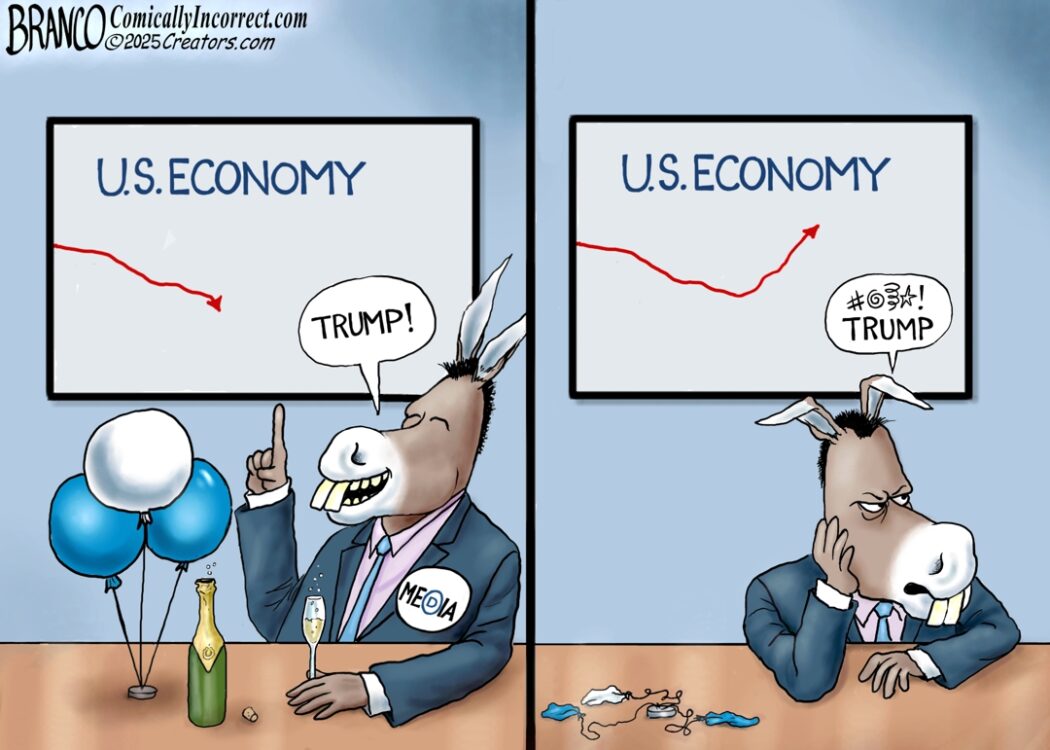
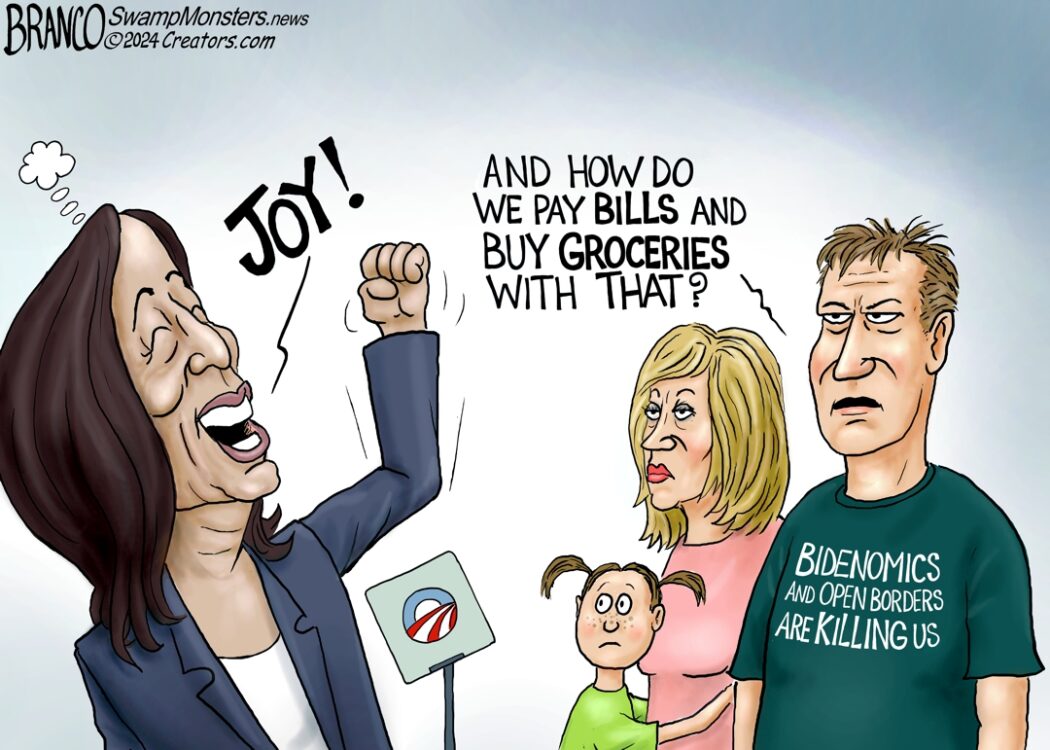


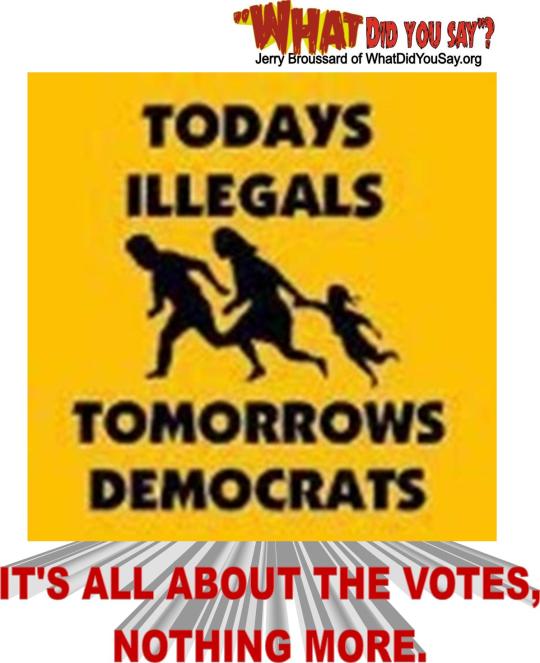
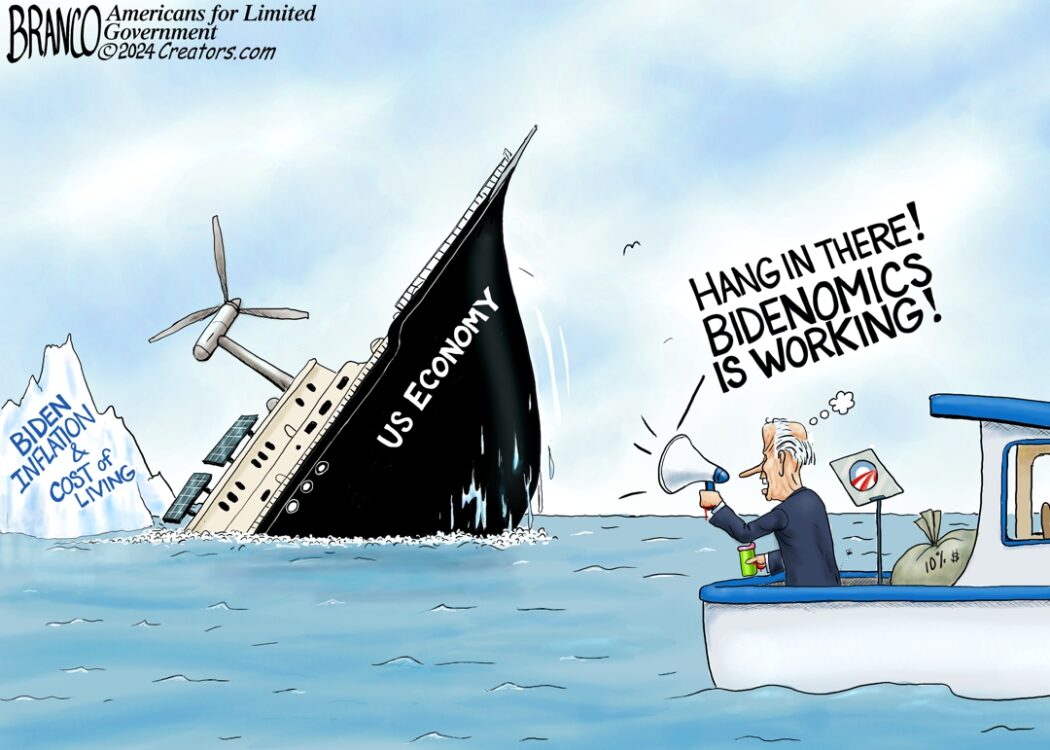




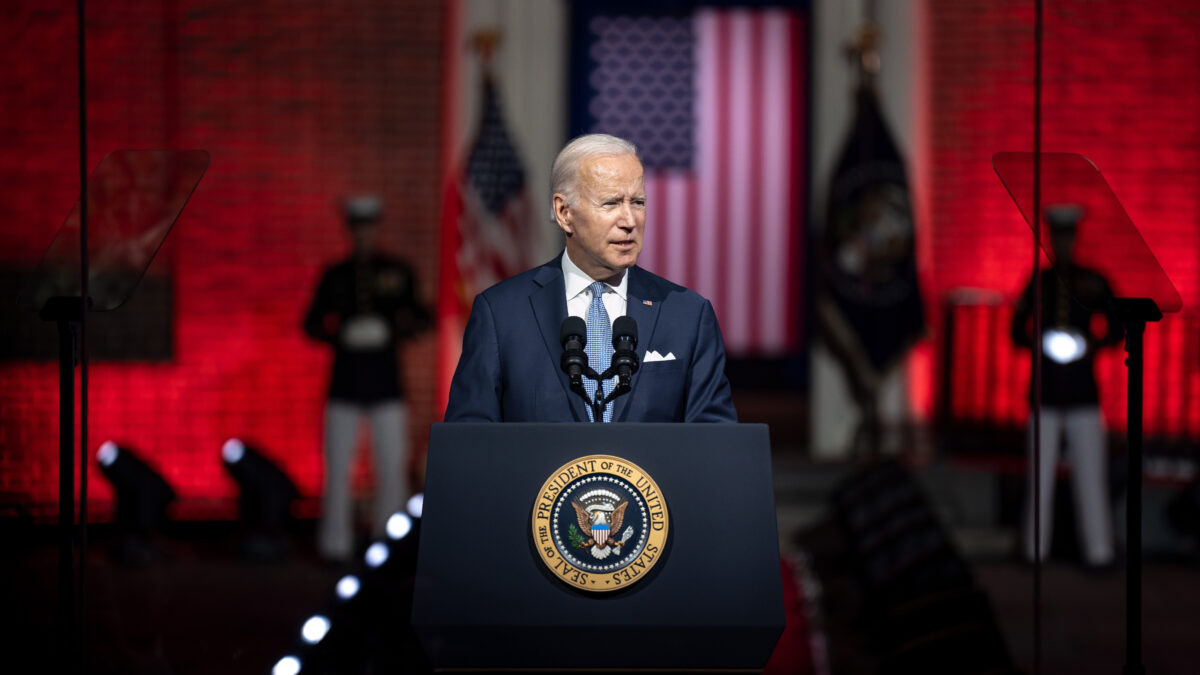

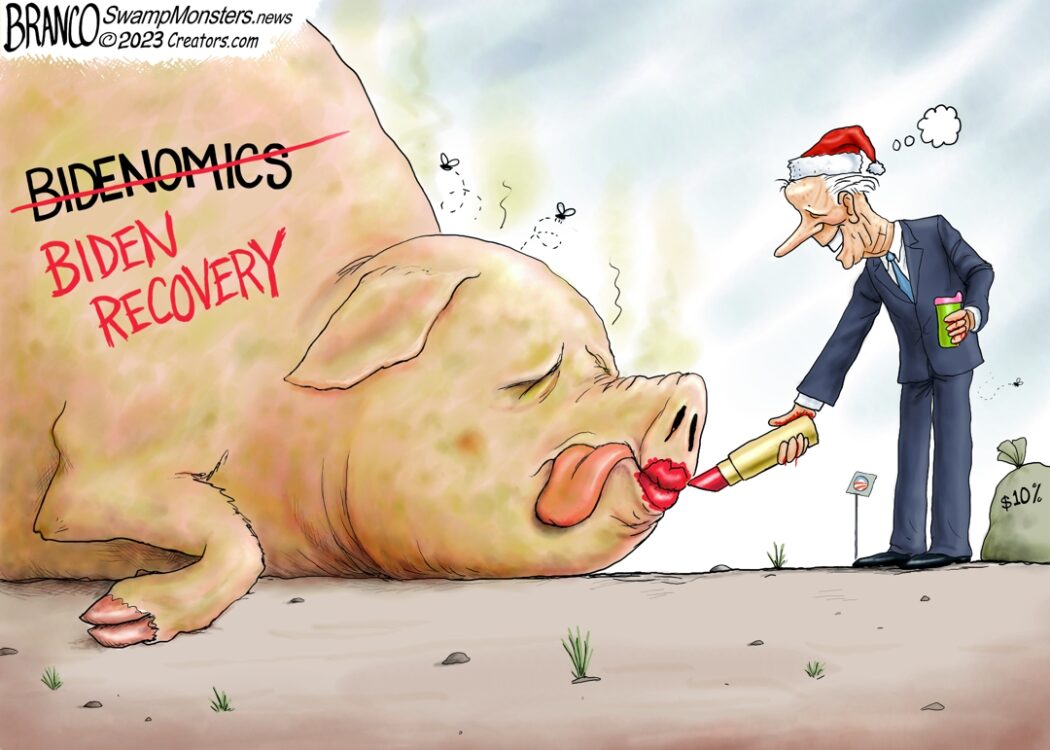

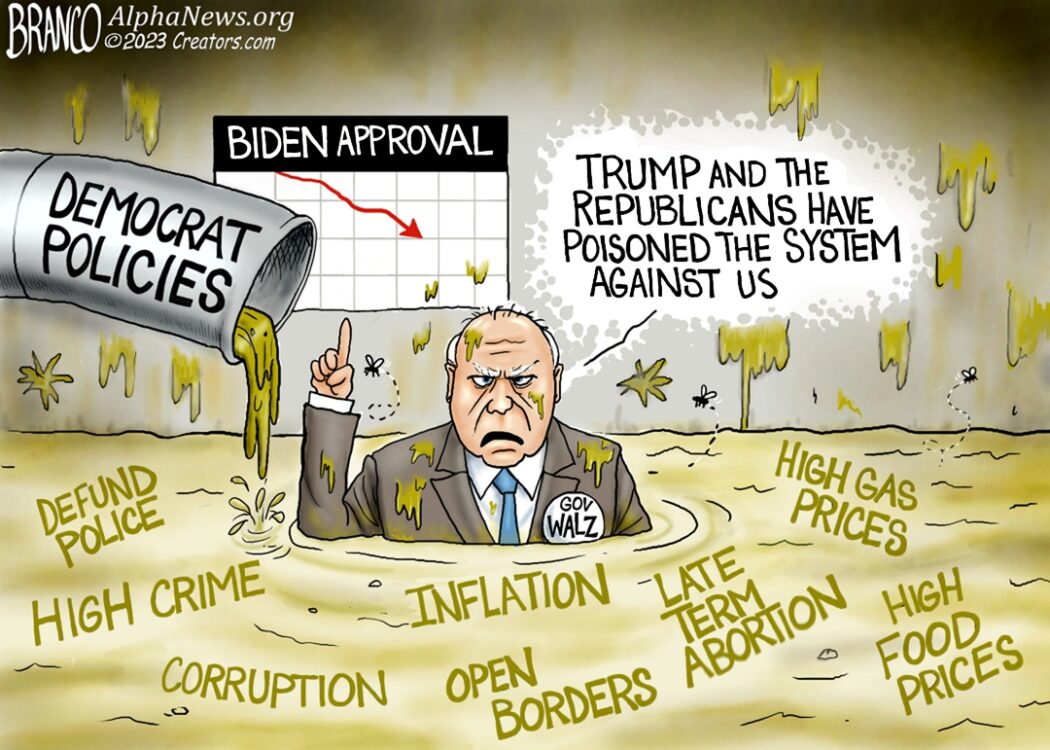
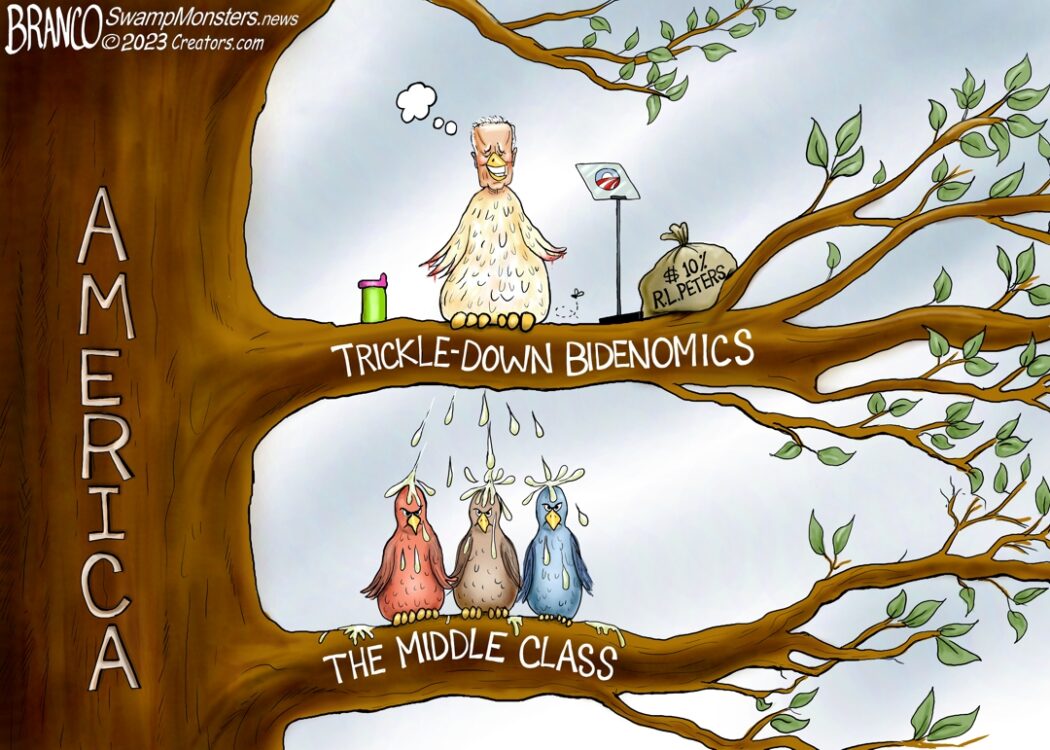
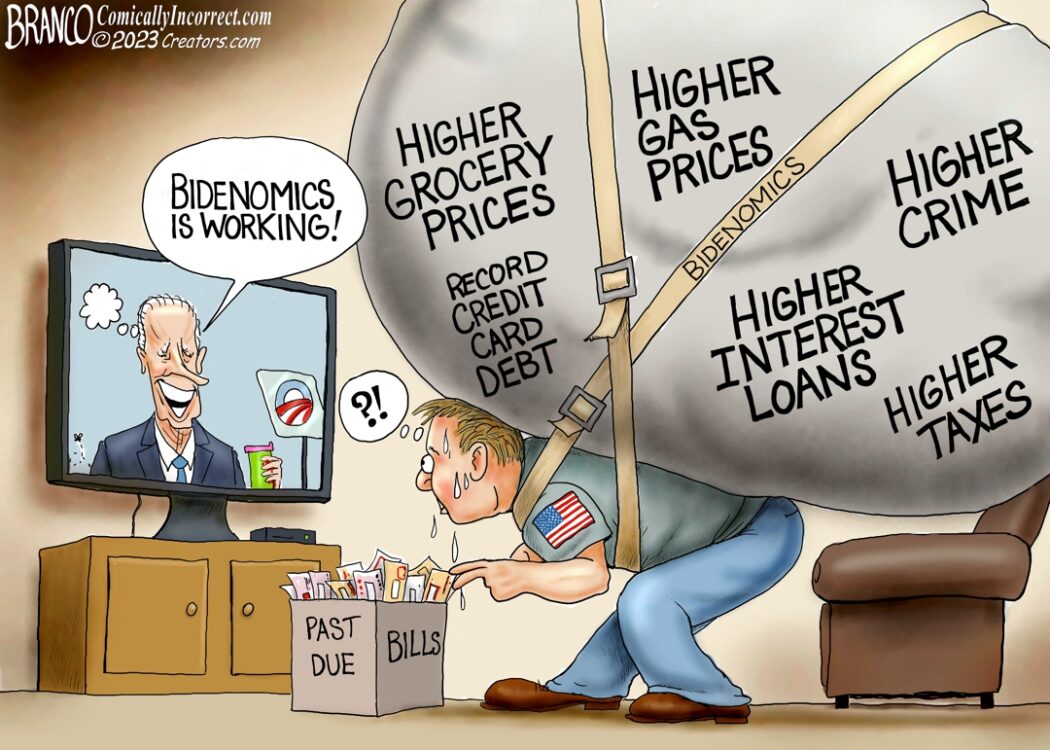
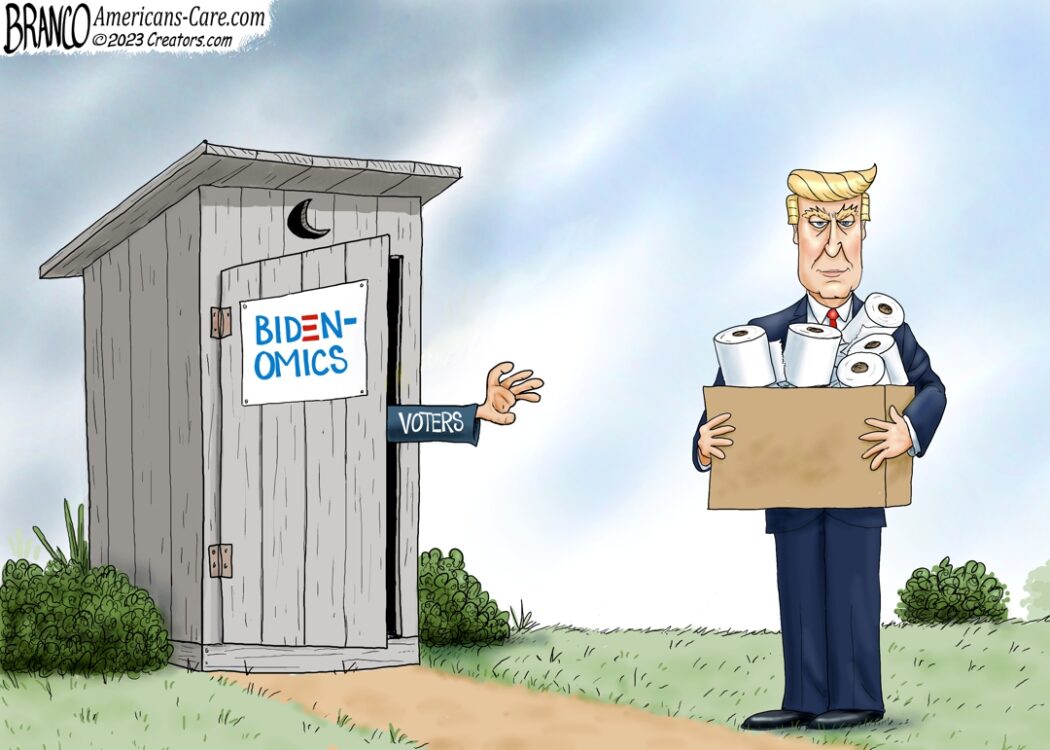
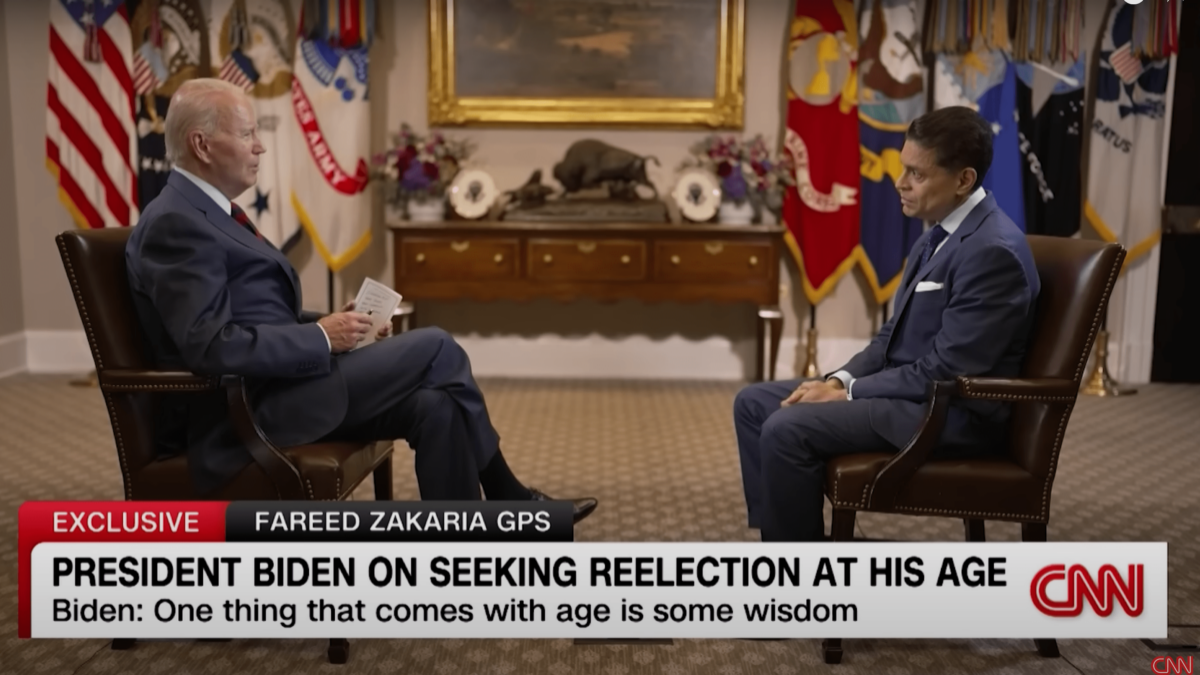

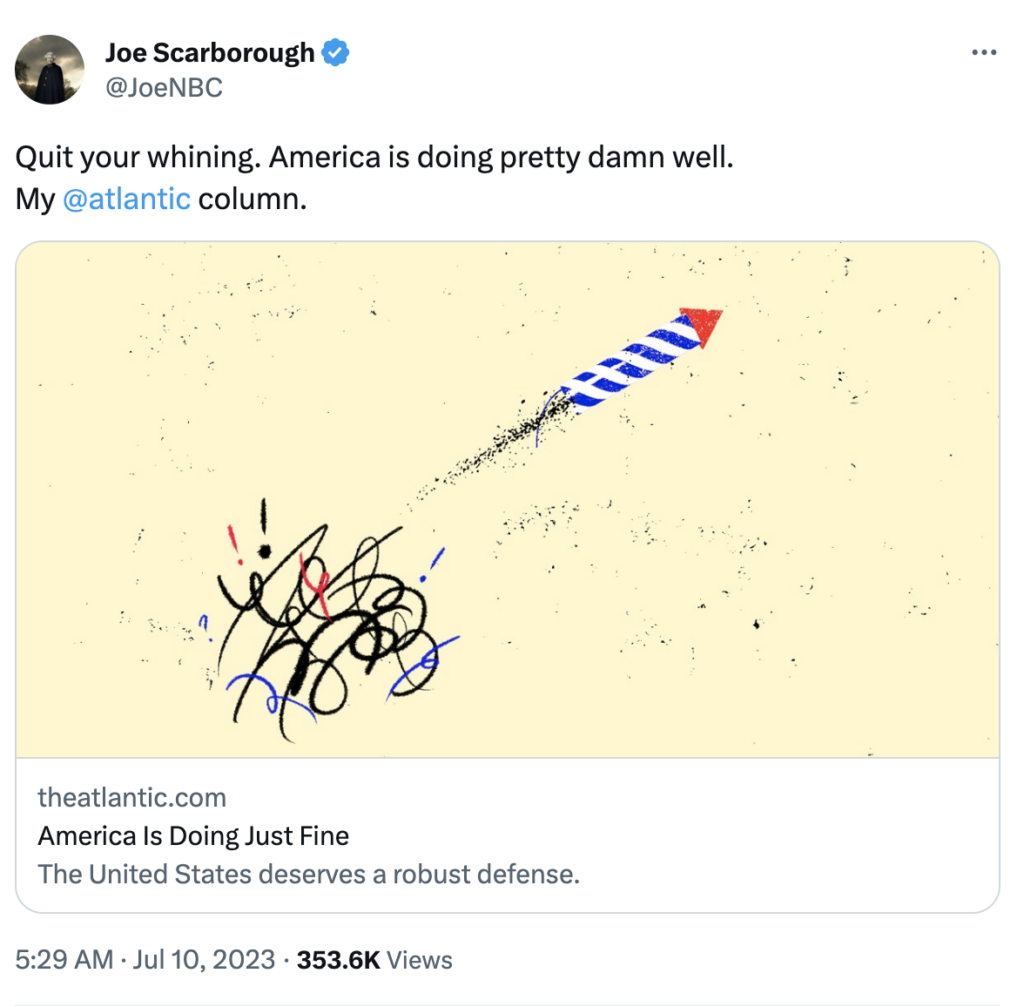
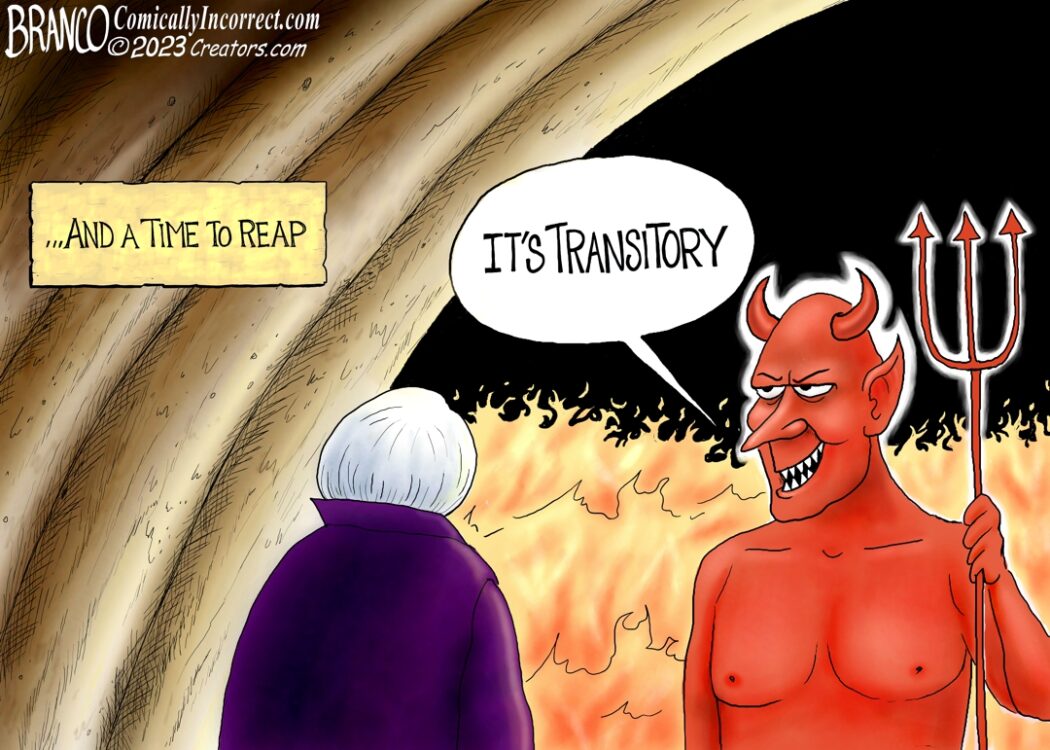


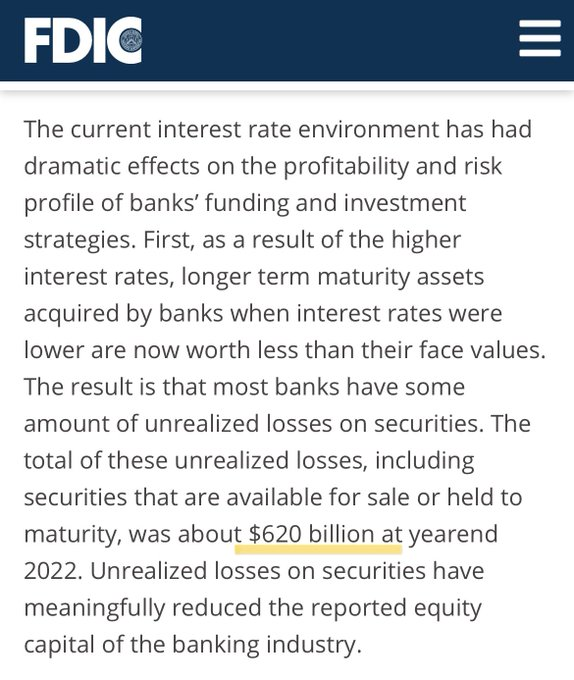
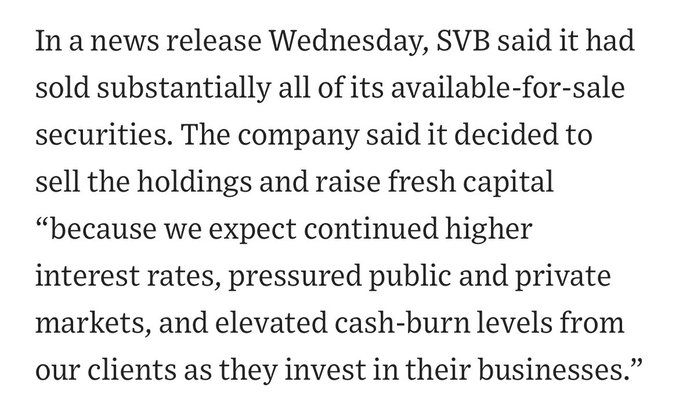
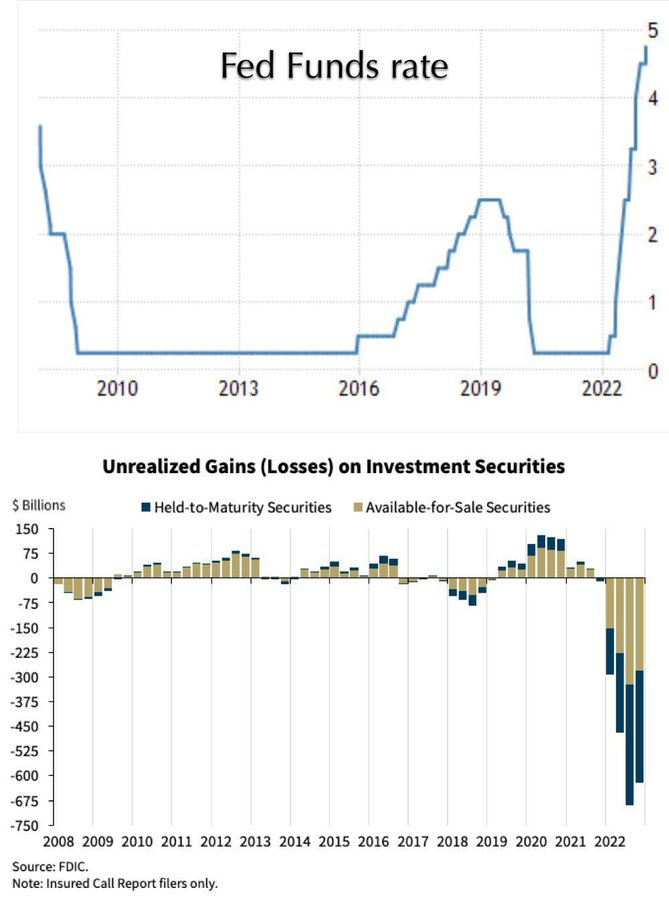


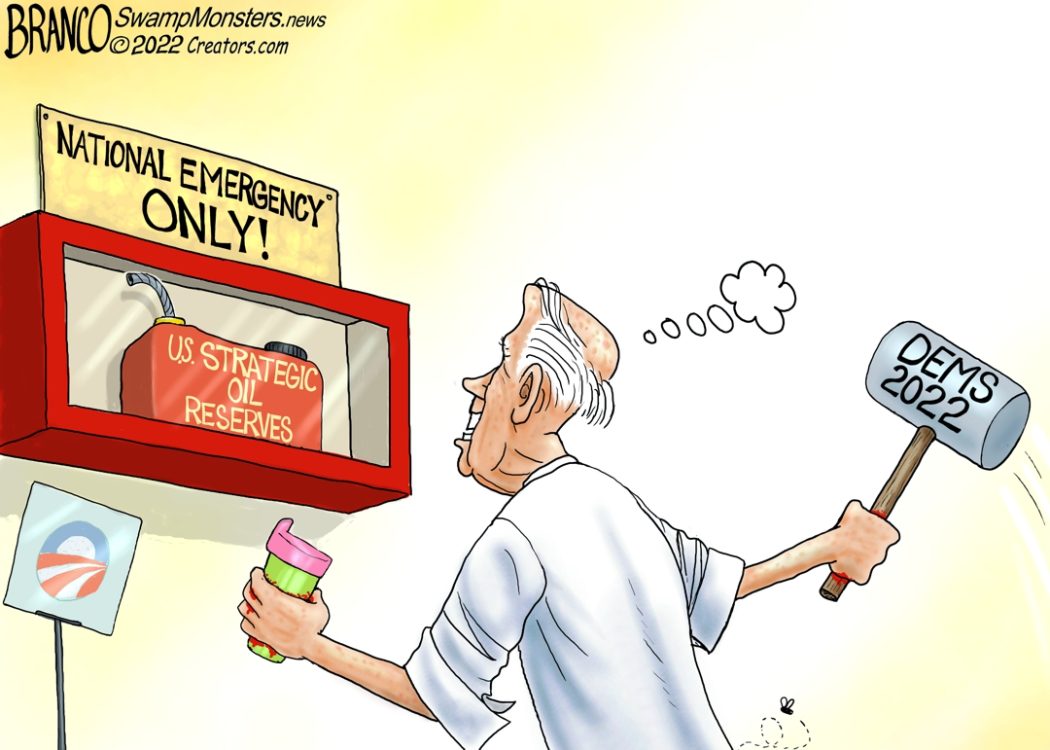
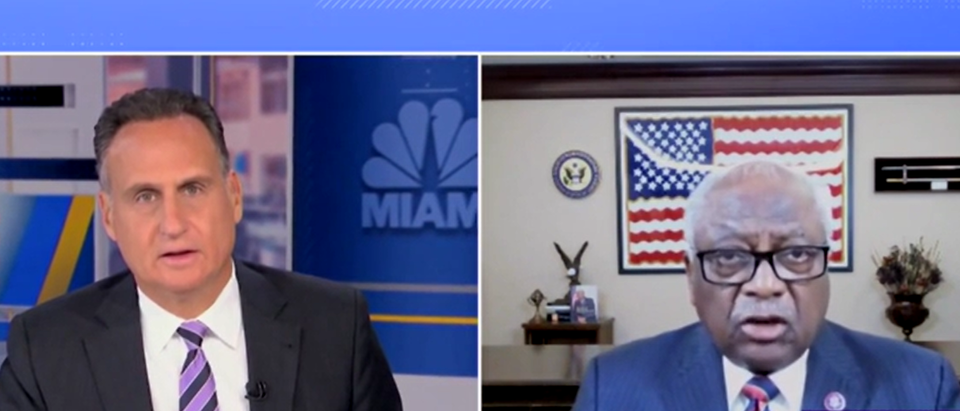
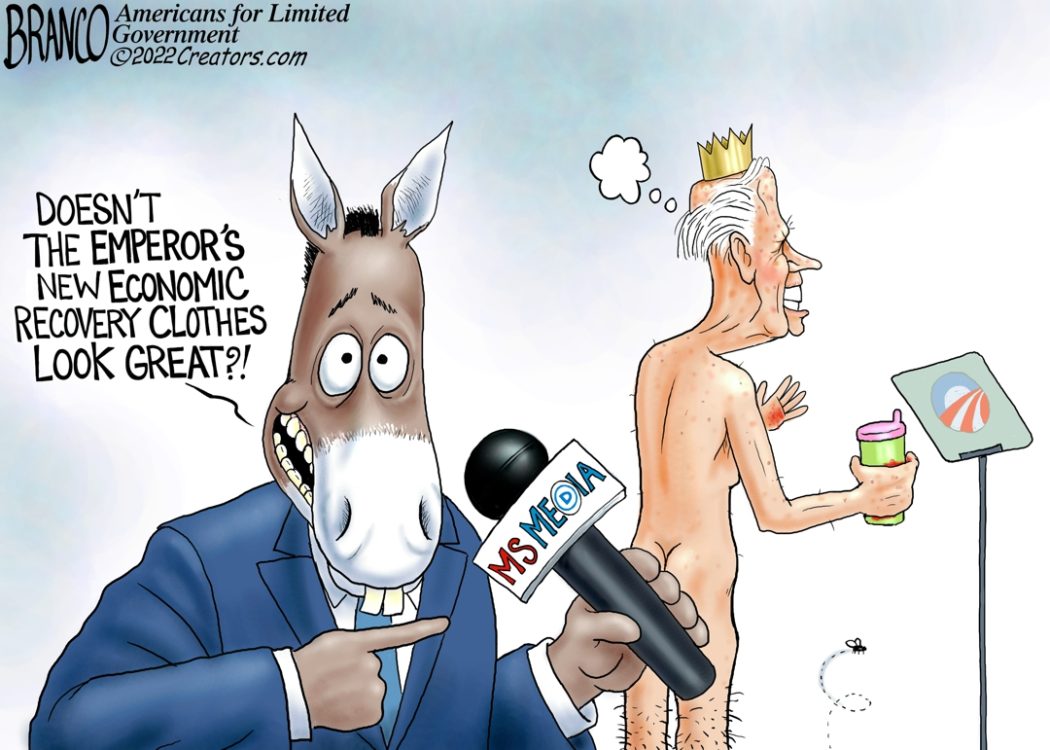

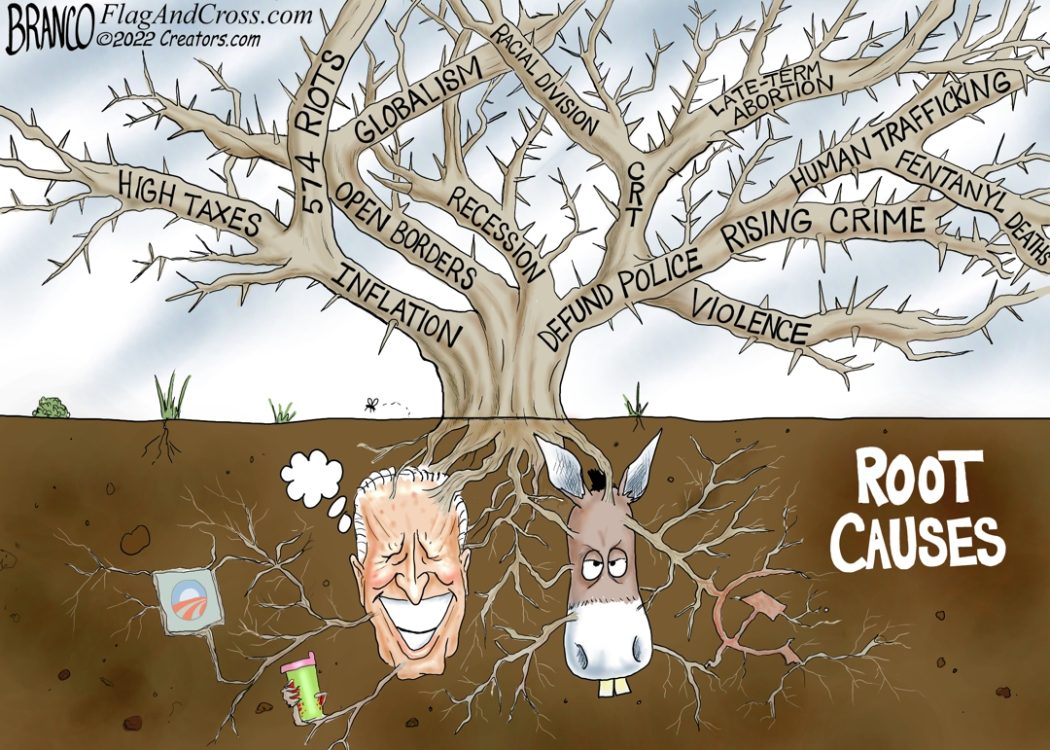
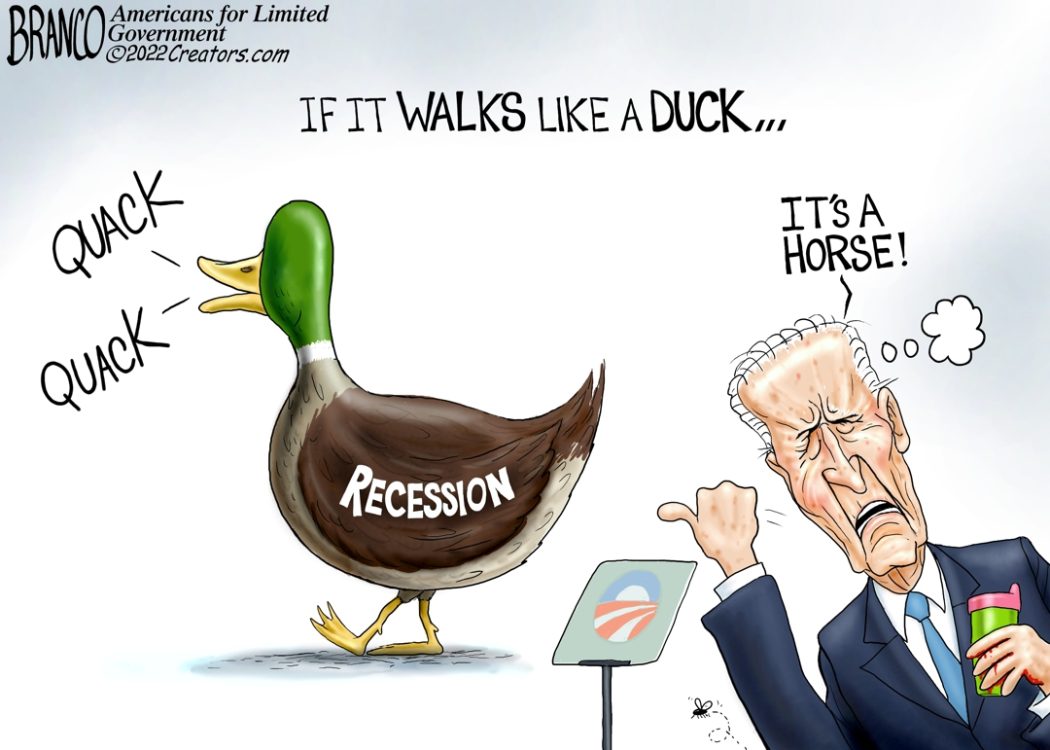


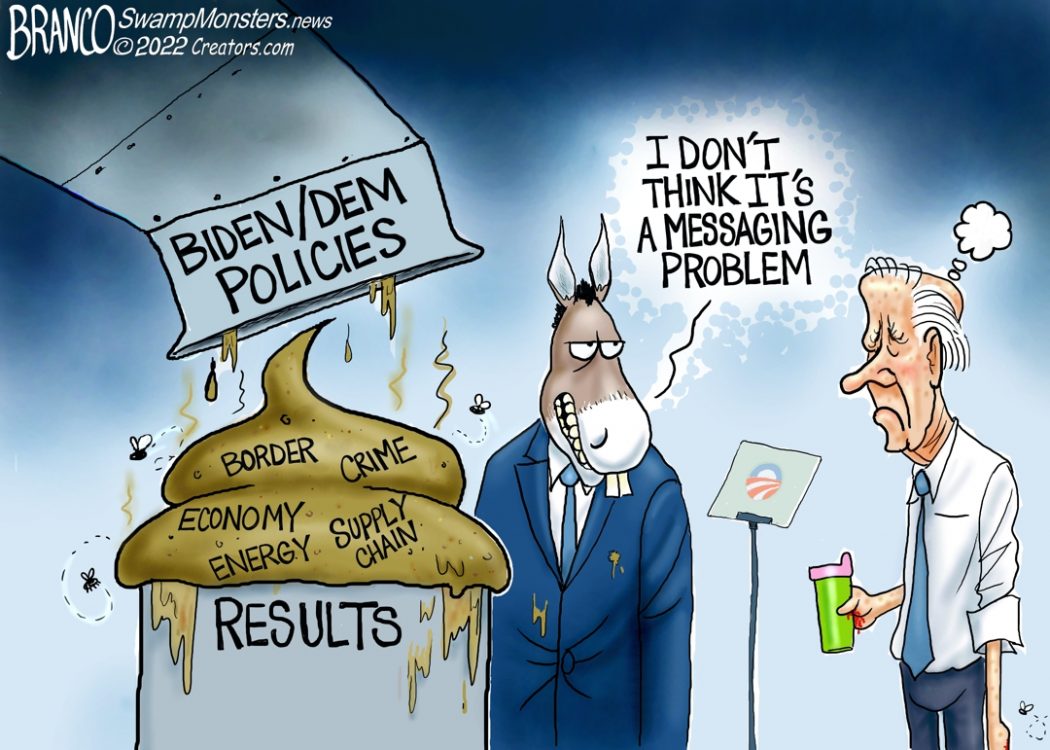
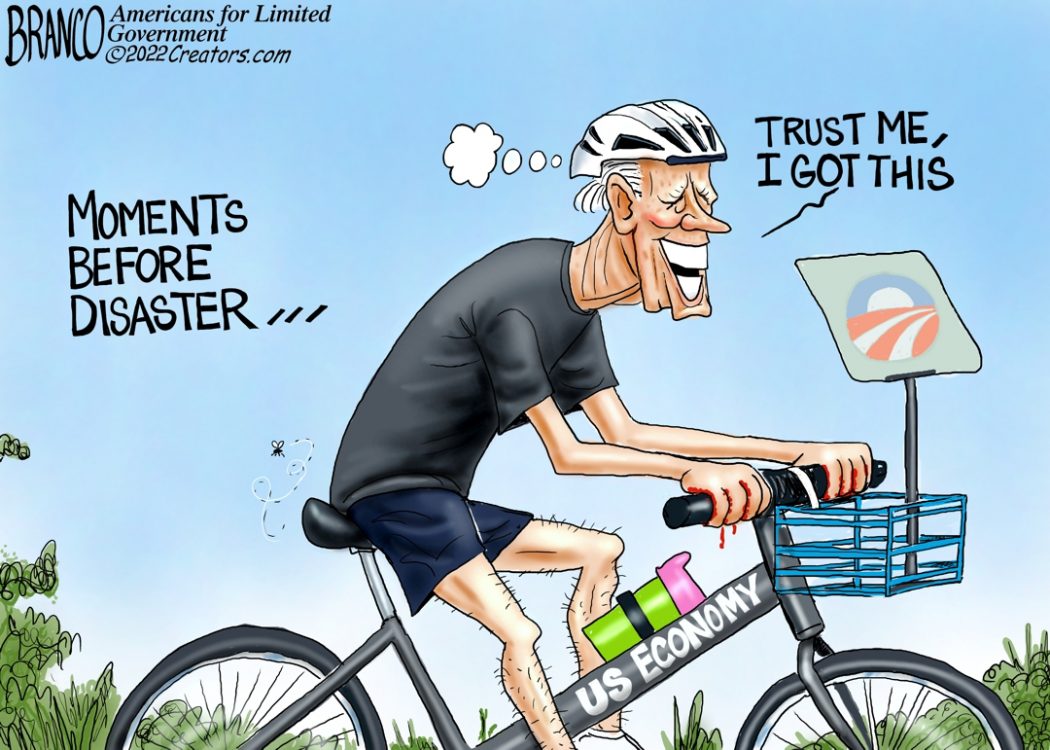
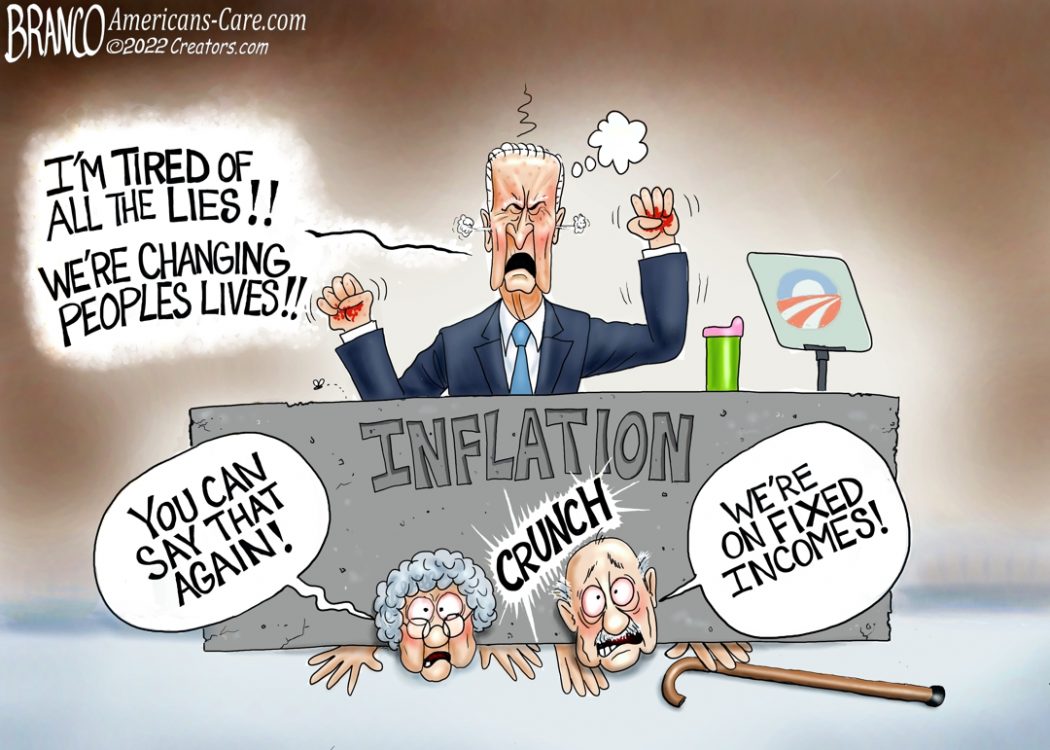
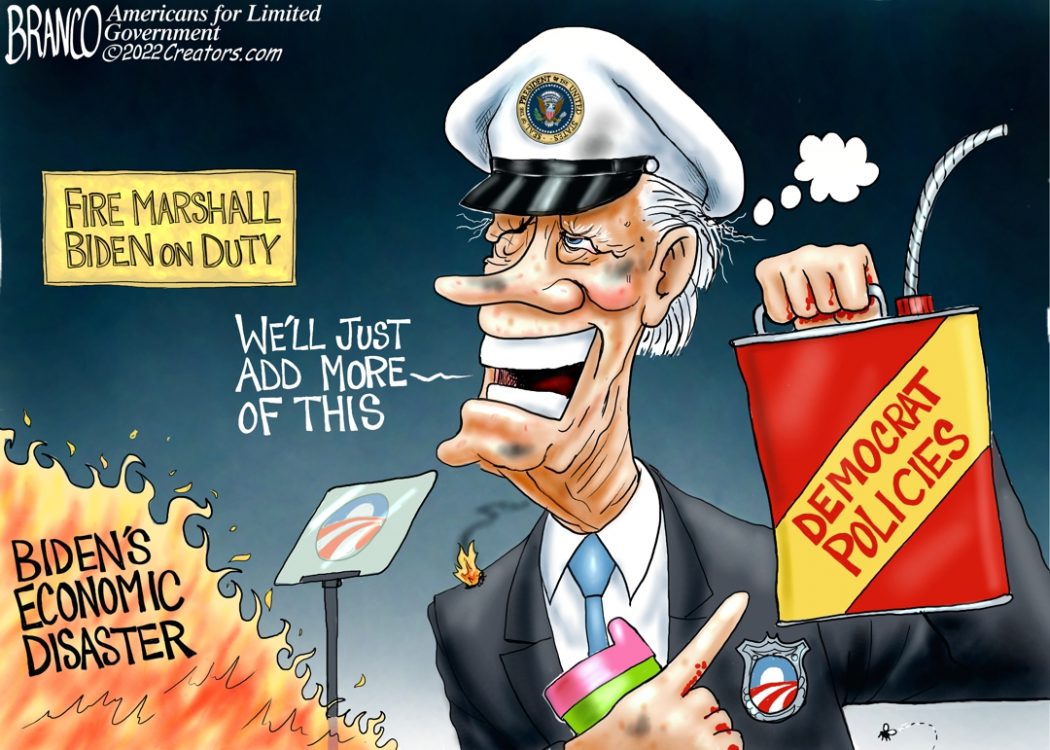
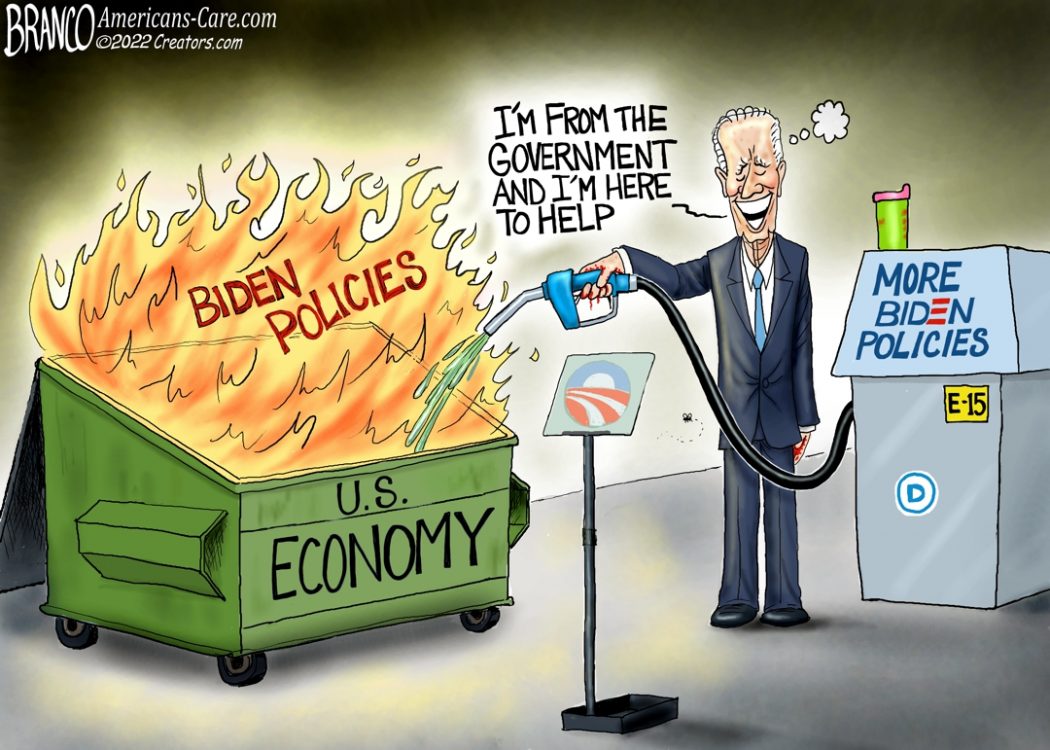
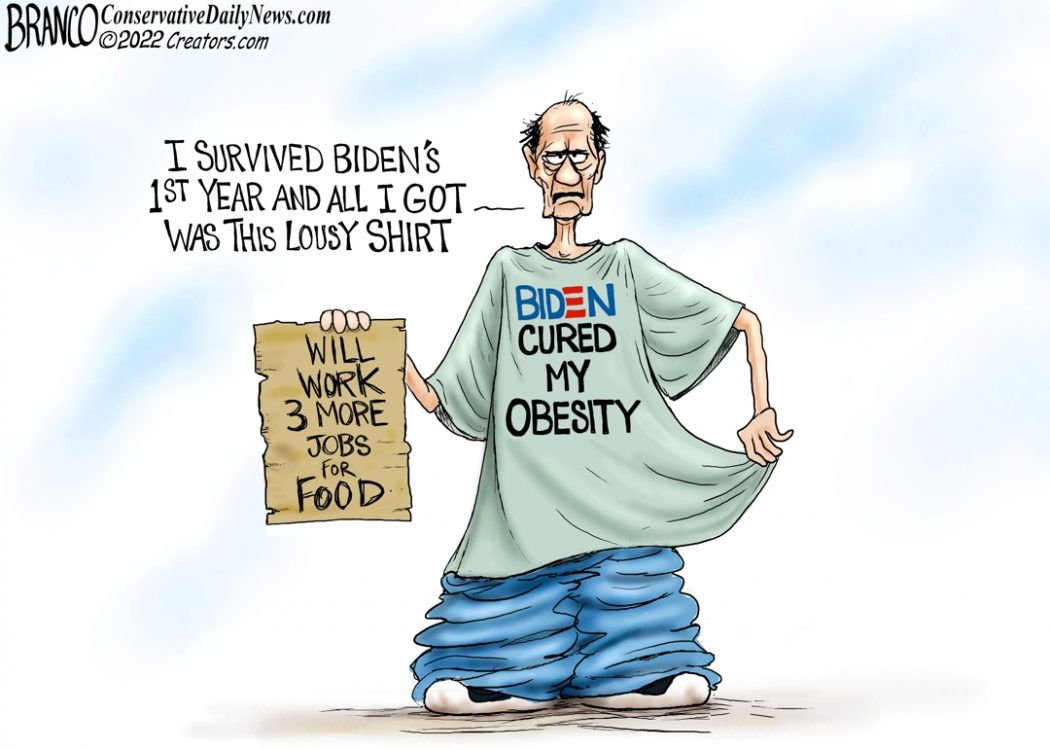
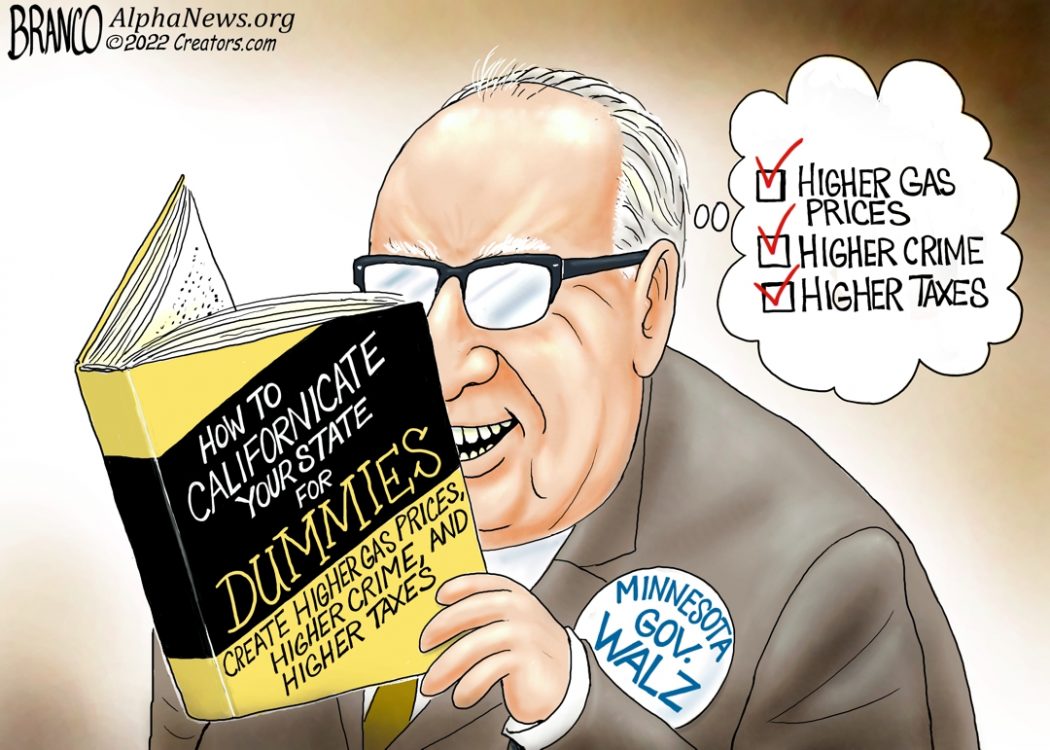
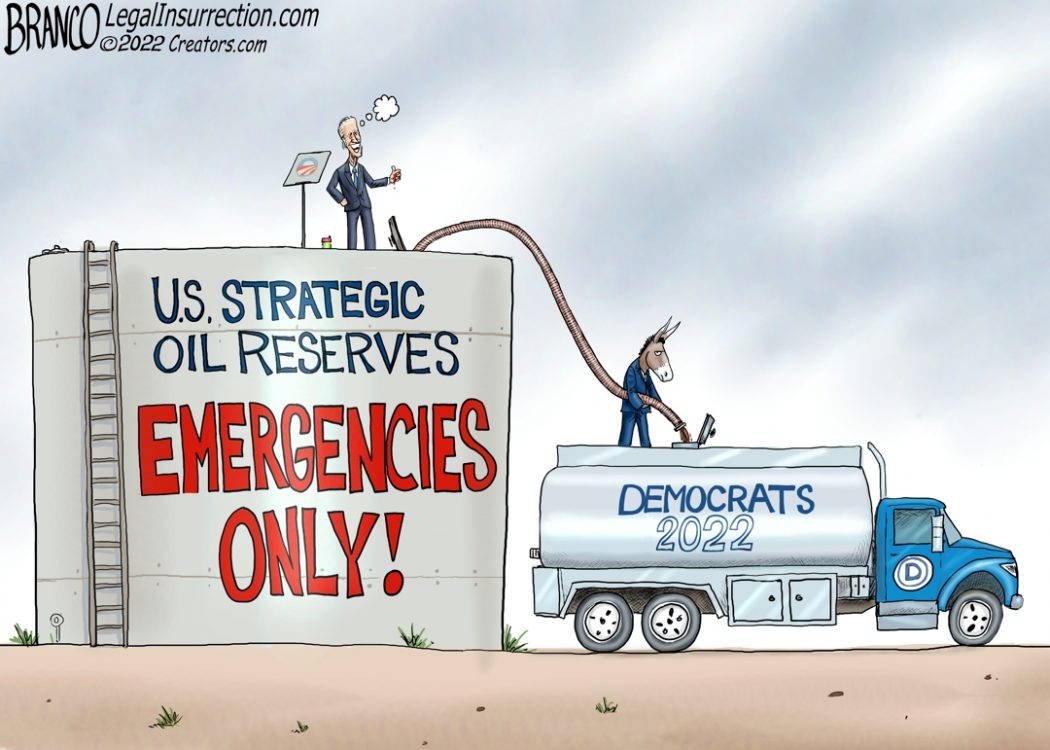
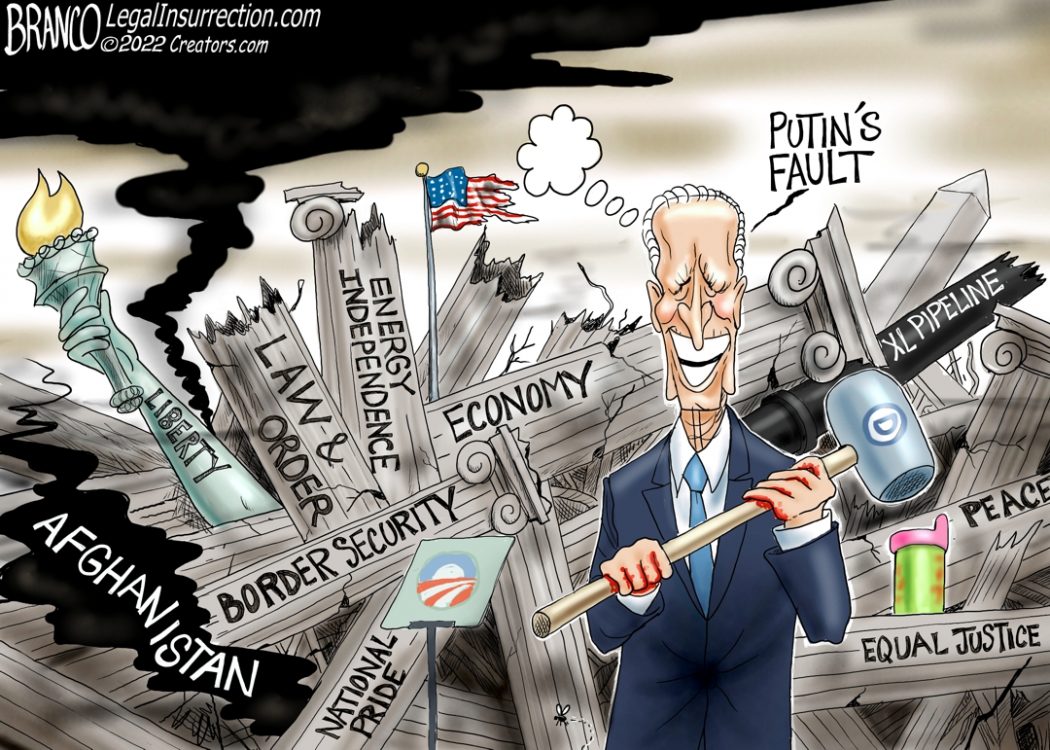
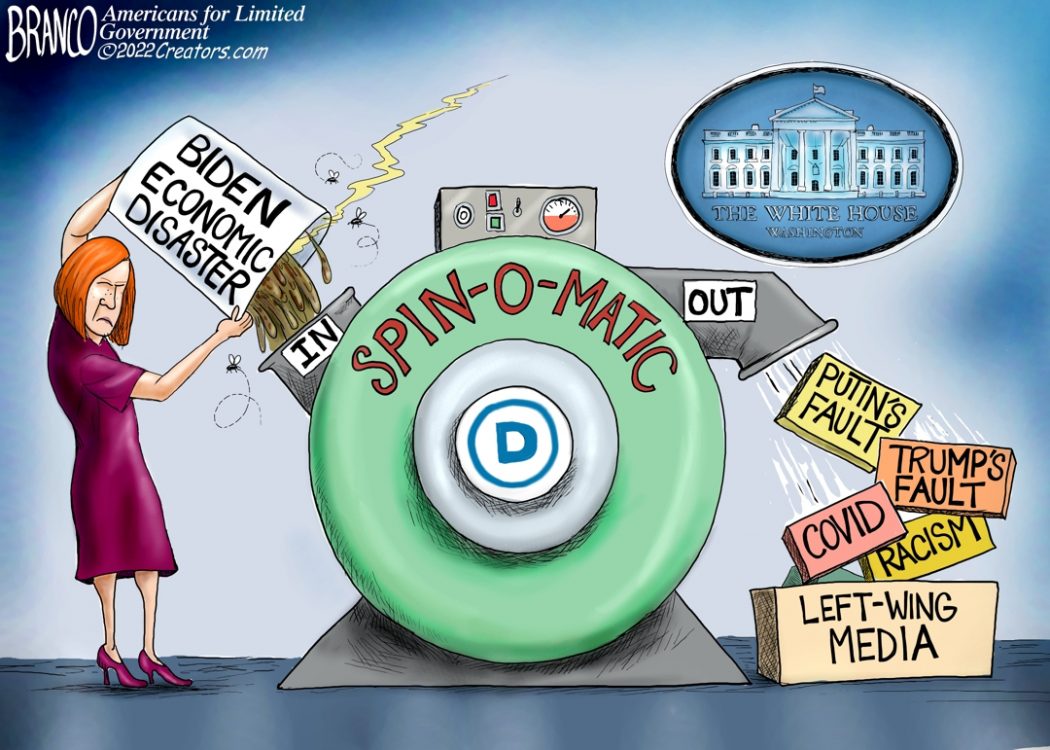


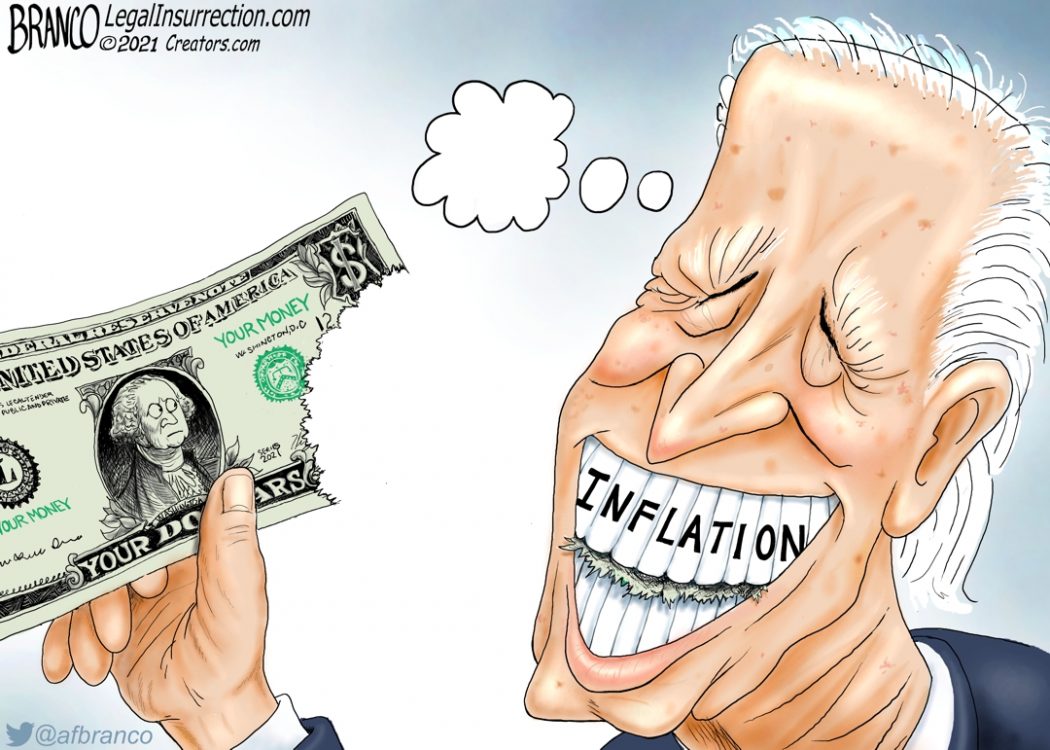
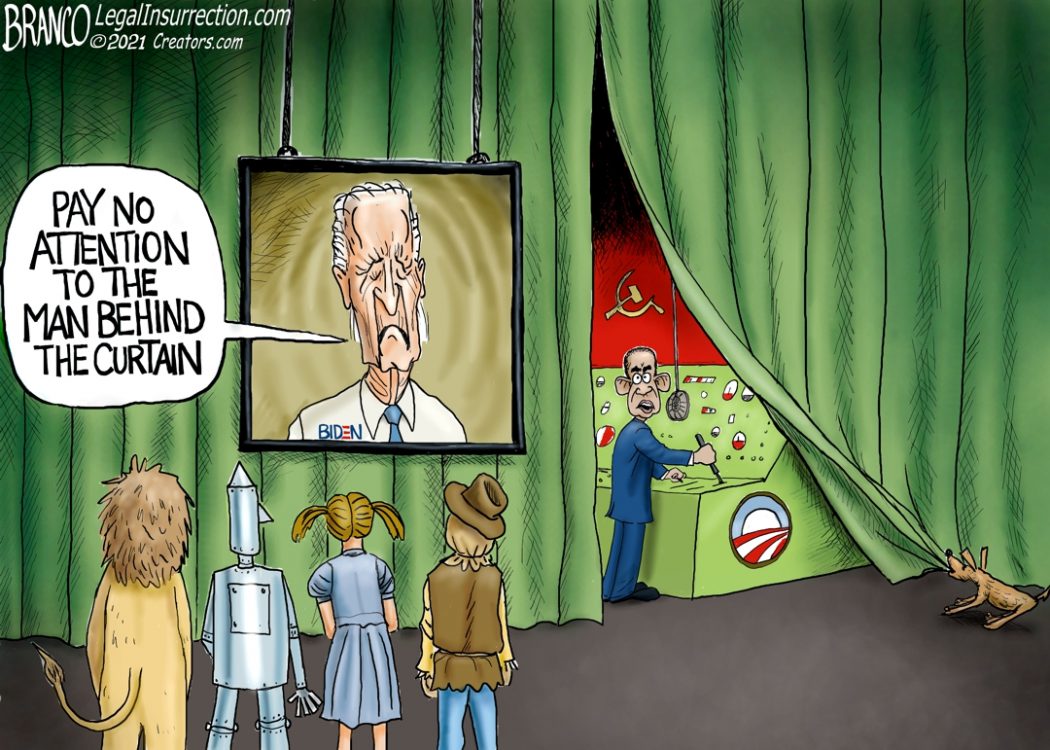
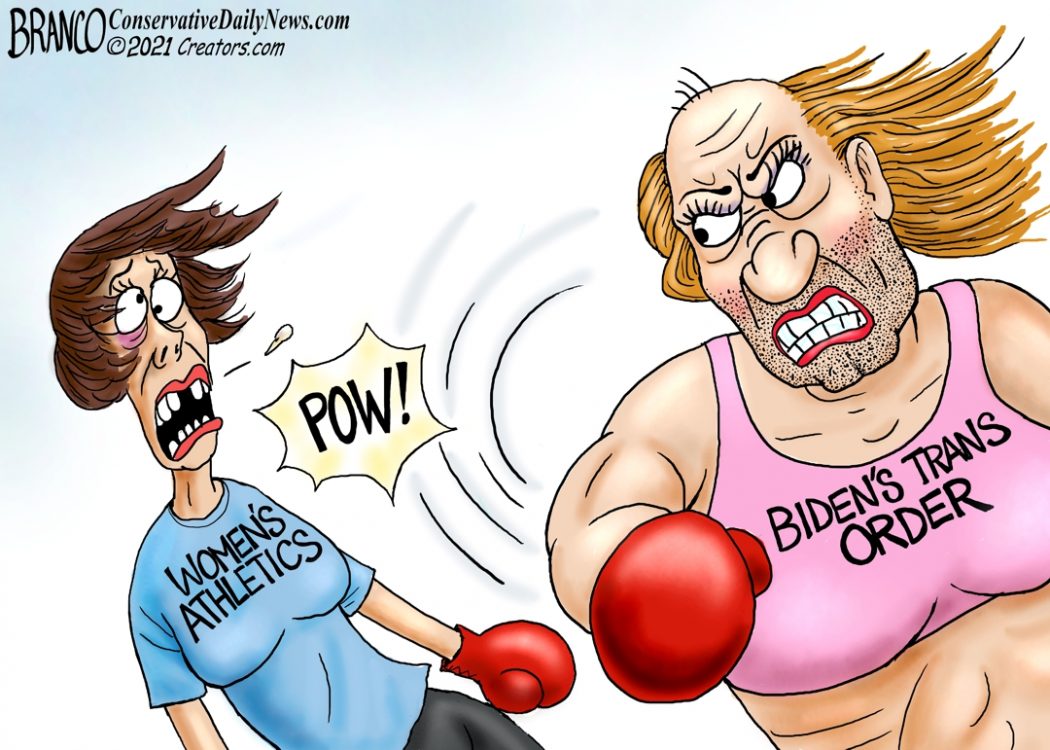
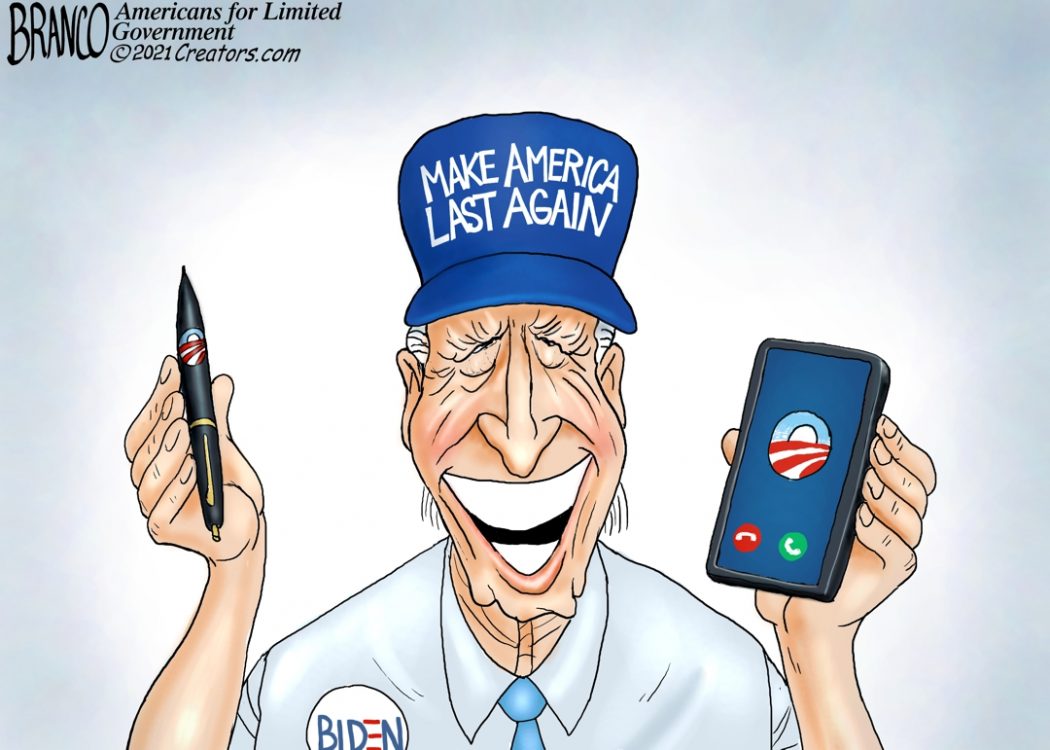


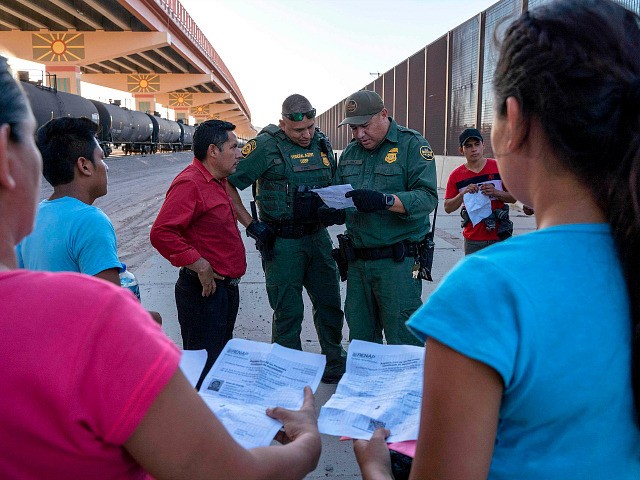


 What Did You Say?
You must be logged in to post a comment.