Read more at https://thefederalist.com/2024/01/19/hunters-painting-foray-had-all-the-classic-earmarks-of-a-biden-family-influence-peddling-operation/

MARGOT CLEVELAND
VISIT ON TWITTER@PROFMJCLEVELAND
MORE ARTICLES
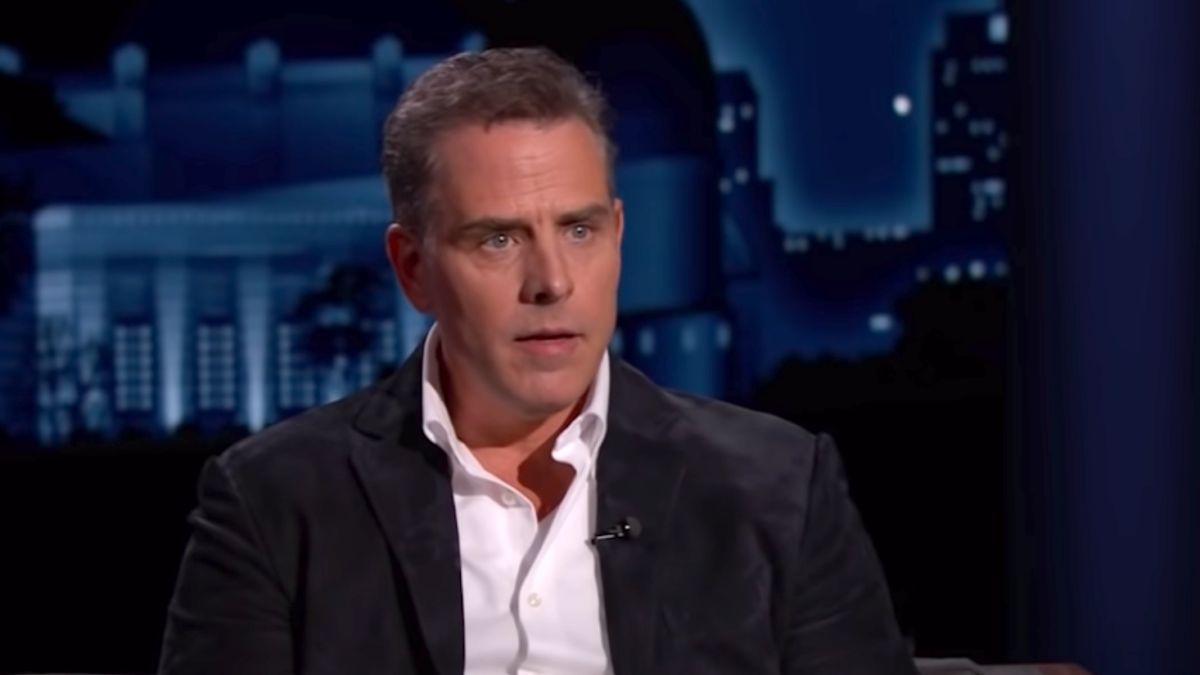
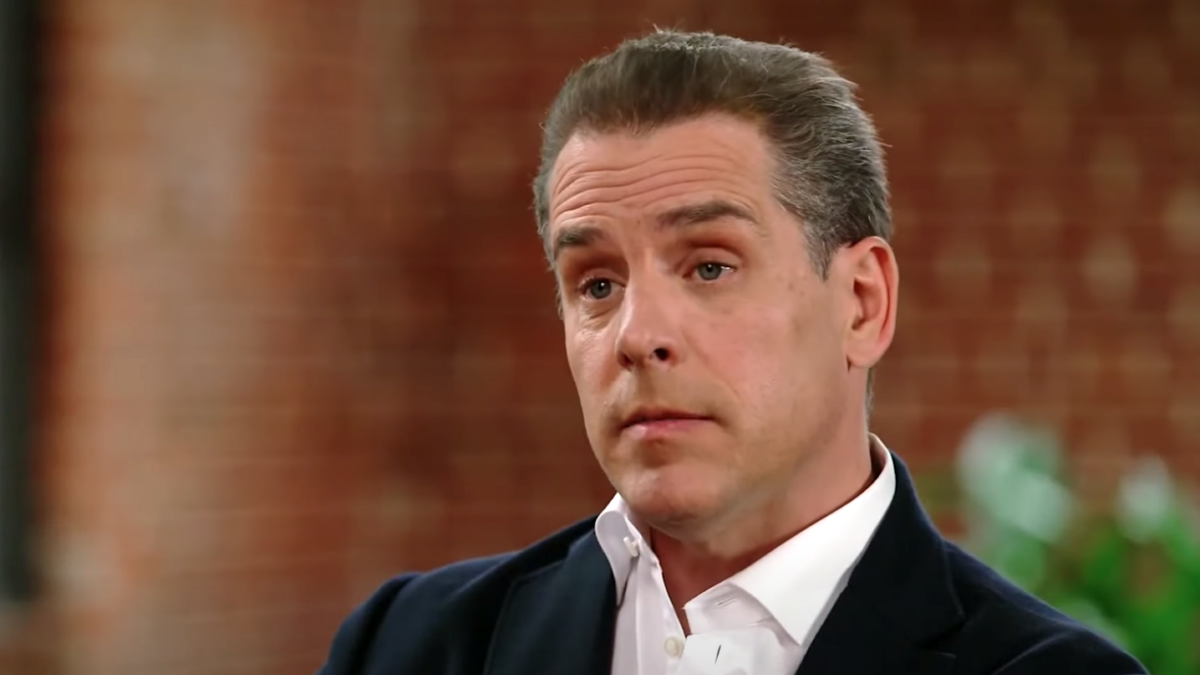
Hunter Biden’s “Sugar Bro,” Kevin Morris, testified before the House Oversight and Judiciary Committees on Wednesday. A readout of Morris’ testimony, when considered in tandem with the testimony provided last week by Hunter Biden’s gallerist, suggests Hunter was setting up another front for the family influence-peddling racket when the plan collapsed due to public scrutiny.
On Thursday, House Oversight and Accountability Committee Chair James Comer issued a statement following the committee’s transcribed interview of Hollywood lawyer Kevin Morris. In his press release, Comer revealed that Hollywood producer Lanette Phillips introduced Morris to Hunter Biden during a campaign event at her Los Angeles home for Joe Biden in the winter of 2019. One week later, Phillips called Morris to discuss what Morris apparently framed as an “entertainment” issue. Morris later visited Hunter at his home in L.A., according to the press release.
According to Comer, Morris testified he began providing money to Hunter Biden in January 2020. Then on Feb. 7, 2020, Morris emailed Hunter’s advisers and tax accountants, writing, “We are under considerable risk personally and politically to get the returns in.” Less than two weeks later, Hunter Biden filed his long-overdue 2017 and 2018 tax returns, although he didn’t pay his hefty tax bill at the time. Around Oct. 18, 2021, Morris paid some $2 million in overdue taxes for the president’s son.
In addition to paying Hunter’s taxes, Morris also paid for many of his living expenses and bought 13 of Hunter Biden’s paintings — two from before Hunter retained a gallerist and 11 after, with Morris paying $875,000 for the set purchased from the gallerist.
The Gallerist
That gallerist, George Berges, testified before the House Oversight and Judiciary Committees last Tuesday concerning his knowledge of Hunter Biden’s profiteering from his newfound career as a painter. Berges, the owner of the Soho-based George Berges Gallery, told the committee that he served as the “gallerist” for Hunter Biden beginning in December 2020. As Hunter’s gallerist, Berges acted as the exclusive agent, selling Hunter’s paintings. In that role, Berges had firsthand knowledge of the money flowing into Hunter’s bank account from his newest business venture.
Berges’ testimony pales in comparison to some earlier witnesses who revealed details of Hunter Biden’s dealing with Burisma and Joe Biden’s involvement in his son’s business dealings. Yet, when studied in its entirety, the gallery owner’s testimony paints a picture of an attempt to launch a new enterprise to provide cover for a continuation of the Biden family’s pay-to-play scheme. Morris’ testimony this week adds further definition.
First, we have the gallerist’s testimony that Lanette Phillips also introduced him to Hunter in 2019, telling Berges that Hunter was an artist. Next, there is the fact that in December 2020, Hunter and Berges executed a contract appointing the gallery owner as his exclusive representative, with Berges receiving a commission of 40 percent on sales. That contract, Berges testified, included a provision that required the gallerist to disclose to Hunter the identity of the purchasers of his paintings.
As Berges explained, that was not a typical contract term; he had never included a similar clause in any of his other contracts. “Normally, the gallerist does not let the artist know who the collectors are,” Berges confirmed, adding that of the 15 or so artists he currently works with, none ask to know who purchased their artwork. Berges elaborated, stating, “It’s my collector base,” and you don’t want “your artists to circumvent you if they know your collectors.”
While the contract required Berges to tell Hunter the names of the purchasers, Berges explained during the interview that he never did, and because Hunter didn’t push for their identities, his instinct was not to share the information. Nonetheless, Hunter learned the names of several of the purchasers — for instance, Elizabeth Naftali.
Again, Lanette, the same Hollywood producer and Biden-booster who introduced Hunter to Morris and Berges, introduced Berges to Naftali. Naftali purchased two of Hunter’s paintings, the first in February 2021, shortly after his father’s inauguration. She later purchased another painting, spending a total of $94,000 for the pair.
During the committees’ questioning of Berges, they noted that on July 1, 2022, President Biden appointed Naftali to the U.S. Commission for the Preservation of America’s Heritage Abroad. A committee lawyer added that while Joe Biden was vice president he had also arranged for Hunter Biden’s then-business partner Eric Schwerin to be appointed to the same board.
In addition to Naftali, Hunter Biden also knew the identity of Morris, who on Jan. 19, 2023, purchased, in the name of his LLC, Kuliaky Art, 11 paintings for $875,000. Berges explained that Morris had seen the paintings at Hunter’s exhibit in California in October 2021 and then negotiated the January 2023 sale with him by telephone.
Berges further explained that Morris did not pay the galley for the paintings, but instead paid Berges his 40 percent commission and then paid Hunter (or reduced his loan balance) separately.
Comer notes in his readout from the interview of Morris that it was only after he purchased those paintings from Hunter that he scored a visit to the White House. But there is a bigger smoke cloud surrounding those purchases than Joe Biden welcoming his son’s benefactor to the White House.
Something Doesn’t Add Up
Why would Morris purchase paintings from Berges at all? As Berges testified, the reason gallerists don’t share the names of their buyers with the artists is so they aren’t cut out of the deal. Morris, however, likely didn’t want to ruin Hunter’s relationship with Berges, Berges reasoned. But that doesn’t explain why Morris wouldn’t have purchased art from Hunter before he had a gallerist.
Here we run into an interesting detail: Morris testified he had purchased two pieces of art from Hunter Biden before he had a gallerist. Why then wait for Hunter to enter a contract with Berges before purchasing more art? And why wait until January 2023, when he saw the art during an October 2021 exhibit? (It is also noteworthy that Berges got the impression from Hunter that he had never sold any artwork before retaining him as a gallerist.)
Morris’ $875,000 represented a huge chunk of Hunter Biden’s total sales of $1.5 million. In fact, Morris’ purchase represented such an “outlier,” as Berges put it, that the Soho gallery owner hasn’t renewed his contract with Hunter and is considering dropping him as a client.
“I look at the totality,” Berges explained. “If I look at the whole picture of this artist objectively, I would say, okay, this is great that we got someone to do a major acquisition, but let’s look at the general response and what the value is.”
“It’s not that impressive,” he concluded.
Morris negotiating with Berges over the price of the pictures, however, sidesteps questions of whether he overpaid for the art to make a then-taxable gift to Hunter Biden. Morris’ purchase also creates the impression that his friend’s art is worth the high price Berges was asking, even though “the general response,” without Morris, was “not that impressive.”
One must wonder, though, if the lack of interest in Hunter’s high-priced paintings stemmed from the spotlight on what appeared to be the latest pay-to-play scam scaring off the target audience for the artist: those seeking favors or access to the now-president.
A Plan Foiled?
Without media coverage, it was a perfect plan: Hunter Biden reemerges as an artist and sends those he or his family want to shake down to Soho to buy his paintings from a gallerist who has independently set the prices of the paintings. Berges’ testimony indicates he is truly independent, for while he explained he has become friends with Hunter, much to his chagrin, he was forced to acknowledge donating multiple times to President Donald Trump’s reelection campaign. Berges even hinted that he had voted for Trump and not his client’s father in 2020.
Hunter, in fact, even ensured he could learn the identity of the purchaser to confirm the transaction, although it soon became clear that wasn’t necessary; the buyer could just tell him or show him the artwork. But then the press got ahold of the story and, unlike the laptop scandal, this time they didn’t bury it. By the summer of 2021, the White House was forced to do damage control, claiming it was working on a deal with Hunter’s gallerist to ensure the identity of purchasers of his paintings remained anonymous.
Berges testified he was surprised to hear that from the White House since he had never spoken with anyone there about his contract with Hunter Biden. Nonetheless, at Hunter’s request, Berges removed the disclosure requirement and replaced it with a provision prohibiting the gallery owner from disclosing the identity of the purchasers. They then entered a new contract on Sept. 1, 2021.
Other than Morris’ large purchase last January, there seems to be little demand now for the paintings — leaving one to wonder if, without his target audience, Hunter’s art is as worthless as his board member skills.
Margot Cleveland is an investigative journalist and legal analyst and serves as The Federalist’s senior legal correspondent. Margot’s work has been published at The Wall Street Journal, The American Spectator, the New Criterion (forthcoming), National Review Online, Townhall.com, the Daily Signal, USA Today, and the Detroit Free Press. She is also a regular guest on nationally syndicated radio programs and on Fox News, Fox Business, and Newsmax. Cleveland is a lawyer and a graduate of the Notre Dame Law School, where she earned the Hoynes Prive—the law school’s highest honor. She later served for nearly 25 years as a permanent law clerk for a federal appellate judge on the Seventh Circuit Court of Appeals. Cleveland is a former full-time university faculty member and now teaches as an adjunct from time to time. Cleveland is also of counsel for the New Civil Liberties Alliance. Cleveland is on Twitter at @ProfMJCleveland where you can read more about her greatest accomplishments—her dear husband and dear son. The views expressed here are those of Cleveland in her private capacity.









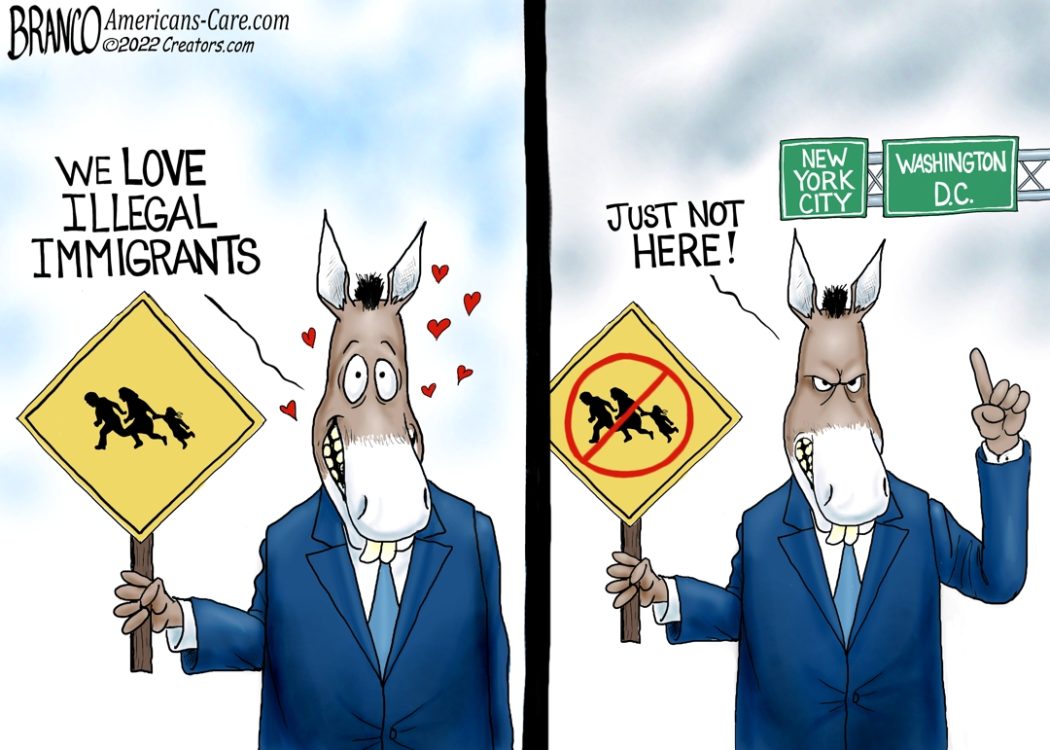
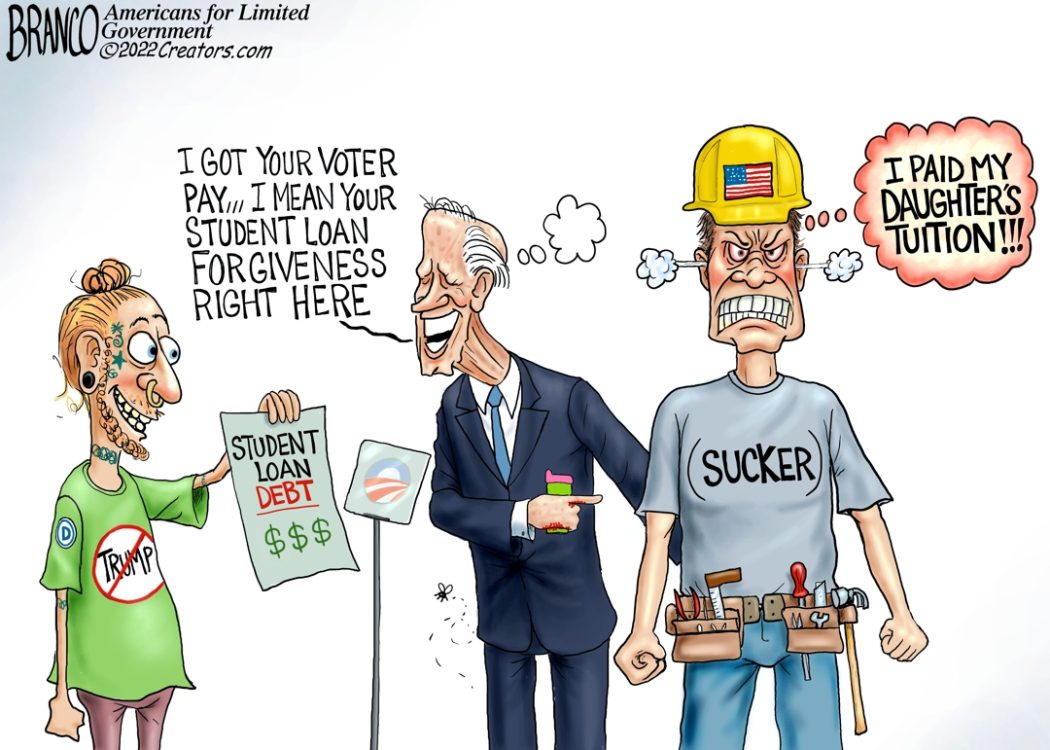
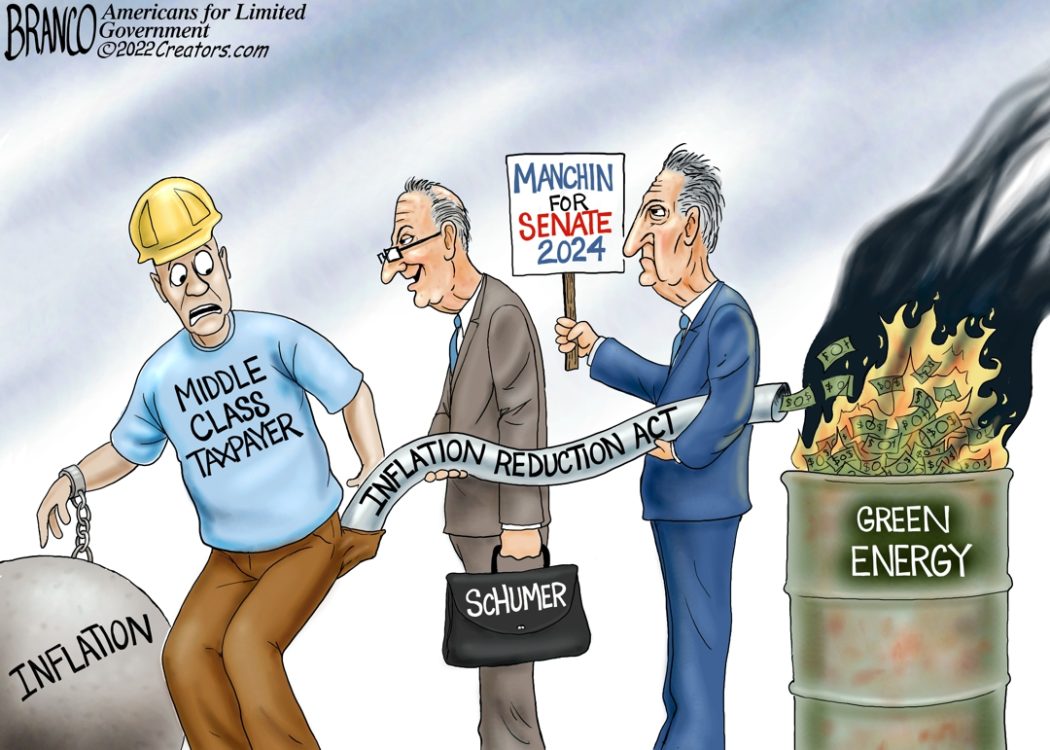


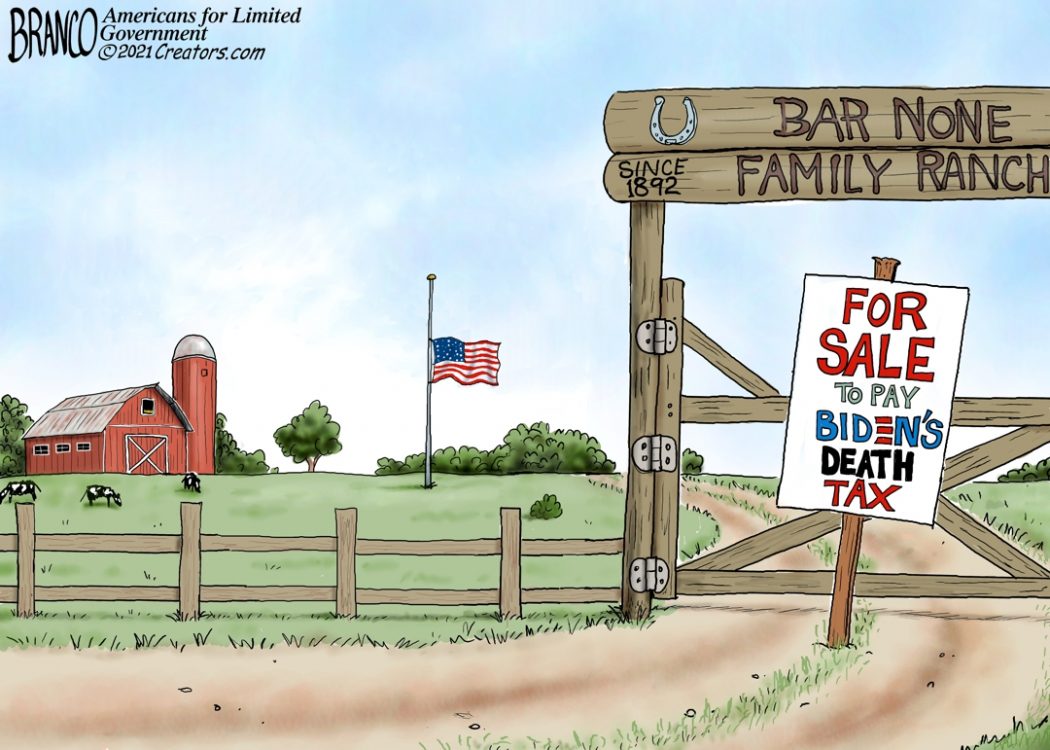









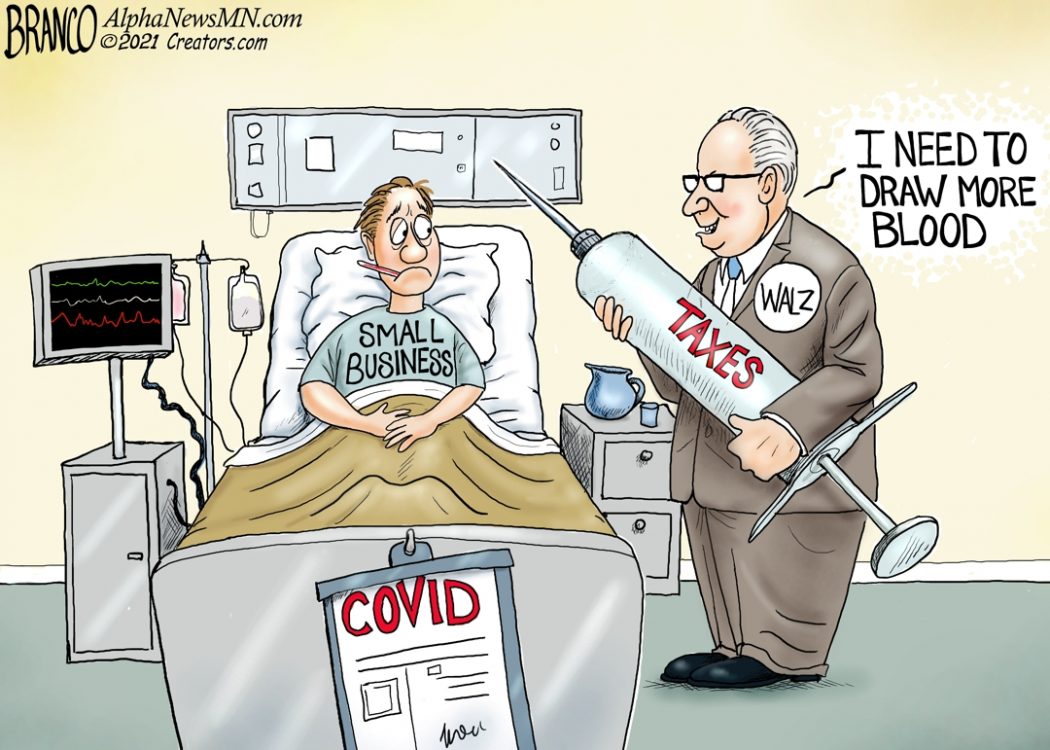 Political cartoon by A.F. Branco ©2021.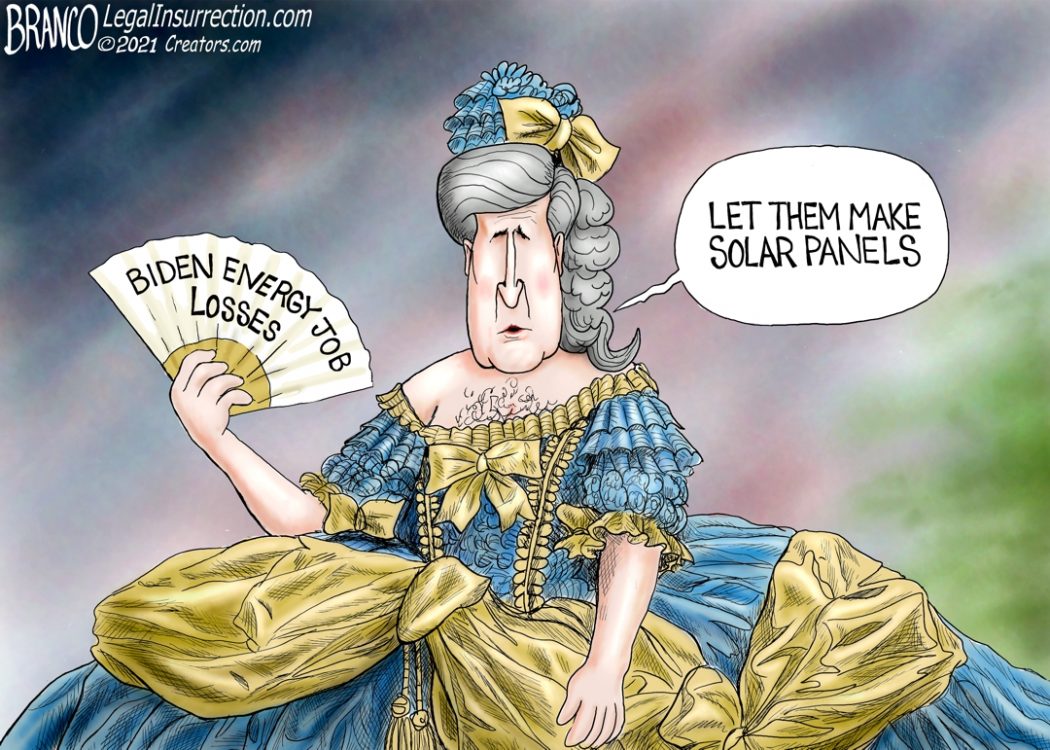


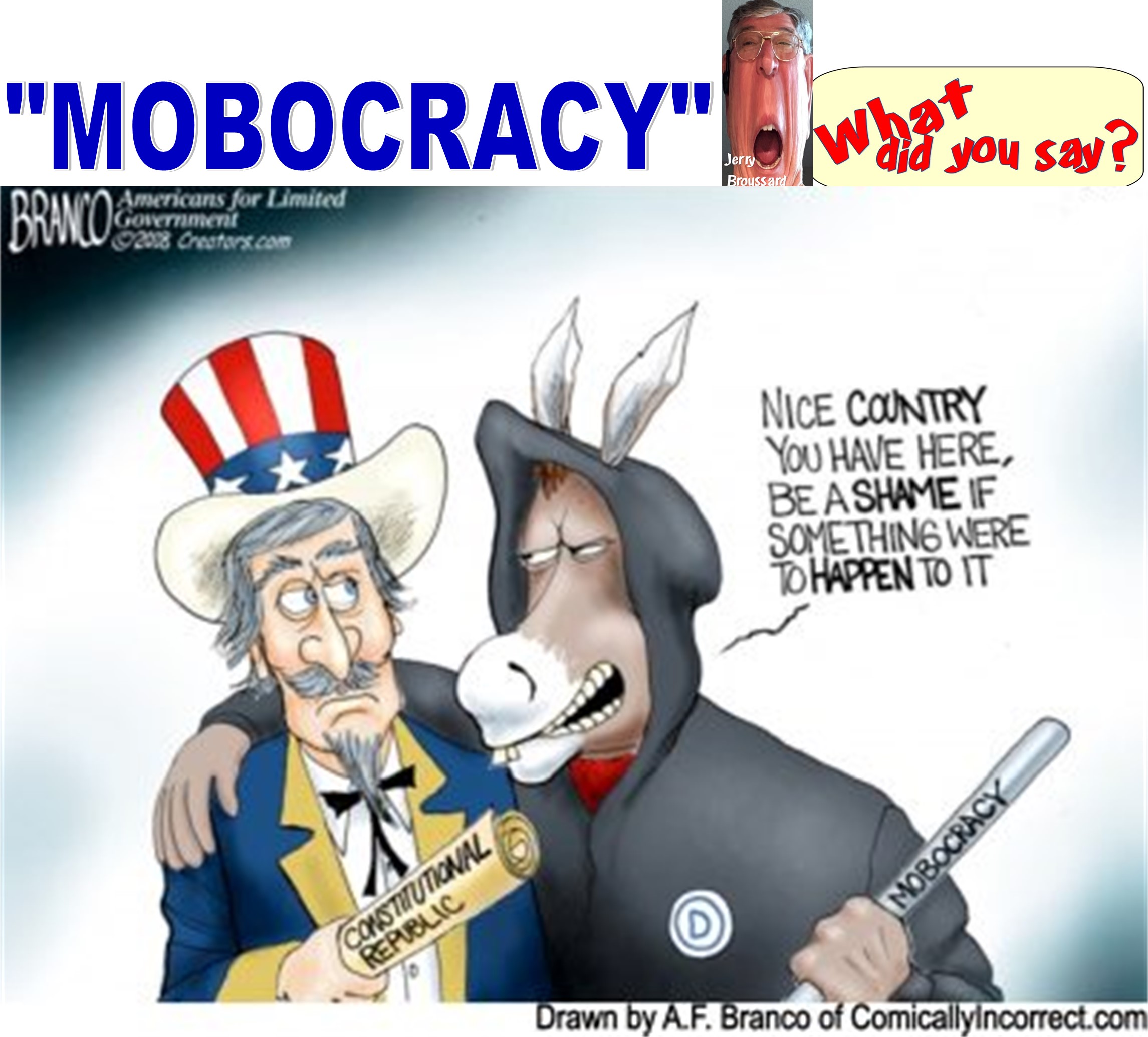


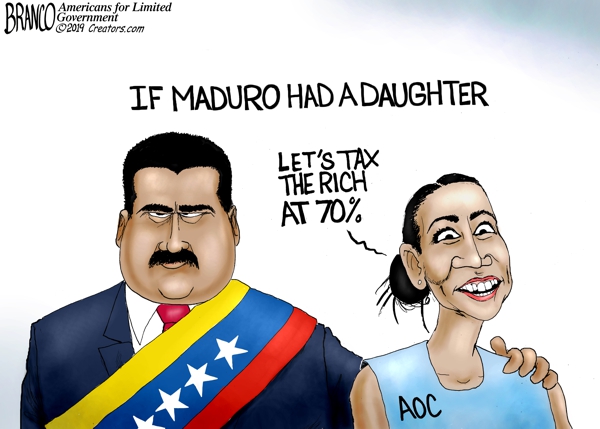
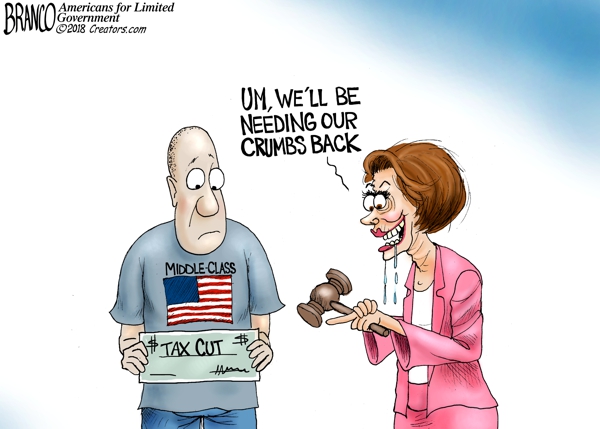 Political Cartoon by A.F. Branco ©2018.

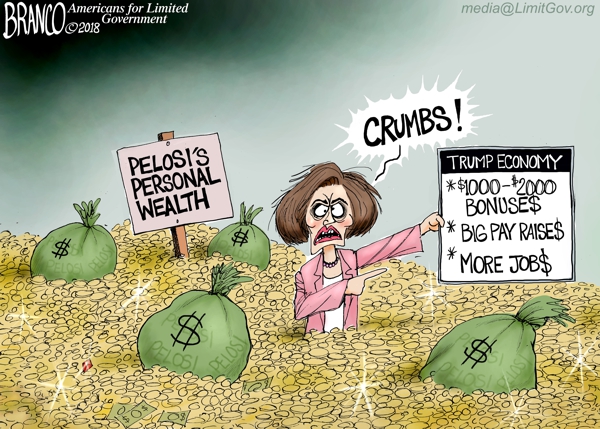 Political cartoon by A.F. Branco ©2017.


 alternative minimum tax.







 The U.S. holds a great deal of power in these negotiations


 path.”
 In reality, of course, most who bristle about politics are not serious. And for those who are, they surely mean a temporary move, not a final exit. In contrast, giving up citizenship is a big deal. Yet the number of published expatriates for the first three months of 2016 was a record 1,158. In 2015, there were approximately


 Hans Bader is Counsel at the Competitive Enterprise Institute in Washington. After studying economics and history at the University of Virginia and law at Harvard, he practiced civil-rights, international-trade, and constitutional law. Hans also writes for CNS News and has appeared on C-SPAN’s “Washington Journal.”


 What Did You Say?
American workers and motorists got some badly-needed relief this week when the price of oil plunged to its lowest level in years. The oil price has fallen by about 25 percent since its peak back in June of $105 a barrel. This is translating to lower prices at the pump with many states now below $3 a gallon.
At present levels, these lower oil and gas prices are the equivalent of a $200 billion cost saving to American consumers and businesses. That’s $200 billion a year we don’t have to send to Saudi Arabia, Kuwait and other foreign nations. Now that’s an economic stimulus par excellence.
Oil prices are falling because of changes in world supply and world demand. Demand has slowed because Europe is an economic wreck. But since 2008 the U.S. has increased our domestic supply by a gigantic 50 percent. This is a result of the astounding shale oil and gas revolution made possible by made-in-America technologies like hydraulic fracturing and horizontal drilling. Already thanks to these inventions, the U.S. has become the number one producer of natural gas. But oil production in states like Oklahoma, Texas and North Dakota has doubled in just six years.
Without this energy blitz, the U.S. economy would barely have recovered from the recession of 2008-09. From the beginning of 2008 through the end of 2013 the oil and gas extraction industry created more than 100,000 jobs while the overall job market shrank by 970,000.When the radical greens carry around signs saying “No to Fracking,” they couldn’t be promoting a more anti-America message. It would be like Nebraska not growing corn.
We are just skimming the surface of our super-abundant oil and gas resources. New fields have been discovered in Texas and North Dakota that could contain hundreds of years of shale oil and gas supplies.
Here’s another reason to love the oil and gas bonanza in America. It’s breaking the back of OPEC. Saudi Arabia is deluging the world with oil right now, which is driving the world price relentlessly lower. The Arabs understand–as too few in Washington do–that shale energy boom is no short term fad. It could make energy cheaper for decades to come. As American drillers get better at perfecting the technologies of cracking through shale rock to get to the near infinite treasure chest supplies of energy locked inside, we will soon overtake Saudi Arabia as the dominant player in world energy markets.
You can’t have a cartel if the world’s largest producer–America–isn’t a member. OPEC will never again be able to create the level of economic turmoil that the Arab members of OPECs engineered in the 1970s with their oil embargo. And by the way: lower oil prices place increased pressure on Iran’s mullahs to abandon their nuclear program and curb Putin’s capabilities to engage in East Europe aggression.
Yet the political class still doesn’t get it. As recently as 2012 President Obama declared that “the problem is we use more than 20 percent of the world’s oil and we only have 2 percent of the world’s proven oil reserves.” Then he continued with his Malthusian nonsense, “Even if we drilled every square inch of this country right now, we’d still have to rely disproportionately on other countries for their oil.” Apparently, neither he nor his fact checkers have ever been to Texas or North Dakota. And we don’t have 2 percent of the world’s oil. Including estimates of onshore and offshore resources not yet officially “discovered”, we have ten times more than the stat quoted by the president–resources sufficient to supply hundreds of years of oil and gas.
America, in sum, has been richly endowed with a nearly invincible 21st century economic and national security weapon to keep us safe and prosperous. The plunge in gas prices is just one visible sign of this supply explosion. Think of how much bigger this revolution could be if we started building pipelines, repealed the ban on oil exports, expanded drilling on public lands, and stopped trying to punitively tax and regulate the oil and gas.
For much of the last forty years, oil’s periodic price spikes have remained a constant threat to growth. Higher consumer energy costs as well as increased industrial production costs weighted on the economy. Now oil is one of the primary accelerators; the new big drag on the economy is politicians who despise the carbon-based industry.