On Tuesday, Wyoming became the 15th state to enact universal school choice into law with Gov. Mark Gordon’s signature on the Steamboat Legacy Scholarship Act.
The Cowboy State joins a rapidly growing group of states that have passed laws giving all (or nearly all) families statewide choice concerning their children’s kindergarten through twelfth-grade education. Those states are Alabama, Arizona, Arkansas, Florida, Idaho, Indiana, Iowa, Louisiana, North Carolina, Ohio, Oklahoma, Tennessee, Utah, and West Virginia.
The act grants families who choose to participate with an education savings account of $7,000 per student per year to allocate toward approved K-12 educational expenses. Education savings accounts with universal eligibility are the gold standard of school choice programs due to the flexibility they provide parents to select the best learning avenues for their children.
It also expands eligibility of the state’s existing pre-kindergarten education savings account program from parents with a maximum income of 150 percent of the federal poverty line to up to 250 percent. The amount provided to qualifying parents is $7,000. According to Gov. Gordon, “early education builds a very strong foundation. It’s important that when kids get to kindergarten, they have the grounding that’s necessary to be able to move forward, thrive and really do well.”
Wyoming Speaker of the House Ocean Andrew is a defender of education freedom and under his leadership the bill promptly passed the House by a 39-21 vote on Jan. 29. It then headed to the Senate.
Mid-February, President Trump applauded the leadership of Senate President Bo Biteman and urged every state senator to vote in favor of the bill. On Feb. 19, the Senate passed the bill with a vote of 20-11. As part of the Wyoming legislative process, a Joint Conference Committee was tasked to successfully negotiate the policy differences between the Senate and House, which was completed on Feb. 27. The following day, the Speaker of the House and President of the Senate both signed the bill, sending it to Gov. Gordon for signature.
Wyoming State Superintendent of Public Instruction Megan Degenfelder, who was voted into office in 2022, has been instrumental in providing a strategic plan for the state’s education system. She is a proponent of school choice and understands that it is a rising tide that lifts all boats. Of her six key initiative areas for education reform in Wyoming, “parental empowerment” are the first two words.
“As an economist, I know that greater choices lead to greater outcomes. I am an ardent supporter of universal school choice because even parents in the most rural corners of Wyoming should have the opportunity to determine the best education for their child,” Degenfelder told me.
Hats off to Wyoming leaders for embracing the innovative educational approach of a free market K-12 education landscape by enacting universal school choice. The market forces of competition will drive quality, spur innovation, and decrease costs, which are foundational for achieving the governor’s goal of a world-class education system in Wyoming.
Dr. Keri D. Ingraham is a Senior Fellow at Discovery Institute, Director of the American Center for Transforming Education, and a Senior Fellow at Independent Women’s Forum.
Aclassical charter school that was preserved after Republican-backed candidates took over the local school board just posted the top state test scores in the district. Students at Merit Academy, a 3-year-old K-11 public school that opens its 12th grade in 2025, also posted the best scores among the four districts that families in the Woodland Park exurb of Colorado Springs can choose from under open enrollment.
While test scores scratch the surface of student and school academic quality, these do help vindicate Teller County parents dissatisfied with extended school lockdowns, an increase in screen-based schooling, and creeping politicization of taxpayer-provided education. Due to these frustrations, this group of parents started a new public classical school in 2021 and took over their school board that fall to keep Merit open and growing. Merit nearly doubled in size the year after that. Charter schools are public schools run by independent boards that can be closed if students perform poorly.
The Denver Gazette offers a data visualization tool for state English and math tests. It shows Merit Academy’s top standing in the Woodland Park Re-2 district on both measures of academic performance.
The below graph that Merit Academy Headmaster Gwynne Pekron sent to parents, teachers, and staff last week shows the classical school’s test scores at No. 1 compared to the Woodland Park School District, Manitou Springs, Park County, Colorado Springs Early College, and Colorado Springs District 11.
The state scores for the last school year, 2023-24, came out for specific schools and districts on Aug. 29. Like their counterparts across the United States, Colorado children are still struggling to overcome lockdown-caused learning declines. This year, some grade levels of Colorado children performed as well as the same grade level in 2019, but many average results remained below pre-lockdown levels.
High schoolers have particularly shown less recovery of lockdown losses than younger students. Math scores are especially abysmal. Here are two graphs illustrating Colorado high schoolers’ PSAT results, from Colorado Public Radio.
Merit’s high schoolers — it had no eleventh grade in 2024 — also outperformed these state averages on the PSAT, a college entrance prep exam.
“We are extremely proud of these results and the work they represent, but aren’t done striving for improvement by a long shot,” Merit Academy founding board member John Dill told The Federalist.
The school board majority has publicly pledged support for high student achievement and parent choice at all Woodland Park schools, and points to Merit as an example of the effectiveness of their leadership on behalf of all local taxpayers and students. In the last three years, the board has raised teacher pay 16 percent and instituted performance-based raises.
Joy Pullmann is executive editor of The Federalist. Her new book with Regnery is “False Flag: Why Queer Politics Mean the End of America.” A happy wife and the mother of six children, her ebooks include “Classic Books For Young Children,” and “101 Strategies For Living Well Amid Inflation.” An 18-year education and politics reporter, Joy has testified before nearly two dozen legislatures on education policy and appeared on major media including Tucker Carlson, CNN, Fox News, OANN, NewsMax, Ben Shapiro, and Dennis Prager. Joy is a grateful graduate of the Hillsdale College honors and journalism programs who identifies as native American and gender natural. Joy is also the cofounder of a high-performing Christian classical school and the author and coauthor of classical curricula. Her traditionally published books also include “The Education Invasion: How Common Core Fights Parents for Control of American Kids,” from Encounter Books.
A teacher on the outskirts of Cincinnati is recovering from brain surgery after a student violently attacked her earlier this month. The 60-year-old teacher was harmed so severely by a teenager that doctors had to remove part of her skull to help manage swelling in her brain.
Last spring, a Tennessee teenager pepper-sprayed a teacher for confiscating her phone. Also last year, a Texas administrator was beaten to the ground by a group of students.
As school choice expands across the country, millions more parents have the chance to send their children to schools that best meet their needs. They are eager to flee schools that foster poor behavior. Parents know their children best, and they know a child’s best educational fit is based on more than only test scores and graduation rates. Academic performance is critically important, but so too are intangible factors that shape a child’s educational experience. It is no surprise that school culture is one of the top factors parents consider in choosing where to send their kids to school.
The most recent Parent Involvement in Education survey, conducted by the National Center for Education Statistics in 2019, found that 71 percent of parents who considered sending their children to a school other than their government-assigned one rated “safety, including school discipline” as “very important.” Only 53 percent ranked “academic performance of students (e.g. test scores, dropout rates)” the same way.
This concern for discipline and safety is not surprising. No parents want to send their children somewhere unsafe. Sadly, many schools tolerate bad behavior and thus foster more of it, creating an environment where teachers can hardly teach, and students can hardly learn.
School violence is on the rise for several reasons, two of which can be tied directly to policies pushed by teachers’ unions and fringe civil rights groups and accepted as gospel by many in the public education establishment. The first is prolonged school closures resulting in a steep decline in good behavior by students.
The Student Pulse Panel, a study conducted by the Institute of Education Sciences, found that 38 percent of public schools saw an increase in physical altercations between students following the pandemic. (Less than 10 percent saw a decrease.) More than half of public schools saw an increase in threats of physical altercations between students. The damage is not just physical. More than half of public schools reported an increase in “student acts of disrespect [towards staff] other than verbal abuse.”
The study says, “More than 8 in 10 public schools have seen stunted behavioral and socioemotional development in their students because of the COVID-19 pandemic.” But Covid did not cause student behavior to circle the drain. Prolonged school closures, driven by teachers’ unions and their political allies, meant that students forgot how to behave at school.
The second culprit is “restorative justice,” a so-called “disciplinary” model embraced by teachers unions and administered by school systems across the country. This harmful practice is by no means restricted to blue states, nor is it a post-Covid phenomenon. Leading into the pandemic, 21 states and D.C. had laws on the books supporting the use of restorative justice in schools. Among those states are Texas, Florida, and Utah, far from the usual suspects when it comes to educational malpractice.
Under restorative justice, suspending and expelling a student is to be avoided at all costs. Real consequences are replaced by “healing circles.” School resource officers are sidelined, and teachers lose control of their classrooms.
Every single one of the violent incidents noted above happened in a school or school district that has embraced restorative justice policies. The teacher near Cincinnati taught at a school that advised a “verbal warning using restorative practices and affective language” when students are disruptive. The school district in Tennessee is the home of a “restorative practice program,” and the Texas school had moved to adopt more restorative practices in its Campus Improvement Plan.
Education freedom can help solve this problem. Several studies have demonstrated that school choice leads to safer schools.
But a school culture need not be violent to be rotten. There is a reason “Mean Girls” resonates across generations. Bullying is real, it can be severe, and parents deserve the right to decide if and when their child needs a fresh start at a new school. No children should have to risk their mental health and emotional development because they can’t choose another school and get a fresh start.
A good school, the kind of school parents seek out for their kids when they have school choice, is one that not only excels academically but maintains high standards of behavior. Such schools excel academically in no small part because they maintain high standards of behavior. Test scores are only one piece of the education freedom puzzle. Parents see the full picture, and education leaders would do well to follow suit.
Angela Morabito is the spokesperson at the Defense of Freedom Institute, a former U.S. Department of Education press secretary, and a visiting fellow at the Independent Women’s Forum.
FIRST ON FOX: A Peach State lawmaker who angered her Democrat colleagues in the Georgia state House of Representatives over her support for a recent school choice bill has announced she is officially switching parties.
Mesha Mainor – a Democrat who has represented District 56 in the Georgia House since January 2021 – announced the decision shortly before noon Tuesday that she will switch her party registration to Republican.
“When I decided to stand up on behalf of disadvantaged children in support of school choice, my Democrat colleagues didn’t stand by me,” Mainor explained of her decision in a statement to Fox News Digital. “They crucified me. When I decided to stand up in support of safe communities and refused to support efforts to defund the police, they didn’t back me. They abandoned me.“
“For far too long, the Democrat Party has gotten away with using and abusing the black community,” she added. “For decades, the Democrat Party has received the support of more than 90% of the black community. And what do we have to show for it? I represent a solidly blue district in the city of Atlanta. This isn’t a political decision for me. It’s a moral one.“
Mesha Mainor is a Democrat who has represented District 56 in the Georgia state House of Representatives since January 2021. (Mesha Mainor)
Mainor made clear that her work across party lines will continue after she switches parties, saying she has “never hesitated to work across the aisle to deliver results for my community and the people I was elected to represent. And that won’t change.”
Mainor said that she has “been met with much encouragement” amid her decision to switch parties and noted that it’s “humbling to be embraced – for the first time in a long time – by individuals who don’t find fault in a black woman having a mind of her own and be willing to buck the party line.“
Asked whether she believes she will face pushback from Democrats over her decision, Mainor said, “The most dangerous thing to the Democrat Party is a black person with a mind of their own. So, it wouldn’t surprise me.”
As for her priorities after switching parties, Mainor said she will continue to focus on education and expanding the Republican majority in the House.
“Education and the importance of school choice has been – and will continue to be – a key focus of mine,” she said. “But outside of education, I look forward to working with my colleagues in the Georgia General Assembly to tackle the most pressing issues facing our state and to help grow the Republican Party, helping us focus not just on preaching to the choir but growing the congregation.”
In a video shared to social media in May, Mainor accused Democrats of turning against her for being a staunch school choice advocate.
“I support school choice, parent rights and opportunities for children to thrive, especially those that are marginalized and tend to fail in school,” Mainor said at the time. “The Democrats at the [Georgia State] Capitol took a hard position and demanded every Democrat vote against children and for the teachers union. I voted yes for parents and yes for children, not failing schools.”
Mainor justified her position by noting that some schools in her district have 3% reading proficiency rates and that many kids cannot do simple math.
Mainor made clear that her work across party lines will continue after she switches parties, saying she has “never hesitated to work across the aisle to deliver results for my community and the people I was elected to represent.” (Georgia House of Representatives)
“I have a few colleagues upset with me to the point where they are giving away $1,000 checks to anyone that will run against me,” Mainor continued. “I’m not apologizing because my colleagues don’t like how I vote.”
Mainor also explained at the time that parents are upset that some politicians “put the teachers union and donors ahead of their constituents.”
Mainor’s speech took a personal turn when she accused her colleagues of being upset that she stood up for her principles.
“It’s ironic. I’ll say every election year, I hear ‘Black Lives Matter.’ But do they? I see every other minority being prioritized except Black children living in poverty that can’t read,“ Mainor argued.
“We’ll send $1,000,000 to the border for immigrant services. But Black communities, not even a shout-out. I’m sorry, I don’t agree with this,” she added. “I’m not backing down and I’m actually just getting started.”
Earlier this year, amid criticism from her Democrat counterparts in the state legislature, Mainor supported a school choice bill that would have expanded opportunities for students who attend Georgia’s lowest-rated schools. Georgia Senate Bill 233 would have created $6,500 vouchers for students at schools performing in the bottom 25% in the state to help pay for private school tuition and homeschooling expenses if they were inclined. Republican Gov. Brian Kemp pushed for it, and it appeared to have the votes to pass under the Republican-controlled Golden Dome, until 16 House Republicans voted it down.
Mainor’s decision to switch political parties while in office, which extends the Republican majority in the House, comes after former Georgia state Rep. Vernon Jones made the same move in 2021.
Vernon Jones (Getty Images)
In an op-ed for Fox News, Jones argued in January 2021 that he was no longer a Democrat because he “cannot stand for the defunding of the police, higher taxes on working families and job-killing socialist policies that will devastate Americans of all walks of life.”
“Now, let me make one thing clear – I haven’t changed. The Democratic Party has changed. It’s become a toxic combination of radical leftists and liberal elites in San Francisco and Hollywood have taken over my former Party,” he added at the time.
Fox News’ Andrea Vacchiano, David Rutz and Brian Flood contributed to this report.
The Washington Post’s Valerie Strauss is at it again: amplifying far-left partisans in their war on quality education for American kids. On June 8, she wrote about a report claiming schools that use a classics-based curriculum are vanguards of “right-wing Christian nationalism.”
Schools that emphasize personal virtue, English grammar, classic literature, patriotism, original source-based history, traditional and rigorous math and science, and classical artistic training are “designed to attract Christian nationalists with specific imagery and curriculum,” Strauss slanderously claims. I’m not making this up: She and the report claim the American colors of “red, white, and blue” and pictures of the American founders are racist dog whistles.
Such imagery on the schools’ websites is “designed to attract White conservative families,” Strauss says, citing the report. The implicit bigotry is appalling — assuming some people wouldn’t be interested in patriotic ideas simply because of their skin color. Who’s the racist: people who think American patriotism has a skin color or people who don’t?
Strauss and the report she’s citing also attack schools that promote virtuous behavior to their students, because “values” and “virtues” “stand as shorthand for quoted scripture.” We can’t have kids learning about the deep religious beliefs that created their unprecedented equality, liberty, and opportunity, now, could we? That would be horrible! They might, you know, shovel driveways for the elderly, stay faithful to their spouses, and donate their time and money to charity!
According to these anti-American, anti-Christian partisans, who clearly reject the founding American statesmen’s views about the purpose of public education, there’s absolutely no room for teaching children virtue, morality, or religion in public schools. What an interesting message to Christian parents from the people who control public education.
The report makes sure to target highly successful networks of classical schools, including those run by parents trained at and given free curriculum from Hillsdale College (my alma mater), the Great Hearts Academies, and Liberty Common in Fort Collins, Colorado, a model for many other classical schools. Strauss paints it as nefarious that a guy who wrote in The Federalist noticed such schools exist for the “purpose of forming young minds,” as if every single school in existence doesn’t form the minds who enter.
What she really means is that only the left should be allowed to shape people’s minds. That’s what this report and article are really about: boxing out of public education anyone who doesn’t think exactly like politically extremist teachers union leaders do.
This is another illustration of the reality that today’s left doesn’t believe in sharing the public square, public funds, or anything else with people who don’t parrot their views. This is why leftist-run schools don’t educate, they indoctrinate: You can’t educate without conversation.
Monologues are not conversation. Conversation is not shouting down ideas, banning them, or slandering them. That’s why suddenly conservatives are the only ones who believe in free speech, honoring our country’s fathers and mothers, and educating without indoctrinating: The left has abandoned these common goods in the pursuit of political power.
This report is the work product of the Network for Public Education (NPE), founded by Diane Ravitch, who used to believe in educating kids about their American heritage with original source documents. I’d bet you her U.S. history book is on the shelf in many of the schools this report targets because it is in my kids’ Christian classical school.
But Ravitch has subjugated herself to leftist ideology as she’s become more professionally dependent on corrupt teachers unions. She now seeks to foist a similar intellectual degradation on innocent kids. It’s a shame.
Given this connection, it’s no surprise NPE is financially, ideologically, and professionally connected to the nation’s largest teachers unions, which are gigantic, far-left political operations. The Chicago Teachers Union gave NPE and its political action fund, Network for Public Education Action, a series of grants that look like a startup endowment, according to CTU’s own website and its tax forms. From 2014 to 2016, the union’s foundation gave NPE $265,000, according to its tax forms.
CTU is a large affiliate of the massive national American Federation of Teachers union. It is notorious for extremist behavior, including shutting down Chicago schools in 2022 in defiance of elected officials’ decision to restart school post-Covid.
CTU takes in $32 million a year, and the AFT takes in more than $200 million a year, according to their public tax forms. CTU has something like $60 million in assets, and AFT has $140 million. Each has multiple other arms that also rake in millions each, as well as functioning as distributing houses for all the public money they collect.
The NEA, by the way, takes in $600 million a year, and has more than $450 million in assets, according to its tax records. Teachers unions are essentially giant political money laundering operations and among the top donors to the Democrat Party.
NPE says it has also received money more recently from the Schott Foundation for Public Education, which Peter Cook says received more than $1.3 million from unions between 2011 and 2019, according to their disclosures to the U.S. Department of Labor. Schott itself discloses AFT and National Education Association union funding on its website.
Like teacher’s unions, which strongly support political extremism such as teaching small children about gay sex and hiding kids’ gender struggles from their parents, NPE is an ideologically far-left organization. A conference attendee noted the organization considered canceling or moving its 2016 conference in North Carolina after the state passed a law requiring men to stay out of women’s bathrooms. The report’s retired journalist coauthor is a longtime school choice opponent and teachers union mouthpiece.
So, it’s quite rich for an organization connected to some of the biggest leftist political organizing operations in the United States to complain about politics in public education. What they’re really complaining about is competition, which is gaining steam because of how badly these far-left union activists are mangling public schools.
Union money goes all across the country to target any education innovations that threaten their control of the system. Classical schools are one of those threats.
Lots of parents aren’t happy with the current results of unions’ giant political influence operations masquerading as public education. Instead of responding to parents’ concerns about the lack of quality in their kids’ schools and the proliferation of extremist politics, the interest groups making billions off public education belittle concerned parents as Nazis. (Obviously, “white Christian nationalism” is to them a synonym for “Nazi,” a deeply offensive slander that is somehow OK for the left to throw at anyone who disagrees with their politics.)
“[T]he classical/right-wing sector is rapidly growing. Forty-seven percent of the schools we identified opened since the inauguration of Donald Trump in 2017,” the report says. It includes zero reflection about how the rise in leftist extremism since Trump’s tenure may have contributed to this rapid exodus of parents from conventional public schools.
If more parents get better schools that don’t happen to force teachers to launder billions of dollars to the Democrat Party through mandatory union dues, this entire multibillion-dollar power-mongering racket is in danger. This is not at all about the best education for kids; it’s about money and power.
On Tuesday, Wisconsinites will once again head to the polls in a race that has garnered national attention and set national spending records for a judicial race. According to the most recent Wispolitics.com tally, the two Wisconsin Supreme Court candidates and outside groups have combined for over $45 million in spending. What’s at stake? All of the reforms of the Gov. Scott Walker era, and more.
Home to Walker, former Speaker Paul Ryan, former RNC Chairman and White House Chief of Staff Reince Priebus, and conservative star Sen. Ron Johnson, Wisconsin has enjoyed an outsized role in national politics since 2010. Instead of cautiously governing like so many administrations in purple states, Walker and his allies advanced some of the boldest reforms in the nation. Starting with the historic Act 10 that resulted in a siege of the Capitol (and over $15 billion in taxpayer savings), conservatives advanced bold reforms like Right to Work, voter ID, concealed carry, castle doctrine, and a dramatic expansion of school choice.
Now, Wisconsin’s growing leftist base sees an opportunity to overturn all of the hard-fought reforms by flipping the state’s high court. Politico recently proclaimed the race “could be the beginning of the end for GOP dominance.” This would obviously be bad news for conservatives nationally since Wisconsin will undoubtedly play a huge role in who is president in 2025.
The two candidates running to replace the former conservative Chief Justice on the current 4-3 conservative court could not be any more different, and whoever wins will determine the ideological control of the court for years. Running as the progressive is Milwaukee County Circuit Court Judge Janet Protasiewicz. Instead of articulating a coherent judicial philosophy, she has consistently emphasized her “values” and how they will influence her decisions. She has also troublingly declared that Wisconsin’s legislative maps are rigged – announcing her thoughts on an issue that is likely to come before the court if liberals gain the majority. She has stated that she disagrees with the U.S. Supreme Court’s Dobbs decision that returned abortion law to the states. She is also the candidate that the left apparently sees as showing they “are done pretending that judges are merely legal umpires.”
Contrast Protasiewicz’s activism with the originalist approach of former Justice Dan Kelly, appointed to the court by Gov. Scott Walker, who authored historic decisions during his four years on the court and consistently quotes from the Federalist Papers on the campaign trail. His lead opinion in Tetra Tech upended decades of deference to administrative agencies.
While Kelly has been supported by the Republicans and Protasiewicz by the Democrats, it is clear that Protasiewicz views the job of a judge as a super partisan legislator, supplanting the legislature’s authority with that of her own. Forecasting what a liberal majority would do Wisconsin’s duly-enacted reform regime, liberal Justice Jill Karofsky herself has declared specifically that “everything that Wisconsinites care about is on the line in this election, from abortion rights to fair maps to the 2024 election to democracy itself, all of those things are going to be on the ballot on April 4th…” These are all issues that have been settled by the democratically elected legislature but are apparently all on the table for a liberal majority of the court.
While abortion, crime, and redistricting have been the main focus of the media and outside groups during the campaign, several other cases could be brought which would fundamentally transform the landscape in Wisconsin. Even cases that have already been addressed by the U.S. Supreme Court are at risk of novel interpretations under the Wisconsin constitution by a new progressive majority.
An issue impacting tens of thousands of Wisconsin families that could be dramatically affected by the balance of the state Supreme Court is school choice. In 1998, the Wisconsin Supreme Court upheld the choice program for religious schools in Jackson v. Benson. There, the court reversed the lower court, holding that the Milwaukee Parental Choice Program was valid under both the Establishment Clause and Article I, Section 18 of the Wisconsin Constitution, which prohibits the use of money from the public treasury to be used for the benefit of religious societies, religious schools, or seminaries. The holding was based in large part on the fact that students in the program were not compelled to attend sectarian schools nor forced to participate in religious activities. The Court further held that public funds may be given to third parties as long as the program on its face is neutral between sectarian and nonsectarian alternatives and that the transmission of funds is guided by the decisions of independent third parties.
While the decision in Jackson has been in place for a generation, a court viewing itself as a super-legislature could undo the decision in part, or in whole, based on a narrowed view of the constitutional provisions reviewed in that case, particularly relative to monies “drawn from the treasury” that are used in the choice program. A court decision holding a strict view of the provision could decimate a program that provides alternatives to families desperately looking for an alternative to failing public schools.
Another issue likely to surface in the event the ideological makeup of the court shifts, as it has recently in other states, is the constitutionality of Wisconsin’s voter ID law. In League of Women Voters v. Walker and Milwaukee Branch of NAACP v. Walker, leftist groups challenged Wisconsin’s 2011 voter ID law, claiming the legislature lacked authority to enact a voting qualification under the Wisconsin constitution and that the law was an undue burden on the right to vote. Upholding the law, the Court noted that requiring an ID was within the legislature’s authority to provide for laws relating to elector registration under Article III, Section 2, that the law was a reasonable regulation that “could improve and modernize election procedures, safeguard voter confidence in the outcome of elections and deter voter fraud,” and that the burdens of gathering the required documents, traveling, and obtaining a photograph ID were not a substantial burden.
In a challenge to the voter ID law under the state constitution’s right to vote, an activist court could hold that a record demonstrating that numerous individuals claiming to have been deterred from voting because of the burden of obtaining an ID is evidence of a “substantial burden” that outweighs the threat of voter fraud and could strike down the law. The left will undoubtedly come after this important law ahead of the 2024 election as it has recently in other states. In a state with razor-thin margins of victory for conservative super-stars like Sen. Ron Johnson, opening the gate to fraudulent votes in the absence of a voter ID law could have major consequences in 2024 and beyond.
Finally, and least covered by the media, are the ramifications the court race might have on the shift of power back to the deep state. In the 2018 case Tetra Tech EC, Inc. v. Wis. Dep’t of Revenue, the court departed from its practice of “deferring to administrative agencies’ conclusions of law.” In a case where a citizen may be challenging an agency’s interpretation of law or administrative rule, the court would no longer review the agency’s action with a “bias” toward the agency’s own interpretation. Agency interpretation is an issue that arises in courts every day across the country, measuring the amount of authority an agency wields on virtually any issue, ranging from taxation to education to election administration – many times involving an agency seizing authority the legislature never gave it. A restoration of agency deference by an activist court could result in an immediate shift of authority from the legislative branch to the unelected officials in the executive branch.
During the final days of the race, former Justice Dan Kelly is sprinting across to the state with a final closing message: saving the court. But the race is about more than just the court. It could impact policies duly enacted by the legislature that conservatives have worked for a generation to obtain. It will make a difference in securing elections and electing strong conservatives like Ron Johnson, who has demanded Covid transparency and has taken on the deep state, or electing central planners like Tammy Baldwin who want to strip us of our freedoms. The election on Tuesday presents a fundamental choice to voters.
Do they want Wisconsin to lurch backward with a progressive court that will undo so many of the reforms the legislature and Gov. Walker worked to implement over the last decade, or are they going to vote to save the court by elevating a former justice that will ensure a conservative majority that respects the law as written by the legislature? The choice is obvious. Save the court and save the state.
Dave Craig is a Waukesha attorney and served in the Wisconsin Legislature from 2011 to 2021. Prior to his election, he worked as an aide to Congressman Paul Ryan. Jake Curtis is an Ozaukee attorney who previously served as an agency Chief Legal Counsel in the Walker Administration.
Arkansas Gov. Sarah Huckabee Sanders (R.) / Getty Images
LITTLE ROCK, Ark.—Less than one month into her first term as Arkansas governor, Sarah Sanders was tapped to deliver the Republican response to President Joe Biden’s State of the Union, a speaking slot typically granted to rising stars in the party with the intent to elevate them onto the national stage. But stepping onto the national stage doesn’t appear to be Sanders’s goal—at least for now.
In her address, she used Arkansas as the example of what Republicans are doing across the country. “Here in Arkansas and across America, Republicans are working to end the policy of trapping kids in failing schools and sentencing them to a lifetime of poverty,” Sanders said. ”We will educate, not indoctrinate our kids, and put students on a path to success.”
In an hour-long interview, the former White House press secretary dodged questions about the 2024 election, diverting the conversation back to what she’s doing in Arkansas.
She already has substantive accomplishments to point to. This past Tuesday, exactly one month after her State of the Union response, the state legislature passed Sanders’s signature legislation, an ambitious overhaul of Arkansas schools, and she has already signed it into law. Corey DeAngelis, a leading advocate for school choice, said Arkansas is now the “gold standard for educational freedom.”
The bill is a kitchen-sink approach to education reform—in addition to establishing universal school choice, it yanks obscene sexual materials and critical race theory from classrooms, sets stringent new learning standards, and raises the base teacher salary from $36,000 to $50,000.
“This is what bold conservative education legislation looks like,” Sanders said from the governor’s office, where she monitored the debate on the bill taking place on the other side of the Capitol.
And Sanders says Arkansas as a whole can be the “blueprint” for what conservative states could do.
Sanders joins a crowd of superstar Republican governors making headway by focusing on schools, and armed with a legislature of staunch conservatives, she’s charging ahead of other states. Florida’s Ron DeSantis is still fighting to get the sorts of reforms passed by Arkansas in Sanders’s first few weeks over hurdles in his legislature—his universal school choice bill, for example, faces even some Republican opposition. Sanders came out of her long campaign in Arkansas eager to establish herself as the “Education Governor” and thus far is doing just that.
Sanders’s growing profile has also made her a target of Democratic activists and politicians. Washington Post columnists are writing hit pieces questioning why anyone would move to Arkansas: “Good luck recruiting Californians for Arkansas, Sarah Sanders,” wrote Philip Bump. Shortly after Sanders’s national address, California Democratic governor Gavin Newsom took aim at Arkansas’s crime rate and last week was taking shots on Twitter about local Arkansas pieces of legislation.
Sanders acknowledges that she’s drawing more scrutiny to her state, but she doesn’t think that’s a bad thing. “We outkick our coverage, frankly, in a lot of places,” she said.
“When it comes to politicians on the national stage for a small state, we have some pretty big names out there,” the governor said. “I’m sure you’ll find people that will disagree, but my opinion is that it’s a good thing for our state, and I plan on using that platform to better us.”
Sanders says the critics are unavoidable. “I try to tune it out and stay focused on the objectives in front of us. There are people who wouldn’t care what’s in the bill, they’re gonna hate it simply because I’m associated with it. They don’t want to see me be successful. Certainly, that’s disappointing, but not surprising, and it’s not gonna slow us down from doing things that we feel like are the right thing to do.”
Sanders sharpened her ability to drown out the critics as White House press secretary. Not only was Sanders the longest-serving Trump administration press secretary—she was the only person to hold the job for more than a year—she was also the most successful, taking over as the daily briefing became a media feeding frenzy and adding a semblance of order to the chaos. She remains beloved by staff, some of whom followed her to Arkansas, and her former boss, to whom she still talks regularly.
Though Sanders is taking advantage of lessons learned at the White House, former colleagues say she’s also developed the ability to talk fluently about policy.
“We used to tell her, you need to get more detail,” said a former White House colleague. “Now the opposite is the case. She’s gone from somebody who was laser-focused on communications with a thin understanding of the policy to somebody who is a policy expert. It’s impressive to me.”
It’s not the first transformation of her career, Sanders says. When she first joined the Donald Trump campaign, she never foresaw that she’d become the lead spokeswoman for Trump’s administration.
“I was much more on the strategy and political operation side, and really didn’t see myself as a front person or the public-facing individual,” she explained.
Sanders joined the Trump campaign in 2016 to do coalition-building in the South, but after a few TV appearances, Trump called her to say he wanted to see her on television every day. And at the White House, after Sanders filled in for then-White House press secretary Sean Spicer while serving as his deputy, Trump tapped her to fill the job.
Her rise to the Arkansas governorship is a different story. Sanders announced her run in January 2021 and, as the prohibitive favorite from the outset, had two years to prepare for the job. It’s during that time that she decided she wanted to be the “Education Governor”—she not only became an expert on the issue but also gained confidence that she had to make it her trademark legislation.
“I went to all 75 counties,” Sanders said. “Everywhere I went as I traveled on the campaign for two years, every community wants their kids to do better. If we don’t have a good education system in place, then we are not setting our kids up for success.”
On the ground in Arkansas, Republicans say Sanders has brought a “new energy” to the legislature. “The whole atmosphere and mood of everything is different,” said Bart Hester, who leads the state’s upper chamber. “It’s such a fun energy, an exciting and new energy. It’s fun to come in everyday.”
Hester says the onslaught of opposition from teachers’ unions against the education bill was no match for Sanders.
“We have a governor now where members are more scared of her than they are their superintendents or the teacher union—we’ve never experienced that,” Hester said. “They don’t want to disappoint her—they know that she’s super popular, they don’t want to be the guy that was against their number-one priority.”
Sanders scoffs at suggestions that her education plan was a “copycat” of legislation championed by DeSantis, another high-profile Republican governor. “Hard to copy when ours is much bigger and goes much further,” Sanders said. But she has nothing negative to say about her Republican counterpart in Florida, and says there’s a “great sense of camaraderie and willingness to share best practices” between her and DeSantis, who has emerged as Trump’s chief competition in the Republican Party.
Sanders is yet to weigh in on who the Republican presidential nominee should be in 2024—her “focus is solely on Arkansas,” she says, in the same way every ambitious and upwardly mobile politician does. And Trump, her former boss, reportedly called Sanders in recent weeks to ask for her endorsement, which still hasn’t come.
But she also said she “maintains a great relationship” with Trump, and left the door open for an endorsement in the future.
“When the time comes, maybe, but right now, I don’t want to do anything that takes away from the huge agenda list that we have to get done here in Arkansas,” Sanders said. “I don’t intend on slowing down on that front at any point soon. And so I don’t want to do anything that takes away, not just my attention, but also the attention of what we’re accomplishing.”
A former White House colleague who remains close to Sanders doesn’t expect her 2024 neutrality to change any time soon. “Trump’s not her boss anymore,” the former colleague said. “Her boss is the people of Arkansas, and that’s where I assume her priorities will lie.”
Republicans in the state appreciate her focus on Arkansas and recognize she’s putting the work they’re doing in the Capitol first. “Everyone wants a minute with her—she can be Sarah the national celebrity, or Sarah the governor, and she only has so many minutes in a day,” Hester said. “She is spending those minutes as Sarah the governor.”
Republican state senator Matt McKee says Sanders has the whole legislature bullish on Arkansas.
“I know Florida’s been at the forefront, Texas has done things, but Arkansas can be the place,” McKee said.
Sanders says her appreciation for Arkansas has grown since moving her family back to her home state. After traveling to each county for her campaign, she has enhanced her ability to sell the state to visitors. The governor boasts that she can point to the best place to eat in any Arkansas town—this reporter was sent to CJ’s Butcher Boy Burgers in Russellville.
When it comes to dining, things are going more smoothly for Sanders in Arkansas. Thus far, she says she hasn’t been denied service, as she was in 2019 at the Red Hen restaurant in Virginia.
“You know, knock on wood, I have not been asked to leave any restaurant so far,” Sanders said. “It’s amazing to be home.”
On Tuesday, Iowa became the second state in the country to pass universal school choice, directly providing families with funds to support their children’s education. Arizona was the trendsetter for this new wave of educational freedom after Gov. Doug Ducey signed universal school choice into law on July 7, 2022.
Now the race is on to advance educational freedom, with several red states looking to follow suit. The significance of these developments can hardly be overstated. What was once a pipe dream for many education reformers — the enabling of school choice at scale during their lifetimes — is now becoming a reality.
Iowa Gov. Kim Reynolds, true to her word, wasted no time in the 2023 legislative session by introducing the Students First Act in her Condition of the State address on Jan. 10. Within two weeks, the bill was signed into law. It took less than 24 hours for debate in the House and Senate, followed by Reynolds’ signing. The education savings account (ESA) program will provide parents with approximately $7,600 annually to allocate toward approved educational avenues. Most families are eligible in years one and two, and the benefit will be extended to all families statewide in year three.
Of course, powers beholden to leftist teachers unions should not be expected to go down without a fight. Even in pioneering state Arizona, new Democratic Gov. Katie Hobbs seeks to undo its universal school voucher expansion law in her 2023 budget proposal. With Republicans controlling both state legislative bodies, her proposal will likely go down with the same fate as her massively failed veto referendum that sought to stop the law from taking effect while she was secretary of state last fall. For a politician, Hobbs is remarkably insensitive to the views of Arizona voters, 67 percent of whom support the state’s ESA program (the number jumps to 77 percent of Arizona parents of school-aged children).
States with a Republican governor and GOP majorities in both their House and Senate, on the other hand, are leading the charge across the United States to empower parents with options. The goal is universal school choice — through ESAs — to provide flexibility for families to select their desired educational avenue. Funds can be spent on school tuition, homeschool expenses, online learning, tutoring, special needs therapy, learning materials, and other education-related expenses.
ESA programs not only afford parents options outside of government-run, union-controlled public schools, but they save the state money because typically only a portion of the student state funding is provided. For example, in Arizona, instead of upwards of $12,000 spent per student within the public system, the ESA provided to families is only $7,000.
As the race to pass universal school choice picks up speed, several states could be heading to the home stretch in the coming weeks and months.
Utah is positioned extremely well to join the universal school choice ranks as the House and Senate have both passed the “Utah Fits All Act” as of January 26. If signed into law by Gov. Spencer Cox, families would have access to roughly $8,000 each year for educational expenses.
Florida is historically a national leader in school choice, with almost half its students learning in an option outside of their assigned traditional public school. Current legislation is calling for universal school choice. With Republican lawmakers holding supermajorities in both the House and Senate, and Gov. Ron DeSantis at the helm, it’s only a matter of time.
Oklahoma is a contender in the educational freedom race. The Education Freedom Act is currently in the Senate, which has a 40-8 Republican supermajority. The House has an 81-20 supermajority. Once the bill hits educational freedom champion Gov. Kevin Stitt’s desk, it will be signed into law. It will grant all families statewide access to an ESA based on the state’s per-pupil education expense. State Superintendent Ryan Walters is a fierce supporter of empowering Oklahoma families with educational freedom to select the schools that will best serve their children.
Texas, traditionally lagging behind other red states on school choice, is not to be counted out this session in advancing ESAs. In May 2022, Gov. Greg Abbott urged lawmakers to empower parents through state funding following students. As the months passed, the groundwork was laid, including debunking the notion that school choice does not benefit rural areas or that it hurts rural school districts.
West Virginia was the national leader prior to Arizona passing universal school choice in 2022. In West Virginia, roughly 93 percent of students have access to the Hope Scholarship to date. There is the possibility to expand it to 100 percent of the state’s children within the next three years. Despite the state’s families having negligible educational freedom options until 2019, West Virginia is now among the leaders.
Indiana has efforts underway to expand the state’s existing ESA program to all students statewide while also increasing the grant amount from 90 percent of the per-student state funding to 100 percent. That would translate to an average of $7,500 allocated per student for educational expenses of the parents’ choosing.
Arkansas shouldn’t be overlooked this session. Newly elected Gov. Sarah Huckabee Sanders has stated her support for plans to “empower parents with more choices … so no child is ever trapped in a failing school.”
The tide is turning, and the implications are tremendous. No longer will families be at the mercy of government-run, union-controlled traditional public schools. Parents in an increasing number of states will be empowered as decision-makers in their children’s education.
The question is: Which state will be next to achieve universal educational freedom?
Dr. Keri D. Ingraham is a Fellow at Discovery Institute, Director of the American Center for Transforming Education, and a Visiting Fellow at Independent Women’s Forum.
Religious devotion, the keystone of ordered liberty in the West, has been under systematic assault by anti-religious forces Barr called an ‘atheocracy.’
The West is facing its deepest civilizational crisis since Jesus Christ resurrected, and addressing the crisis requires removing militant secularists’ monopoly on education, former U.S. attorney general William Barr told a packed Christian conference in Chicago, Ill. on Saturday.
“We are going through a fateful crisis in western civilization. This is the deepest crisis we’ve faced in my mind since Christ,” Barr said. “That’s because our whole civilization is based on the Judeo-Christian tradition and that tradition is under sustained attack by increasingly militant secular forces.”
In a reprise of a 2019 speech at Notre Dame University that met massive corporate media backlash, Barr told the audience U.S. public schools have become hostile to traditional religion while wresting control of American children’s upbringing from their parents. This is a threat to the entire Western order, Barr said, because the unique American system of self-government cannot exist without a citizenry that is committed to traditional religion.
That’s because there are only two ways to restrain people from following disordered passions, Barr said: internal restraints, which are largely provided by one’s beliefs; and external restraints, which are typically provided by government. So, in order to have a limited government, Barr noted in an explicit echo of the American Founders, citizens must practice self-restraint. Such self-restraint is primarily developed through religious devotion, he said. But religious observance, the keystone of ordered liberty in the West, has been under systematic assault by anti-religious forces Barr called an “atheocracy,” his amalgam of the words “atheist theocracy.” These anti-religious forces now control the minds of American kids due to their monopoly on U.S. education institutions.
“The threat today is not that religious people are about to establish a theocracy in the United States, it is that militant secularists are trying to establish an atheocracy,” Barr said. Barr also spoke to The Federalist about the asymmetric justice being carried out under Joe Biden by the agency he has led twice, the U.S. Department of Justice.
In a 2021 interview with the legal nonprofit Alliance Defending Freedom, Barr said anti-religion leftists have effectively turned public schools into “secular-progressive madrassas.” In his Chicago speech on Saturday, the nation’s former top lawyer told the audience this state of affairs is likely a violation of the Constitution’s ban on government establishment of one religion over others, as well as a violation of the Free Exercise Clause that forbids the government from interfering with Americans’ religious obligations.
“What we’re living through is not a situation where religion is intruding into the government’s rightful arena, it’s exactly the opposite: It’s that government and politics is usurping the role of religion,” Barr said.
Barr told the sold-out Chicago audience at the 2022 conference of the Christian radio show “Issues, Etc.” that American politics now aligns with religious beliefs. The dichotomy in American life is no longer about prudential issues but religious ones: whether one acknowledges an objective, external, unchanging reality ordered by a transcendent deity or whether one insists the material world is all there is, which makes one’s god the self.
This anti-God materialism now maps onto and fuels political leftism, Barr said:
When a purely materialist worldview takes hold in society, it’s drawn to a messianic utopianism. Its adherents become enthralled with the idea that the meaning of life, what gives them purpose and meaning, is to be found in the quest for a perfect earthly society. The manipulation of the material world to achieve some form of nirvana here on earth. And the means used is achieving political power.
The main obstacle to this earthly paradise is the existing structure, conventions and superstitions like religion. Any obstacle to our earthly paradise has to be torn down.
These ideas are represented by the progressive movement in the United States. It basically is an ersatz religion that gives them a sort of truncated version of the place filled by religion in people’s lives. It also explains the bitterness in our politics today. Because once you adopt this view, then your political opponents aren’t just disagreeing with you, they’re evil. They are standing in the way of the salvation of mankind.
…Another part of this revolutionary era and the consequences we have been witnessing over the last couple of hundred years is a worldview that boils questions of morality solely down to an individual’s internal feelings. And their interior sense of pleasure and satisfaction. That’s how we gauge acts, whether people feel internally satisfied. And anything that advances that feeling is good, and anything that constrains or restricts that feeling is bad. This is a fundamental change in the worldview of the West.
Because the U.S. Supreme Court and other American political institutions have turned public schools from essentially Christian schools into essentially anti-Christian schools, Barr said, the U.S. school system has been erasing the faith required to sustain limited government. Multiple studies provide evidence this is true.
Banning Christianity from education created a moral vacuum that has ultimately been filled badly with political leftism. This has not only increasingly turned younger American generations against their own faith, families, and country, it has turned public schools into indoctrination camps.
“Personal and civic moral systems don’t just sort of hover in the air,” Barr explained. “They have to rest on an explanatory foundation, a metaphysical foundation. When people tell you to do something, you ask ‘Why?’ Why is it necessary to be good and what is it that consists of being good? So, the extent to which an education seeks to contribute to a student’s moral formation, it necessarily invades the space of religion when explaining what the moral values are and how they should be inherited.”
Thanks to the current Supreme Court’s adherence to the original Constitution as written, Barr said he thinks this is an opportune moment for both court and legislative work to address this existential national crisis.
“Public education was established as a melting pot that would establish a common American identity. How are the public schools doing on that front?” Barr asked, at which the audience burst into laughter. He continued: “The curriculum is now attacking the fundamental legitimacy of our form of government and our founding documents. That’s no way to bring us together as a nation.”
The most direct way to resolve this constitutional and existential crisis in American education is to end the government monopoly over the provision of education, Barr said, with full school choice. (The form of school choice that offers the fewest opportunities for hostile bureaucrats to interfere with parent choices, by the way, is education savings accounts.)
“The variety of American beliefs now makes a monopoly on education untenable,” Barr said. “You can’t finesse it anymore. You can’t pretend what’s being taught in schools is compatible with traditional religion, nor can you pretend schools are neutral anymore.”
Because anti-religious public schools hold a monopoly on public education funds, Barr noted, parents are forced to fight mostly ineffectively over what public schools teach, such as transgender ideology to kindergarteners and anti-white racism. Allowing parents to take their children’s public education dollars to institutions that match their beliefs will end such culture wars, he said, as well as help families more effectively pass their republic-sustaining faith on to their children.
This alone can’t solve the entire existential crisis of the West, Barr conceded: “It’s not a panacea, but I cannot see a way out for us and the way for Christian citizens to live in peace in this republic until we address the educational system.”
Joy Pullmann is executive editor of The Federalist, a happy wife, and the mother of six children. Sign up here to get early access to her next ebook, “101 Strategies For Living Well Amid Inflation.” Her bestselling ebook is “Classic Books for Young Children.” Mrs. Pullmann identifies as native American and gender natural. She is also the author of “The Education Invasion: How Common Core Fights Parents for Control of American Kids,” from Encounter Books. In 2013-14 she won a Robert Novak journalism fellowship for in-depth reporting on Common Core national education mandates. Joy is a grateful graduate of the Hillsdale College honors and journalism programs.
Merit Academy’s vision: students prepared for success in a free society, promoting civic responsibility, and contributing their talents in a flourishing republic.
It seems a lifetime ago when The Federalist introduced you last fall to Merit Academy in Woodland Park, Colorado. It’s a no-politics public school designed and overseen by local parents, opened in just one year of intense planning and work. These past seven months have seen this public contract school grow and flourish, despite many challenges.
“When you think back to where we were a year ago, it is surreal,” says Gwynne Pekron, Merit’s director of development and chief action officer, beaming. “This was a dream for many, but a vision to us.”
Merit Academy is a classical, Core Knowledge school that opened on August 23, 2021, to 184 full-time students and more than 80 part-time homeschool students. The parents and community members who built Merit sought an education that would challenge children and build lasting friendships, without the controversial politics often found in public schools.
“Merit Academy is a shining example of our virtues of valor, goodness, and perseverance,” reflected local parent Heather Scholz. “It meets the demand of parents who have given up on the direction of modern schools.”
When we last checked in with Merit Academy, they were working hard in the classroom basement of Faith Lutheran Church, which generously opened its doors to Merit when the school’s board struggled to find a space big enough to accommodate parent demand. Where are they now? After calling both Faith Lutheran and Mountain View Methodist churches home, Merit Academy is now in its “start-up Bear Den” at a re-purposed hardware store in a local strip mall. Outside recess space was kindly offered by neighboring Our Lady of the Woods Catholic Church. Classroom walls are portable, lined with sound blankets to alleviate noise. From these walls hang children’s artwork and school projects, ranging from idioms to drawings of George Washington to designs of engineered future cities.
“For the first time, my son doesn’t ask for a ‘sick day,’” says Tarin McNeese, a sixth-grade parent. “This is not to say it’s easy—he works at it—but when challenged, his teachers guide him. I personally appreciate the school’s transparency with what is taught.”
The Merit Bears study science, English, history, reading, mathematics, Latin, language lab, and writing. In the halls, one hears lively songs of the upcoming spring performance, recitations of numbers study, and discussions of what it means to be valorous, one of the five Merit virtues. The classes are driven by Merit’s vision: students prepared for success in a free society, promoting civic responsibility, and contributing their talents in a flourishing republic by pursuing beauty, truth, and good.
The desire for choice is stronger than ever, not only in this beautiful mountain community but across the nation as charter school enrollments climb. In November 2021, this school district had its first contested school board election in more than a decade, and Merit’s existence, school choice, and critical race theory were all on the ballot. All four school-choice candidates swept the election, but their change agenda faces fierce resistance from the defeated minority. The new board majority is addressing the taxpayers’ concerns about district facilities operating at approximately 50 percent capacity. They are committed to stopping the 20-year trend of severely declining enrollment and family exodus.
The local school district was losing families who decided to live elsewhere or place their children in public and private schools outside Teller County, a picturesque rural location encompassing Pike’s Peak and adjacent to Colorado Springs. To bring families back, the new school board members support a parent’s right to know what is being taught. They support Merit Academy and school choice for parents. They plan to increase staff salaries and right a ship that has been listing for 20 years.
While holding her two-year-old, Nicole Waggoner, one of Merit’s founders, said, “Merit adds educational choice many people want. These families appreciate our virtues, our curriculum, and our school, so our enrollment numbers are through the roof. We’re drawing families up the pass [from Colorado Springs], which contributes to a thriving community.”
Image courtesy Merit Academy.
Seeing smiling faces in the “Bear Den,” one may wonder what challenges Merit Academy has overcome. “Starting a school is not easy,” reflected Pekron, “but it is worth it, especially when you hear your kids talking about the War of 1812, how a cat’s eyes adjust at night, or how they acted responsibly that day. It’s worth every breath.”
So, what are the biggest challenges now? Pekron paused, then said: “No matter how deep the vision and how detailed the plan, the biggest challenge is being at the mercy of others.” Glancing out the window, she continued, “As a contract school, grant foundations did not understand we were cut from the same cloth as a charter school, but different. Most said, ‘Come back when you are chartered.’”
Despite those financial disappointments, the most touching and inspiring funding came from grassroots contributions and encouraging words from supporters all over the country following the September 2021 Federalist article. To you, Merit Academy is deeply grateful.
One of Merit’s house mottos is “Fortune favors the brave.” This spring, Merit Academy has had greater financial support, with grants and donations totaling more than $400,000. Merit board member Mary Sekowski said, “It’s wonderful to receive these blessings of needed financial support that support start-up expenses.”
Seed funding isn’t the only thing start-up schools struggle with. “The facilities piece has been more difficult,” said Waggoner. “There are few available spaces for demanded growth.”
Woodland Park lies west of Colorado Springs at a stunning 8,500 feet elevation. As in most mountain communities, few existing buildings could house a school. Merit’s facility challenges landed it in an old hardware store, one of the only large-enough spaces open.
Pikes Peak as seen from Woodland Park, courtesy of Gwynne Pekron.
While many would view Merit’s experience as a struggle, the newly elected school board recognized a community need to charter Merit and sought a win-win solution for Merit’s space needs. The district’s declining enrollment leaves district taxpayers with a hefty burden to maintain partially empty buildings, costing more than $2.6 million annually.
“The more you spend on buildings, the less you spend on students,” noted Sekowski. “Taxpayers prefer their tax dollars support an increase in staff salary or a boost in student programming rather than pay for half-empty buildings.”
Due to declining enrollment, the district’s building space is at approximately 51 percent of functional capacity, according to a Denver consulting firm the district hired last fall. The capacity is forecasted to decrease to 32 percent at the middle school building and 35 percent at the high school in four years. The taxpayer cost of operation and maintenance for these two buildings alone exceeds $1.5 million per year.
Recognizing Merit’s need for space to grow as a new district charter school, the district explored the possibility of offering Merit space at the half-capacity district middle school, which would decrease district facility expenditures and honor high community support for Merit Academy.
“With Merit paying the building expenses, district funds will be redistributed to students and staff, not spent on underutilized building space,” Waggoner stated. “Besides saving taxpayers money, it honors previous community commitments to learning by using these spaces for their original intent — the education of children. This is especially timely with district consultants discussing school closures.”
This idea generated resistance from a minority in the community that closely resembles nationwide opposition to newly elected conservative school boards. This group has posted vitriol on social media, saying things like “F— Merit” on Facebook, protesting at local school board meetings, yelling at and heckling the newly elected directors, using public comment periods to call directors “racist” and accuse them of trying to establish religion, and identifying with national efforts to stifle charter schools and school choice. One of the new school board directors even had his truck keyed during a board meeting.
Image courtesy Merit Academy.
In March, students celebrated Dr. Seuss, wearing mustaches and reading Dr. Seuss books. As if written for Merit Academy and all parent-initiated schools out there, Dr. Seuss advised, “If you get a chance, take it. If it changes your life, let it. Nobody said it would be easy. They just promised it would be worth it.”
Yes, it is worth it. Despite its many challenges, Merit Academy thrives, with steadfast community support. The school opened in fall 2021 with nearly 200 students and a large waitlist. Its 2022-23 enrollment is forecasted to grow to more than 370 full- and part-time students, with additional students on its still-large waitlist.
“We are no longer just a hope or a dream,” Waggoner reflected. “Merit Academy is the school many families have hoped for.”
To learn more about Merit Academy or support it, please visit https://merit.academy.
John Dill is director of the Merit Academy school board and a retired lieutenant colonel in the U.S. Air Force.
Americans have two political parties, both of which we loathe. We take turns punishing one by rewarding the other. Our political elites depend on this vicious cycle, and it’s why the only thing both parties ever seem to agree on is screwing ordinary Americans like a two-headed weasel in heat.
It’s easy to think it’s merely that vicious cycle at work in Virginia’s recent election upset: Democrats came out hard in favor of enabling bathroom rape, teaching kids that white skin is evil, and alerting the FBI about parents who expressed concern over such things.
So they got punished for it, and now Republicans have a new opportunity to squander. After that, Americans would normally punish the GOP for failing their mandate by reelecting Democrats who finally rediscovered how to shut up about their true intentions for five minutes.
But the opportunity presented to Virginia Republicans goes beyond another chance for the GOP to suckle on a fresh serving of voters’ goodwill. The massive rightward shift in Virginia wasn’t just business as usual. It was driven by a growing number of parents choosing to reclaim their authority over their households.
Parents Awaken to Their Responsibilities
Providence has given parents the awesome responsibility to raise and provide for the well-being of their children. Like any true responsibility, it comes with the authority to carry it out. When parents are unable to fulfill those responsibilities alone, they delegate.
For example, if parents cannot reliably protect their household from murderers, rapists, and robbers, they collaborate with institutions that can. If they cannot adequately educate their children alone, they enlist the help of teachers. This delegation is ultimately why any and every government institution exists: to assist families in some way or another.
It is precisely this authority Democrat Terry McAuliffe openly tried to usurp. As a result, the election became a referendum on whether children belong to the state. Enough parents were willing to say “no” that a blue state turned red overnight.
Parents can be tricked into delegating their authority to the unfit if they can plausibly tell themselves their children will be fine. The public school system is proof enough of that.
But the past couple of years have rapidly eroded that plausibility. We’ve seen schools forcibly cover children’s faces and isolate them from friends over an illness that poses virtually no threat to them. Remote learning also exposed their curriculum to an extent most parents had never witnessed before. The promotion of sexual degeneracy by schools is likewise coming home to roost more and more often.
Justice Delayed Is Justice Denied
It’s also not just Virginia and not just the schools. Our state and federal governments have spent two years devastating our economy, stripping our stores bare, and inflating our currency, making it harder than ever to care for our children. Our media has spent even longer lying to us about all this and more, and it is only doubling down on censorship for the sake of our elites. Worst of all, the Biden-Harris administration has tried to threaten our families with destitution unless we submit to vaccines whose risks often far outstrip any potential benefit.
These are not things parents will forget—especially when committed by those to whom we delegated our authority for the sake of our children. There are also limits to how long any parent is willing to simply wait and hope for improvement before taking action for our children’s sake.
This reclamation of authority by parents is still a work in progress, certainly—McAuliffe only lost by two points, after all. But it is in progress, and it’s not easily reversible.
Once a parent realizes someone has threatened his child, he will never trust that person again. If parents cannot disassociate the people threatening them from the institutions these people run, then they will not trust the institutions either.
Nobody who’s gotten a good look at the true face of progressivism is going to forget it anytime soon. This new dynamic is not stopping. It is accelerating.
If Republicans Don’t Use Their Power, They’re Toast
That brings us to the opportunity for Republicans. I’ve seen a lot of people are calling this a seismic shift in government. But the only reason parents voted for Republicans is that they still hold out hope that the GOP might willingly serve on their behalf.
Should that hope prove false, parents won’t stop trying to reclaim their authority; they will just start doing so in even more earth-shaking ways. One way or another, America’s vicious two-party cycle is not going to persist for much longer. This is the bare minimum Republican office-holders need to do to keep that hope alive.
First, education needs to be addressed, and a few token policy changes aren’t going to cut it. Those faculty and administrators who betrayed parents’ trust need to be removed.
The person who was distributing pornography to your children in school, for example, won’t suddenly become trustworthy because someone makes a rule. The same is true of teachers and administrators who hate your child because of her skin tone. Those people need to go—some fired, some even prosecuted.
Public universities that train teachers to act this way likewise need to be addressed. No program peddling degeneracy and critical race theory to aspiring educators should receive any state funding.
To the timid who complain, “But that’s cancel culture!” I simply respond, “Yes.” If someone starts shooting at your children, you aren’t “sinking to their level” by returning fire. It is parents’ moral obligation to fight back. Leftist institutions chose to escalate to this level of aggression, and they can choke on the consequences.
Yes, this will certainly be a long and difficult battle, which is why parents should immediately be given school choice until it’s resolved. Let parents take their tax dollars away from these errant institutions so they can enlist the help of real schools instead.
Faith In Election Integrity Must Be Restored
Republicans’ second job should be to decisively end voter fraud in their municipalities so parents are guaranteed a voice in their government. There is no point in winning votes if we lose on counting votes.
Do a full forensic investigation of elections you won whether you think there was fraud or not. Prosecute every violation you find whether it made a difference in the outcome or not. And after the investigation, enact common-sense fraud control to address everything you found.
Americans deserve to have confidence in their elections, and parents need to know they still have a say. Republicans need to teach by example that any state or municipality that refuses to transparently ensure the fairness of its elections is doing so because they have something to hide.
Third, Republicans need to use their state and local offices to protect people against the corporations and the federal government that are actively attacking families. Ban corporate mask and vaccine mandates. Provide compensation and other assistance for people being fired for their consciences. Enact laws explicitly holding corporations responsible for the side-effects of any medical treatment they mandate. And, of course, prevent schools from forcing vaccines and other procedures on students—or encouraging such things behind their backs.
Sanctuary States for Right Voters
Now that federal officials are trying to classify outspoken parents as domestic terrorists, states and municipalities will also need to protect their people from those agencies. Republicans should be as diligent about creating sanctuary cities for their own people as the Democrats are about creating sanctuaries for illegal aliens.
Republicans and other conservatives have been great at making careers out of complaining about the left, but that isn’t going to cut it anymore. Parents are finally acting like parents again and taking back their God-given authority. They are offering Republicans a chance to assist them. They aren’t going to stop taking action just because Republicans fail yet again.
The left can complain about white women voting for white kids all they want, but mothers and fathers are almost always going to vote for their children—not because they’re white, but because they’re their children. No adequate parent really cares about someone’s motive for viciously attacking his family; parents are still going to defend their kids no matter what it takes.
Matthew’s writing may be found at The 96th Thesis. You can also follow him on Twitter @matt_e_cochran or subscribe to his YouTube Channel, Lutheran in a Strange Land. He holds an MA from Concordia Theological Seminary.
The past nine months have seen more than a quarter-million Americans die from the coronavirus. Each and every death represents a tragedy — a life cut short, an empty place at the family table this holiday season, children mourning their parents, even parents mourning their children.
But a separate and ongoing tragedy has also struck at countless more than another quarter-million Americans: Children who have disappeared from school following last spring’s COVID-19 closures.A survey conducted by CBS’s “60 Minutes” found that among 78 of the largest school districts in the country, at least 240,000 students remained unaccounted for when school resumed, in many cases virtually, this fall. This number doesn’t, of course, include the many other children schools have lost in other districts.
Each and every one of those cases also represents a tragedy. Indeed, it’s a slow-moving crisis. Every child who doesn’t return to school to complete his or her education represents dreams unfulfilled. It means diminished career prospects, lower earnings, an increased risk of trouble with law enforcement or substance misuse, more expense to society through the criminal justice and welfare systems, and on, and on, and on.
Just as these students have fallen through the proverbial cracks, however, policymakers do not seem to be doing nearly enough to solve the problem.
Obstacles to Online Learning
In their reporting on these missing children, “60 Minutes” spoke with one of them, a high school senior in Tampa, Fla. named Kiara. Kiara said she had moved around town eight or nine times since elementary school; her stepfather lost her job when the pandemic hit, and she was currently living in a motel.
A school district administrator said Kiara had been a good student before the pandemic but started failing classes when learning went virtual. Listening to her describe her situation, it’s not hard to figure out why her performance suffered:
Not having that teacher to really talk to was kinda difficult and just me not having a laptop at the time was difficult doing it on my phone. Just such a small screen. …
[Doing virtual learning via her phone] was very difficult because my phone is really skinny. At the time, I didn’t have glasses so I’d have to, like, slide to the left and slide to the right and slide up. So it was just really iffy. …
Definitely, I definitely come outside [to escape her crowded motel room]. I’ll sit here and study. But sometimes, you know, the mosquitoes are coming, you know. It’s hard.
At times, Kiara would walk a mile to a nearby park to get some peace and quiet to complete her work — but the park didn’t have WiFi or an electrical outlet. She said she would “try to make it work as best I could,” but it doesn’t take a doctorate in education to realize why any student’s performance would suffer in that environment.
In some respects, Kiara represents one of the luckier victims of the school shutdowns. She has big dreams — she wants to become a dental hygienist, and eventually a dentist — and fought through the obstacles the COVID-19 closures put in her path. But it’s sadly understandable to see how some families and some children would just give up.
Enrollment Down, and It’s Not All Homeschooling
Across the country, public school enrollment has declined for the current academic year. Outside D.C., Montgomery County, Maryland’s public school enrollment declined by 3,300, or about 2 percent, this fall; on the other side of the Potomac River, Fairfax County, Virginia’s enrollment declined by nearly 5 percent. In Missouri, public school enrollment dropped 3.2 percent statewide, with a 31 percent drop in preschool enrollment and a nearly 10 percent decline in kindergarten enrollment.
These changes represent two distinct trends — both ends of the proverbial barbell. In Montgomery County, Fairfax County, and other wealthy enclaves, the enrollment declines come from affluent families enrolling their children in private schools to escape another year of virtual or hybrid learning in public education. At the other end of the spectrum, children like Kiara in families facing financial and other logistical difficulties dropped out of virtual learning entirely.
Open the Schools
The chaos children like Kiara continue to face with virtual learning — a national scandal if there ever was one — argues for a major expansion of school choice, so that no child faces these kinds of obstacles again. Thankfully, Ohio just enacted a major expansion of school choice, giving students an early Christmas present; other states should follow suit (in the interests of full disclosure, I have worked on a variety of projects advocating for school choice; however, no clients had input into this article).
Until every parent has access to school choice, school districts should start taking steps to reopen their classrooms to in-person instruction. There are fine and valid disagreements to be had over the necessity of business closures during the pandemic, but the idea that bars should remain open yet schools remain closed runs counter to any sense of logic, not to mention good public policy.
The future of hundreds of thousands of children lies in the hands of policymakers and school officials coming up with a plan to open their doors as soon as possible, and keep them open. Kiara and students like her deserve far better than what they have received during the past nine months — and they deserve it now.
Donations/Tips accepted and appreciated– $1.00 – $5.00 – $25.00 – $50.00 – $100 – it all helps to fund this website and keep the cartoons coming. Also Venmo @AFBranco – THANK YOU!
A.F. Branco has taken his two greatest passions, (art and politics) and translated them into the cartoons that have been popular all over the country, in various news outlets including “Fox News”, MSNBC, CBS, ABC, and “The Washington Post.” He has been recognized by such personalities as Dinesh D’Souza, James Woods, Sarah Palin, Larry Elder, Lars Larson, Rush Limbaugh, and shared by President Donald Trump.
Education Secretary Betsy DeVos has become an ardent foot soldier for President Trump’s deregulatory agenda while aggressively pushing her own school choice initiatives. The billionaire businesswoman was one of Trump’s most controversial Cabinet selections, with Democrats and liberal groups assailing her lack of experience in public schools and her years at the helm of an organization that promoted school privatization.
The criticism hasn’t faded, but DeVos is charging ahead. She’s spent her first six months in office following Trump’s orders to cut regulatory red tape while making the case that charter schools and private school vouchers are the answer to the nation’s educational woes.
“Our nation’s commitment is to provide a quality education to every child to serve the public, common good. Accordingly, we must shift the paradigm to think of education funding as investments made in individual children, not in institutions or buildings,”DeVos said in March, according to prepared remarks for a speech at the Brookings Institution.
But her message isn’t swaying opponents, who criticize her agenda as siphoning federal funding away from public schools and giving it to private schools that cater to the elite.
Lily Eskelsen García, the president of the National Education Association, a teachers unionthat opposed DeVos’s confirmation, said the school choice message is falling flat because people can do the math.
“Ninety percent of kids go to public schools. 10 percent go to private schools,”she said. “If you take resources away than it hurts public school kids. They have less.”
The National Education Association, a teachers union, was among the groups that opposed DeVos’s confirmation. The opposition to DeVos was so intense that two Republicans voted against her, forcing Vice President Mike Pence to cast a tie-breaking vote — something that had never before happened for a Cabinet secretary.
Before DeVos took office, Eskelsen García said educators were having a great debate about ways to improve public education following the passage of the Every Student Succeeds Act. The law rolled back high stakes testing and allowed states to come up with their own academic standards.
“Taking money away from public schools and giving it to private schools is not on that list, but for DeVos it’s the only thing on her list, ” Eskelsen García said.
DeVos has been pushing school choice every chance she gets.
In March she called historically black colleges and universities (HBCUs) “real pioneers when it comes to school choice”in a statement after meeting with dozens of HBCU leaders.
“They are living proof that when more options are provided to students, they are afforded greater access and great quality,”she said. “Their success has shown that more options help students flourish.”
Her remarks generated a backlash, as critics noted that HBCUs were created not out of choice but necessity because of racial segregation.
DeVos has since walked back those remarks, telling the AP last week she “should have decried much more forcefully the ravages of racism in this country.”
Despite the gaffe and constant criticism she receives, supporters of DeVos say she is making headway on her agenda.
“There’s no question she got off to a less than smooth start, but I think in the last few weeks and months she’s beginning to find her sea legs and as a result she’s had a fair amount of success given the tremendous opposition she’s been facing from the education establishments,” said Ed Patru, a vice president at the D.C. public affairs firm, DCI Group, and the former spokesman for the now dissolved Friends of Betsy DeVos coalition.
“She’s laying the groundwork for federal school choice, she’s reorienting the Office of Civil Rights towards due process and civil engagement and when it comes to spending priorities, she put forth a budget proposal that brings the department back to a much more focused mission.”
DeVos’s budget plan called for cutting $9 billion from the department in 2018, including $2.3 billion in teacher training grants and $1.2 billion for an after school programs that serves children in some of the nation’s poorest communities, while investing $1.4 billion on new public and private school choice opportunities.
“Look, this is what the American people elected,”Patru said.
“They wanted change and an outsider’s perspective and she certainly brings that to the department.”
Aside from school choice, DeVos has announced plans to redo the gainful employment and the borrower defense to repayment rules — two Obama-era regulations aimed at ensuring students at for-profit colleges get the education they pay for.
DeVos had said the Education Department’s regulatory reform task force, which Trump ordered each agency to create, has found another 150 regulations for the department offices to review.
She also joined Attorney General Jeff Sessions in rescinded guidance directing schools to let transgender students use the bathroom that corresponds with their gender identity. That’s the policy change that gets to Eskelsen García the most.
“These are incredibly vulnerable children that face incredible discrimination in their little lives,”she said. “She could have, without it costing a dime, left that protection in place and she took it away.”
Jennifer Steele, an associate professor of education at American University, was an initial supporter of DeVos. In an op-ed for Education Week in March, she argued that the left should give the new secretary of Education a chance.
Now, following the deadly white supremacist rally in Charlottesville, Va. last weekend, Steele said DeVos should demonstrate a stronger respect for traditional public schools in addition to the private education alternatives she’s pushing.
“The purpose of schooling is to expose people to diverse ideas and experiences. By allowing people to opt out of public schooling we risk having a more fragmented society and in the wake of the events in Charlottesville, that’s really an increasing concern,” she said.
“I’d like to see this administration grapple with that question a bit more, how to ensure a threshold of education for all children and exposure to diverse people and ideas in their schools.”
Just over 2 miles from the U.S. Capitol lives Kariah Butler, a 10-year-old girl being raised by a single mom. Looking for a way out of the neighborhood public school, which last year graduated less than 50 percent of its class, Kariah’s mother signed her up for the federal school voucher program.
Called the D.C. Opportunity Scholarship Program, it launched in 2004 to serve low-income students in the nation’s capital by awarding them vouchers to attend a private school of their choice. Spending a fraction per student compared to public schools, this school choice program has increased graduation rates by 21 percentage points
Under the new Republican-led administration, school choice advocates are hopeful that efforts like the D.C Opportunity Scholarship Program won’t just survive, but perhaps even expand. On Thursday, President Donald Trump lent his support to the movement and issued an official proclamation declaring Jan. 22-28, 2017, as National School Choice Week.
The Daily Signal traveled to the Anacostia section of Washington to meet Kariah and see what life is like over the bridge, where school choice is helping, one child at a time.
While there is much work to be done in order to bring spiritual revival to America, I believe an awakening Church is the first step in this endeavor.
– Walker Wildmon
Most of us have ideas about how we’d like 2017 to look. Some would like to study Scripture on a more frequent basis. Others would like to spend more time with their spouse or kids and some would like to improve their physical wellness by exercising. These are all great goals some of which I might actually be participating in myself. In general, I’d like to see myself become a better steward of my spiritual and physical well-being.
Along with these goals, I also have things that I’d like to see the Church in America move towards and see our country fulfill when it comes to public policy.
For years it has seemed as though the Church in general has been asleep. Don’t get me wrong, there are plenty of vibrant churches across this great land. For the past several decades a war has been fought over the forced acceptance of homosexuality and abortion. Since the dawn of creation God’s people have viewed all forms of sexual deviancy and the murder of innocent life as two horrific sins that cannot be accepted in the public square, much less in our churches. Christians have been in the cross hairs of this agenda and in return it has caused some to shrink back in order to avoid public shaming. I do not blame the world for our passiveness but I place the blame solely on the Church’s shoulders. The Bible mentions over and over again that we will face trials and difficulties because of our faith and that we must not grow weary (Galatians 6). I’m hopeful that the Church in America will come alive spiritually in the near future and become more engaged in making disciples (Romans 13).
Along with the Church coming alive spiritually, I’m hopeful that believers will activate themselves in the public policy arena to see laws passed which reflect constitutional, and more importantly, biblical principles. Some policies that come to mind regard abortion, school choice and religious freedom.
Image added by WhatDidYouSay.org
Abortion, while unconstitutional and barbaric has been legal since 1973 when the Supreme Court ruled on the well-known Roe v. Wade case. Simply because it is legal according to the Supreme Court and has been so for over forty years doesn’t mean we can’t fight to end abortion and save countless babies. Currently, the Supreme Court is split 4-4 between liberal and conservative justices but all it takes is President Trump appointing pro-life justices to one or two present and future vacancies on the high court to give us a pro-life constitutional majority. Assuming this occurs, Americans have a strong chance of seeing Roe v. Wade overturned and in return granting states the sole authority to regulate or outlaw abortion. In the meantime, Americans can pressure their congressmen and women and their senators to defund the largest abortion provider in the United States. Planned Parenthood and its affiliates perform more than 300,000 abortions per year, which amounts to approximately one out of every three in the country according to a Heritage Foundation report. The American Family Association issued a call to action recently which equips you with the proper tools to see that this organization receives no more taxpayer subsidies. Click here to take action.
School choice is a fairly simple issue. Families shouldn’t be stuck in a failing school system simply because of their zip code. If the federal government will remove itself from local education and allow states to enact school voucher policies, families will have more opportunities to excel in education. A voucher program will also create necessary competition between schools and districts that will almost instantly raise the bar higher, which will in turn improve the educational quality for our children. Taking a free market approach to schooling is necessary if we expect our schools and students to thrive. The Daily Signal published a great article titled “Education Made Simple: What is School Choice?”
Lastly, it is time for the marginalization of Christians by government officials and offices to end. Over the past eight years we’ve had florist, bakers, and pastors driven out of their occupation or even placed in jail (Kim Davis) for their beliefs. Members of congress have proposed legislation called the First Amendment Defense Act or FADA that “Prohibits the federal government from taking discriminatory action against a person on the basis that such person believes or acts in accordance with a religious belief or moral conviction that: (1) marriage is or should be recognized as the union of one man and one woman, or (2) sexual relations are properly reserved to such a marriage.” In essence, this would put an end to federal judges and local courts forcing people of faith to either compromise their religious beliefs or face government sanctioned fees and penalties.
If the Church in America will awaken spiritually and become engaged, not only in the local church but also in the public arena, we could see some positive changes take place in America in the near future. Changes such as defunding Planned Parenthood, allowing school choice and advancing religious liberty will surely lift the weight of spiritual darkness that has covered this land for the past several decades. While there is much work to be done in order to bring spiritual revival to America, I believe an awakening Church is the first step in this endeavor.
American Family Association
American Family Association (AFA), a non-profit 501(c)(3) organization, was founded in 1977 by Donald E. Wildmon, who was the pastor of First United Methodist Church in Southaven, Mississippi, at the time. Since 1977, AFA has been on the frontlines of Ame
NEWSMAX
News, Opinion, Interviews, Research and discussion
Opinion
American Family Association
American Family Association (AFA), a non-profit 501(c)(3) organization, was founded in 1977 by Donald E. Wildmon, who was the pastor of First United Methodist Church in Southaven, Mississippi, at the time. Since 1977, AFA has been on the frontlines of Ame
American Family Association
American Family Association (AFA), a non-profit 501(c)(3) organization, was founded in 1977 by Donald E. Wildmon, who was the pastor of First United Methodist Church in Southaven, Mississippi, at the time. Since 1977, AFA has been on the frontlines of Ame
You Version
Bible Translations, Devotional Tools and Plans, BLOG, free mobile application; notes and more
Political
American Family Association
American Family Association (AFA), a non-profit 501(c)(3) organization, was founded in 1977 by Donald E. Wildmon, who was the pastor of First United Methodist Church in Southaven, Mississippi, at the time. Since 1977, AFA has been on the frontlines of Ame
NEWSMAX
News, Opinion, Interviews, Research and discussion
Spiritual
American Family Association
American Family Association (AFA), a non-profit 501(c)(3) organization, was founded in 1977 by Donald E. Wildmon, who was the pastor of First United Methodist Church in Southaven, Mississippi, at the time. Since 1977, AFA has been on the frontlines of Ame
Bible Gateway
The Bible Gateway is a tool for reading and researching scripture online — all in the language or translation of your choice! It provides advanced searching capabilities, which allow readers to find and compare particular passages in scripture based on



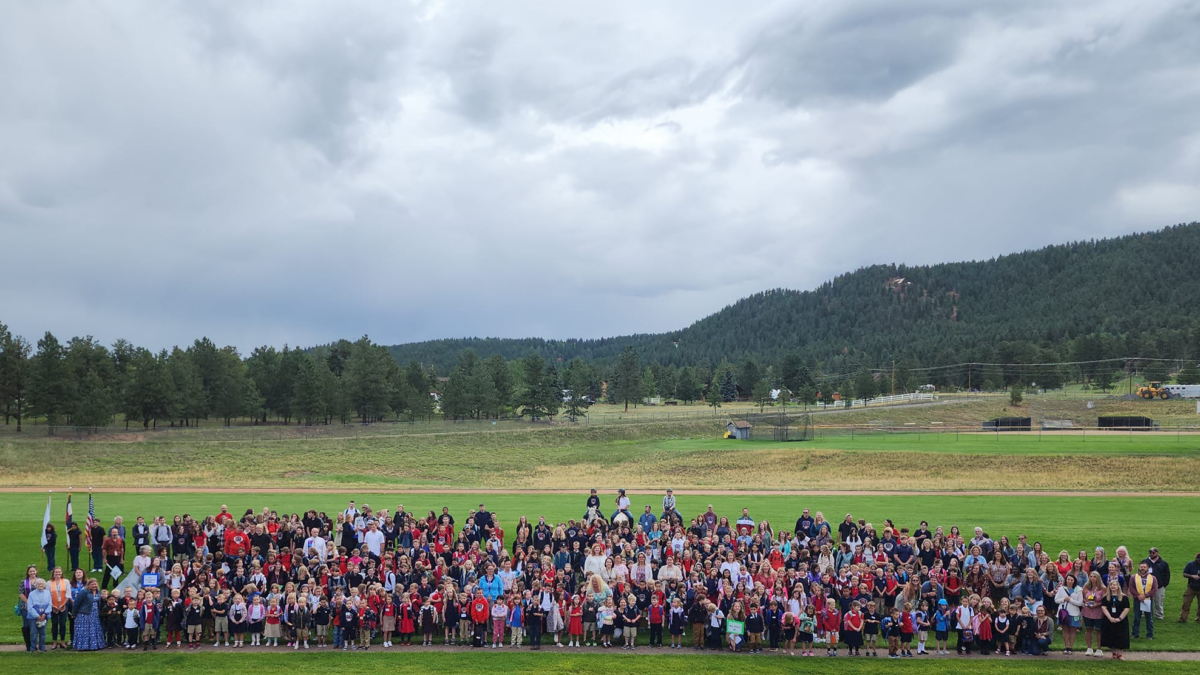

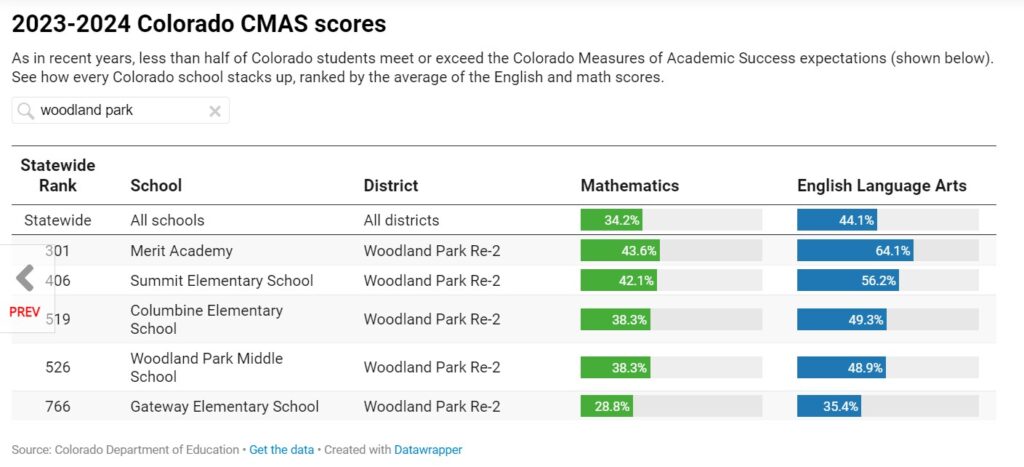
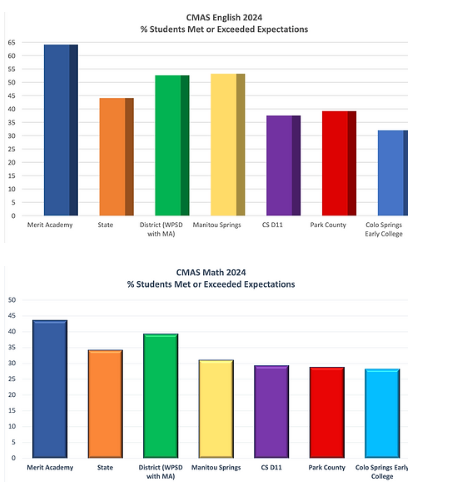
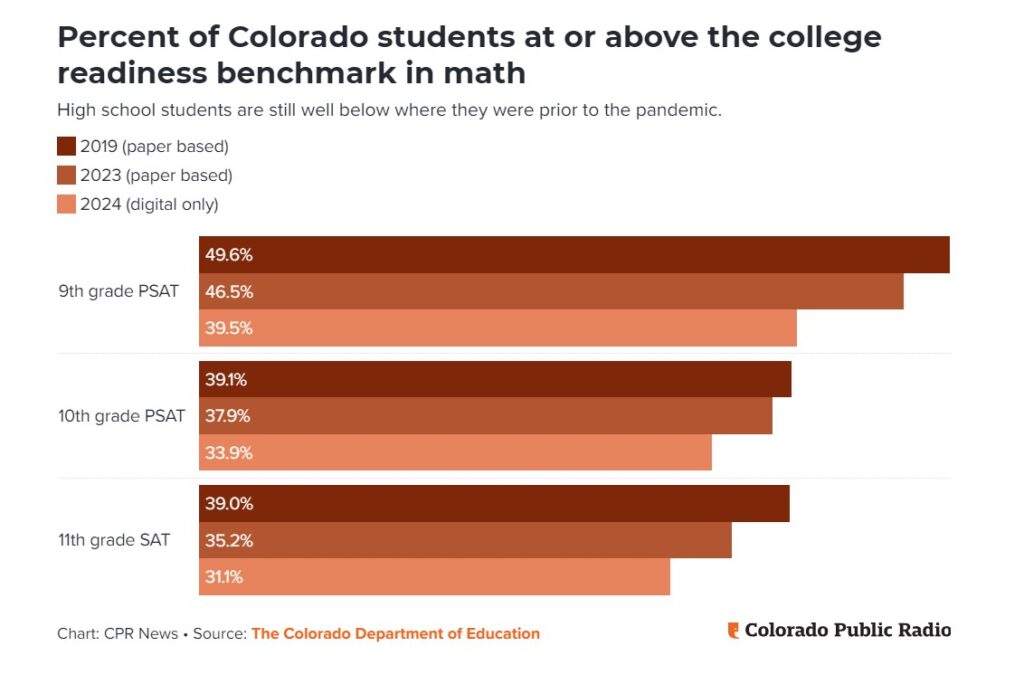
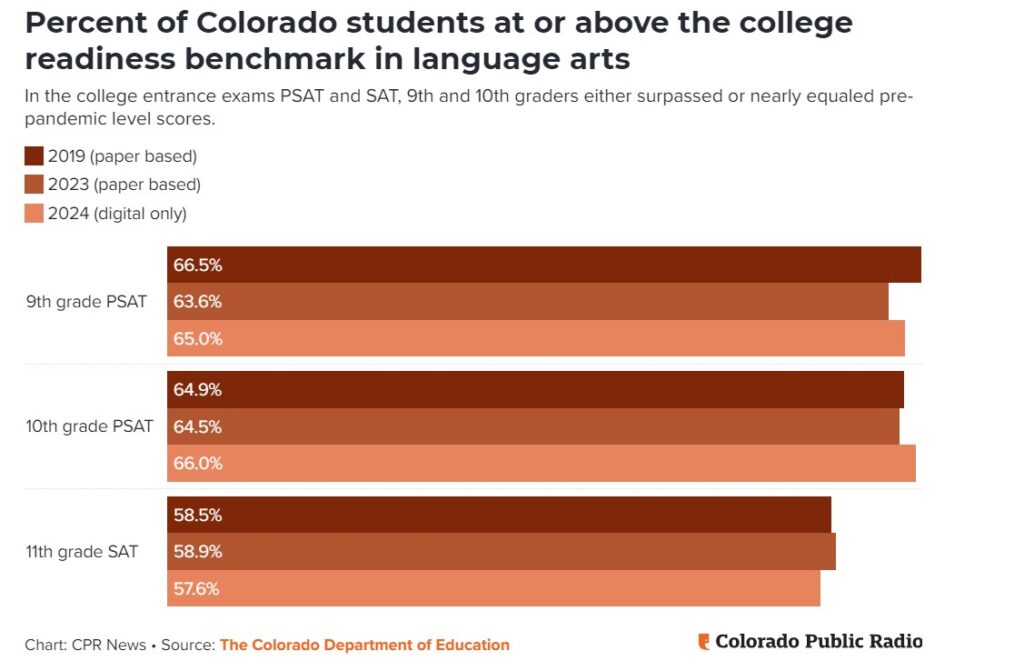
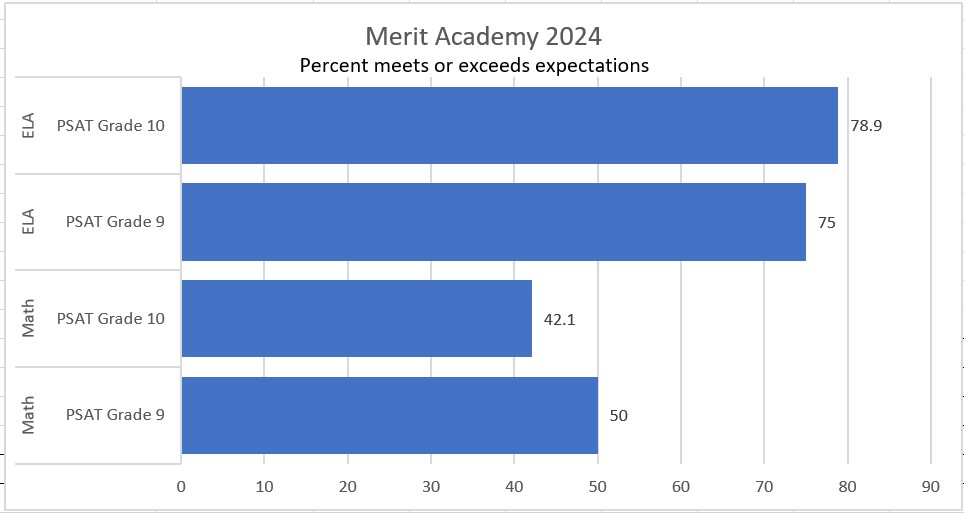

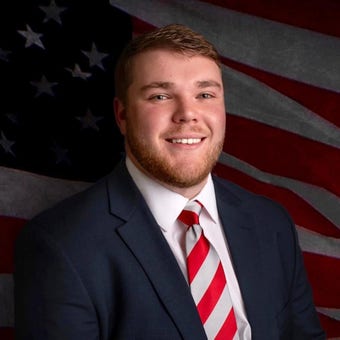
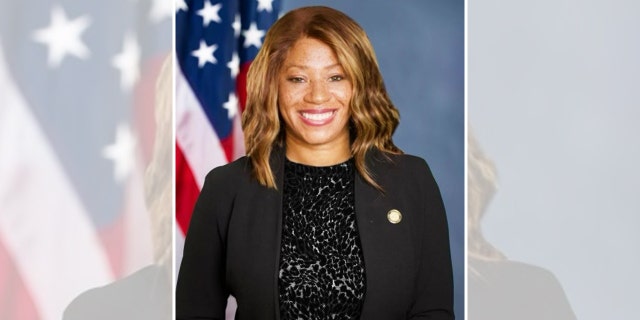
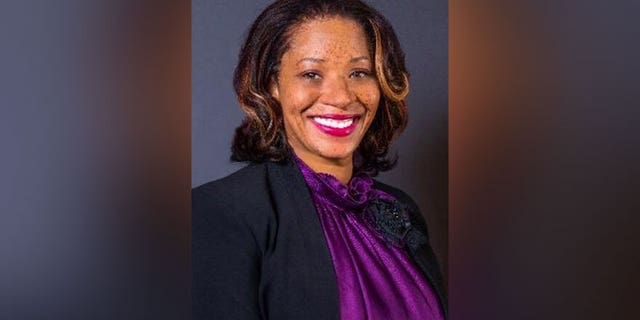
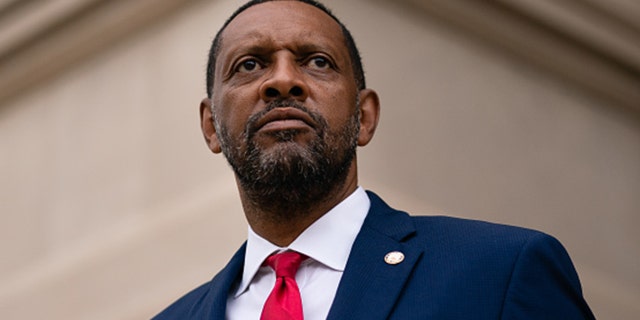



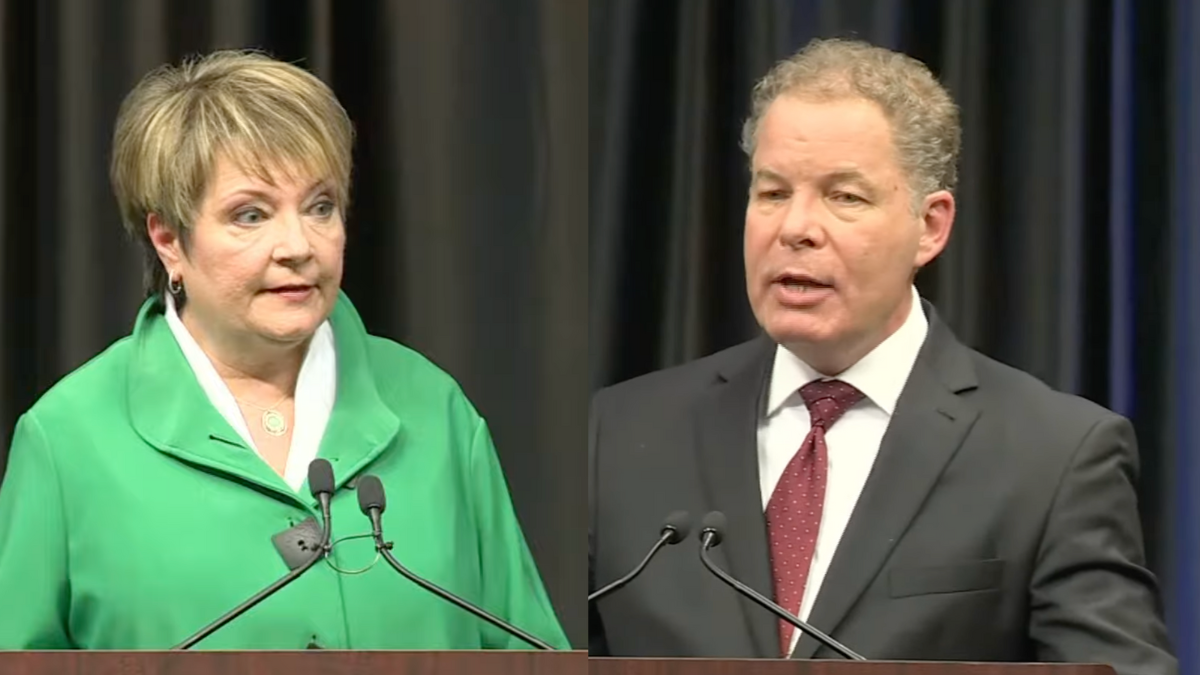
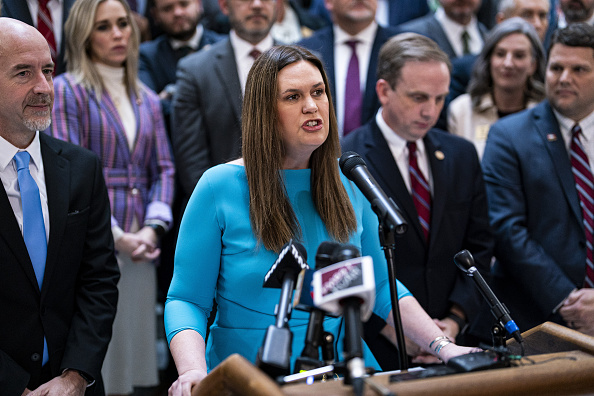

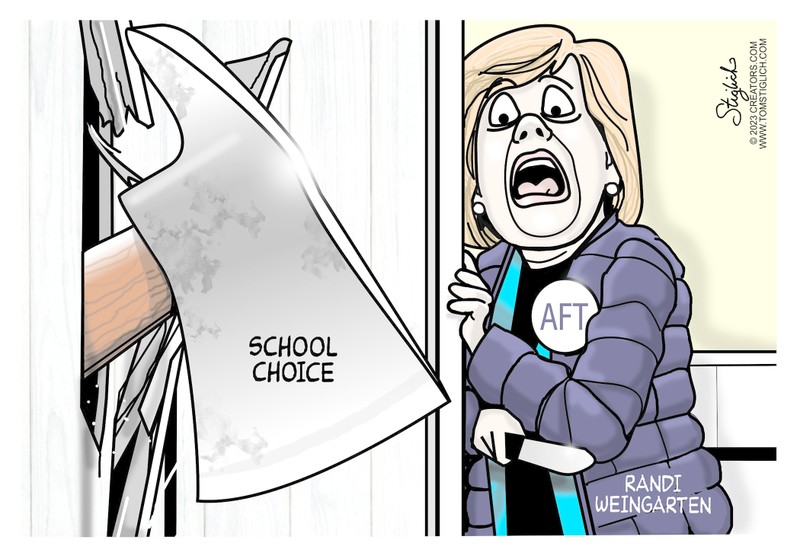


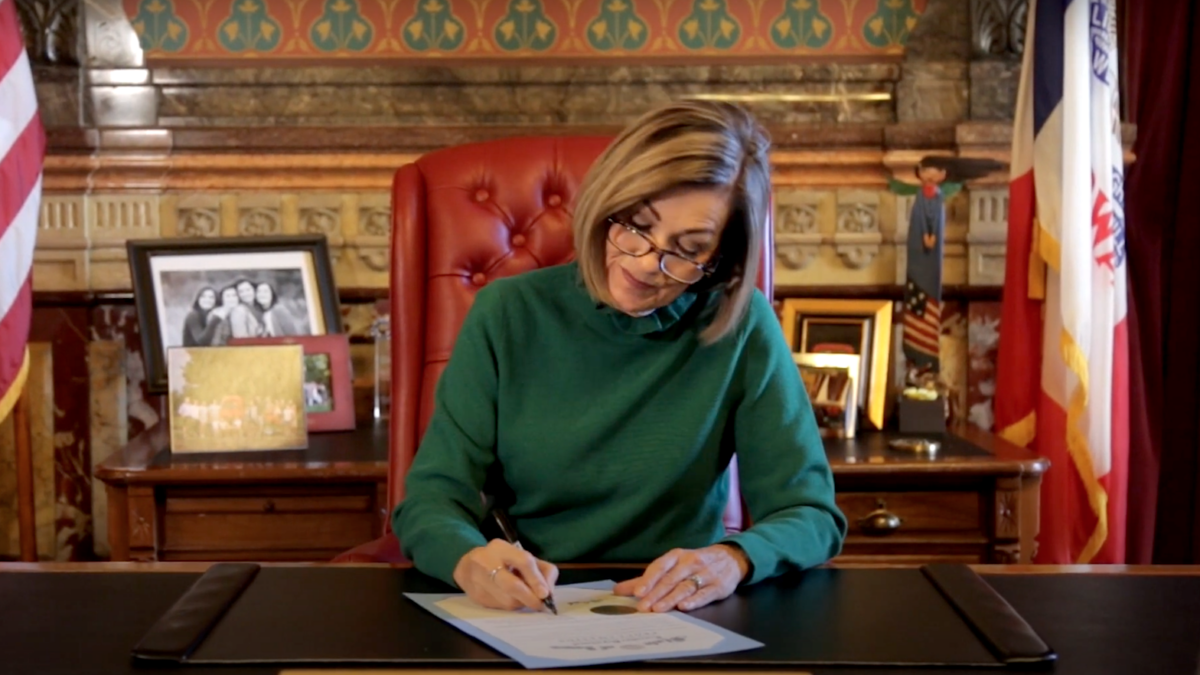
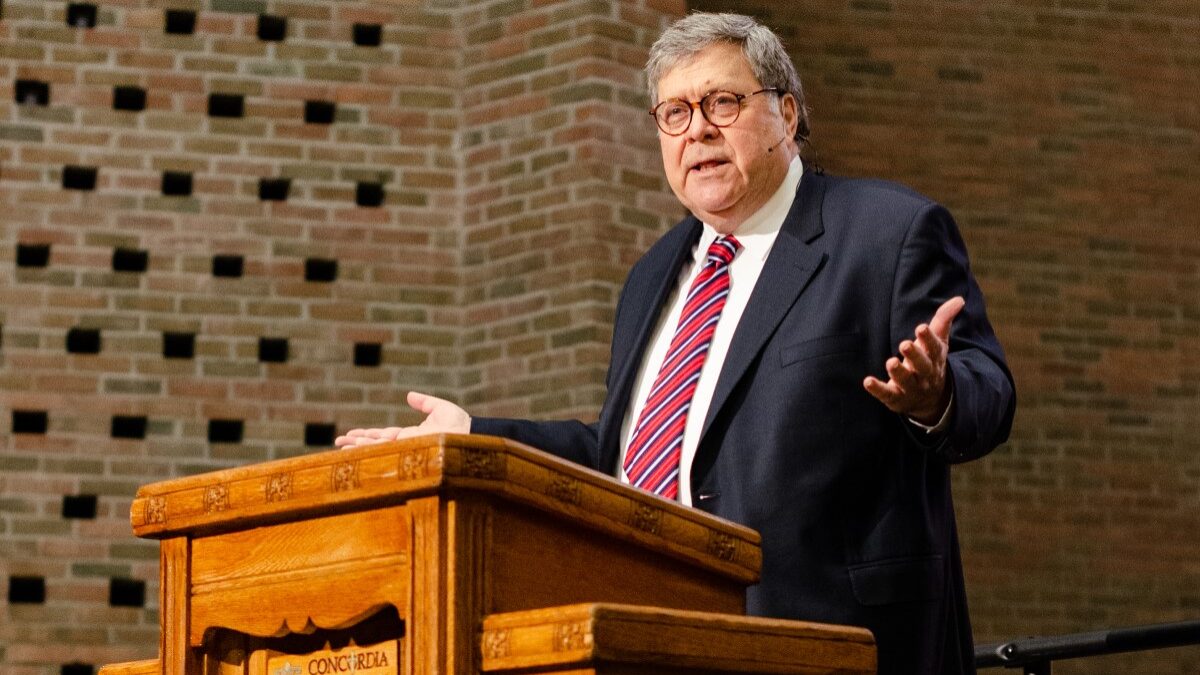
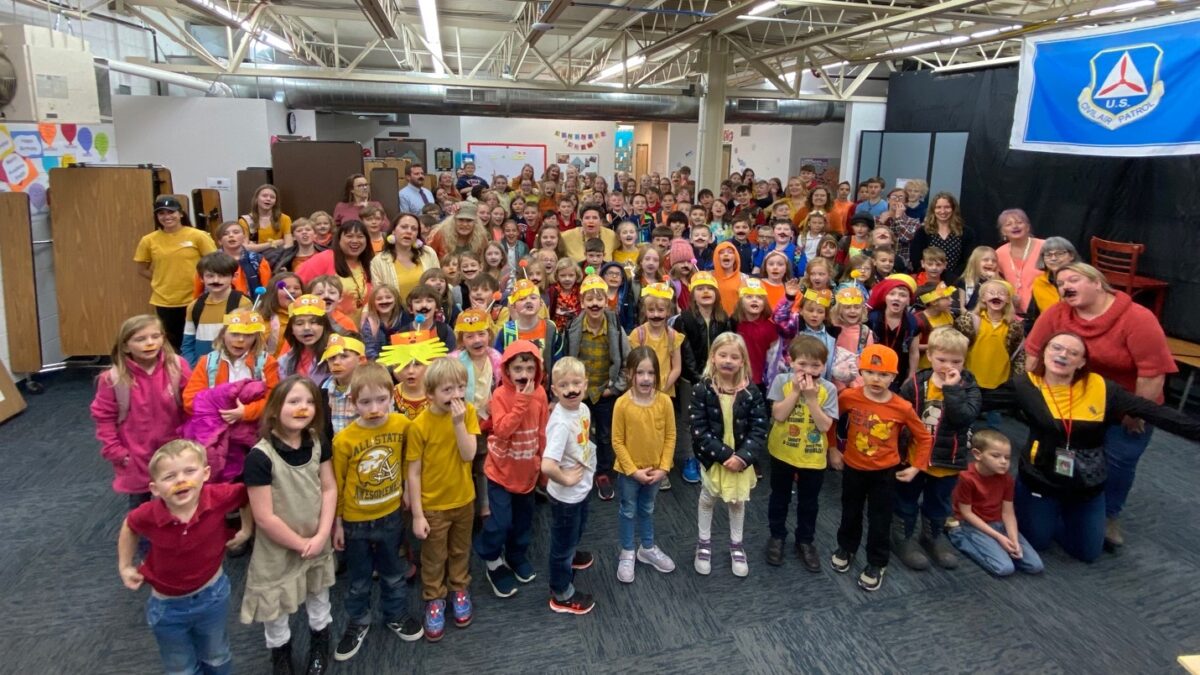
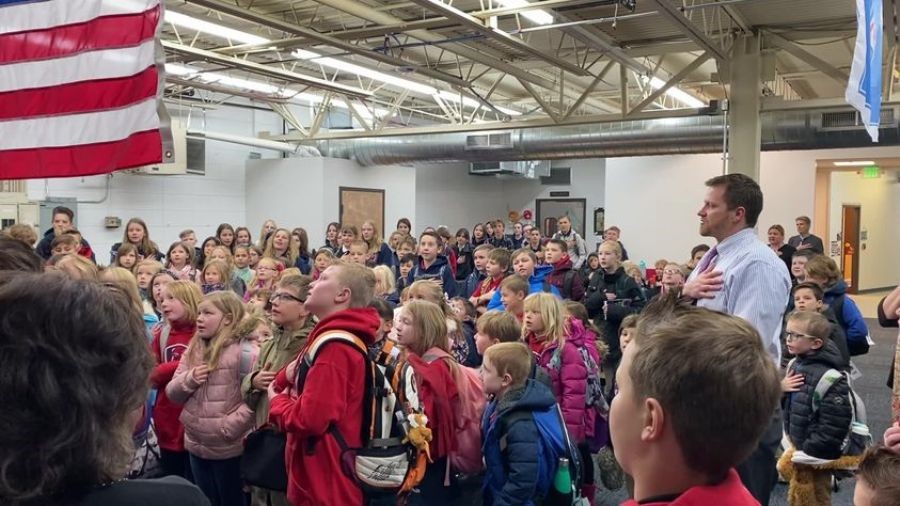

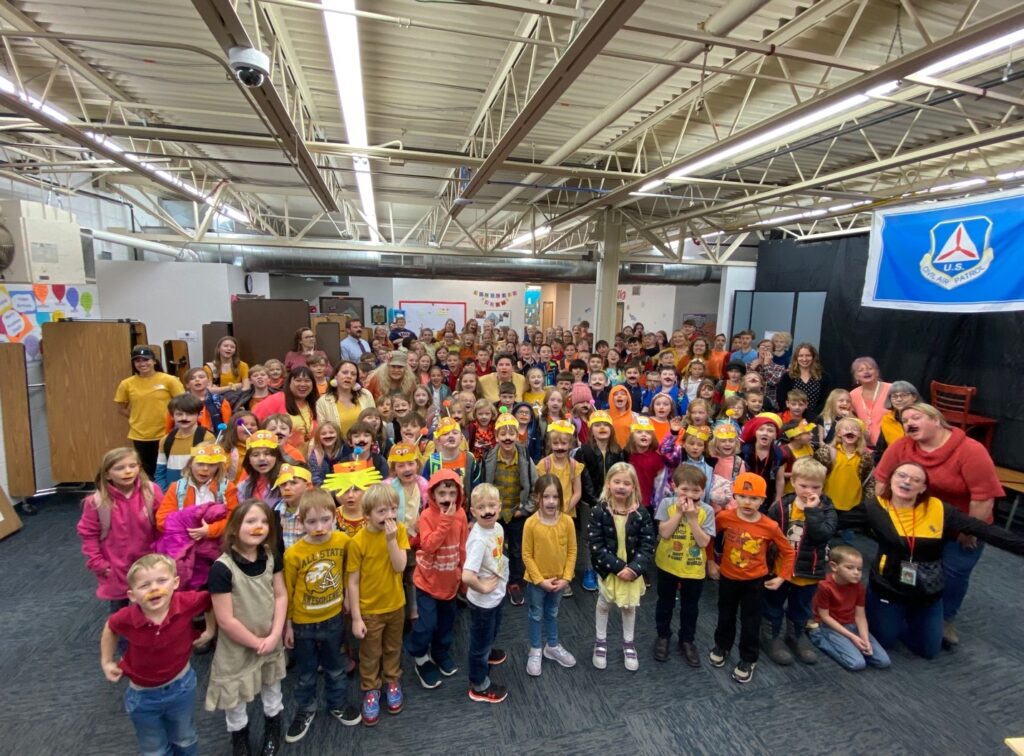




 Political cartoon by A.F. Branco ©2020.
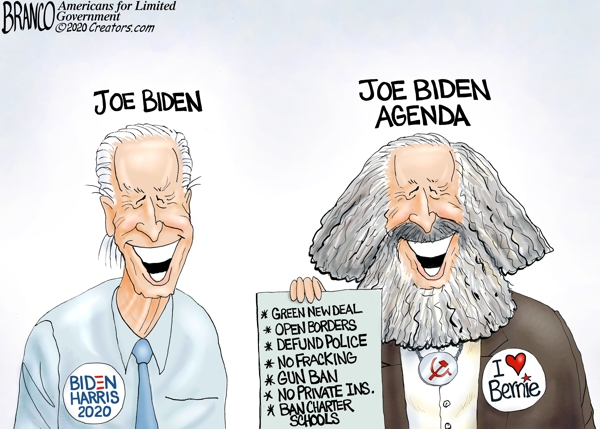 Political cartoon A.F. Branco Cartoon ©2020.
 Political cartoon by A.F. Branco ©2020.
 Reported





 / Posted: Wednesday, January 18, 2017


 What Did You Say?
You must be logged in to post a comment.