I Was In Philadelphia Watching Fraud Happen. Here’s How It Went Down
Reported by 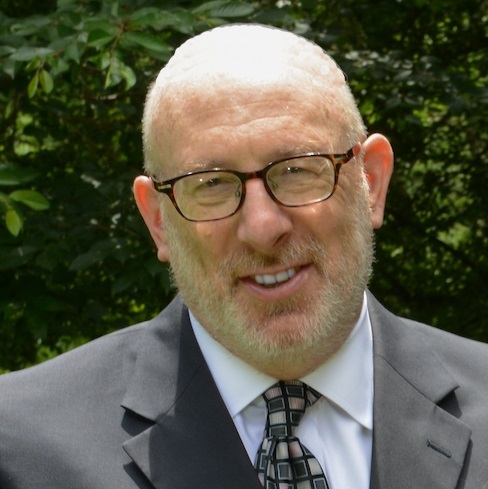 Jerome M. Marcus | NOVEMBER 10, 2020
Legacy media are lying when they claim that all of President Trump’s allegations of voter fraud are baseless. I know, because I argued a case on the president’s behalf in federal court in Philadelphia.
At issue was President Trump’s request for an order changing the way Pennsylvania absentee and mail-in ballots are being reviewed at the Philadelphia Convention Center. CNN and others claim he “lost.” That’s false: he won. As I made that argument on behalf of the president’s campaign, I can tell you what really happened.
President Trump went to court about two problems: First, only a handful of Republican observers—substantially fewer than the Democrats had there—were being admitted to the room at the Philadelphia Convention Center where inspections were being conducted. Second, the few who could get in weren’t permitted to get close enough to see what was actually happening. The most important questions all have to ask are: Why all the hiding? What’s being hidden?
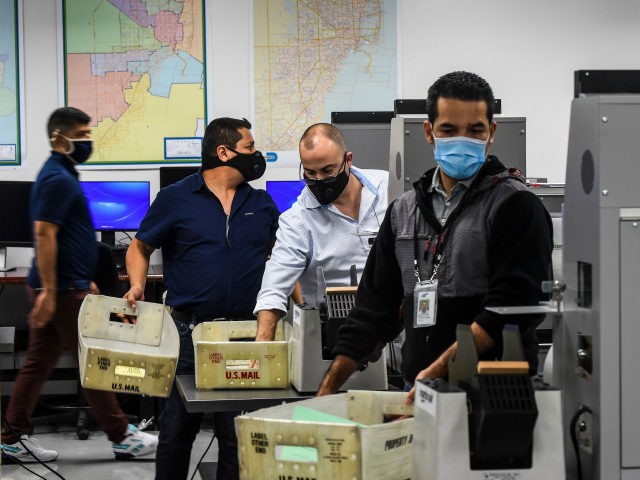
At the Convention Center counting location, I personally observed dozens of Trump campaign volunteers being barred from the counting room even though they’d been properly registered as observers. That’s why I urged Pam Bondi and Corey Lewandowski, who were on the scene, to authorize the filing of a request that a federal court order the Board of Elections to stop this nonsense.
More hiding: despite a binding order of the state’s Commonwealth Court, the handful of Republican observers who could get into the room weren’t being allowed up to the barrier set at six feet from the closest tables where work was being done. So even though they were in the room where it was happening, they had no way to tell what was happening. If there’s no fraud, why is the Democrat-controlled Board of Elections unwilling to let people get close enough to actually see what its people are doing?
So on a borrowed laptop at around 2 p.m. on election day, I typed up a very short document to start a federal lawsuit and to request that the federal court intervene to prohibit these unfair practices. At about 4:30 p.m., its filing was authorized by the campaign.
The federal judge ordered a hearing that began at 5:30 p.m. and went for two hours. In open court, the judge compelled the Board of Elections to agree that the Republicans could have up to 60 representatives in the room. That was a huge victory, not only for Republicans but for anyone who actually wants to have a vote tabulation worthy of belief.
He also compelled the board to agree that all observers, Democrat or Republican, could get up to the six-foot barrier. While the Democrats claimed that of course, of course, they had always been letting people in and letting them up to the barrier, I had a long list of witnesses who were prepared to testify that this was false. The judge told the defendants pointedly that if they didn’t do what they’d promised in his courtroom they would, he had plenty of authority to make them keep their word.
Having secured this agreement from the Board of Elections, the court dismissed the president’s motion for court-ordered relief as moot. Courts often do that when they secure an agreement between the parties. It means the court doesn’t have to issue an order, which would be appealable, granting or denying the motion, and it means the court doesn’t have to write an opinion. What it doesn’t mean is that the request made on behalf of President Trump to stop the election fraud was moot, despite the false spin CNN and other mainstream media put on it. All of this was a victory for President Trump and anyone else who believes in open government.
I’m no longer surprised by anti-Trump non-news coming from the likes of CNN. But I cannot imagine why Pennsylvania Republican leaders have suggested there’s no reason to think that anything wrong or fraudulent is going on in the counting of Pennsylvania’s votes.
If that were true, why in the world would the Democratic-controlled city government be working so hard to keep Republicans out of the room where those votes are being counted? In a world where every car that drives down the street is on video, why isn’t all of this counting being conducted in broad daylight, under watchful eyes? What do they have to hide?
Other people have gathered substantial evidence that there are indeed things to hide, including this video showing, among other things, footage of government officials wearing Joe Biden facemasks filling in blanks in already-submitted mail-in votes. The hearing I attended wasn’t about that, but it was about the conditions that make that possible.
No one who wants a legitimate vote count should be working to keep observers out of the room where the votes are counted. Yet for some reason the City of Philadelphia sent three lawyers, including the city solicitor himself, to a hearing to try to persuade a federal judge that he shouldn’t even bother addressing President Trump’s request.
Fortunately, the federal judge didn’t take that advice, and he forced the Board of Elections to do the right thing. I call that a solid victory for everyone—except for those with something to hide. For some reason, all of this hiding was being done by Democrats, for Biden.
Jerome M. Marcus is an attorney in private practice in Philadelphia.



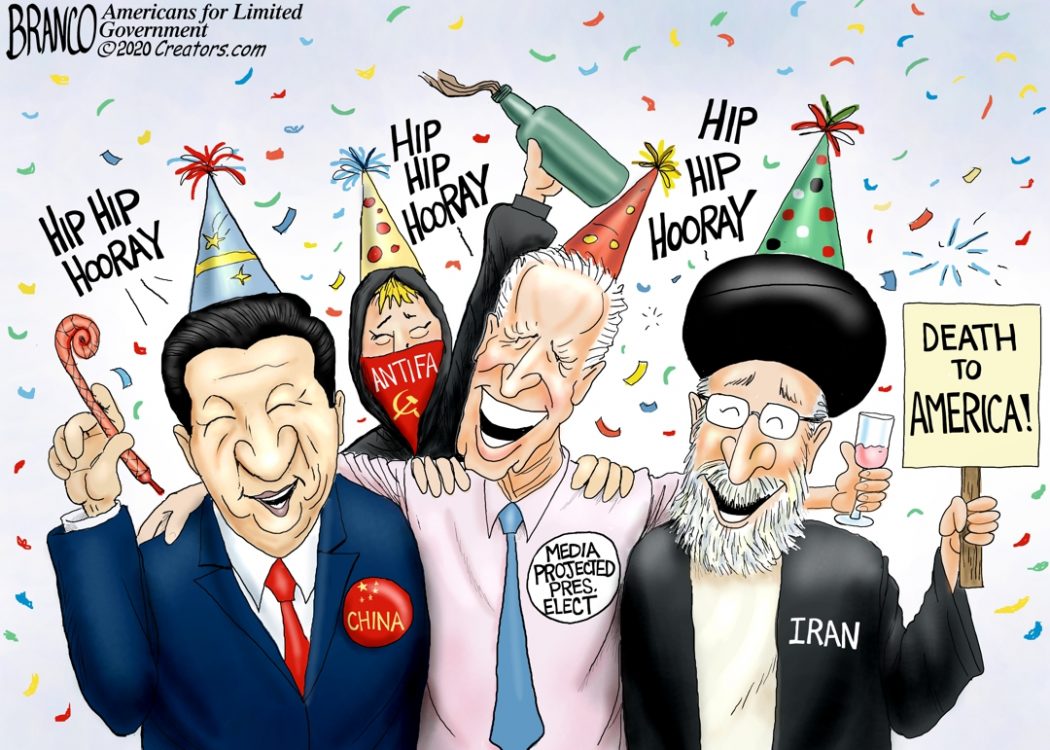








 Political cartoon by A.F. Branco ©2020
 Political cartoon by A.F. Branco ©2020.
 Political cartoon by A.F. Branco ©2020.




 Political cartoon by A.F. Branco ©2020
 Political cartoon by A.F. Branco ©2020.


 Political cartoon by A.F. Branco ©2020.
 Political cartoon by A.F. Branco ©2020.
 Political cartoon by A.F. Branco ©2020
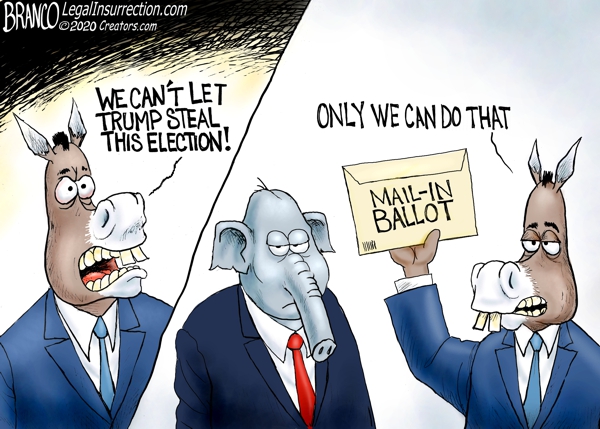 Political cartoon by A.F. Branco ©2020.


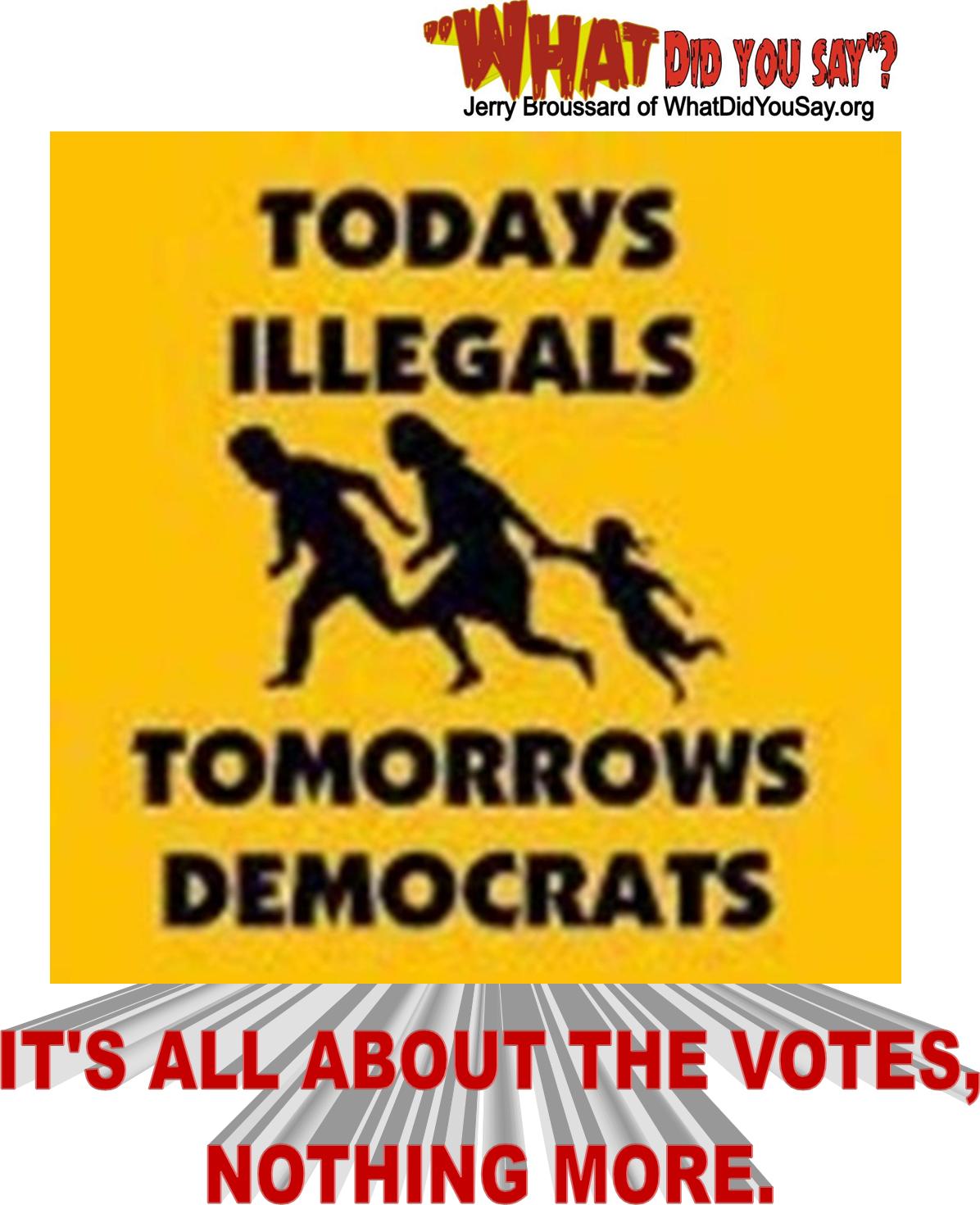

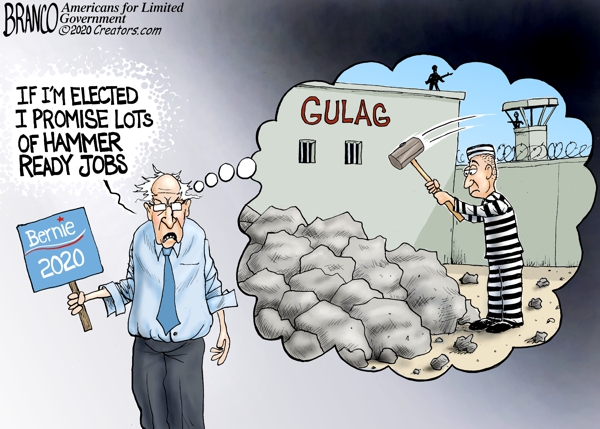 Political cartoon by A.F. Branco ©2020.
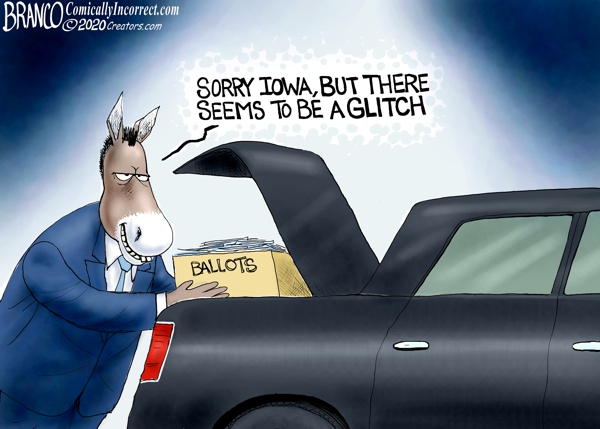 Political cartoon by A.F. Branco ©2020. debacle





 Reported


 Reported By

 Reported


 Alex Pfeiffer | Reporter | 8:23 PM 03/29/2017


 Posted on October 19, 2016


 Patrick Howley, Political Reporter


 What Did You Say?
This week, we are adding 19 convictions, including cases from Texas, Colorado, and Illinois. These are just the latest convictions. Yet despite the overwhelming evidence, the left prefers to bury its head in the sand and refuses to acknowledge the reality of Voter fraud.
Take one example from Kansas. When Kansas Secretary of State Kris Kobach claimed his first conviction in a voter fraud case against a non-U.S. citizen, opponents of the conviction had no interest in dealing with the facts.
Instead, some groups on the left—like the liberal news site Think Progress—accused Kobach of “voter suppression.” Another Salon article completely dismissed Kobach without addressing the evidence he found, saying, “Someday he’ll have evidence of a problem that doesn’t exist.”
In many states, voter registration requires proof of citizenship. The left calls such policies anti-American. But is that really such a radical idea, that voters in a U.S. election would have to be U.S. citizens?
If liberals want evidence, then Heritage has it. To date, we have documented 773 confirmed criminal convictions in 492 voter fraud cases spanning 44 states.
Here are a few of the newest entries to the database:
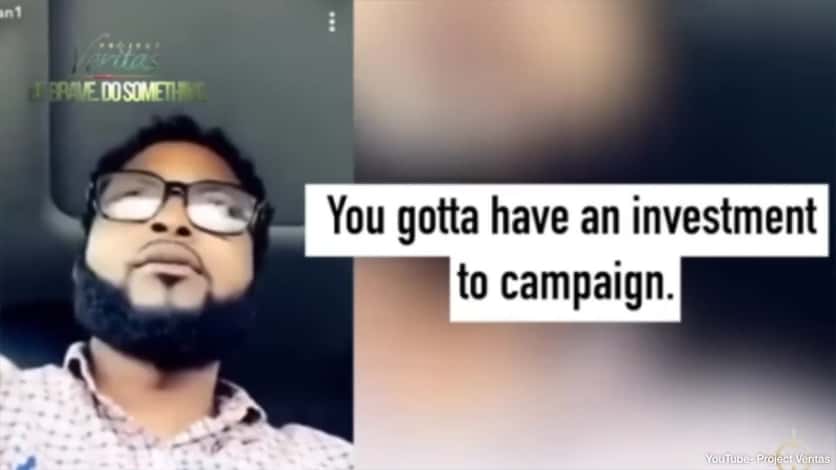
After a two-year investigation into local voting fraud, hidden camera footage surfaced revealing a uniformed and on-the-job Olvera “negotiating an exchange of money for mail-in voter lists.” Olvera is scheduled to be sentenced on May 25.
The crime is a Class 3 felony. Kidd was sentenced to 12 days in the St. Clair County Jail and is now barred from engaging in campaign-related activities or electioneering.
Clearly, absentee voting remains particularly vulnerable to fraud.
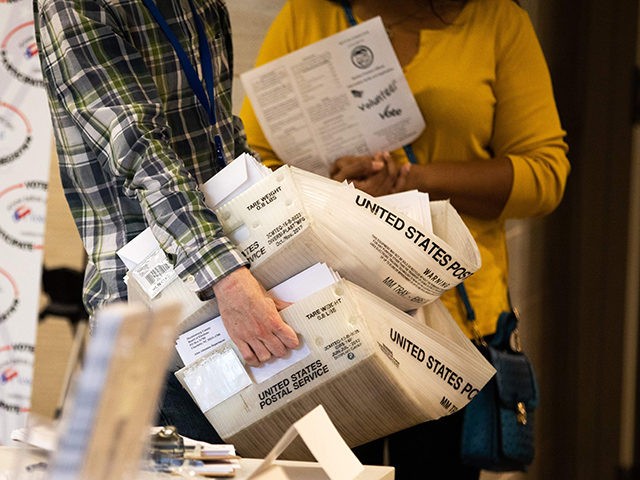
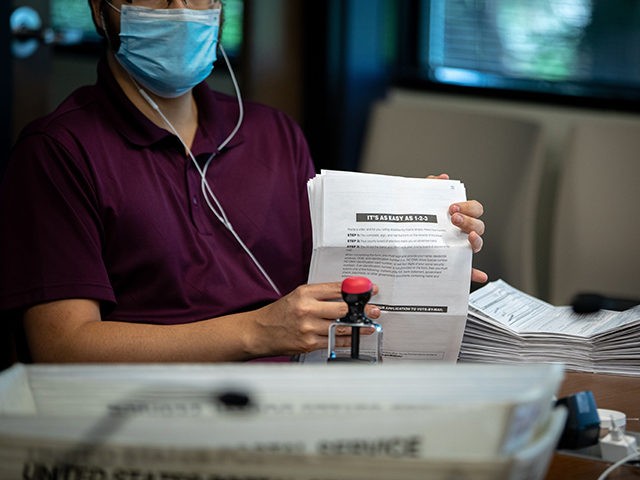
Simply put, in most states there are few measures in place to sufficiently verify the identity of those casting absentee ballots. Signatures can be forged—a problem that can be addressed by requiring the voter to include a photocopied valid ID along with the absentee ballot.
But more robust identification requirements would only solve part of the problem. They cannot defend against the pernicious targeting of absentee voters by pressuring, coercing, or “assisting” them in filling out their ballots in order to assure that particular candidates or causes prevail.
So long as states continue to allow the names of deceased voters and residents who have moved away to remain on their voter rolls, they are leaving the door wide open to fraudsters who are willing to take advantage of the system by voting in their names.
The Heritage Foundation published “Does Your Vote Count?,” a guide to help voters and policymakers understand the issue of election fraud. That report provides policy recommendations that states should adopt to help thwart illegal activity and ensure that the election process remains free and fair for all.
Procedures that can be implemented include requiring a photographic, government-issued ID and proof of citizenship to register to vote. In addition, participating in an interstate voter registration crosscheck program will help guarantee that people are not voting twice.
Secretaries of state should verify voter registration data with other state and federal agencies, such as the state Department of Motor Vehicles and the Social Security Administration. Such measures will offer a barrier of protection not only to eligible voters, but also to the electoral process in general.
A single fraudulent vote does more than just cancel out the vote of another American. It puts a stain on the results of the entire election. If voters are discouraged to participate in what they perceive as a tainted process, it only empowers those who would seek to steal elections.
Instead of vilifying those who fulfill their duties to protect the electoral process, the left should embrace the facts. Voter fraud is real, and we must take seriously the task of securing the integrity of our elections.
Commentary By
Jason Snead/ @jasonwsnead
Jason Snead is a policy analyst in The Heritage Foundation’s Edwin Meese III Center for Legal and Judicial Studies. Read his research.
Robert Ordway
Robert Ordway is a member of the Young Leader’s Program at The Heritage Foundation.