
Will America Heed the Warnings of Panama’s Violent Riots?
BY: CASEY CHALK | NOVEMBER 23, 2023
Read more at https://thefederalist.com/2023/11/23/will-america-heed-the-warnings-of-panamas-violent-riots/

CASEY CHALK
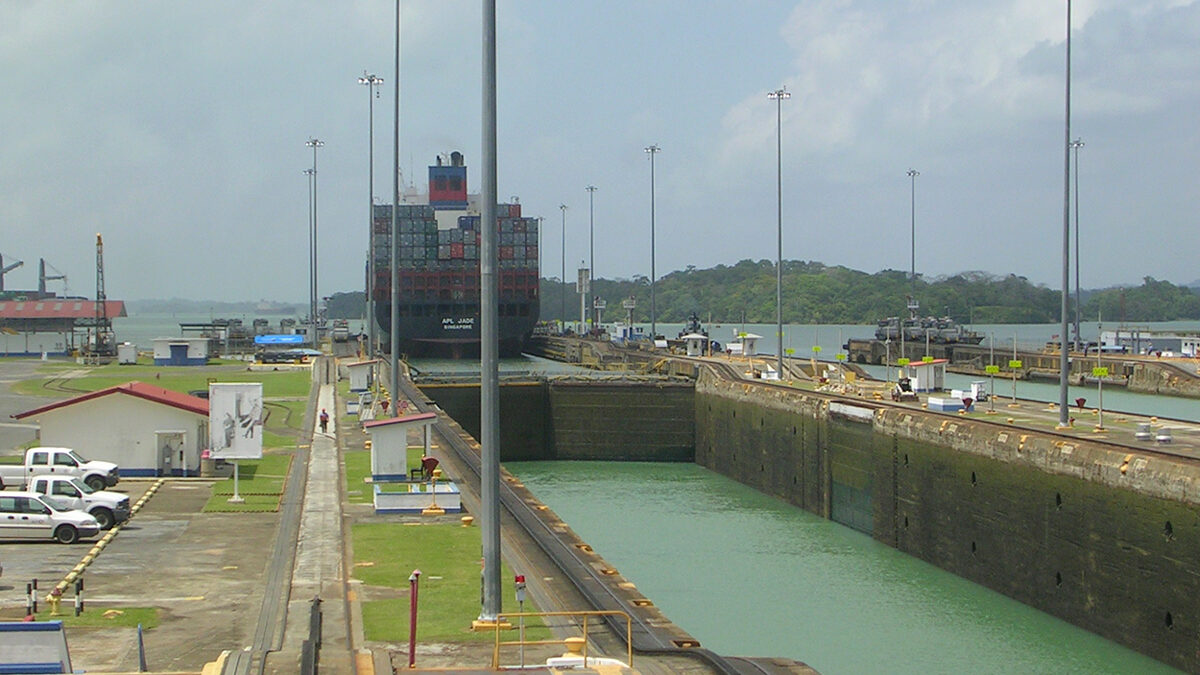
Many Americans have seen the footage of 77-year-old American lawyer Kenneth Darlington approaching and engaging a group of demonstrators blocking the Pan-American Highway in Panama before firing his handgun. Darlington is currently in Panamanian custody for killing two people during the incident. But what most Americans don’t know is what is going on in Panama, and what has been going on here for more than a month. Yet they should, because the unrest in this Central American country — home to a canal through which 40 percent of all U.S. container traffic travels — should serve as a warning as to what might await our own nation.
Holding a Nation Hostage
Since late October, protests have roiled Panama because of a government contract with Canadian mining company First Quantum Minerals, which would grant the company rights to mine massive deposits of copper for years. The Cobre Panama mine already contributes almost 5 percent of the nation’s GDP. However, many Panamanians view the contract as unfair, too favorable to the Canadian company, and an ecological threat, especially given that almost 9 percent of national GDP comes from the tourism industry and the country’s many celebrated nature reserves. Thus the contract has united labor unions and environmental activists against the Panamanian government for negotiating the contract under what they perceive as poor terms.
These protesters are highly organized and have been quite efficient at bringing Panama’s society and economy to its knees. Major roads across the country have been routinely blocked, as have various ports. Roadblocks in certain parts of the country have prevented fresh produce grown in the agricultural region of Chiriqui from reaching the capital, where more than a third of all citizens live. Many fruits and vegetables, including bananas, have been unavailable for weeks. Thousands of Panamanians who live outside the city have been unable to commute to their jobs. Major tourist attractions — such as the World Heritage Site Casco Viejo, the historic section of the city — have often been inaccessible, affecting the hundreds of businesses located there. United Airlines even canceled flights into the city because the roads to and from Tocumen International Airport were blocked.
The alleged murder of two Panamanians by a U.S. citizen has provoked international headlines, but there has been extensive other violence and crime. Clashes have resulted in several other deaths, many stores have been vandalized, and enterprising demonstrators have established checkpoints at major thoroughfares where they shake down passersby for money.
Multiple American friends of mine have been robbed at these checkpoints, and one of them was pulled out of his car and beaten so badly he required more than a dozen stitches, including to his skull. In that example, Panamanian police stood nearby and did nothing until after the criminals had robbed my friend and left him lying on the road. (It was, if you can believe it, the second time he had been attacked and almost killed by criminals in Panama).
Panamanian police have engaged with demonstrators when they’ve congregated en masse and threatened government buildings or the financial district but have been notably absent elsewhere in the capital or broader country. Why, I’ve wondered, do the police not simply clear these roadblocks and tell protesters that even if they have the right to demonstrate, they are not free to cripple the country?
“They aren’t paid enough for that,” was the response from one American expat I asked who has lived in Panama for more than two decades. The typical response from the government and security forces to these kinds of protests, which happen fairly regularly, including last year, is to give demonstrators extensive latitude to express their frustrations. It is, authorities believe, a sort of “release valve” that will eventually lose steam.
Does Any of This Sound Familiar?
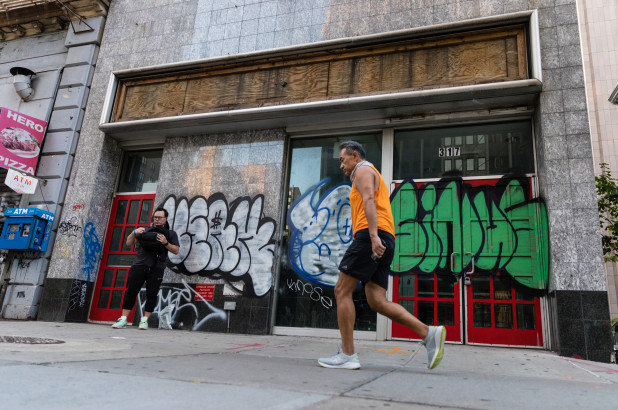
I hope I have provided enough details for readers to recognize the similarities between what is happening in Panama in the past two months and what happened in the United States more than three years ago. Between May 26 and June 8, rioters caused between $1-2 billion worth of damage in about 20 states, making it the costliest example of civil disorder in U.S. history. An estimated 25 people died in the riots. In some cities, such as Minneapolis and Chicago, police were ordered to stand down from intervening while rioters looted or destroyed businesses and even police stations.
The results of city governments punishing, castigating, and defunding their own police forces despite rising mob violence, looting, and destruction of property are readily apparent today. Urban crime has risen dramatically since 2020, as has the national murder rate, both of which have remained much higher than they were pre-pandemic. Many city police forces (including the New York and Chicago Police Departments) are plagued by underfunding and retention issues. Shoplifting and carjackings are soaring in places like Washington, D.C., which has police staffing levels at their lowest in a half-century. Why would anyone want to sign up for that kind of dangerous, underappreciated work? One might say they aren’t paid enough for this.
What Comes Next?
In Panama, popular frustrations over the roadblocks are growing. Working-class Panamanians are increasingly vocal in their anger toward road closures that have lost them as much as one month’s pay — when you’re already poor, that kind of financial loss is more than an annoyance, it’s debilitating. Some clashes have already occurred between laborers and protesters, and if this crisis isn’t resolved soon, there’s likely to be more protests, and they’ll probably be more violent.
Panama’s elite, who live in tony districts such as Costa del Este — which could easily pass for downtown Miami or San Diego — have been thus far largely insulated from the damage caused by more than a month of protests. They may not have butterhead lettuce for their salads or bananas for their smoothies, but they’ll make do, much as the American elite class did in 2020. Yet, also like America, the continued wealth and success of the elite class and their neighborhoods can distract from decaying infrastructure, a massive divide between rich and poor, and systemic corruption.
How long, one wonders, will everyday citizens put up with a system so obviously biased toward those wealthy and powerful enough to shield themselves from increasingly common criminality and violence on their streets? How long will the police protect those who view them as expendable, and even as a politically expedient scapegoat? In Panama, we may learn the answer soon. Perhaps Americans should be pursuing policy options with regard to public safety and police forces that ensure we won’t have to ask that question ourselves.


 What Did You Say?
You must be logged in to post a comment.